


























Views
Plays
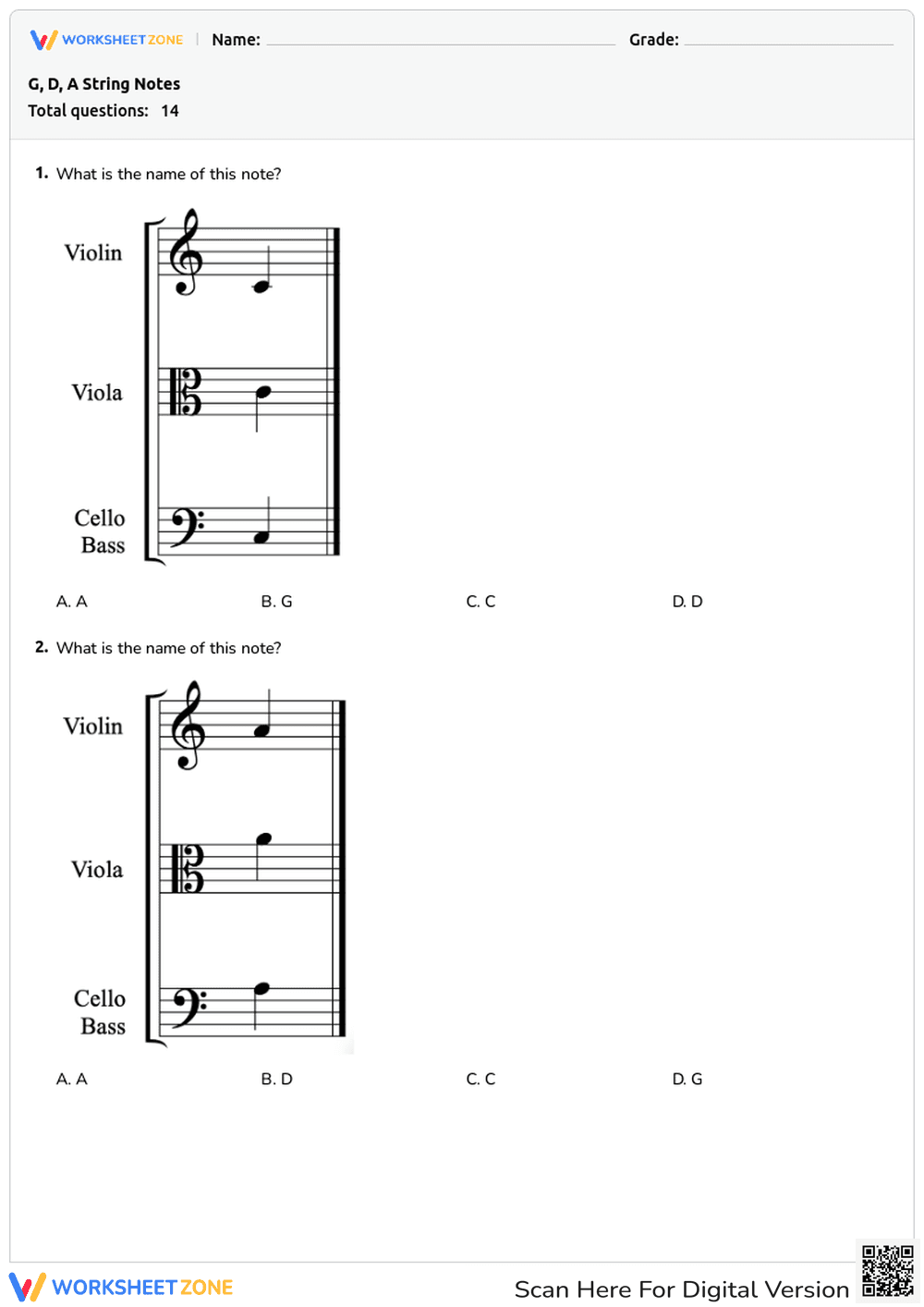
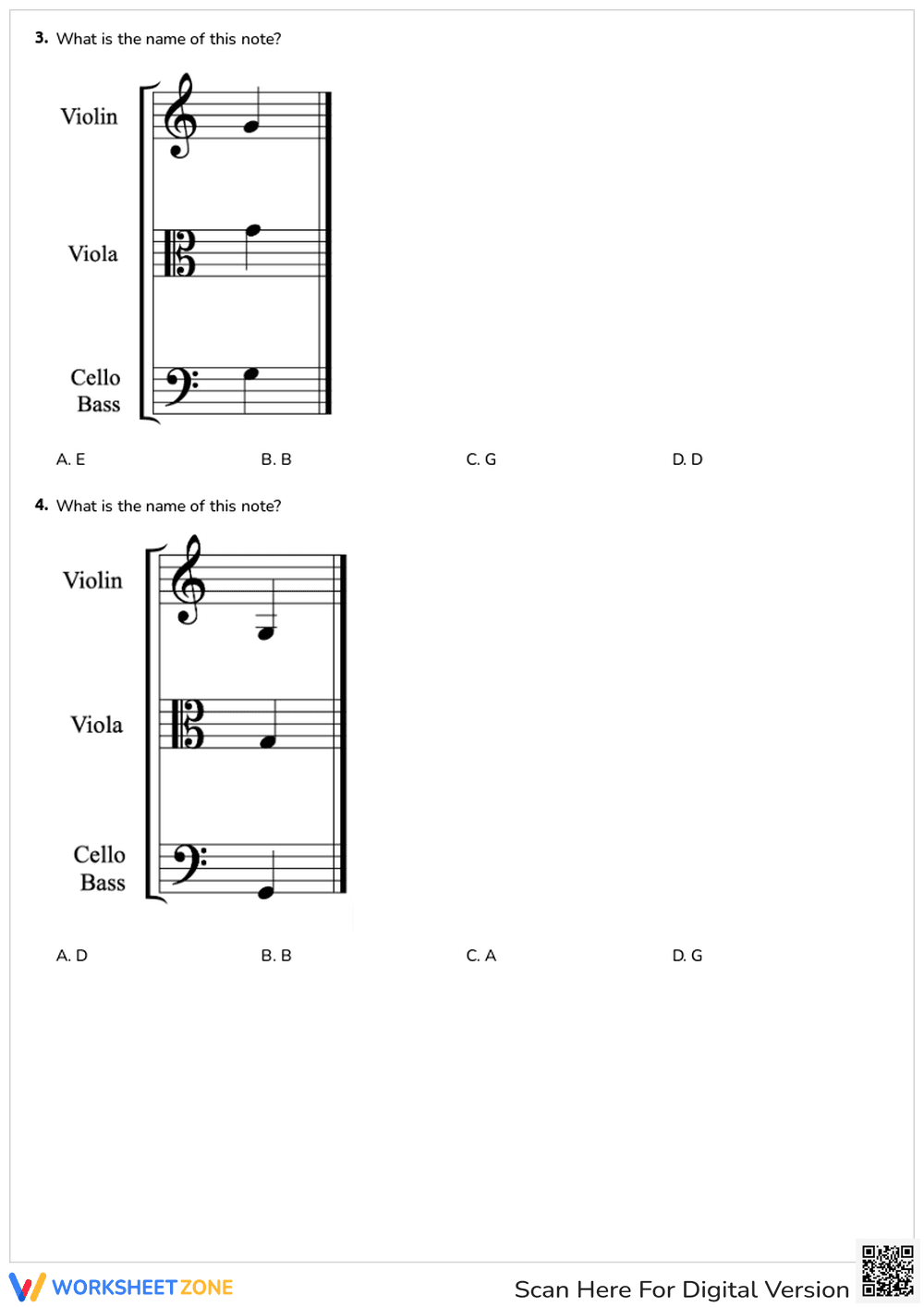
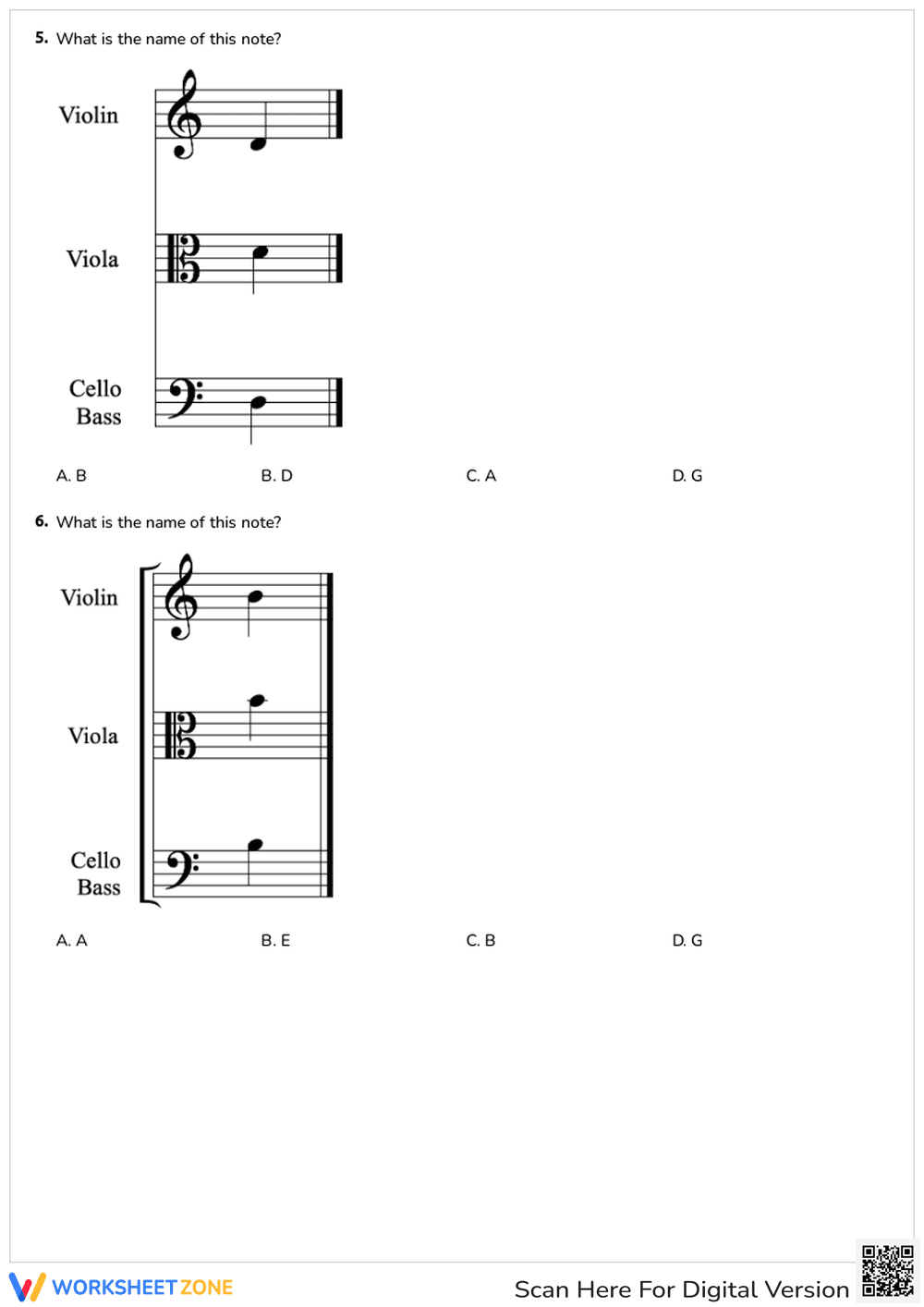
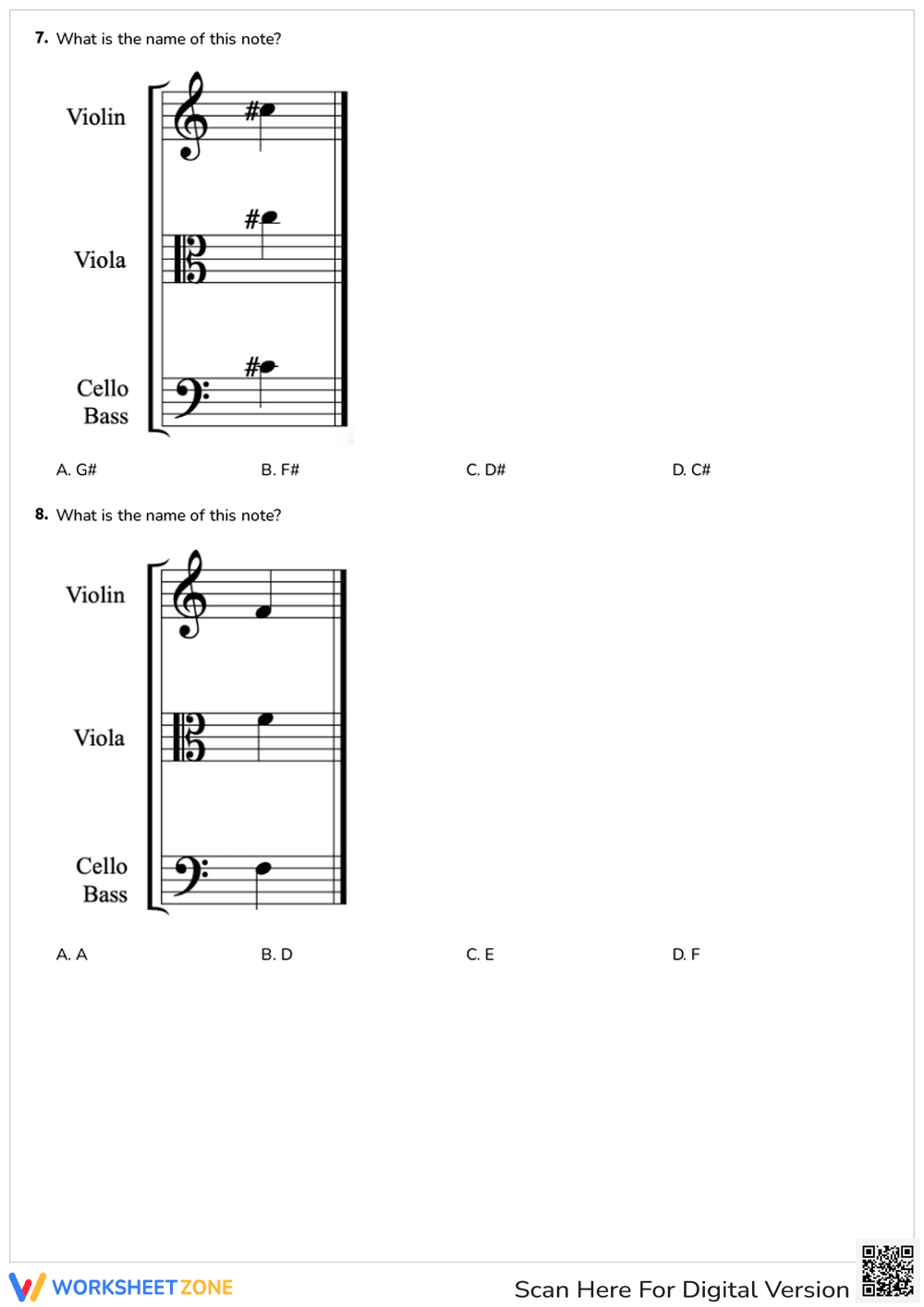
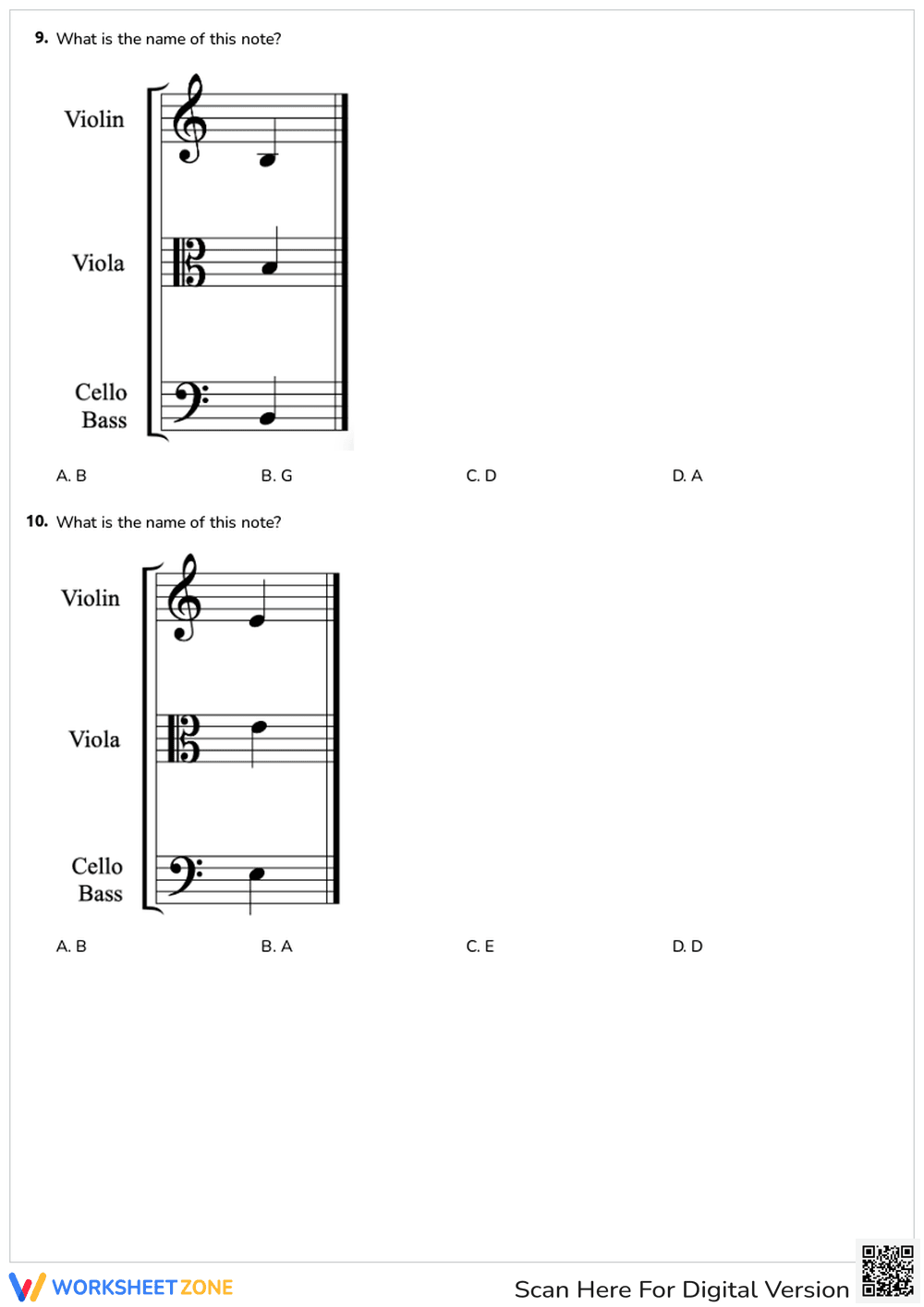
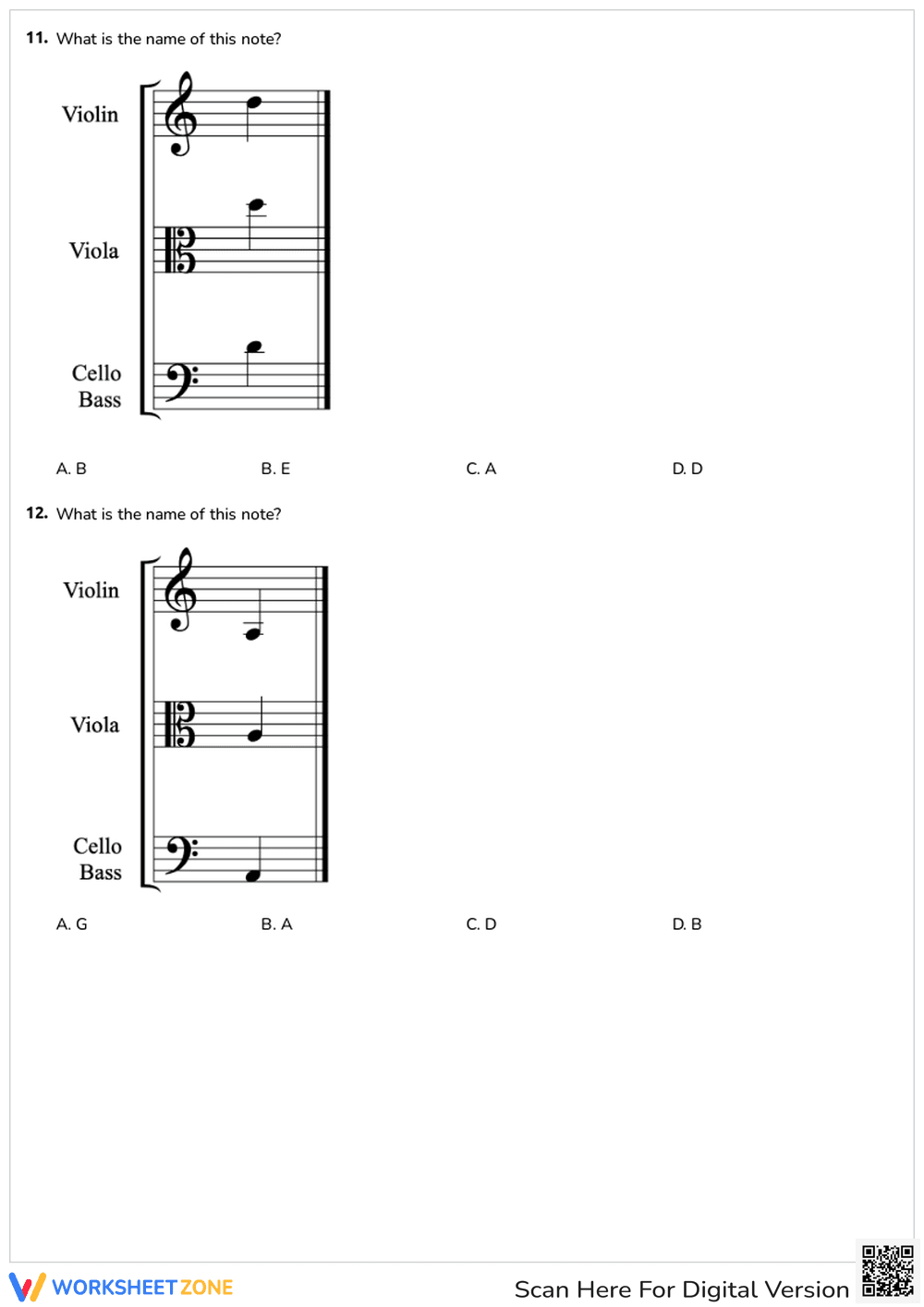
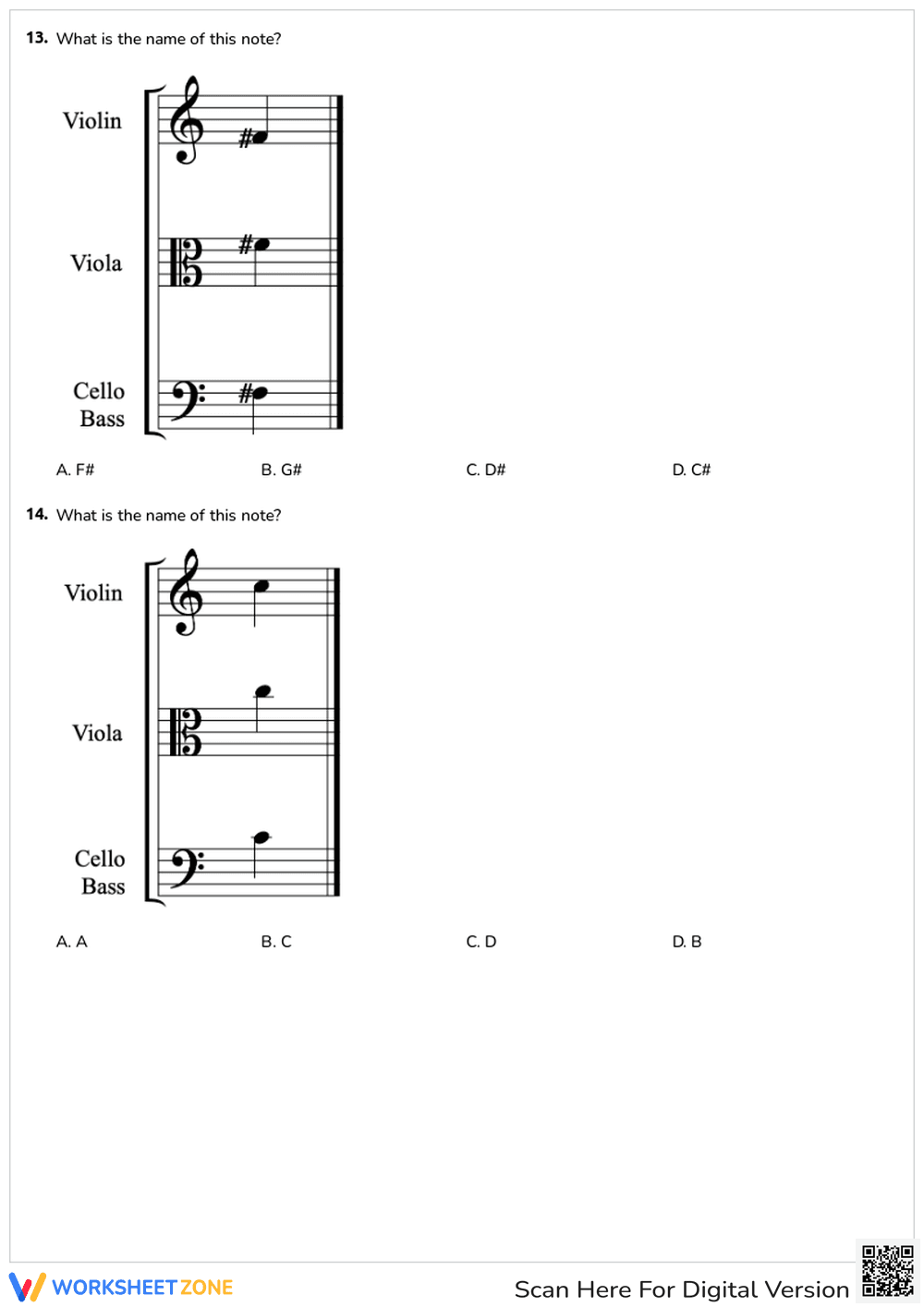

G, D, A String Notes Worksheet | Essential Music Quiz
Paste this activity's link or code into your existing LMS (Google Classroom, Canvas, Teams, Schoology, Moodle, etc.).
Students can open and work on the activity right away, with no student login required.
You'll still be able to track student progress and results from your teacher account.
This Grade 1-2 music worksheet provides a comprehensive assessment for beginning string students to identify G, D, and A string notes. By practicing across Treble, Alto, and Bass clefs, students build the foundational literacy required for orchestral performance. It ensures learners can transition between staff notation and finger placement with confidence.
At a Glance
- Grade: 1-2 · Subject: Music
- Standard:
MU:Pr4.2.2b— Read and identify basic rhythmic and melodic patterns in music notation- Skill Focus: Multi-clef note identification
- Format: 7 pages · 14 problems · Answer key included · PDF
- Best For: Beginning orchestra formative assessment
- Time: 15–20 minutes
The packet contains 7 pages featuring 14 multiple-choice questions. Each question presents a single note displayed simultaneously in Violin (Treble), Viola (Alto), and Cello/Bass (Bass) clefs. This unique layout helps students see the relationship between different instruments in the string family. A full answer key is provided for rapid grading.
This resource is designed for immediate classroom implementation. Teachers can Print the 7-page PDF in under 1 minute, Distribute the sheets to the ensemble in 30 seconds, and Review the 14 answers collectively in 5 minutes. The clear multiple-choice format makes it an ideal sub-plan for non-music substitutes or a quick bell-ringer activity.
Primary alignment is to MU:Pr4.2.2b, which focuses on reading and identifying melodic patterns. By requiring students to name specific pitches on the staff, the worksheet directly supports the Performing strand of the National Core Arts Standards. Both standard codes can be copied directly into lesson plans, IEP goals, or district curriculum mapping tools.
Use this as a formative assessment after introducing the first three strings in a beginning orchestra method book. It is best assigned during the independent practice portion of a rehearsal to check for individual note-reading accuracy. Expect students to complete the 14 questions within 15 to 20 minutes depending on their familiarity with ledger lines.
This is tailored for Grade 1 and Grade 2 students in their first year of string instruction. It provides necessary scaffolding for visual learners and pairs perfectly with a fingerboard chart or an introductory method book like Essential Elements for Strings.
According to the RAND AIRS 2024 report on arts education, consistent visual reinforcement of notation is critical for early instrumental success. This worksheet targets the specific skill of cross-clef literacy, which is a prerequisite for ensemble cohesion. By focusing on the G, D, and A strings, it aligns with standard pedagogical sequences found in high-quality music programs. The 14-task structure provides enough repetition to ensure retention without causing cognitive fatigue in young learners. Research from Fisher & Frey (2014) suggests that multiple-choice checks for understanding, like those found in this MU:Pr4.2.2b aligned resource, allow teachers to quickly identify and correct misconceptions in note naming before they become ingrained habits. This PDF serves as a reliable tool for documenting student progress toward state and national music literacy benchmarks.


