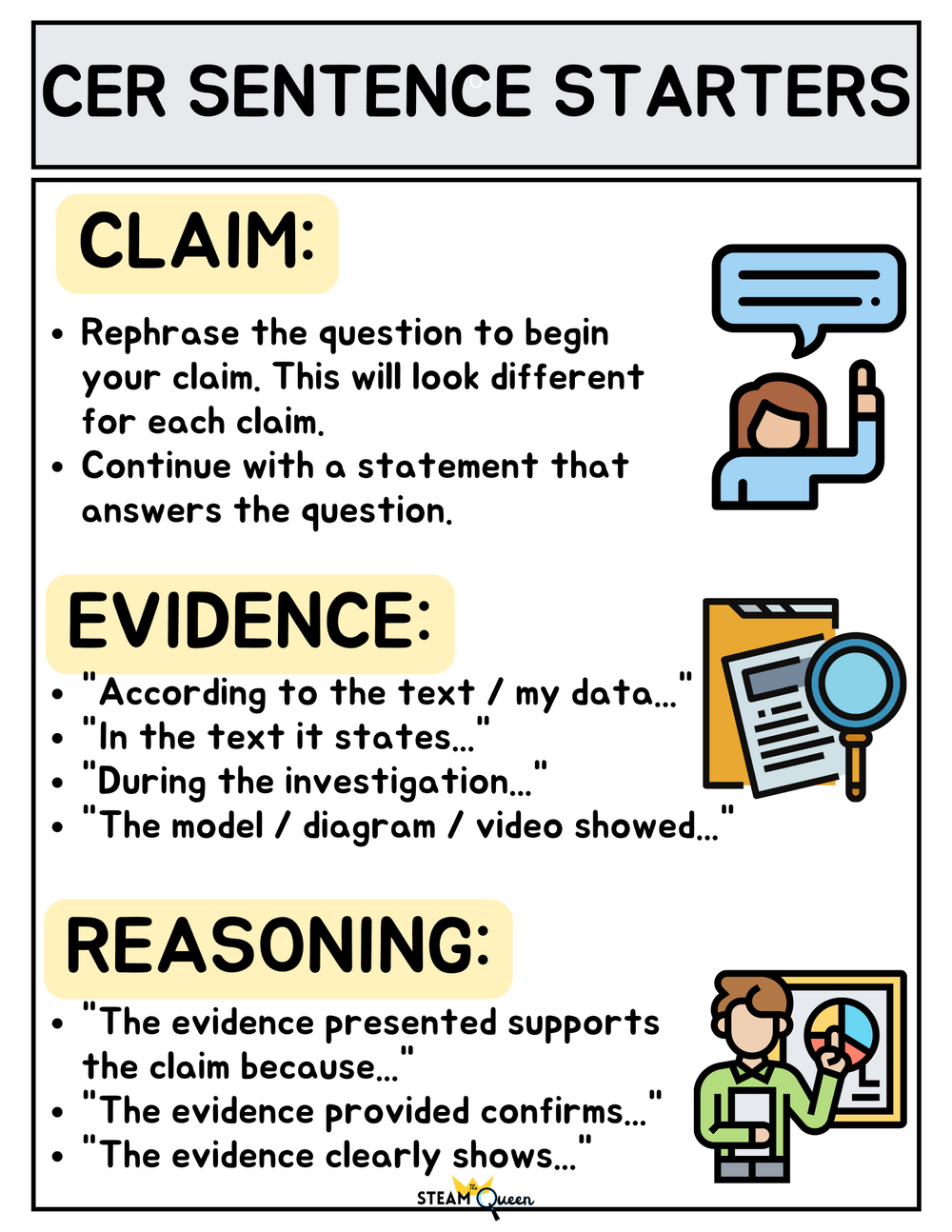
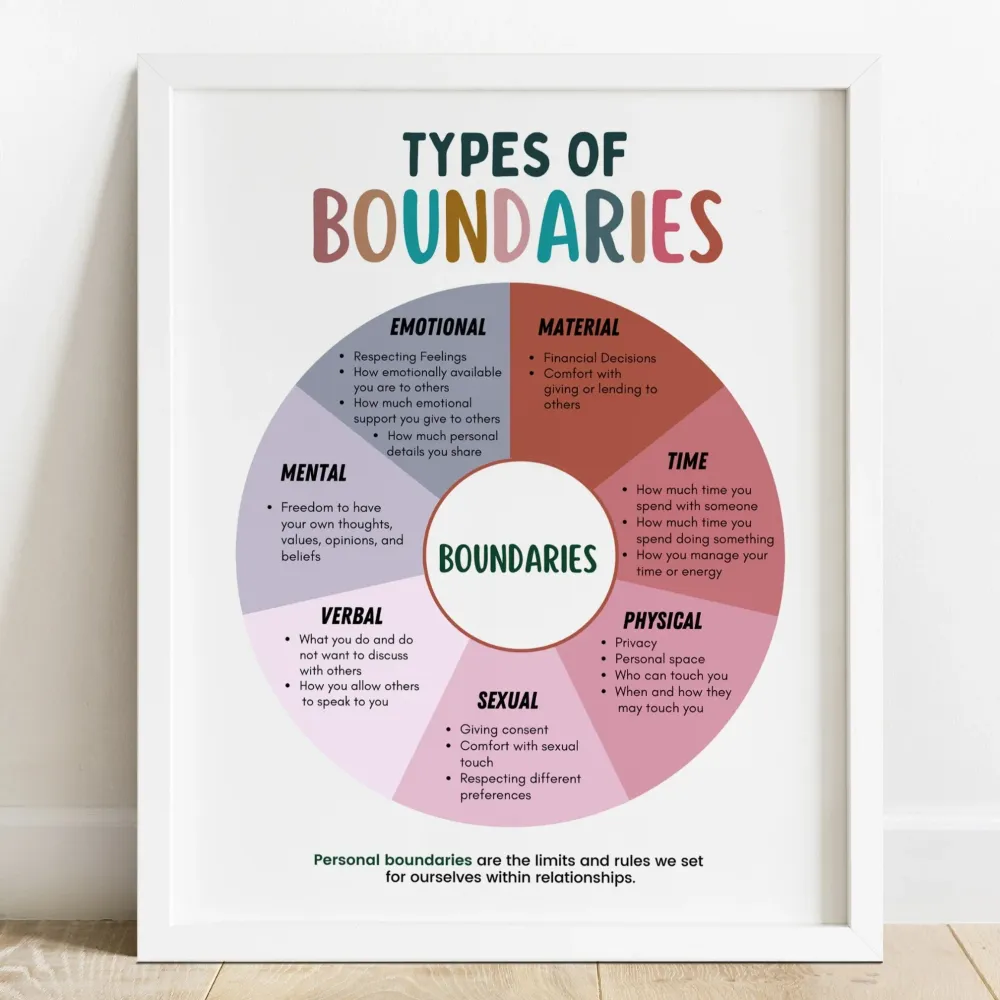
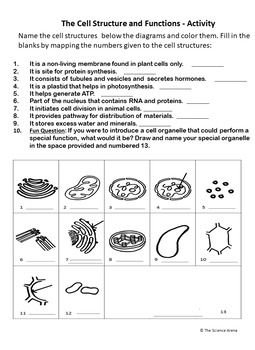
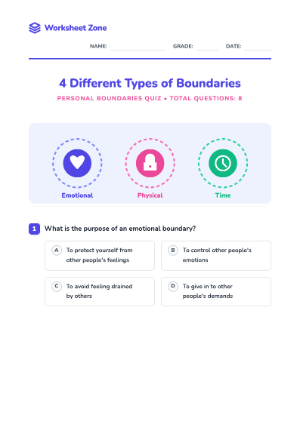
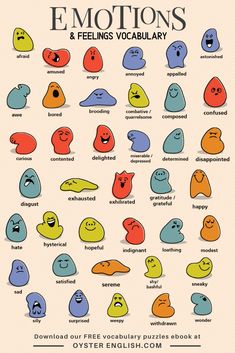
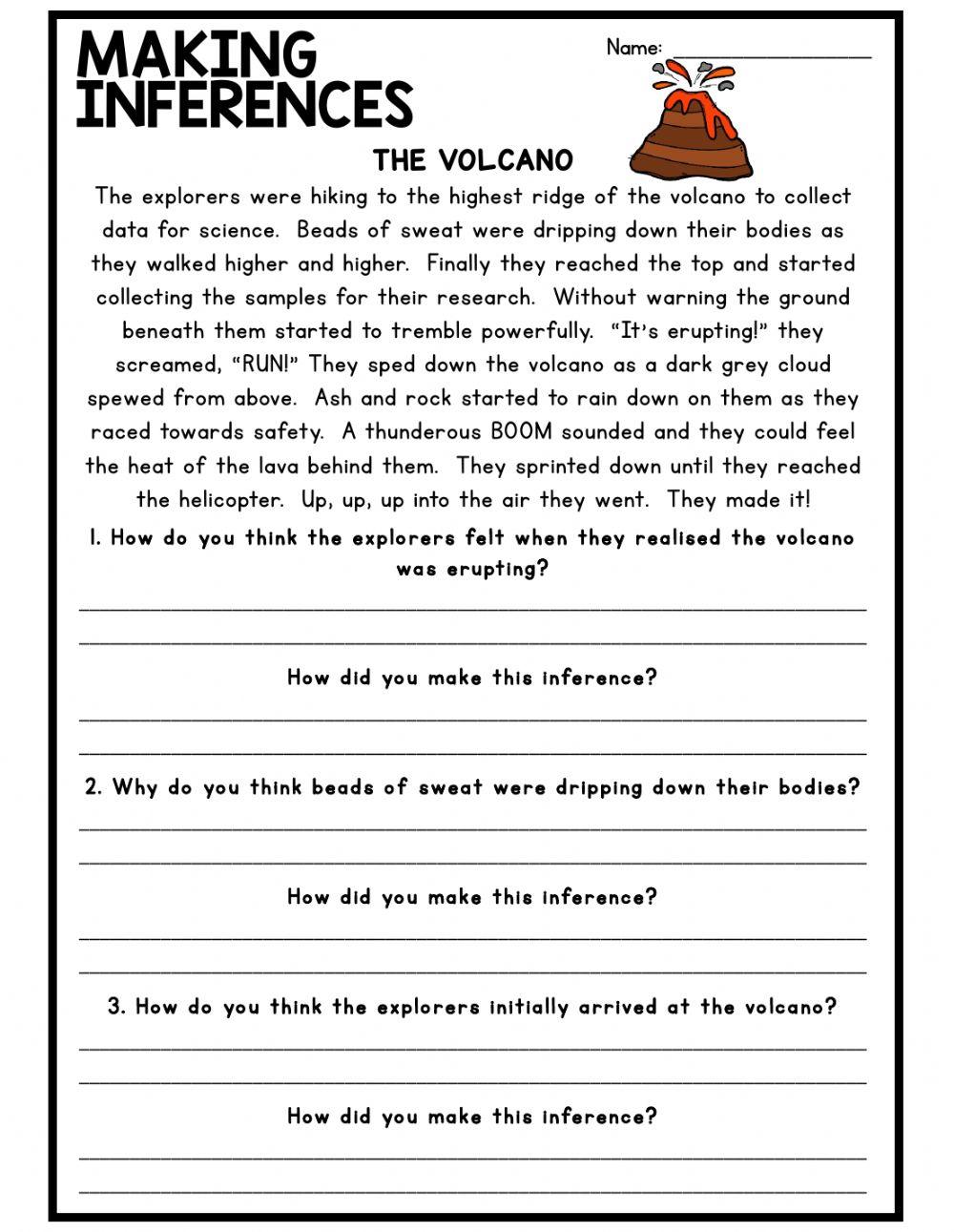
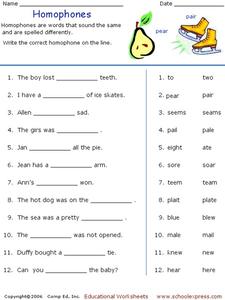
These quiz give teachers a low-prep retrieval tool that drops into any subject without device setup, login screens, or troubleshooting time. Each worksheet pairs a question set with a matching answer key, keeping the gap between assessment and feedback tight enough to actually change what happens the next day.
Why Paper-Based Retrieval Works
The mechanism behind a well-timed quiz is not evaluation — it is memory consolidation. Cognitive science names this the testing effect: pulling information from memory during a quiz strengthens long-term retention more reliably than restudying notes or reviewing a summary slide. That effect holds across age groups and subject areas, and it works in ten-minute windows, not only on formal exam days. Paper-based retrieval produces this outcome consistently because students cannot scroll back to a source or hover over a highlighted passage — the recall has to originate internally, which is precisely what makes it durable.
Frequency matters more than length. Three short bell ringers distributed across a week consolidate vocabulary more effectively than one extended Friday review. That spacing principle shapes the design of each worksheet in this set — brief enough to fit inside a lesson's transitions, specific enough to produce data worth acting on.
What's Inside the Set
Each worksheet combines question formats that serve different assessment functions. Multiple-choice items check factual accuracy and grade in seconds against the included key. True/false items are particularly useful for surfacing misconceptions — when a student marks "true" on a carefully worded false statement, that response flags a specific gap worth revisiting. Short-response slots require students to produce language rather than recognize it, revealing comprehension problems that selected-response items routinely miss.
These quiz span core subject areas — ELA, mathematics, science, and social studies — so teachers can select the appropriate worksheet for their current unit without redesigning a generic template. Layouts use consistent white space and clear item numbering, which reduces procedural confusion for students who lose working time to format questions rather than content questions.
How to Work These Worksheets Into Your Lesson Plans
The most effective use of quiz follows the spacing of new instruction rather than the calendar. Hand out a short worksheet the day after introducing a concept, then again four or five days later when students are beginning to forget. That second retrieval attempt is where the retention gains are sharpest — students who struggle on day five show you exactly what needs reinforcement before the unit assessment.
In practice: a three-to-five question worksheet works as a Monday bell ringer to reactivate prior-week material before new content starts. A four-question exit ticket at the close of Wednesday's lesson generates data sortable by table group that evening, setting up a targeted Thursday opener. Mid-unit, a longer worksheet — still well short of a formal test — surfaces students who have quietly fallen behind before a grade-book entry triggers parent contact.
Peer grading earns its place here with a specific protocol: students mark errors on a partner's worksheet, then write one sentence explaining why the correct answer is correct. That writing step converts a mechanical task into something closer to genuine review and keeps early finishers accountable for thinking rather than waiting.
Student Error Patterns Worth Watching — and What They Tell You
Wrong answers on multiple-choice items communicate more than the incorrect selection. The distractor a student chose reveals the shape of the gap. A student who consistently picks the answer that is partially true — right category, wrong detail — has a different instructional need than one whose wrong answers scatter randomly across options. Sorting wrong answers by distractor type after a quiz takes about three minutes per class and generates a natural grouping for the next small-group reteach.
Short-response items surface a second category of error: students who can recognize a correct answer but cannot generate one. This gap shows up often in science. A student may correctly mark "true" that photosynthesis produces oxygen, then write "plants absorb light to make food" when asked to explain what the plant releases. The worksheet captures both the recognition success and the production failure in the same sitting — something an auto-scored digital quiz would record as fully correct.
A third pattern appears across subjects: blank responses rather than attempted answers. On a paper worksheet, a blank is visible and meaningful in a way that a skipped digital item often is not. Tracking skip patterns across several quizzes frequently reveals anxiety around specific question formats rather than content ignorance, which points toward a different kind of classroom response.
Differentiating the Worksheets Across Ability Levels
The most practical modification is item reduction — selecting eight of twelve questions for students who need additional processing time, without changing the content expectations. This removes the speed variable from the equation while keeping the rigor of the assessment intact.
For students with word-bank accommodations, the short-response section converts easily: write the target vocabulary terms in a box at the top before photocopying. Students still have to select the right word and deploy it correctly in context — a genuine language task, not a recognition shortcut. For students working above grade level, add a second instruction to any true/false item: "If false, rewrite the statement to make it accurate." That single line turns a recognition task into a production task without requiring a separate worksheet for the top group.
Frequently Asked Questions
Do these worksheets include answer keys?
Yes. Each worksheet in the set includes an answer key formatted to match the student version, so grading is a visual comparison rather than a separate calculation. For short-response items, the key lists sample acceptable responses and the core vocabulary that should appear in a complete answer.
How long does a typical worksheet take students to complete?
Most worksheets in the set are sized for eight to twelve minutes of student work time — long enough to generate meaningful data, short enough to preserve instructional time. Teachers running a tighter schedule can reduce the item count without disrupting the format or the included key.
Can I use these for formative purposes without recording a grade?
quiz used as low-stakes retrieval practice — where results inform tomorrow's lesson rather than the grade book — reduce the testing anxiety that causes students to guess quickly instead of thinking carefully. When students know a quiz is practice, they engage more honestly with their uncertainty, and their wrong answers become far more diagnostic. The data from a no-grade quiz often shapes the next lesson more usefully than a graded unit test.
What should students who finish early do while others are still working?
A metacognitive prompt at the bottom of the worksheet handles this cleanly: "Circle the item you were least certain about and explain your thinking in one sentence." Students who finish in six minutes now have a genuine task, and their responses identify exactly which items need class discussion before the unit moves forward.












 Interactive Worksheet Maker
 Quiz Maker
 Word Search Maker
 Crossword Puzzle Maker
 Word Scramble Generator
 Sentence Scramble Generator
 Handwriting Worksheet Generator
 Name Tracing Generator
 Fill In The Blank Generator