


























1 / 2
0
Views
0
Plays


0.0
0
Save
0 Likes
Economics and Policy Quiz: Sustainability & Decision Making
0 Views
0 Plays
Paste this activity's link or code into your existing LMS (Google Classroom, Canvas, Teams, Schoology, Moodle, etc.).
Students can open and work on the activity right away, with no student login required.
You'll still be able to track student progress and results from your teacher account.
Information
Description
What It Is:
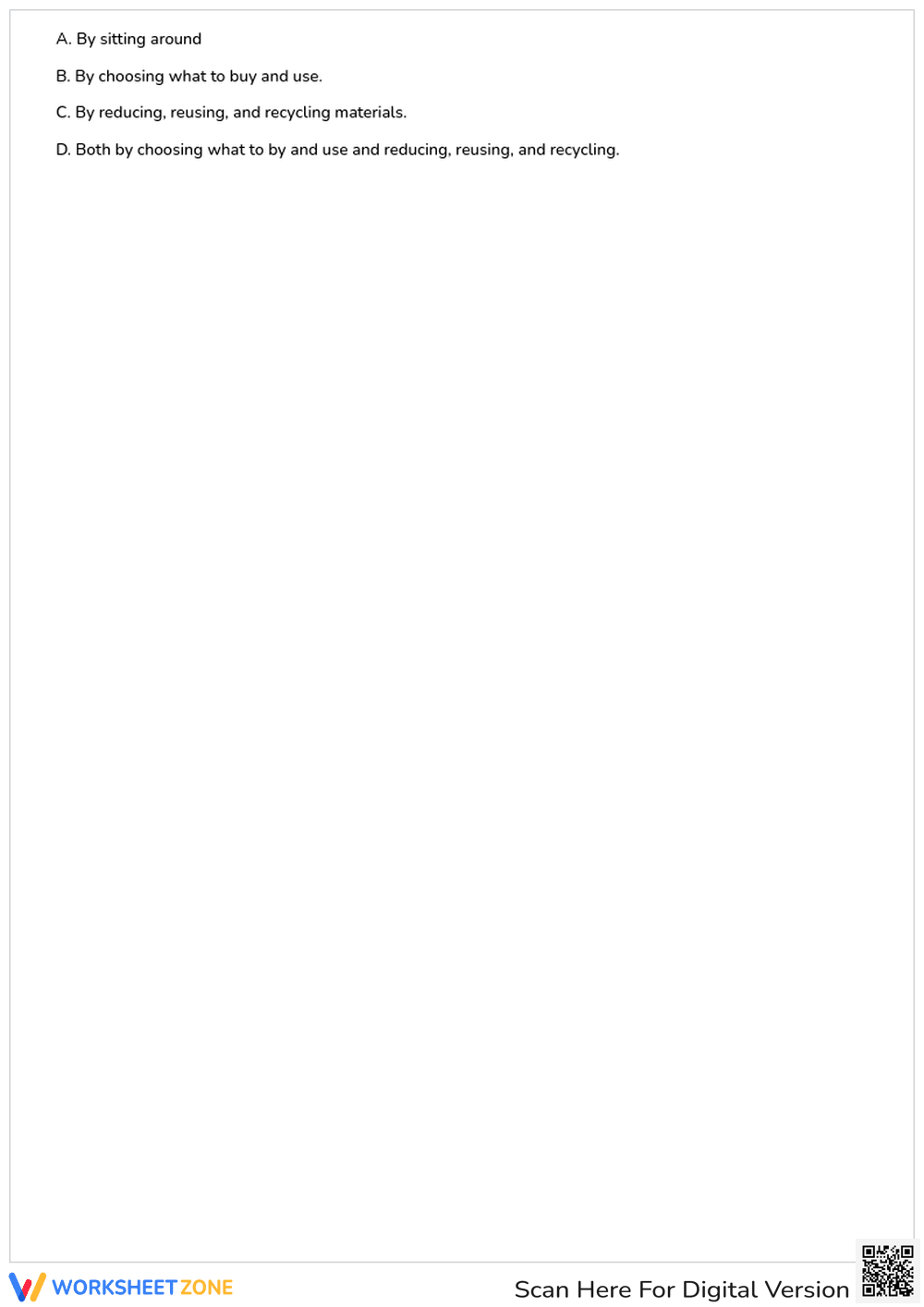
The worksheet focuses on economics, policy, and the future. It likely includes questions, activities, or scenarios related to economic concepts, government policies, and their impact on future outcomes. The specific tasks might involve analyzing economic data, evaluating policy proposals, or predicting future economic trends.
Grade Level Suitability:
Suitable for high school students (grades 9-12) and possibly introductory college courses. The subject matter requires a level of critical thinking and understanding of complex social and economic systems that is generally developed in higher grades.
Why Use It:
This worksheet helps students develop critical thinking skills by analyzing economic policies and their potential future impacts. It fosters an understanding of how government decisions influence economic outcomes and encourages students to consider the long-term consequences of various policies. It also helps students understand the relationship between economics, policy, and societal well-being.
How to Use It:
Students can use the worksheet to answer questions about economic concepts and policies. They may need to research specific policies or economic data to complete the tasks. Group discussions and debates based on the worksheet's prompts can also be effective.
Target Users:
High school students studying economics, government, or social studies, as well as college students in introductory economics or public policy courses. Educators teaching these subjects would also find it useful.
The worksheet focuses on economics, policy, and the future. It likely includes questions, activities, or scenarios related to economic concepts, government policies, and their impact on future outcomes. The specific tasks might involve analyzing economic data, evaluating policy proposals, or predicting future economic trends.
Grade Level Suitability:
Suitable for high school students (grades 9-12) and possibly introductory college courses. The subject matter requires a level of critical thinking and understanding of complex social and economic systems that is generally developed in higher grades.
Why Use It:
This worksheet helps students develop critical thinking skills by analyzing economic policies and their potential future impacts. It fosters an understanding of how government decisions influence economic outcomes and encourages students to consider the long-term consequences of various policies. It also helps students understand the relationship between economics, policy, and societal well-being.
How to Use It:
Students can use the worksheet to answer questions about economic concepts and policies. They may need to research specific policies or economic data to complete the tasks. Group discussions and debates based on the worksheet's prompts can also be effective.
Target Users:
High school students studying economics, government, or social studies, as well as college students in introductory economics or public policy courses. Educators teaching these subjects would also find it useful.


