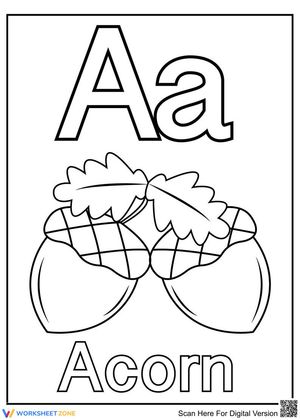
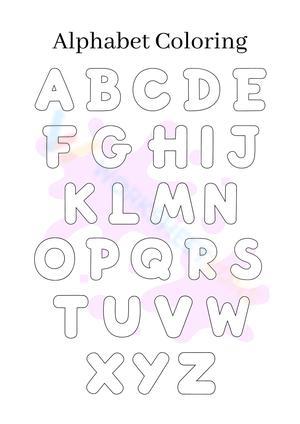
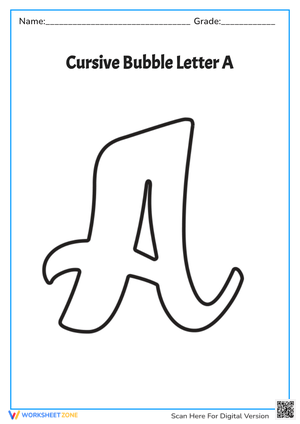
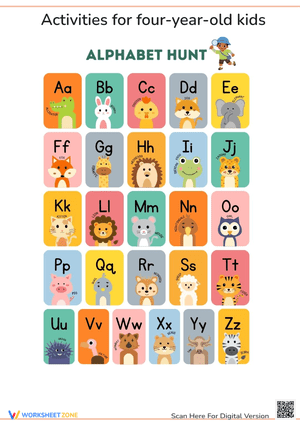
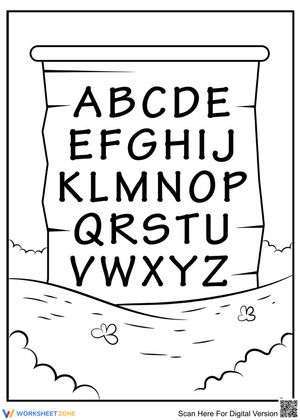
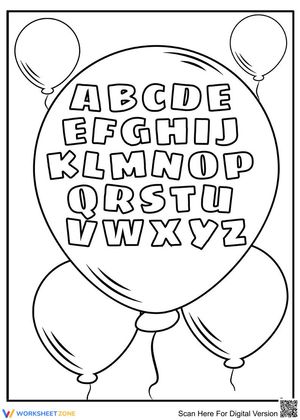
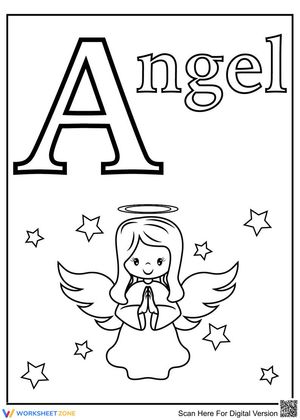
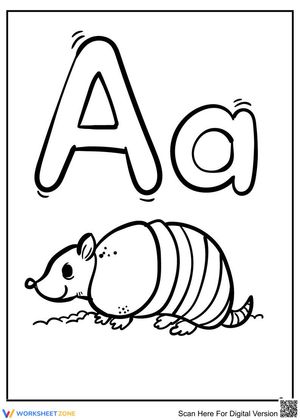
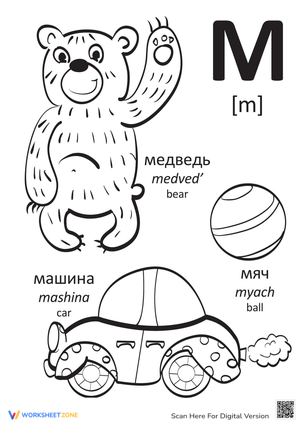
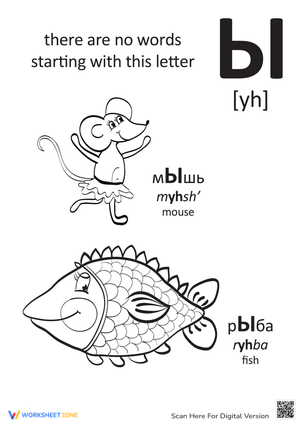
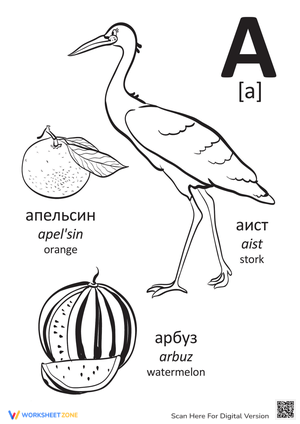
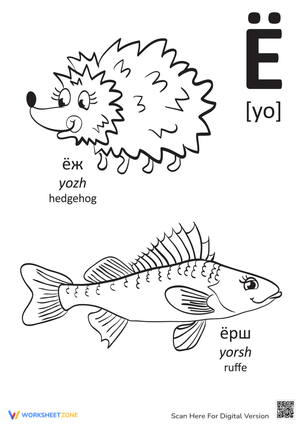
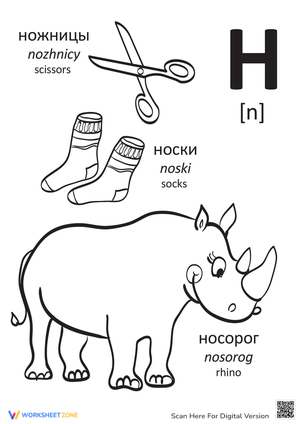
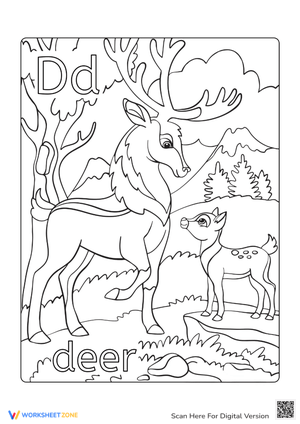
Alphabet coloring pages sit at a unique intersection of artistic expression and foundational literacy development. When young learners pick up a crayon and begin tracing the contours of a letter, they are not simply filling in a shape - they are building the neural pathways that support letter recognition, phonemic awareness, and early reading readiness. This type of multisensory engagement is well-supported by developmental research, which consistently shows that children retain letter knowledge more effectively when learning involves both visual attention and physical movement. Worksheetzone designs these printable resources with those cognitive milestones in mind, ensuring that every page serves a meaningful purpose in your classroom or home learning environment.
The scaffolded approach embedded in alphabet coloring pages allows teachers and parents to guide learners from dependence toward independence in a natural, low-pressure way. Initially, a child may need an adult to name each letter as they color, pointing out distinctive features like the two bumps of a capital B or the tail of a lowercase g. Over time, the child begins to make those identifications independently, demonstrating the kind of self-directed recognition that signals true letter mastery. This progression from guided practice to independent application is a cornerstone of effective early literacy instruction, and Worksheetzone materials are structured to support each stage of that journey without overwhelming young minds.
Beyond letter recognition, alphabet coloring pages provide consistent fine motor practice that directly supports later handwriting development. The act of carefully staying within a printed outline demands pencil control, grip stability, and hand-eye coordination - all skills that transfer directly to forming legible letters on paper. Research in occupational development confirms that children who engage in regular fine motor activities show stronger handwriting outcomes in primary school. For a broader set of printable activities that build on these same motor foundations, the collection of preschool alphabet activities at Worksheetzone offers complementary exercises that pair well with coloring practice in any lesson plan.
Visual organization is another cognitive skill that alphabet coloring pages quietly strengthen session by session. When a student focuses on a single letter spread across a page, they are practicing sustained visual attention - the capacity to isolate relevant information from surrounding distractions. This kind of focused engagement builds the mental stamina that young learners need to succeed in longer reading and writing tasks. Teachers can extend this benefit by pairing coloring activities with structured discussion, asking students to name words that begin with each letter they complete. For hands-on practice that takes letter learning even further, Worksheetzone's alphabet handwriting worksheets offer a natural next step from coloring to writing for students who are ready to advance.
The cumulative developmental benefits of working through a full set of alphabet coloring pages are considerable. Students gain familiarity with all 26 letters through repeated, enjoyable exposure rather than rote memorization drills. They develop the fine motor readiness, visual discrimination, and sustained attention that form the bedrock of early academic success. For teachers building a letter-of-the-week curriculum and for parents looking to reinforce classroom learning at home, Worksheetzone provides printable alphabet coloring pages designed to meet learners exactly where they are and carry them confidently toward the next milestone.
Frequently Asked Questions
Question 1: How do alphabet coloring pages support early literacy development?
Alphabet coloring pages support early literacy by combining visual attention with physical movement, creating a multisensory learning experience. When children color individual letters, they study each letter's unique shape and features, which strengthens recognition and recall. This kind of active engagement builds the letter knowledge foundation that young learners need before progressing to reading and writing tasks in the classroom.
Question 2: What age group benefits most from alphabet coloring pages?
Children between the ages of 3 and 6 typically benefit most from alphabet coloring pages, as this period aligns with the critical window for early literacy acquisition and fine motor development. Preschool and kindergarten students gain the most from regular coloring practice, though first-grade students who need additional letter reinforcement also find these printable materials useful for targeted skill review and confidence-building.
Question 3: How can teachers use alphabet coloring pages in a classroom setting?
Teachers can integrate alphabet coloring pages into letter-of-the-week units, morning warm-up routines, or literacy stations. Pairing each coloring session with a brief discussion about letter sounds, associated vocabulary words, or student names that begin with the featured letter strengthens the phonemic awareness connection. Finished pages also make excellent classroom displays that reinforce the learning environment and celebrate student achievement throughout the school year.
Question 4: Can parents use alphabet coloring pages for home learning?
Yes, parents can use alphabet coloring pages effectively as part of a home learning routine. Printing one letter per session and combining it with a simple activity - such as finding objects around the house that start with that letter - creates an engaging and educational experience. Worksheetzone provides printable alphabet coloring pages that are easy to access and use at home, making consistent letter practice straightforward for families supporting early literacy development.












 Interactive Worksheet Maker
 Quiz Maker
 Word Search Maker
 Crossword Puzzle Maker
 Word Scramble Generator
 Sentence Scramble Generator
 Handwriting Worksheet Generator
 Name Tracing Generator
 Fill In The Blank Generator