The Learning Science Behind These Pages
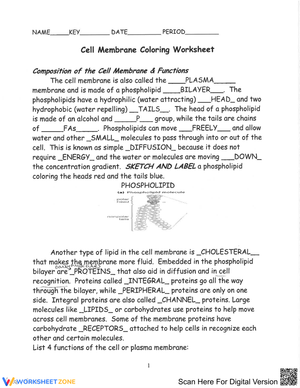
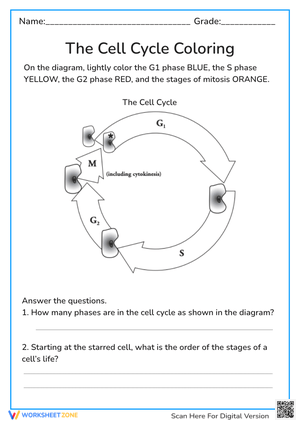
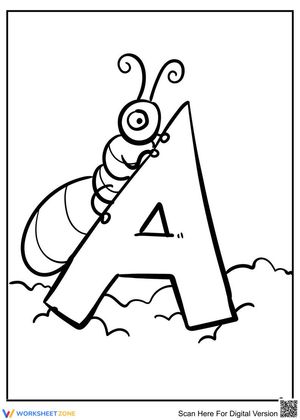
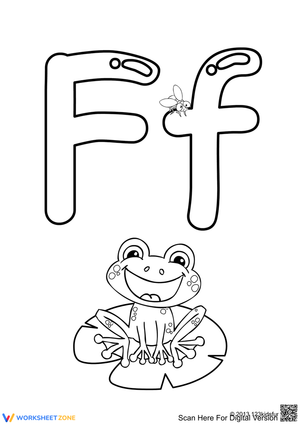
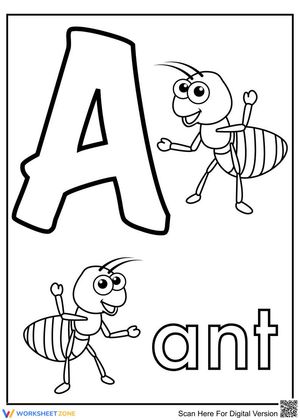
Educational coloring pages connect visual art to subject-matter learning in a way decorative sheets don't. A child coloring a labeled water cycle diagram or tracing uppercase and lowercase letter pairs builds fine motor control while absorbing academic content simultaneously. Cognitive scientists call this dual coding — when visual and verbal information arrive together, the brain forms stronger memory traces than text alone creates.
Worksheetzone's collection spans the core subjects taught in US classrooms: phonics and alphabet tracing, number recognition, basic geometry shapes, US and world map labeling, solar system diagrams, animal classification, and introductory human body systems. Each page presents one clear learning target alongside the coloring task, keeping the activity purposeful.
Subjects and Skill Levels Across the Collection
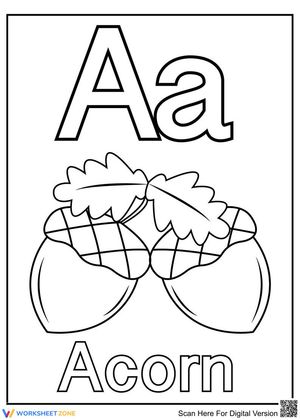
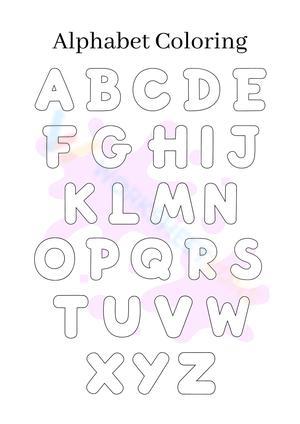
The collection covers both pre-K basics and upper elementary content. A kindergartner can trace letter pairs or fill counting grids from 1 to 20; a third-grader can work through a labeled state map, fraction diagrams, or a cross-section of a flowering plant with parts to color and identify. Large open outlines suit crayons and chunky markers; finer linework pages work better with colored pencils.
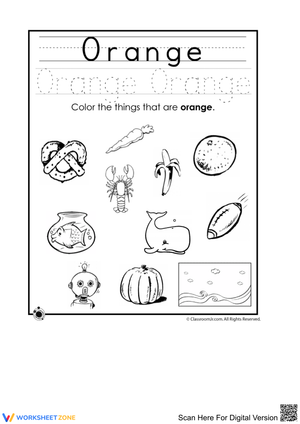
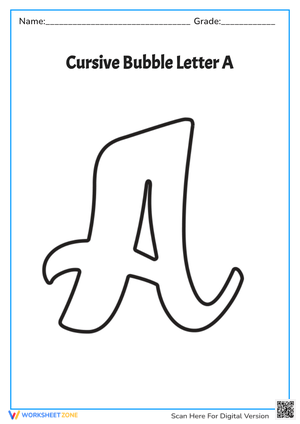
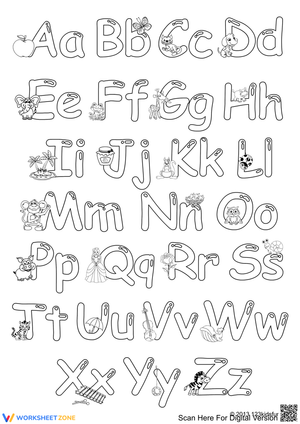
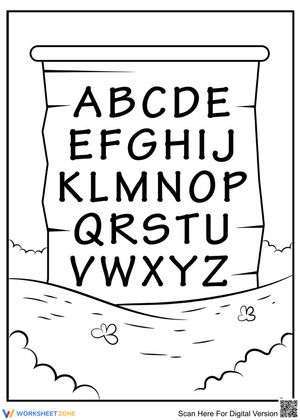
- Alphabet and phonics: letter tracing, beginning sound matching, vowel identification
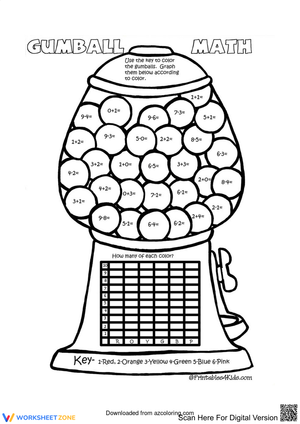
- Math: counting scenes, shape recognition, fractions, place value charts
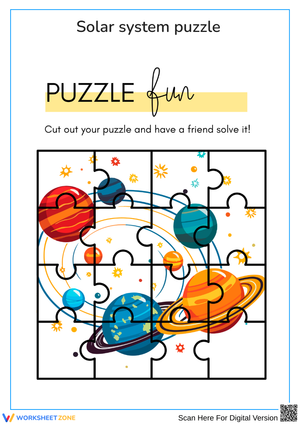
- Science: life cycle diagrams, plant anatomy, solar system, weather and water cycles
- Social studies: US and world maps, community helpers, national holidays
Who Uses These Sheets and How
Elementary teachers use educational coloring pages as early finisher tasks, lesson warm-ups, or take-home review sheets. A teacher finishing a solar system unit might hand out a planet-labeling page — kids reinforce planet names and orbital order while coloring. Homeschool parents build themed packets by pairing a labeled ocean zones diagram with a habitat sorting page for a week on ocean life.
At home, these sheets offer a screen-free alternative for busy weekday afternoons while reinforcing school subjects. On Worksheetzone, every visitor can download one sheet free per day — no login required. After that, watermarked versions are available at no cost with a free Worksheetzone account, or subscribe from $0.99 per week for watermark-free printing.
Frequently Asked Questions
What subjects does Worksheetzone's collection cover?
The printables span alphabet and phonics, early math, science topics like plant anatomy and the solar system, US and world geography, and social studies themes like community helpers and national holidays.
What age range are these sheets best suited for?
Most educational coloring pages on Worksheetzone suit ages 3 to 10, with simple tracing and counting pages for preschool through kindergarten and more detailed labeling sheets for grades 2 through 5.
What paper and print settings work best for classroom use?
Standard 8.5 x 11 letter-size paper works for most pages. For sets you plan to laminate or reuse, printing on 60 lb cardstock keeps outlines crisp and prevents crayon or marker bleed-through.
Why does combining coloring with learning help children remember information?
It comes down to dual coding theory, developed by psychologist Allan Paivio in 1971. When children process information through both visual and verbal channels simultaneously, the brain builds stronger memory connections than text-only study creates.












 Interactive Worksheet Maker
 Quiz Maker
 Word Search Maker
 Crossword Puzzle Maker
 Word Scramble Generator
 Sentence Scramble Generator
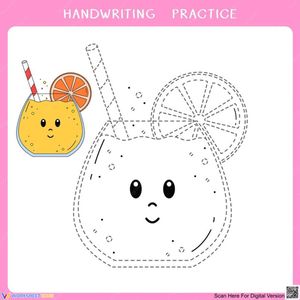
 Handwriting Worksheet Generator
 Name Tracing Generator
 Fill In The Blank Generator