




















Critical thinking activities are analytical exercises that help children move beyond rote memorization to evaluate information and make evidence-based decisions. These activities refer to problem-solving tasks, debate circles, and logical puzzles designed for students in grades PreK–12. Worksheetzone provides these resources to ensure young learners develop the essential reasoning skills required for academic and real-world success.
What is critical thinking?

Critical thinking is the ability to analyze facts, evaluate evidence, and form a reasoned judgment. It involves questioning assumptions and looking at problems from multiple perspectives rather than accepting information at face value. For students, this means moving from “what” to “how” and “why.”
Research from the Harvard Graduate School of Education emphasizes that these skills are not innate; they must be taught and practiced.
Developing critical thinking skills helps children:
- Become more independent and confident learners
- Question information instead of accepting it blindly
- Identify bias and weak arguments
- Solve problems using logic and evidence
- Make thoughtful decisions in school and everyday life
The critical thinking activities below are designed to strengthen these abilities step by step. Through discussion, problem-solving, and reflection, children learn how to think more deeply and clearly in both classroom and real-world situations.
20+ critical thinking activities
Critical thinking activities foster children’s curiosity and analytical skills through hands-on exploration. In a classroom setting, these tasks work best when students feel safe to take risks and make mistakes. Most of these exercises take 10–15 minutes and align with the Partnership for 21st Century Skills framework.
1. Mystery bag inference

Mystery bag inference helps children practice observation and deductive reasoning. Place an everyday object in a bag and have students ask “yes or no” questions to guess the item based on its characteristics.
You can limit the number of questions to increase the challenge. Encourage them to explain why they think their guess is correct by referencing clues gathered during questioning.
2. Claim, Evidence, Reasoning (CER)
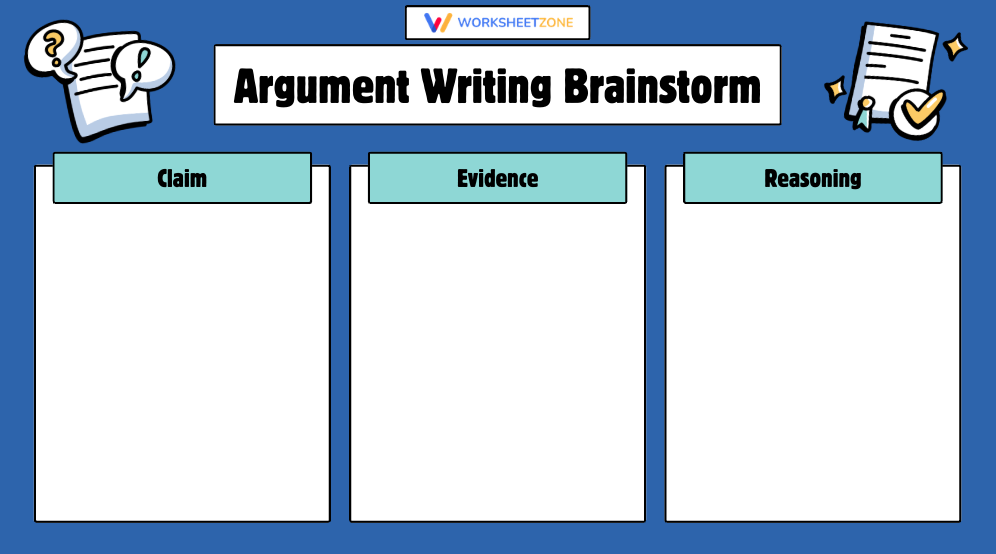
CER is a framework that teaches students how to support their ideas with logic. Ask a question, have students make a claim, provide specific evidence, and explain their reasoning clearly.
Model an example first so they understand how evidence connects to the claim. This strategy works well in science, reading comprehension, and even social studies discussions. Over time, students learn to support opinions with evidence rather than relying on guesswork.
3. Debate circles
Debate circles help children share ideas confidently and respect different viewpoints. Divide the class into small groups and assign each a different side of a simple, age-appropriate topic to discuss.
Give them time to prepare arguments before speaking.
Encourage active listening and require students to respond directly to someone else’s point.
The goal isn’t to “win,” but to practice analyzing different perspectives and defending ideas logically.
4. Problem-solving scenarios
Present real-life situations, such as reducing classroom waste or helping a struggling team member, and ask students to brainstorm solutions. Encourage them to evaluate each solution by discussing possible consequences. Ask questions like, “What might happen next?” or “Who would this affect?” This activity strengthens decision-making skills and helps children see the real-world impact of their choices.
5. What’s missing?
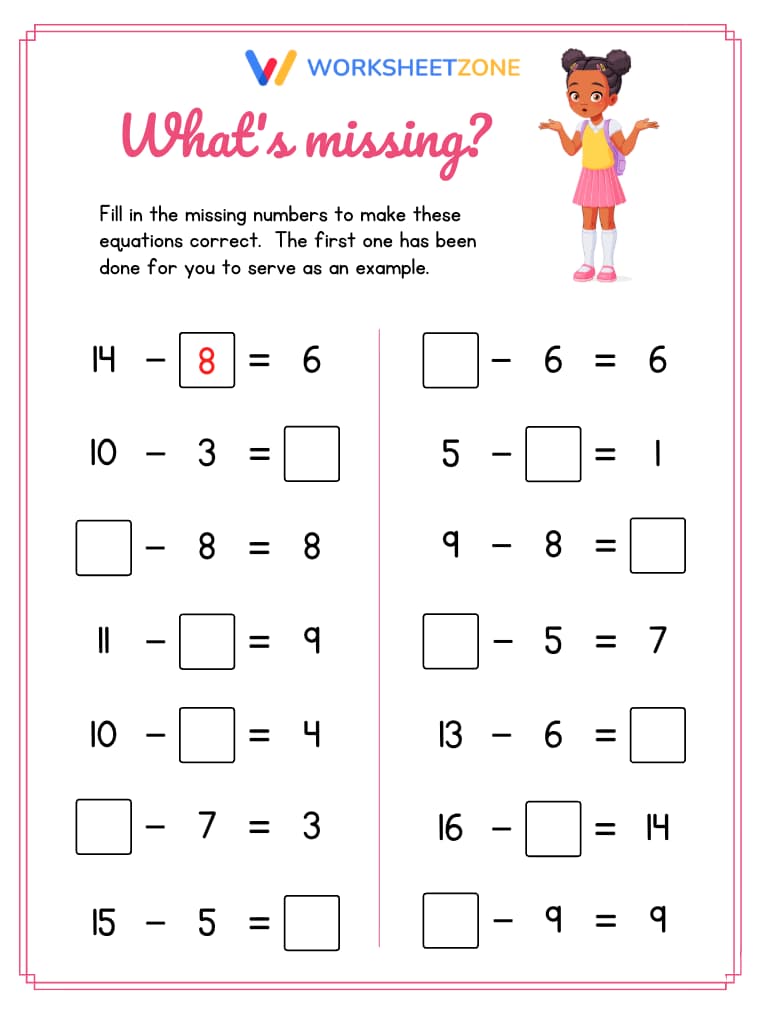
In this activity, students are given a story, a math problem, or a scenario that intentionally leaves out key information. Instead of immediately solving the task, they must pause and identify what details are missing and why those details matter. Encourage students to explain how the missing information affects their ability to make a conclusion. This approach trains them to slow down, read carefully, and recognize that strong reasoning depends on complete and accurate data.
6. Perspective swap
Perspective swap invites students to revisit a story, event, or issue from a completely different point of view. After reading a text or discussing a situation, ask students to rewrite or retell it from another character’s perspective. Guide them to think about emotions, motivations, and personal experiences that might shape that viewpoint. This activity strengthens empathy while encouraging students to analyze how perspective influences interpretation.
7. Fact vs. opinion sort

This activity helps students develop discernment in an age of overwhelming information. Provide a mix of factual statements and opinions, then ask students to categorize them while explaining their reasoning. Encourage discussion when disagreements arise, as this deepens understanding. You can extend the activity by asking students to transform opinions into evidence-based claims, reinforcing the importance of supporting ideas with proof.
8. Design a solution
This activity challenges students to identify a real-world problem in their classroom, school, or community and propose a thoughtful fix. Instead of jumping straight to ideas, guide them to analyze the root cause of the problem first. Students can sketch designs, outline action steps, or present proposals. This activity combines creativity with structured thinking and helps children see how analytical skills translate into practical solutions.
9. Ranking challenge
Provide a list of options, such as survival items, leadership qualities, or environmental solutions, and ask students to rank them from most to least important. What makes this activity powerful is not the ranking itself but the justification behind it. Encourage students to defend their choices using clear reasoning and examples. Through discussion, they learn that priorities can differ depending on the criteria and context.
10. Cause and effect chains
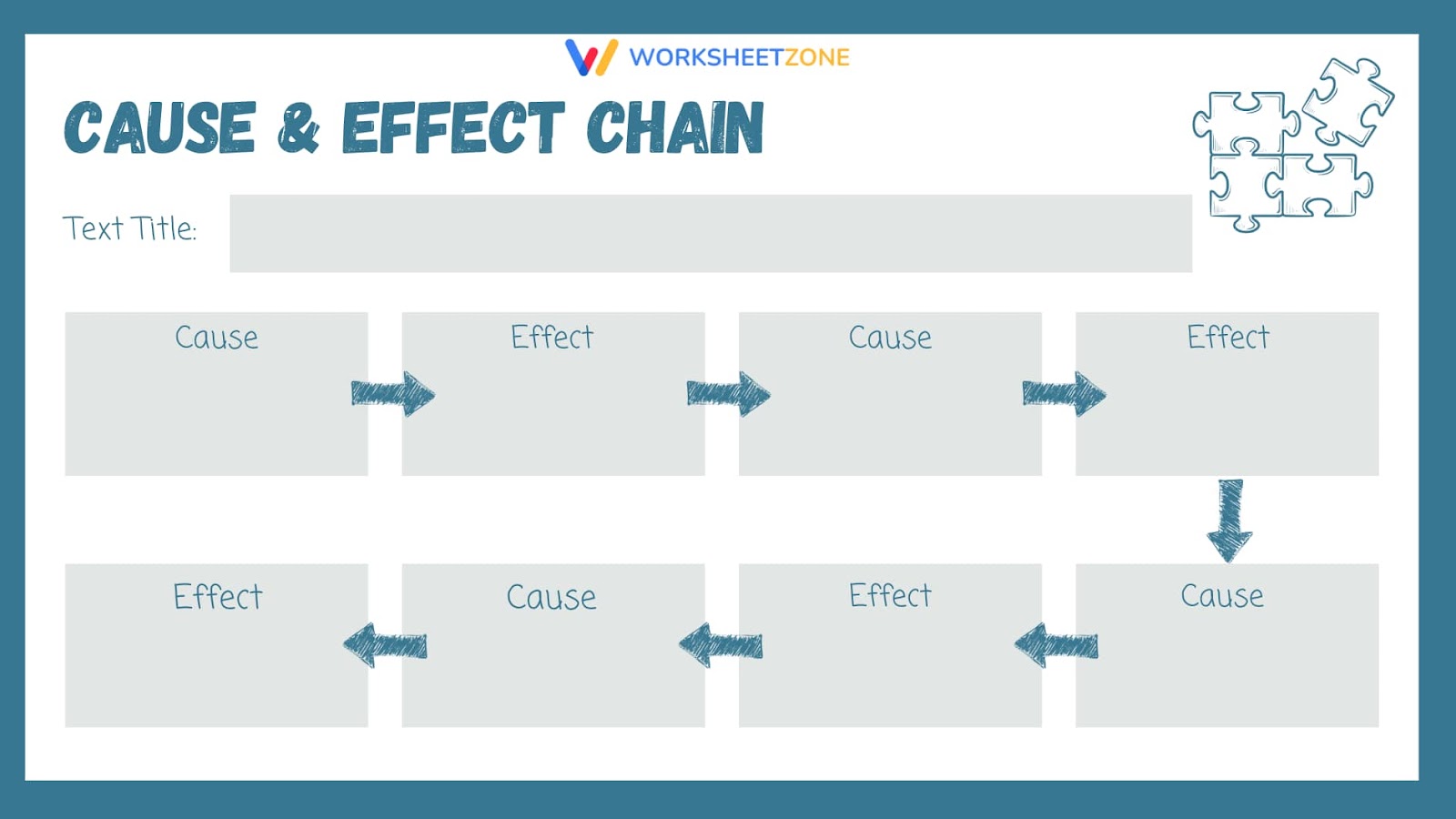
This activity helps students see the bigger picture by mapping how one event leads to another. Whether exploring historical events, scientific processes, or social situations, ask students to create a visual chain that explains how outcomes unfold over time. Prompt them to consider indirect effects as well, which encourages deeper analysis and prevents oversimplified conclusions.
11. Question the author
Rather than simply answering comprehension questions, students take on a more investigative role by questioning the author’s purpose, tone, and assumptions. After reading a passage, ask them what the author wants the reader to believe and what evidence supports that message. This strategy encourages active reading and strengthens analytical thinking by moving beyond surface-level understanding.
12. Crossword puzzles

Puzzles are a powerful way to strengthen reasoning and problem-solving skills. Include brainteasers, pattern challenges, and especially crossword puzzles that require students to analyze clues carefully before completing the grid. Ask them to explain how they interpreted each clue and why a word fits logically. By prioritizing reasoning over speed, students strengthen analytical habits and learn to approach challenges with patience and strategy.
You can use a Crossword Puzzle Maker to quickly create customized crossword activities to git your lesson goals.
13. Compare and contrast

When students compare and contrast two ideas, texts, or concepts, they begin to notice patterns and deeper relationships. Encourage them to move beyond obvious similarities and differences by analyzing themes, structure, or purpose. Graphic organizers such as Venn diagrams can help organize thoughts, but meaningful discussion about why differences exist is what truly strengthens critical thinking.
14. Ethical dilemmas
Ethical dilemmas present students with situations where there is no easy answer. After introducing a scenario, invite students to discuss possible choices and their consequences. Encourage them to consider multiple viewpoints and justify their decisions thoughtfully. This activity develops moral reasoning while reinforcing respectful dialogue.
15. Data interpretation
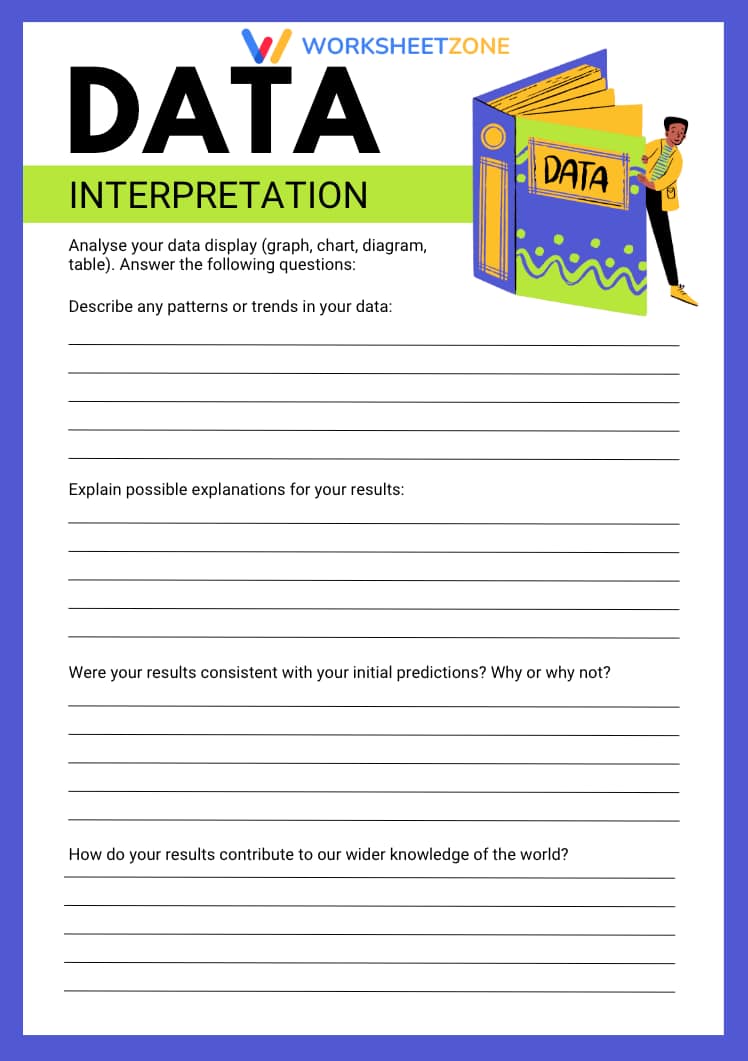
Provide students with charts, graphs, or data tables and ask them to analyze trends, patterns, and possible implications. Instead of simply identifying numbers, prompt them to explain what the data suggests and why it matters. By connecting evidence to conclusions, students practice analytical thinking that mirrors real-world decision-making.
16. Error analysis
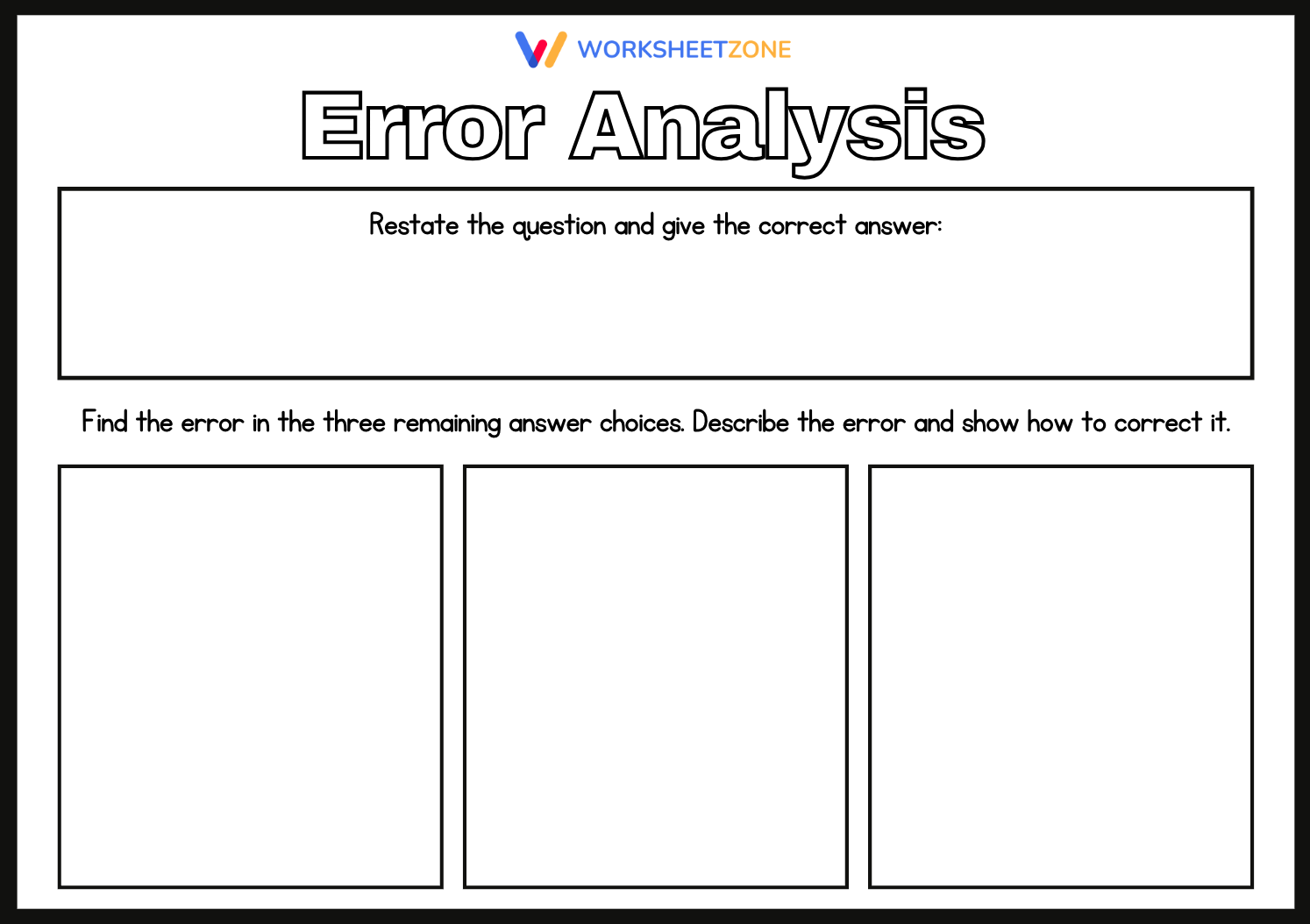
In this activity, students examine a solution that contains deliberate mistakes. Rather than passively correcting answers, they must identify where the reasoning went wrong and explain how to fix it. This approach strengthens metacognition because students reflect on thinking processes, not just outcomes. It also reduces fear of mistakes by reframing them as learning opportunities.
17. Socratic seminar

A socratic seminar shifts responsibility for discussion from the teacher to the students. After reading a shared text or exploring a topic, students engage in a structured dialogue guided by open-ended questions. As a facilitator, your role is to encourage deeper probing and ensure respectful participation. This format promotes thoughtful listening, evidence-based responses, and collaborative reasoning.
18. If-then predictions
Present students with hypothetical changes and ask them to predict outcomes using “If … then …” reasoning. Encourage them to explore multiple possibilities rather than settling on one answer. This exercise strengthens foresight and helps students understand how small changes can influence larger systems.
19. Reverse thinking
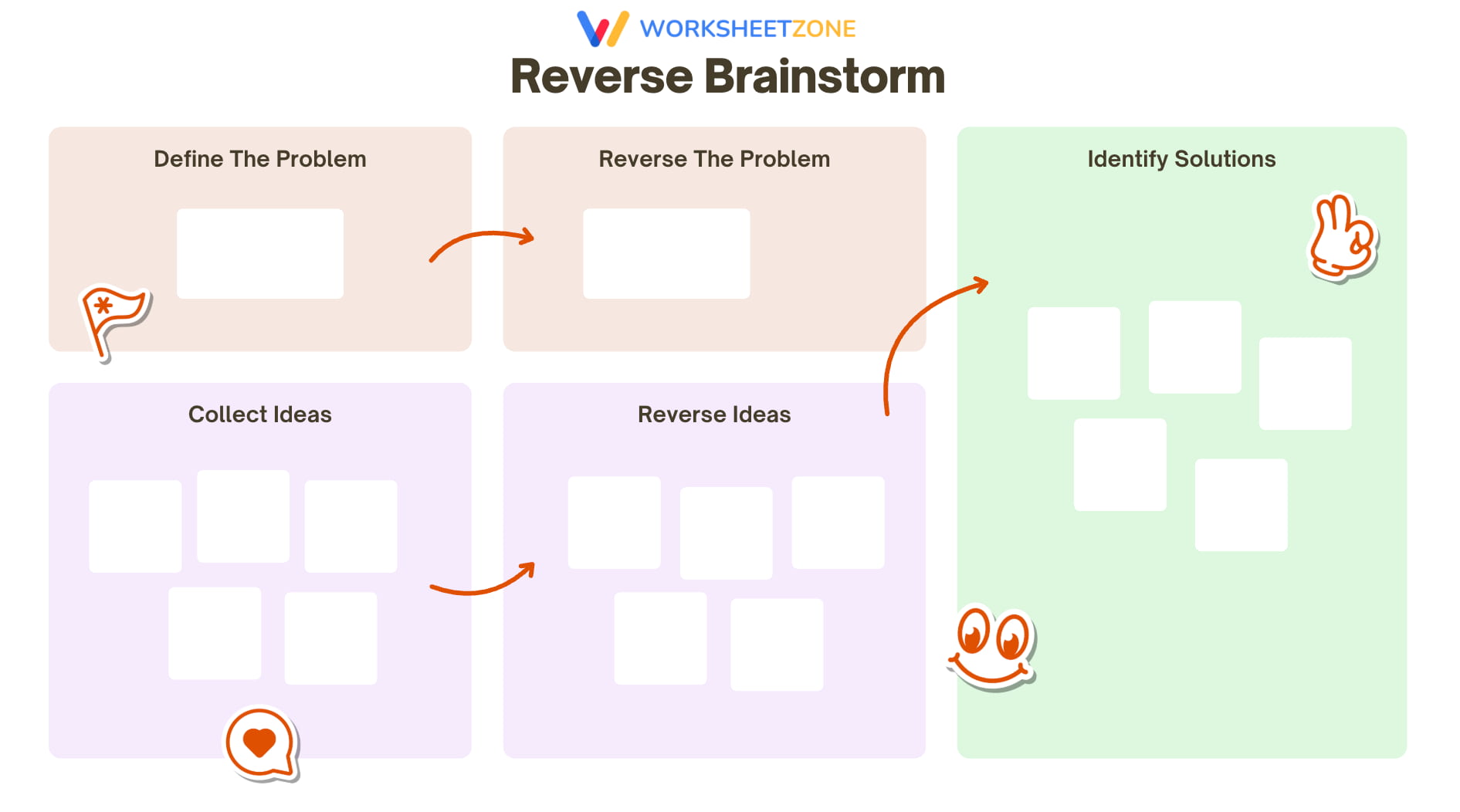
Reserve thinking invites students to approach problems from an unconventional angle. Instead of asking how to solve an issue, challenge them to think about how the problem might worsen. Once they generate these ideas, guide them to reverse the logic into constructive solutions. This method promotes flexible thinking and reveals insights that traditional brainstorming may overlook.
20. Assumption detective
Assumption detective activity teaches students to question what is often left unsaid. Present a statement or scenario and ask students to uncover hidden assumptions. Through guided discussion, they evaluate whether those assumptions are supported by evidence or based on bias. This activity builds intellectual curiosity and sharper analytical awareness.
21. Build the strongest argument
Encourage students to defend a position thoroughly, even if it differs from their personal opinion. By researching evidence and constructing logical reasoning, they learn to understand multiple sides of an issue. This activity strengthens persuasive skills while fostering intellectual empathy and open-minded thinking.
22. Spot the bias
In the “Spot the bias” activity, students analyze articles, speeches, or advertisements to identify persuasive techniques and one-sided language. Guide them to examine word choice, tone, and missing perspectives. This activity develops media literacy and helps students become more thoughtful consumers of information.
23. Multiple solutions challenge
Present a complex problem and require students to generate several possible solutions before selecting the most effective one. Encourage them to weigh the advantages and disadvantages of each option. By evaluating alternatives rather than accepting the first idea, students practice flexible and strategic thinking that prepares them for real-world problem-solving.
Frequently Asked Questions (FAQs)
1. Are these critical thinking activities free?
Yes, Worksheetzone offers a wide range of free critical thinking resources, including printable templates and digital guides for grades PreK–12. While some advanced curriculum sets may require a subscription, the foundational activities are accessible to all. We believe that every child deserves the tools to become a confident, independent thinker.
2. What age is best to start teaching critical thinking?
You can begin introducing basic critical thinking concepts as early as age 4 using simple categorization and “what’s missing” games. As children grow, the complexity of the tasks increases to include evidence-based reasoning and ethical analysis. Worksheetzone provides age-appropriate resources tailored for every developmental stage.
3. How do these activities help with school performance?
Critical thinking activities improve academic performance by teaching students how to approach complex problems methodically. These skills are essential for mastering subjects like math, science, and reading comprehension. Research shows that students with strong reasoning skills perform significantly better on standardized assessments and project-based learning.
4. Can parents use these activities at home?
Absolutely. Most Worksheetzone activities are designed to be “grab-and-go,” requiring minimal materials like common household items or basic craft supplies. They are perfect for homeschooling or as engaging alternatives to traditional homework. Short, 15-minute sessions are enough to keep your child’s curiosity alive and active.
Final thoughts
Critical thinking activities for kids play an essential role in shaping well-rounded, confident learners. From mystery bag inferences to ethical dilemmas, each category supports different areas of mental growth. The most effective activities balance fun and learning while allowing children to explore their interests. When chosen thoughtfully, these tasks inspire curiosity, strengthen logic, and prepare young learners for long-term success.


