Enrichment activities for kids are structured learning experiences that go beyond standard classroom lessons to deepen knowledge and build confidence. These activities refer to programs in STEM, literacy, and creative arts that help students in grades PreK–12 explore new interests. Worksheetzone provides these resources to ensure young learners build the skills needed for long-term academic and personal success.
What are enrichment activities?

Enrichment activities are structured learning experiences that go beyond regular classroom lessons. They help children explore interests, build advanced skills, and develop confidence in a supportive environment. Unlike tutoring, enrichment focuses on expanding knowledge and encouraging curiosity rather than simply improving grades.
Enrichment activities are designed to deepen learning, strengthen critical thinking, and nurture creativity. According to the National Association for Gifted Children (NAGC), these structured programs are vital for developing a student’s full potential. These activities allow children to discover strengths, develop independence, and enjoy learning in a meaningful way.
STEM enrichment activities for kids
STEM enrichment activities foster children’s curiosity, logical thinking, and real-world problem-solving skills through hands-on exploration. In a classroom setting, these activities work best when students are encouraged to ask “why” before “how.”
Coding & robotics
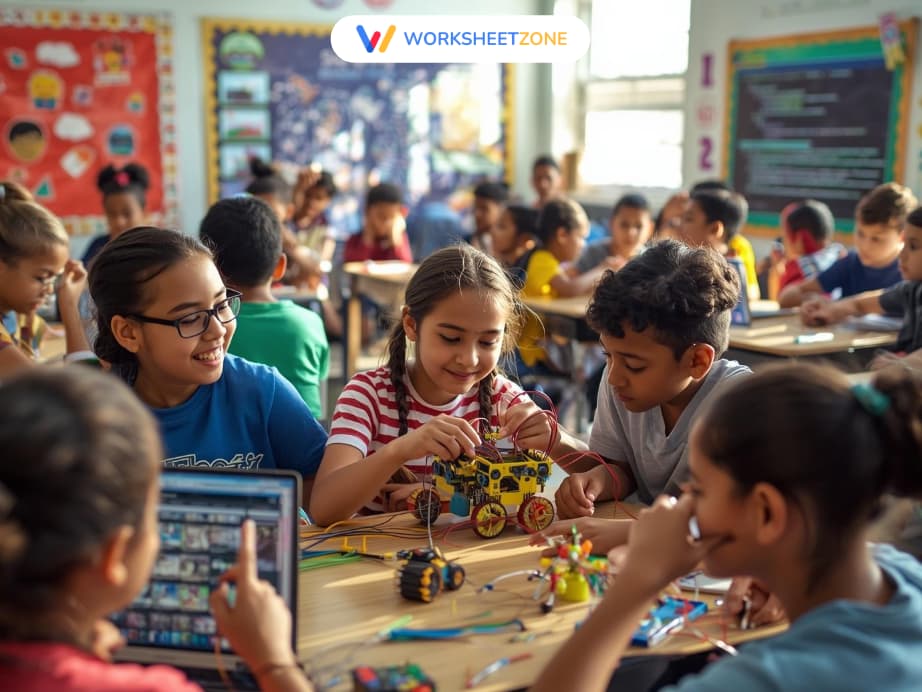
Coding and robotics help children understand how technology works while building logical thinking skills. Using block-based platforms, children in grades 2-6 can build simple animations in 15-20 minutes, satisfying foundational computer science standards.
- Beginner coding platforms: Introduce children to a block-based coding website or app and guide them through building a simple animation or game step by step. Encourage them to test and fix mistakes to understand how coding logic works.
- Robotics kits: Provide a beginner robotics kit and help children assemble the robot by following instructions. Once built, guide them in programming simple movements or tasks.
- Game design challenges: Ask children to design a basic game idea on paper first, including characters and rules, then use simple software to build a playable version.
Science experiments

Science experiments make learning exciting by allowing children to explore and discover real-world concepts. Typically, a simple kitchen chemistry experiment takes 20–30 minutes and satisfies standards like NGSS 2-PS1-1.
- Kitchen chemistry experiments: Set up safe materials like baking soda and vinegar, and ask children to predict what will happen before mixing them; then, discuss the reaction and why it occurred.
- Plant growth investigation: Have children plant seeds in different conditions (light vs. shade, more vs. less water). Ask them to record observations daily and compare results.
- Simple circuit projects: Provide batteries, wires, and small bulbs, and guide children in connecting the circuit correctly to light the bulb. Encourage them to experiment with different arrangements.
Math enrichment activities
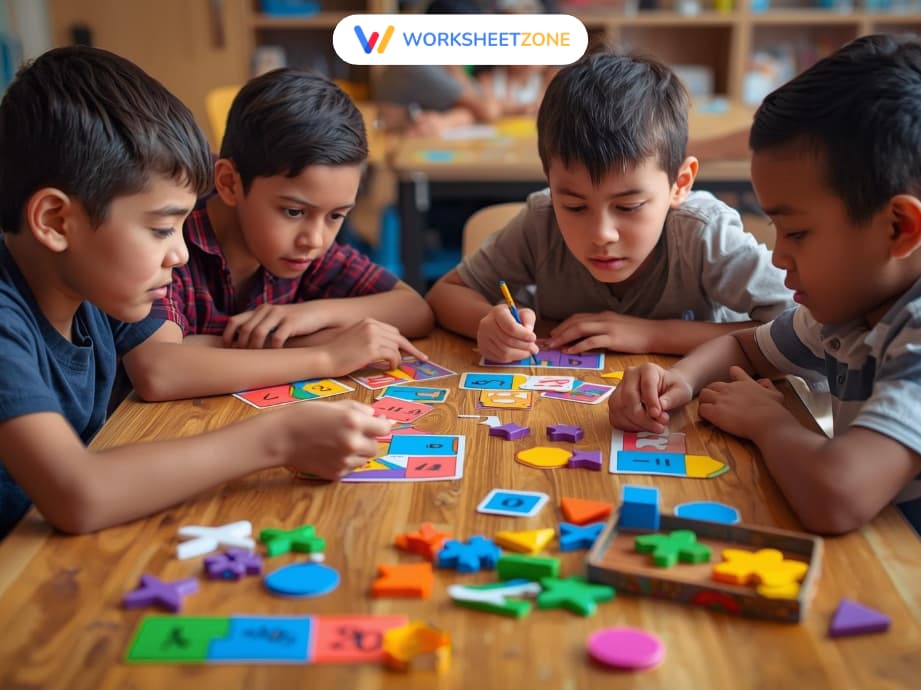
Math enrichment activities move beyond routine practice to focus on problem-solving and critical thinking. They help children apply math concepts in real-life situations.
- Logic puzzle challenges: Give children age-appropriate brain teasers or number puzzles and allow them time to solve independently. Discuss different solving strategies afterward.
- Budgeting simulation: Assign children a small fictional budget and ask them to plan a party or purchase items. Have them calculate costs and explain their decisions.
Technology exploration
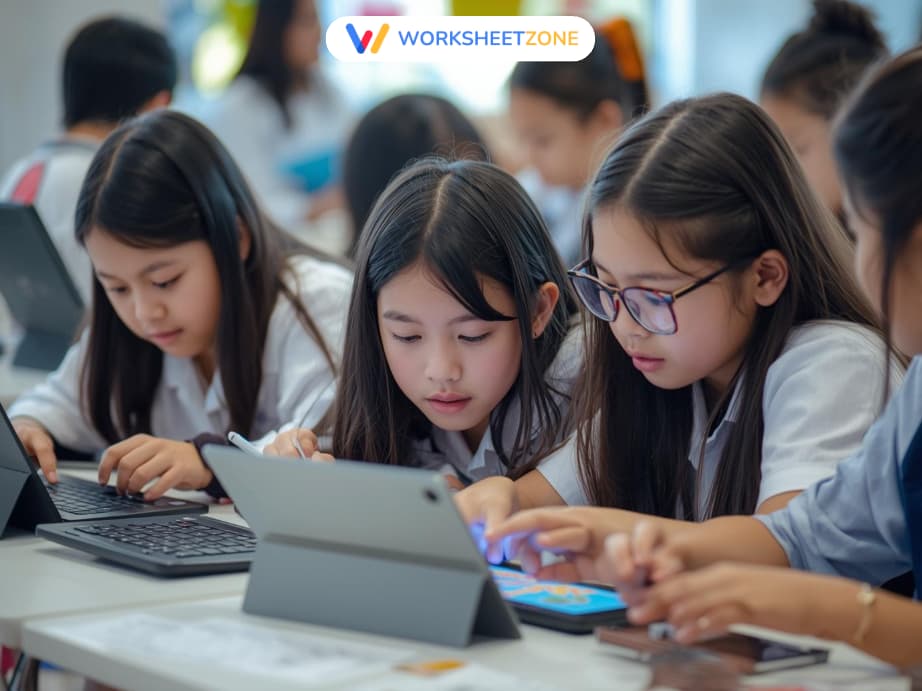
Technology-focused enrichment activities prepare kids for the digital world. These activities build creativity and innovation skills.
- Digital art creation: Introduce a beginner-friendly design tool and show kids how to create a poster or digital drawing; then, encourage them to experiment with colors and layout.
- App design projects: Ask children to sketch an app idea, including what problem it solves and how it works.
Language & literacy enrichment activities
Language and literacy enrichment activities help kids improve reading, writing, and communication skills. These activities are essential for meeting Common Core English Language Arts standards.
Crossword activities
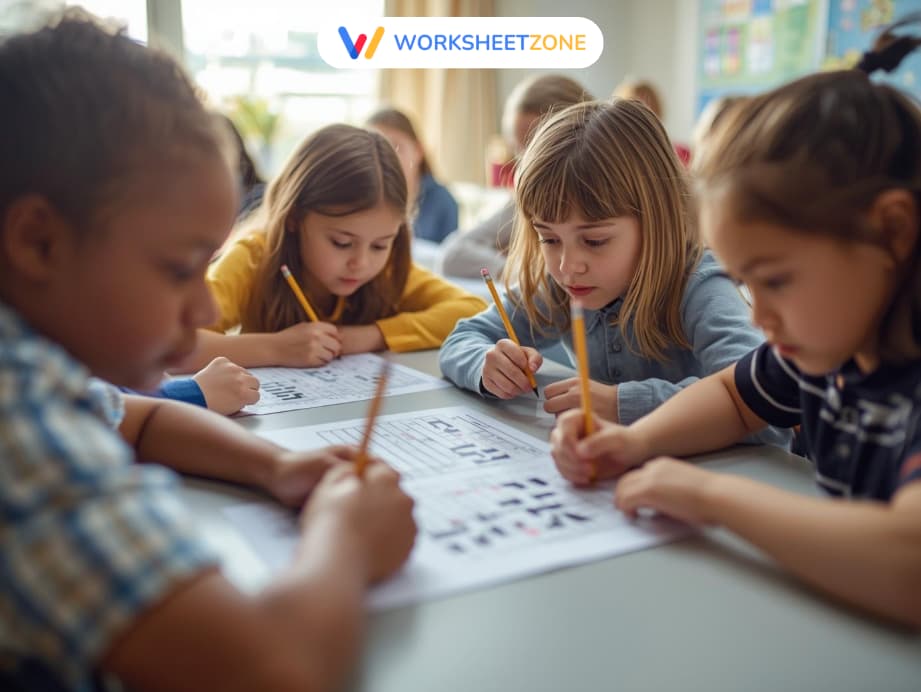
Crossword activities make vocabulary practice interactive and enjoyable. A common mistake students make is focusing solely on spelling—address this by encouraging “free-writing” sessions where vocabulary discovery is the goal.
- Themed vocabulary crosswords: Create or print a crossword puzzle based on weekly vocabulary words and have children solve it independently or in pairs.
- Classroom crossword competitions: Divide children into small teams and give them a timed crossword challenge.
- Create-your-own crossword: Kids design their own puzzles using vocabulary they have learned with the help of the Crossword Puzzle Maker. Then have classmates swap puzzles and try solving them.
Reading enrichment activities

Reading enrichment activities encourage deeper understanding and thoughtful discussion. By engaging with diverse texts, children build the empathy and clarity needed for social success.
- Book club discussions: Assign a short book or chapter and prepare discussion questions. Encourage kids to share opinions and support their ideas with examples from the text.
- Reader’s theater: Choose a short script or story and assign roles to each child. Practice reading with expression before performing for a small audience.
- Character diary writing: After reading a story, ask children to write a diary entry from a character’s point of view. Encourage them to include feelings and motivations.
Word games & vocabulary challenges

Word games build vocabulary while keeping learning fun and engaging. For children in grades K-5, these challenges provide consistent, low-pressure opportunities to expand linguistic skills.
- Word-of-the-week challenge: Introduce a new word each week and ask children to use it in sentences during class or at home.
- Sentence scramble activity: Provide mixed-up sentences and ask children to rearrange the words into correct order.
- Synonym & antonym matching: Create matching cards with words and their synonyms or antonyms. Have children pair them correctly and explain their choices.
Creative enrichment activities
Creative enrichment activities allow children to express themselves through art, music, and storytelling. These activities foster emotional intelligence and the National Core Arts Standards for artistic expression.
Art & craft projects

Art and craft projects help children turn ideas into creative, hands-on work. We recommend pairing these activities with weekly reflections for students who need extra support in articulating their process.
- Recycled craft projects: Provide children with clean recyclable materials like cardboard, bottles, and paper rolls, then challenge them to create a useful or decorative item. Let them plan their design first, then cut, glue, and decorate their final product.
- Themed painting sessions: Choose a theme such as “under the sea” or “outer space”, and have children create their own artwork. Encourage them to explain their painting afterward to develop communication skills.
- DIY design challenges: Ask children to design something practical, like a bookmark or greeting card, using basic craft supplies. They should sketch their idea first, then create and decorate the final version.
Music & performing arts

Music and performing arts can build confidence and self-expression. Introducing students in grades 1-8 to drama club performances helps them overcome stage fright and develop public speaking skills.
- Instrument exploration: Introduce a simple instrument like a keyboard, recorder, or percussion instrument, and teach children a basic rhythm or short melody.
- Drama club performances: Have children choose a short script or story scene and assign roles. Guide them through rehearsals before presenting the final performance to classmates or family.
- Dance workshops: Teach children a simple choreographed routine step by step, then let them practice in small groups. Finish with a mini performance to build confidence.
Writing & storytelling

Writing and storytelling activities encourage imagination and clear communication. For students in grades 3-8, story prompt challenges are an excellent way to practice narrative structure.
- Story prompt challenges: Give a creative prompt, such as “A mysterious door appears in your room”, and ask them to write a short story. Encourage them to include a beginning, middle, and ending.
- Comic book creation: Ask children to divide a page into panels and create a short comic story with drawings and dialogue. Guide them to keep the storyline clear and easy to follow.
- Poetry writing activity: Introduce a simple poetry format like an acrostic or rhyming poem, then help children brainstorm ideas before writing their own piece.
Physical & outdoor enrichment activities
Physical and outdoor enrichment activities promote healthy habits and active learning. For children aged 6–12, spending at least 30 minutes outdoors daily is linked to improved focus.
Sports & fitness programs

Sports and fitness programs teach students teamwork, discipline, and perseverance. We recommend pairing this with cooperative games for students who are overly competitive.
- Team sports participation: Organize a small game such as soccer or basketball, explain basic rules, and divide kids into teams. Rotate positions so everyone practices different skills.
- Martial arts training: Teach children simple stances, basic movements, and controlled practice drills. Emphasize discipline, respect, and focus during each session.
- Kids’ yoga sessions: Guide children through beginner yoga poses and simple breathing exercises. Encourage slow movements and relaxation at the end of the session.
Nature-based activities
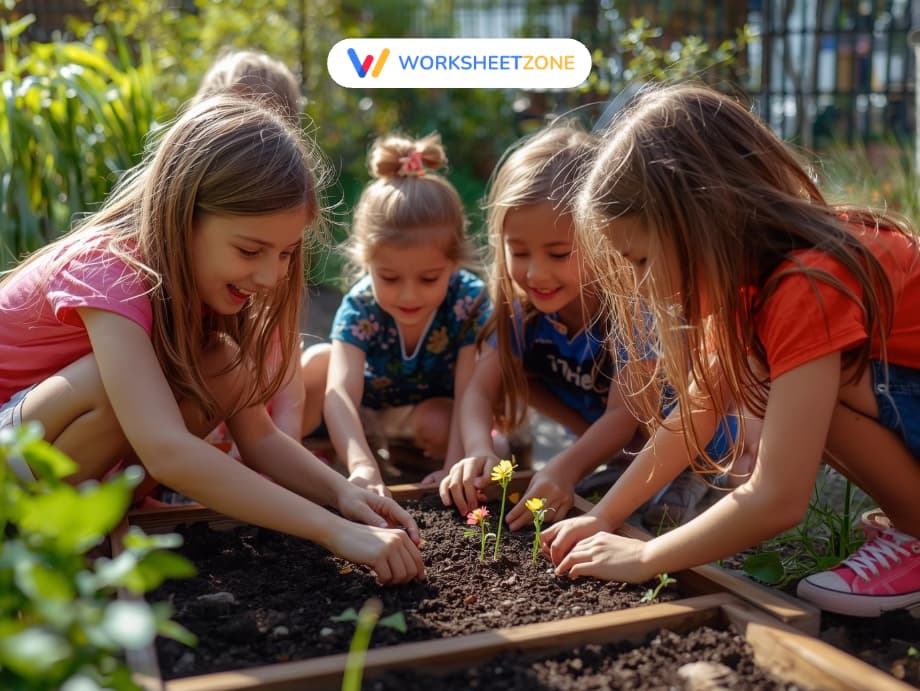
Nature-based activities help children explore and appreciate the outdoors. Gardening projects for students in grades K-5 provide hands-on experience with environmental science.
- Gardening projects: Help children plant seeds in pots or a small garden bed, then assign them regular watering and observation tasks. Encourage them to record growth changes in a journal.
- Nature scavenger hunt: Create a checklist of natural items like leaves, rocks, or flowers, and ask children to find them outdoors.
- Wildlife observation journals: Take kids outside to observe birds or plants, and have them draw or describe what they see in a notebook.
Adventure & exploration

Adventure activities build independence and problem-solving skills. Teaching students basic camping skills fosters resourcefulness and environmental awareness.
- Camping skills workshop: Teach kids basic skills like setting up a small tent or tying simple knots. Allow them to practice safely under supervision.
- Geocaching challenges: Show children how to use a GPS device or smartphone map to locate hidden objects. Encourage teamwork as they search for each location.
- Outdoor team challenges: Set up a simple obstacle course using cones or ropes, and divide kids into teams to complete the course together.
Leadership & life skills enrichment activities
Leadership and life skills enrichment activities prepare children for real-world responsibilities. These activities bridge the gap between academic theory and practical, everyday success.
Debate & public speaking

Debate and public speaking help children share ideas confidently. For students in grades 6-12, mock debate sessions improve critical thinking and persuasive communication skills.
- Mock debate sessions: Choose a simple topic and divide children into small groups with different viewpoints. Give them time to prepare arguments before presenting them respectfully.
- Speech presentation projects: Ask children to prepare a short presentation about a favorite hobby or topic. Guide them to organize their ideas and practice speaking clearly.
- Persuasive speaking challenge: Provide a scenario, such as convincing others to adopt a healthy habit, and let children prepare a short persuasive speech using clear reasons.
Entrepreneurship projects

Entrepreneurship projects encourage creativity and practical thinking. Mini business simulations teach children in grades 7-12 the fundamentals of economic responsibility.
- Mini business simulation: Have children brainstorm a simple product idea, create a name, and design a basic plan for selling it.
- Budget planning activity: Give kids an imaginary amount of money and ask them to plan how to spend it for a project or event.
- Product design challenge: Ask children to identify a small everyday problem and sketch a product that could solve it. Let them explain how it works and why it helps.
Volunteer & community service

Volunteer activities teach empathy and social responsibility. For students in grades 5-12, neighborhood cleanup projects foster a sense of civic duty and community connection.
- Neighborhood cleanup project: Organize a supervised cleanup day where children collect litter in a safe area. Discuss the importance of keeping the community clean.
- Charity drive organization: Help children plan a small donation drive by choosing items to collect and promoting it to others. Guide them in sorting and delivering donations.
- Peer tutoring program: Pair older children with younger ones for homework help sessions.
Looking for more ideas? Explore our guide to after school activities for even more fun and meaningful ways to support your child’s growth.
Frequently Asked Questions (FAQs)
1. Is the enrichment content on Worksheetzone free?
Yes, Worksheetzone offers a wide range of free enrichment activities, including printable worksheets and interactive worksheets for grades PreK–12. While some premium resources may require a subscription, the majority of our foundational content is accessible to all parents and teachers. We believe that every child deserves access to high-quality educational materials that spark curiosity and academic growth.
2. What grade levels do these enrichment activities cover?
Our activities are specifically designed for students in grades PreK–12, covering ages 4 to 18. Each resource is categorized by grade level to ensure that the content is age-appropriate and aligns with developmental milestones. Whether you are looking for simple sensory play for toddlers or complex STEM challenges for high schoolers, Worksheetzone has you covered.
3. How much time should a child spend on enrichment daily?
We recommend dedicating 20–30 minutes per day to structured enrichment activities to maintain engagement without causing burnout. Consistency is more important than duration; short, daily bursts of learning help reinforce new skills and keep curiosity alive. Many Worksheetzone activities are designed to be completed in these quick, manageable sessions.
4. Can these activities be used for both homeschooling and traditional homework?
Absolutely. All Worksheetzone resources are versatile enough to be used as primary curriculum supplements for homeschoolers or as engaging homework alternatives for traditional students. They are designed to bridge the gap between school and home, providing parents with the tools to support their child’s learning journey in any environment.
Final thoughts
Enrichment activities for kids play an essential role in shaping well-rounded, confident learners. From STEM exploration to creative arts, literacy practice, physical movement, and leadership development, each category supports different areas of growth. The most effective enrichment activities for kids balance fun and learning while allowing children to explore their interests. When chosen thoughtfully, these activities inspire curiosity, strengthen skills, and prepare young learners for long-term success.