




















How to make learning fun for kids is a question many parents and educators ask when children lose interest or motivation in lessons. Learning does not have to feel boring or stressful to be effective. When lessons are engaging, playful, and meaningful, kids are more likely to stay focused and remember what they learned. In this article, you’ll discover practical, research-backed methods that turn everyday lessons into enjoyable learning experiences for children of different ages.
10 practical ways to make learning fun for kids
Making learning enjoyable doesn’t require complex tools or major changes. Here are 10 simple and effective ways to make learning enjoyable for kids. Focus on simple, effective strategies that boost engagement, curiosity, and motivation in everyday lessons.
1. Hands-on activities
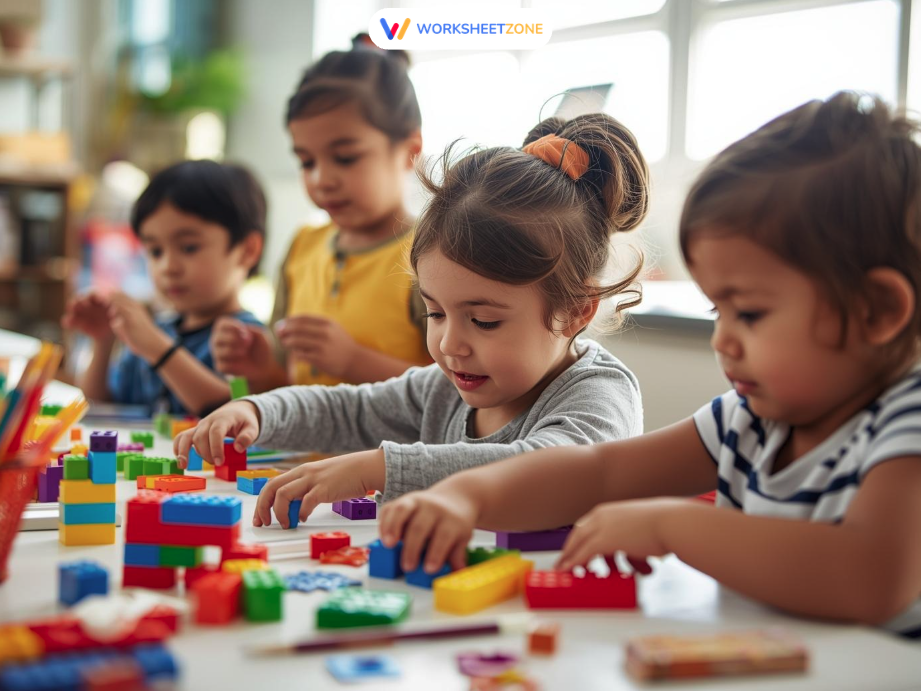
Hands-on activities allow kids to learn by doing rather than just listening or watching. When children build, experiment, or manipulate objects, they actively engage their senses and thinking skills. This approach helps them understand concepts more deeply and improves memory retention. Hands-on learning also boosts confidence because kids can see the results of their efforts. It is especially effective for science, math, and early literacy skills.
2. Incorporate play and games

Turning lessons into games is one of the most effective ways to keep kids motivated and focused. Game-based learning introduces fun elements like challenges, points, and rewards, which encourage active participation and persistence.
Research-backed approaches to gamification in education show that students are more engaged when learning feels like play rather than work. Games also help kids develop problem-solving and critical thinking skills while reducing fear of failure. This method works well across subjects and age groups, both online and offline.
Recommendation: Turning abstract numbers into something concrete, like using an interactive ten frame practice, makes math feel more like a game and less like a chore for young learners.
3. Imaginative play
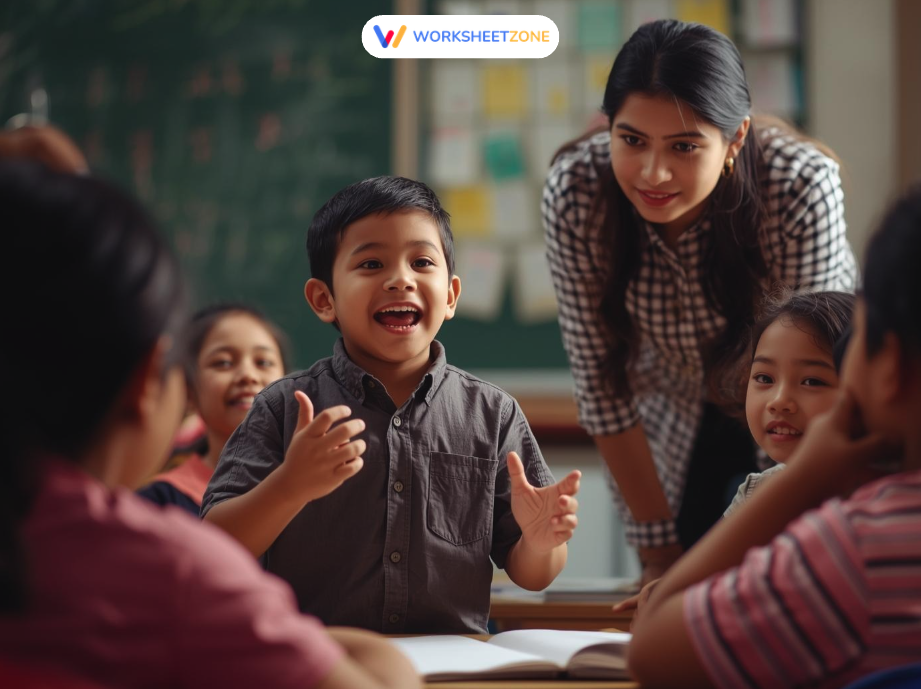
Imaginative play encourages kids to use creativity while learning new ideas. Role-playing, storytelling, and pretend scenarios help children connect the lessons to real-life situations. This method supports language development, social skills, and emotional understanding. When kids imagine themselves as explorers, teachers, or scientists, learning becomes exciting and meaningful. Imaginative play is especially powerful for younger learners.
4. Movement & physical activity
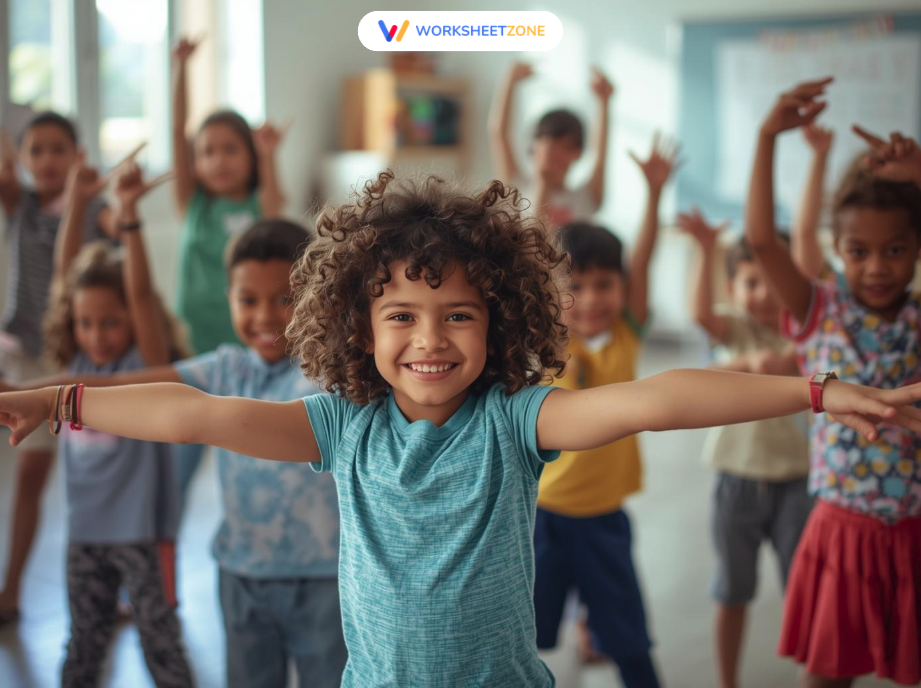
Adding movement to lessons helps kids stay focused and energized. Physical activity increases blood flow to the brain, which supports concentration and memory. Simple actions like dancing, stretching, or moving between stations can make lessons feel dynamic. Movement also supports children who struggle with sitting still for long periods. Active learning keeps kids engaged while supporting their physical health.
Recommendation: Active participation is key to retention. Using educational crack the code worksheets turns a routine subtraction or multiplication drill into a mission, encouraging kids to double-check their work to find the right answer.
5. Group work & social learning
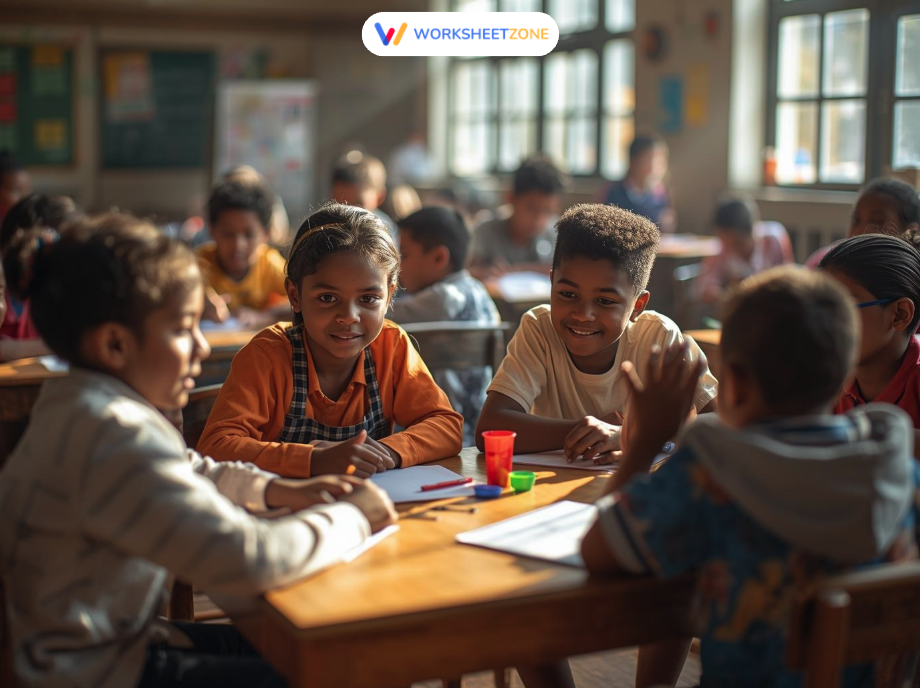
Social learning allows kids to learn from and with each other. Group work encourages communication, teamwork, and shared problem-solving. When children discuss ideas together, they often gain new perspectives and deeper understandings. Social interaction also makes learning feel less isolating and more enjoyable. This method helps build both academic and social-emotional skills.
6. Offer choices
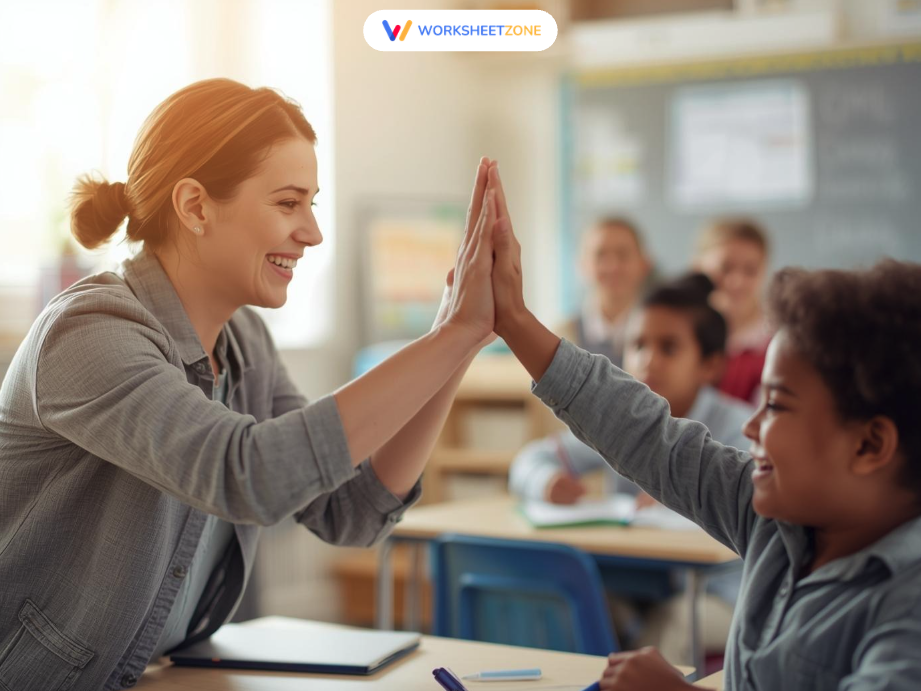
Giving kids choices increases their sense of control and motivation. When children can choose how to complete a task or which topic to explore, they feel more invested in learning. Choice encourages independence and decision-making skills. It also helps teachers and parents adapt learning to individual interests. Even small choices can make a big difference in engagement.
7. Break up lessons
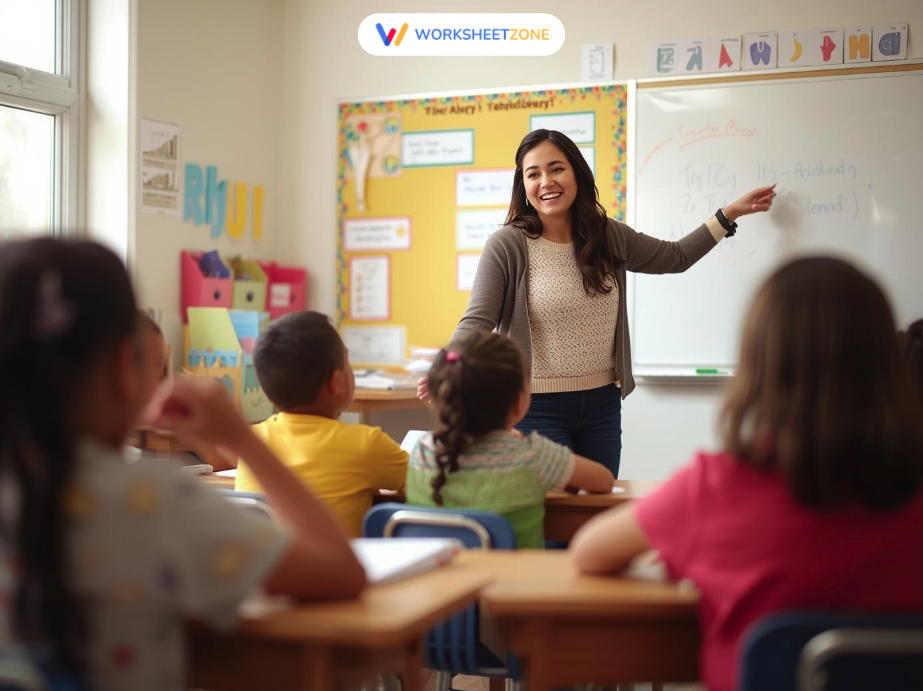
Shorter learning sessions help prevent boredom and fatigue. Breaking lessons into smaller parts makes information easier to process and remember. Mixing instruction with activities keeps kids mentally refreshed. This approach is especially helpful for younger children with shorter attention spans. Frequent breaks help maintain focus and positive learning attitudes.
8. Use technology creatively
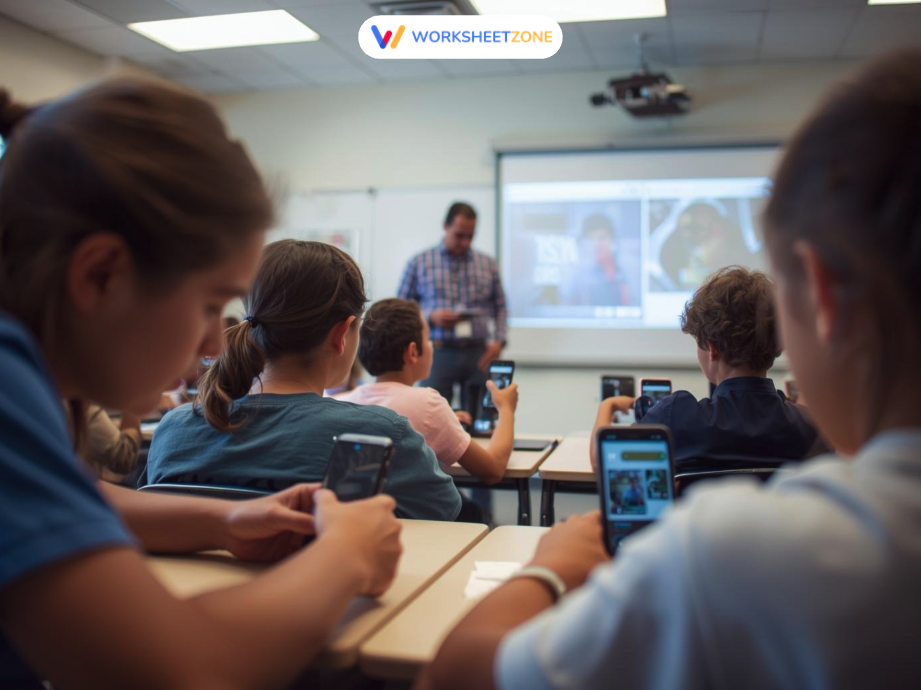
When used intentionally, technology can significantly enhance engagement and understanding. Interactive digital tools allow kids to actively participate rather than passively consume information.
For example, interactive learning tools can turn lessons into hands-on experiences through quizzes, games, and real-time activities that adapt to different learning styles. This approach supports visual, auditory, and kinesthetic learners while keeping kids motivated. Creative technology use also encourages independent exploration and self-paced learning.
9. Outdoor & real-world learning

Learning outside the classroom helps kids connect lessons to the real world. Nature walks, field trips, and real-life observations make learning more memorable. Outdoor learning supports curiosity and exploration. It also improves mood and attention levels. Real-world experiences help children see the relevance of what they are learning.
To get started, explore these outdoor activities for kids for simple, engaging ideas that turn outdoor time into meaningful learning experiences.
10. Be creative
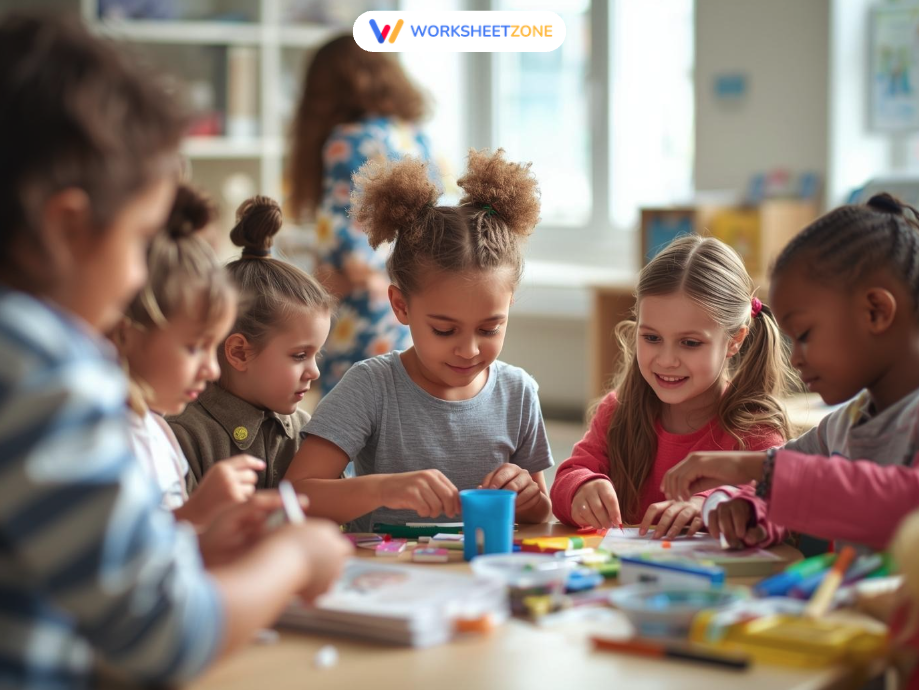
Creativity makes learning enjoyable and meaningful. Art, music, crafts, and storytelling allow kids to express understanding in different ways. Creative activities help children stay engaged and motivated. They also support emotional expression and confidence. When learning feels creative, kids are more excited to participate.
FAQs
1. How does hands-on learning improve knowledge retention in children?
Hands-on learning is a technique where students physically interact with materials, such as interactive printables, to understand complex concepts. By engaging multiple senses, this method creates stronger neural pathways compared to passive listening. Research indicates that students who learn by doing can retain significantly more information, making it one of the most effective strategies for long-term academic success and student confidence.
2. What role does gamification play in modern classroom motivation?
Gamification introduces elements like challenges, points, and rewards into the curriculum to encourage persistence and active participation. This approach reduces the fear of failure because students view mistakes as part of the learning process rather than a final grade. When lessons feel like play, children are more likely to stay engaged during difficult tasks, which helps develop critical thinking and problem-solving skills.
3. Why should teachers incorporate physical movement into their daily lessons?
Incorporating physical activity increases blood flow to the brain, which directly supports higher levels of concentration and memory retention. Short movement breaks, such as stretching or dancing between subjects, prevent cognitive fatigue and help students refocus for the next instructional block. This is particularly beneficial for children with shorter attention spans or those who struggle with traditional sedentary learning environments.
Wrapped up
Learning becomes more effective when it feels enjoyable and meaningful. Understanding how to make learning fun for kids helps parents and educators create positive learning experiences that build curiosity and confidence. By using hands-on activities, play, creativity, and real-world connections, children stay engaged and motivated. These methods not only improve academic outcomes but also foster a lifelong love of learning. When learning is fun, kids are more eager to explore, ask questions, and grow every day.


