




















Gamification in education is changing how students learn by blending academic content with the motivating elements of games. Instead of passive lessons, students earn points, unlock achievements, and track progress as they learn. This approach taps into curiosity, competition, and achievement – key drivers of engagement. When used thoughtfully, gamification can increase participation, improve retention, and make learning feel meaningful rather than routine for students of all ages.
What is gamification in education?

Gamification in education is the practice of using familiar game-like elements – such as points, badges, levels, challenges, and progress tracking – within everyday teaching and learning activities. Instead of changing what students learn, gamification changes how they experience learning.
The purpose of gamification is not to distract students or turn classrooms into entertainment spaces. Rather, it helps make learning more engaging and meaningful by tapping into natural human motivations like curiosity, goal-setting, and accomplishment. When students can see their progress, earn recognition for effort, and work toward clear goals, they are more likely to stay focused, participate actively, and try again after making mistakes.
In practice, gamification in education encourages students to take ownership of their learning. Instead of working only for grades, students become motivated by progress, mastery, and personal growth. This approach supports persistence, builds confidence, and helps students develop positive learning habits – especially when game elements are thoughtfully aligned with learning objectives rather than used as simple rewards.
Key game elements used in education
These game-based elements add structure and excitement to lessons by motivating students and helping them track their progress, turning everyday activities into more engaging learning experiences.

Points and rewards
Points are one of the simplest and most effective gamification tools. Students earn points for completing tasks, participating in discussions, or mastering skills. These rewards provide instant motivation and help students see how their effort directly connects to progress and success
Badges and achievements
Badges represent milestones or accomplishments, such as completing a unit or demonstrating a specific skill. They give students a sense of pride and recognition, especially when achievements are tied to learning outcomes rather than speed or competition alone.
Leaderboards and competition
Leaderboards introduce friendly competition by showing progress or rankings. When used carefully, they can motivate students to improve performance and stay engaged. Teachers should ensure competition remains positive and does not discourage learners who progress at different speeds.
Progress tracking and levels
Progress bars and levels help students visualize their learning journey. Seeing advancement through levels or stages builds confidence and encourages persistence, especially for long-term goals or complex subjects.
Benefits of gamification in education
Gamified learning offers a wide range of benefits that support student motivation, engagement, and overall learning success.

- Increases student engagement by making learning interactive, goal-oriented, and more enjoyable
- Boosts motivation through rewards, challenges, and visible progress that encourage effort and persistence
- Improves knowledge retention by actively involving students rather than relying on passive learning
- Encourages active participation as students take a more hands-on role in lessons and activities
- Supports personalized learning by allowing students to progress at their own pace and revisit concepts when needed
- Builds collaboration and social skills through team-based challenges and cooperative tasks
- Develops essential skills such as communication, problem-solving, and teamwork that extend beyond the classroom
This makes gamification a powerful approach for supporting both academic learning and student growth.
Effective strategies for implementing gamification
Using game elements effectively requires clear planning and purpose. These strategies help teachers support learning goals while keeping students motivated and engaged.
Start small with simple elements
Teachers new to gamification should begin with one or two elements, such as points or badges. Starting small allows educators to test what works best for their students without overwhelming the learning process.
Use tools and platforms
Digital tools make gamification in education practical and scalable by turning everyday learning activities into interactive experiences. Each platform supports gamification in a slightly different way, allowing teachers to choose what best fits their classroom goals
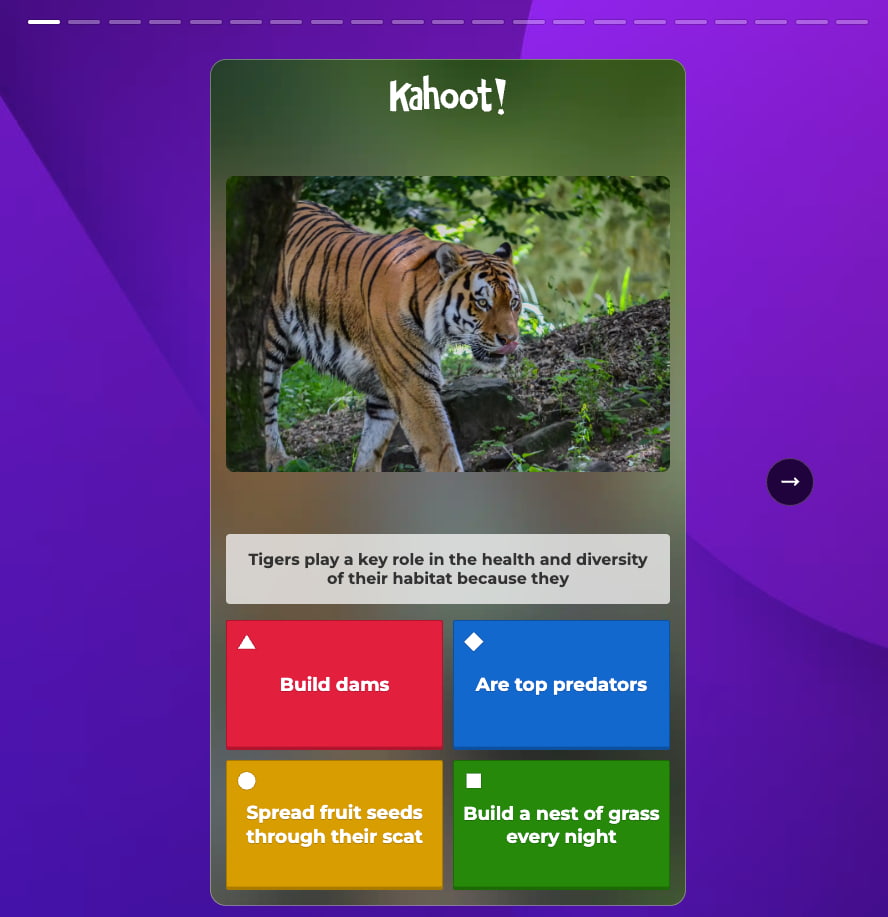
- Kahoot: Kahoot transforms quizzes into fast-paced, game-show-style competitions. Teachers can use it for warm-ups, reviews, or quick assessments, while students earn points based on accuracy and speed. The lively visuals, countdown timers, and instant ranking help boost energy and participation, especially in whole-class settings.
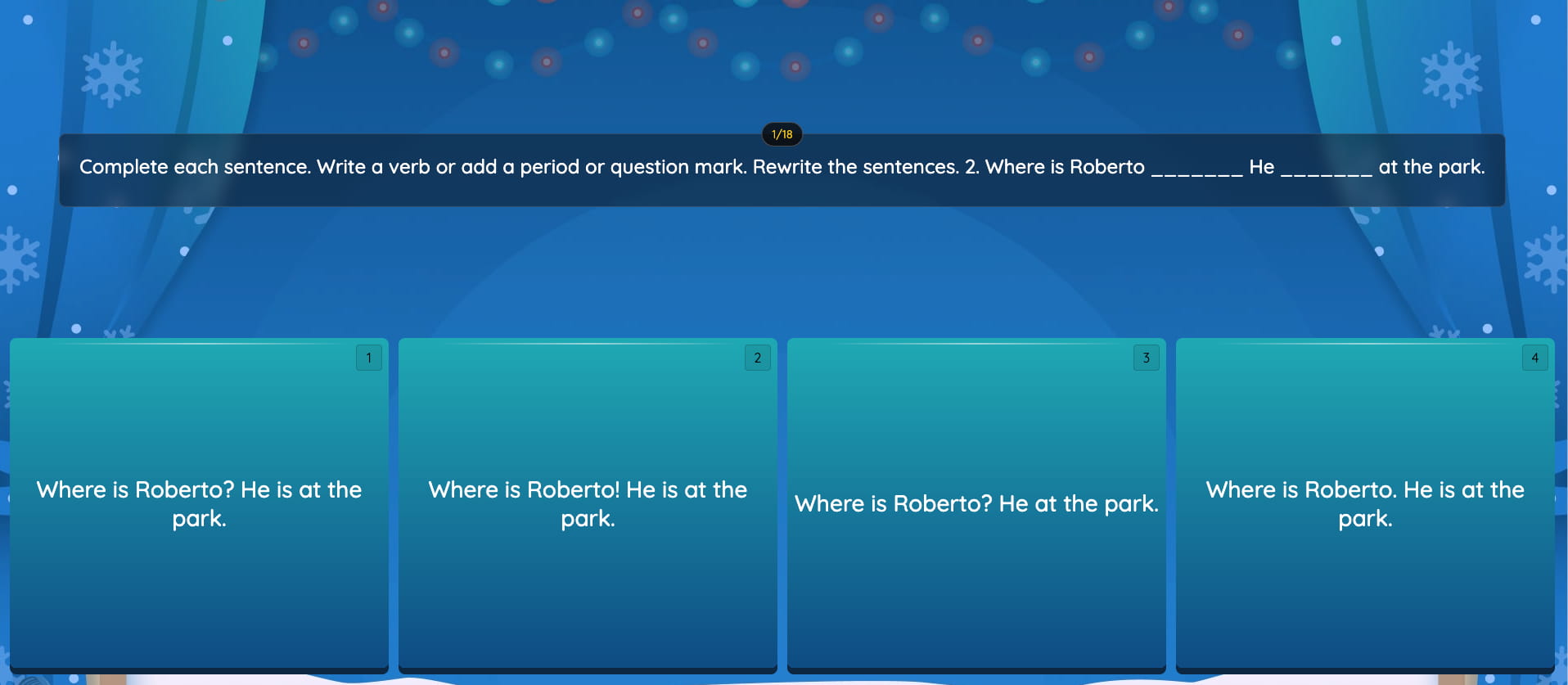
- Wayground (formerly Quizizz): Wayground offers a more flexible gamified quiz experience where students can work at their own pace. Features like power-ups, memes, and progress bars keep learners engaged, while detailed reports help teachers track understanding. It works well for homework, independent practice, and formative assessment.
- Worksheetzone: Worksheetzone supports gamification by turning traditional worksheets into interactive, goal-based activities. Students can practice skills, complete assignments digitally, and receive instant feedback, while teachers can assign, track progress, and personalize learning paths. This makes it ideal for blending structured practice with game-like motivation.

Using these tools strategically allows teachers to apply gamification in education in ways that support learning objectives while keeping students motivated and involved.
Set clear goals and rules
Clear objectives and rules ensure students understand how to earn rewards and why activities matter. Transparency keeps the focus on learning rather than just winning points.
Balance competition with collaboration
While competition can motivate, collaboration builds community. Mixing team-based challenges with individual goals ensures all students feel included and supported.
Provide consistent feedback
Immediate feedback – through scores, progress indicators, or teacher comments – helps students reflect on their performance and adjust strategies quickly. Feedback keeps gamification aligned with learning outcomes.
Conclusion
Gamification in education offers a powerful way to transform classrooms into engaging, student-centered environments. By combining clear goals, meaningful rewards, and thoughtful use of digital tools, teachers can motivate learners without sacrificing academic rigor. When balanced with collaboration and consistent feedback, gamification supports deeper understanding and long-term engagement. As classrooms continue to evolve, gamification in education remains a practical, flexible strategy for inspiring students to learn with enthusiasm and confidence.


