Guided reading activities can transform lessons, but keeping students engaged isn’t always easy. If you’ve faced blank stares, restless students, or the challenge of differentiation, you’re not alone. Balancing structure and fun can be overwhelming, especially with diverse reading levels. That’s why we’ve gathered engaging guided reading ideas to boost comprehension and make literacy lessons interactive. Whether working with early readers or older students, these creative guided reading activity ideas will help make reading a dynamic and rewarding experience.
What’s Include in a Guided Reading Activity?
Guided reading sessions typically include several key components designed to support student learning. These elements ensure a structured, focused approach to literacy development.
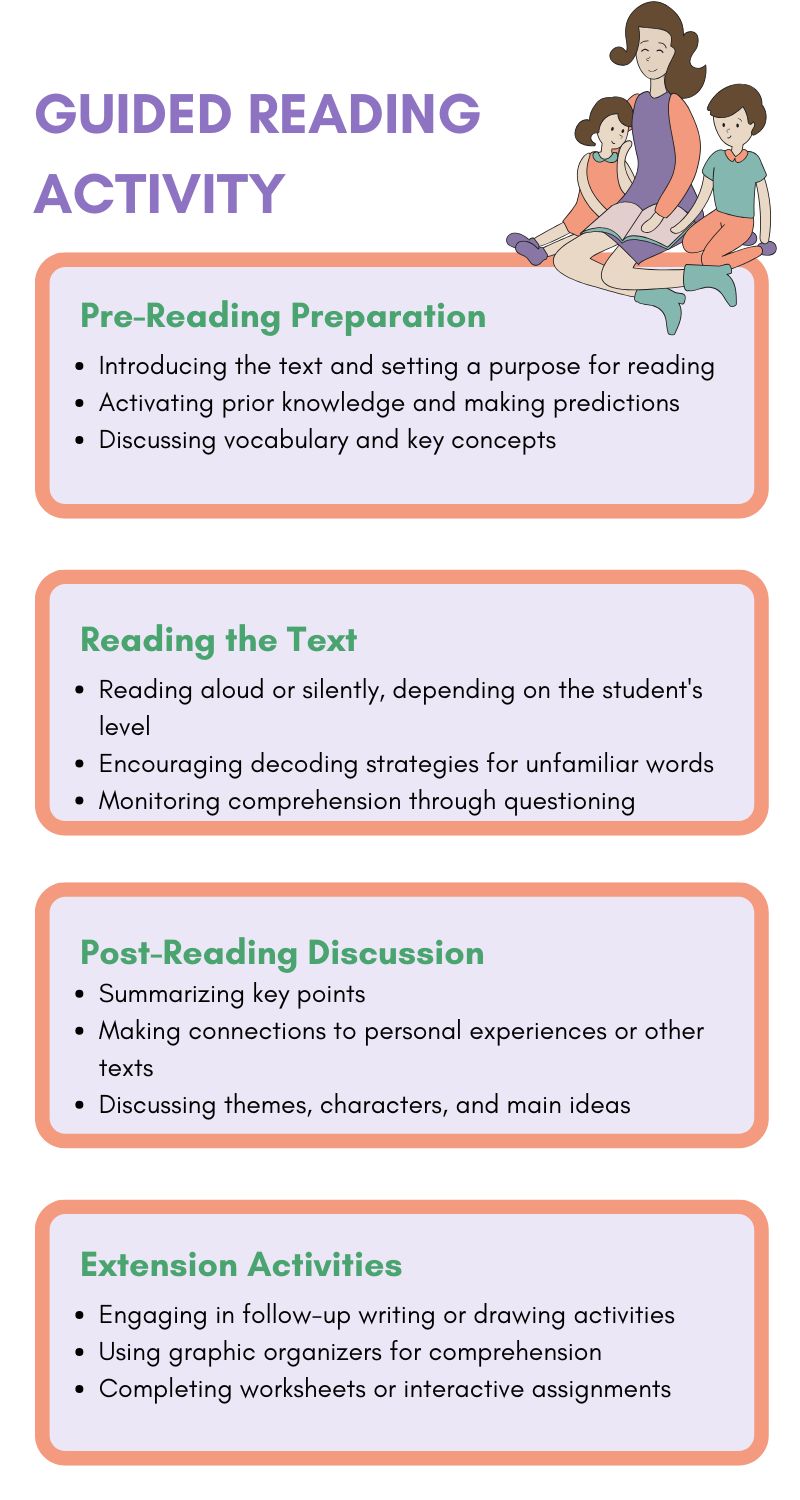
1. Pre-Reading Preparation
Before diving into the text, it’s important to set the stage for successful reading. This step helps students connect with the material and get excited about what they’re about to read.
- Introducing the text and setting a purpose for reading
- Activating prior knowledge and making predictions
- Discussing vocabulary and key concepts
2. Reading the Text
As students engage with the text, they practice decoding words, applying reading strategies, and building comprehension skills.
- Reading aloud or silently, depending on the student’s level
- Encouraging decoding strategies for unfamiliar words
- Monitoring comprehension through questioning
3. Post-Reading Discussion
After reading, discussion plays a crucial role in deepening understanding and making connections.
- Summarizing key points
- Making connections to personal experiences or other texts
- Discussing themes, characters, and main ideas
4. Extension Activities
To reinforce learning, guided reading often includes follow-up activities that enhance comprehension and critical thinking.
- Engaging in follow-up writing or drawing activities
- Using graphic organizers for comprehension
- Completing worksheets or interactive assignments
- Using Claim Evidence Reasoning Worksheets during guided reading helps learners organize their thinking and articulate sophisticated responses to the text.
10+ Guided Reading Activity Ideas for Teachers
Looking for fresh ways to engage your students? Here are some creative guided reading activities to make literacy learning more effective and enjoyable.
Before Reading Activities
1. Picture Walk
A picture walk is an engaging way to activate students’ curiosity before reading. This activity encourages them to preview the book by examining illustrations, making predictions, and discussing their thoughts. It helps build anticipation, strengthens comprehension skills, and sets the stage for an interactive reading experience.

How to Do It:
- Show students the cover and illustrations without reading the text.
- Ask questions like, “What do you think this book is about?” or “Who are the characters?”
- Encourage students to share their predictions before the reading begins.
2. KWL Chart (Know, Want to Know, Learned)
The KWL Chart is a structured way to guide students through the reading process. It helps activate prior knowledge, set learning goals, and reflect on new information. By organizing thoughts into “Know,” “Want to Know,” and “Learned” sections, students engage more deeply with the text.

How to Do It:
- Have students list what they already know about the topic.
- Ask them to write questions about what they want to learn.
- After reading, they fill in the “Learned” section to reflect.
3. Character Interview
This fun, interactive activity lets students step into the shoes of a book character. They imagine what the character might say in an interview, enhancing their comprehension and engagement. This strategy encourages critical thinking and helps students develop a deeper understanding of character motivations.

Download the Character Interview worksheet to help guide student responses!
How to Do It:
- Choose a character from the book and brainstorm interview questions.
- Have students pair up—one plays the interviewer, the other the character.
- Encourage detailed responses using clues from the text.
During Reading Activities
4. Stop and Jot
Stop and Jot is a great way to encourage active reading. Students pause at key moments to jot down thoughts, questions, or reactions, helping them process information in real-time. This method strengthens comprehension and encourages deeper engagement with the text.

How to Do It:
- Provide sticky notes or a reading journal.
- Set stopping points where students jot down key takeaways, surprises, or questions.
- Use their notes for discussion after reading.
5. Read and Retell
This activity strengthens comprehension and memory by encouraging students to summarize the text in their own words. It helps students process the main idea, identify key details, and develop storytelling skills.

How to Do It:
- After reading a section, have students summarize it in one or two sentences.
- Ask them to retell the story to a partner using their own words.
- Encourage them to highlight key points rather than reciting word-for-word.
6. Turn and Talk
A Turn and Talk is a simple but effective way to make reading a social experience. By discussing their thoughts with a partner, students reinforce understanding and build confidence in expressing their ideas.

How to Do It:
- Pause at key moments in the text and have students discuss a prompt with a partner.
- Encourage them to share personal connections or predictions.
- Bring the class back together to discuss key takeaways.
After Reading Activities
7. Story Mapping
Story Mapping visually organizes story elements, making it easier for students to understand the structure of the text. It enhances comprehension by identifying key details like setting, characters, problem, and resolution.

How to Do It:
- Provide a story map graphic organizer.
- Have students fill in sections for characters, setting, plot, and conclusion.
- Use it as a guide for discussion or writing summaries.
Download the Story Mapping worksheet for a ready-to-use template!
8. Make a Connection
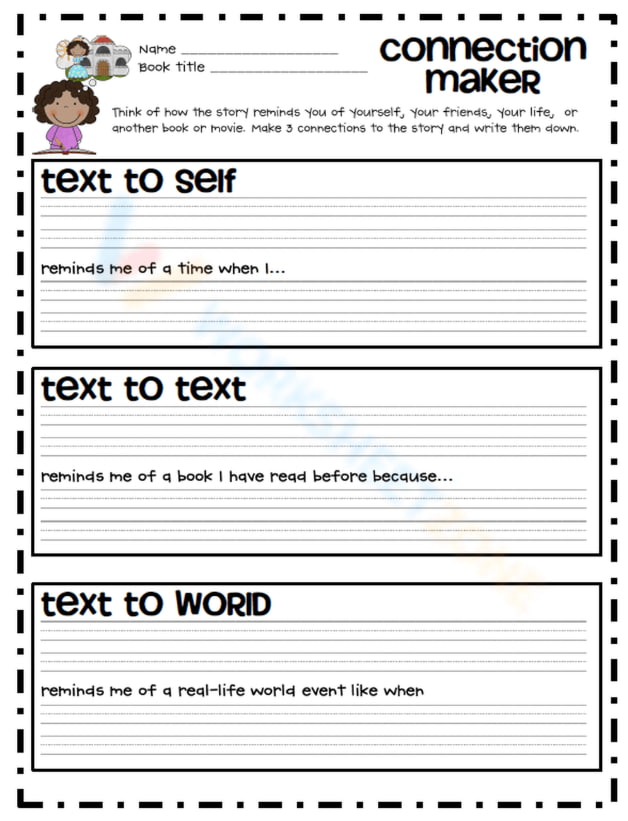
Download this worksheet for the Make a Connection activity!
Encouraging students to relate the story to their lives fosters deeper engagement and comprehension. This activity helps build personal connections, making reading more meaningful.
How to Do It:
- Ask students to share connections to their own experiences, another book, or the world.
- Use sentence starters like “This reminds me of…” or “I felt like [character] when…”
- Discuss how connections enhance understanding of the story.
9. Alternate Ending
This creative writing activity sparks imagination and critical thinking. By crafting a new ending, students analyze the original story structure and explore different narrative possibilities.

How to Do It:
- Have students rewrite the last scene or chapter with a twist.
- Encourage them to explain why their ending makes sense for the characters.
- Allow students to share and discuss different versions.
10. Comprehension Quiz
A comprehension quiz checks understanding while making review time fun and interactive. It encourages students to recall details, analyze themes, and reinforce learning.
How to Do It:
- Create a mix of multiple-choice, true/false, and open-ended questions.
- Make it engaging with team-based quiz competitions.
- Adjust difficulty based on student reading levels.
Use Worksheetzone to create a comprehension quiz worksheet to assess student understanding!
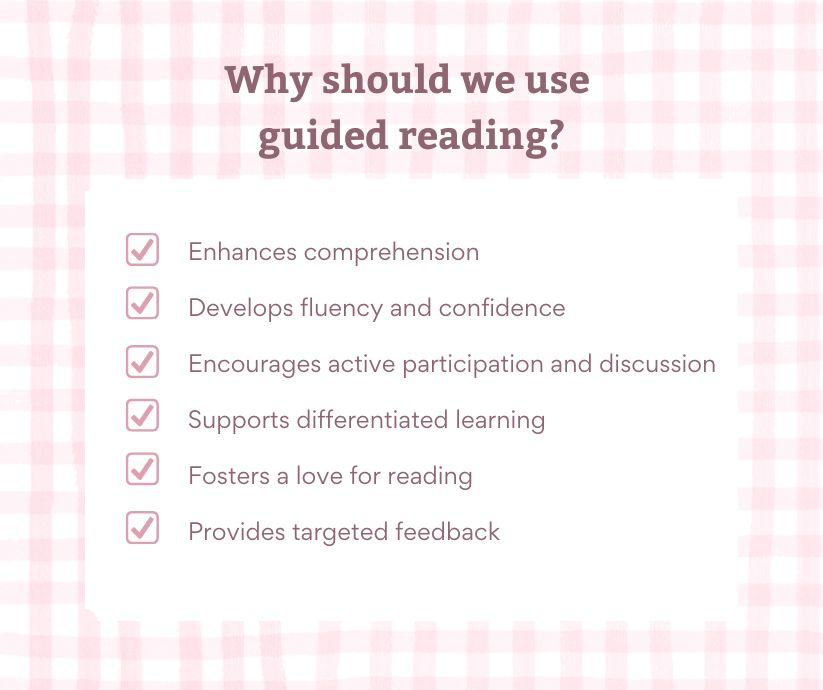
Why Should Teachers Use Guided Reading?
Guided reading is a powerful instructional approach that benefits students in multiple ways:
- Enhances comprehension by breaking down complex texts into manageable parts and guiding students through key ideas.
- Develops fluency and confidence as students practice reading with appropriate support, improving their pace and expression.
- Encourages active participation and discussion, helping students think critically and engage deeply with the text.
- Supports differentiated learning, allowing teachers to tailor instruction based on each student’s reading level and needs.
- Fosters a love for reading by introducing students to engaging, meaningful texts that spark curiosity.
- Provides targeted feedback to address individual challenges and strengthen literacy skills over time.
Final thoughts
These guided reading activity ideas help students build comprehension, critical thinking, and a lifelong love for literature. By incorporating these creative activities into your guided reading sessions, you will engage students in meaningful ways and enhance their literacy development. Don’t forget to use our guided reading worksheets to make your lessons even more effective!