




















After-school activities give children a valuable opportunity to learn, grow, and explore their interests once the school day ends. Instead of spending afternoons passively, students can use this time to strengthen academic skills, stay physically active, discover creative talents, and build essential life skills. Well-chosen activities support balanced development and help children gain confidence in a relaxed, supportive environment. Below is a comprehensive list of more than 40 after-school activities to help parents and educators find the best options.
40+ after school activities
After school activities foster children’s curiosity and independence through diverse areas of interest. In a setting outside the classroom, these programs work best when they allow for self-directed exploration and social connection.
Academic and educational activities
Academic after-school programs help children strengthen their core skills in a low-pressure environment. Research from the Boys & Girls Clubs of America suggests that high-yield learning activities, such as debate teams or creative writing clubs, are vital for closing the achievement gap.
1. Foreign language clubs

Learning a new language outside the high-pressure environment of a graded classroom allows students to focus on conversational skills and cultural immersion. These clubs often use games, music, and traditional snacks to make the process of becoming bilingual feel like an adventure rather than a chore.
2. Debate team
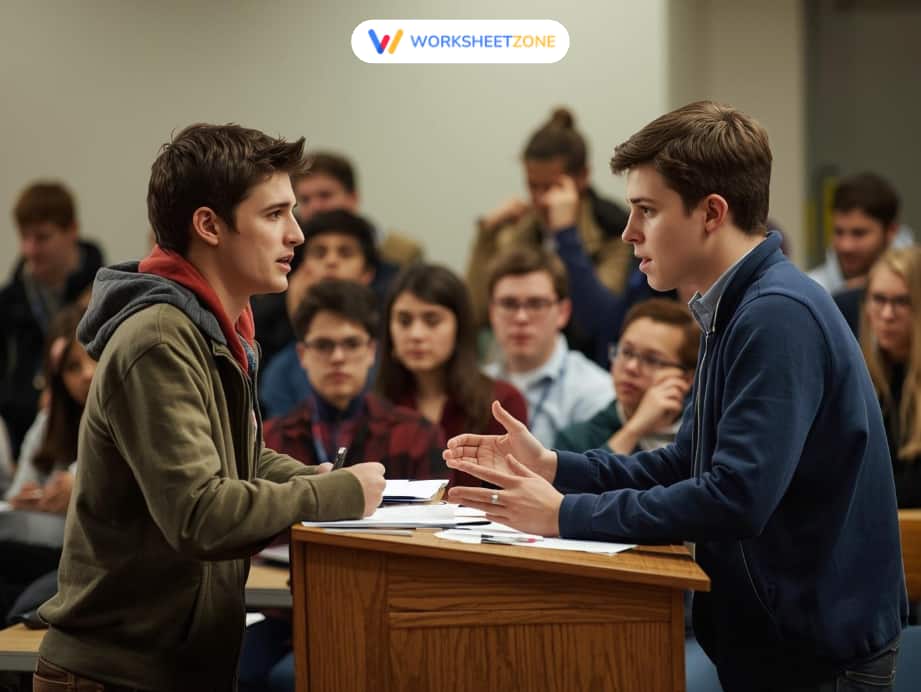
For students who love a good argument, the debate team provides a structured outlet to hone their rhetorical skills. They learn how to research complex topics, construct logical arguments, and think on their feet, which builds immense confidence for future public speaking engagements.
3. Math Olympiad
This isn’t your average math class; it’s a competitive arena where students tackle complex, logic-based puzzles. It encourages “out of the box” thinking and helps students view mathematics as a creative tool for solving real-world problems rather than just a series of formulas. Students who want to reach that level but still feel shaky on the basics can get preparation support from online math tutor. Targeted sessions will close the gaps that classroom instruction doesn’t always have time for.
4. Creative writing workshop

These workshops provide a safe space for young authors to find their voice through poetry, short stories, or scripts. Peer feedback sessions help them learn the delicate art of constructive criticism while refining their ability to communicate complex emotions and narratives.
5. Historical society
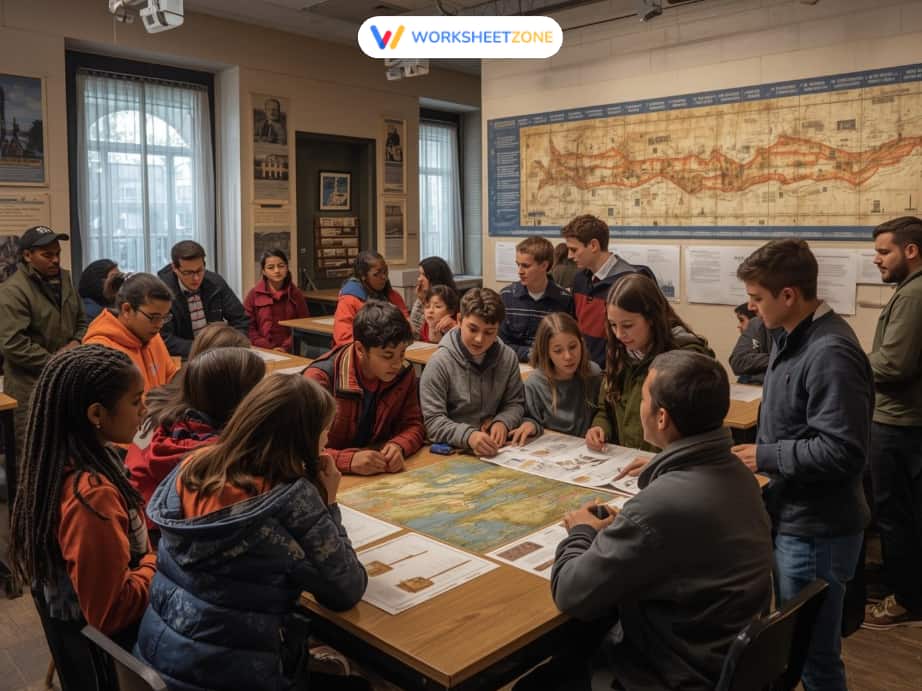
Moving beyond the dates in a textbook, a history society allows students to dive deep into specific eras or local heritage. Activities often include visiting historical sites, archival research, or even reenactments, making the past feel vibrant and relevant to the present day.
6. Chess club
Chess is the ultimate workout for the brain, teaching students the value of patience, foresight, and strategic planning. Regular play improves concentration and teaches children how to handle both victory and defeat with grace and sportsmanship.
7. School newspaper or journalism

Student journalists learn the importance of ethics, fact-checking, and clear communication. By interviewing peers and reporting on local events, they develop a sense of community awareness and the technical skills required for modern media production.
8. Book club
A book club fosters a love for reading by making it a social experience. Discussing themes and character arcs with peers helps students develop deeper empathy and analytical skills, often introducing them to genres they wouldn’t have picked up on their own.
9. Personalized practice worksheets
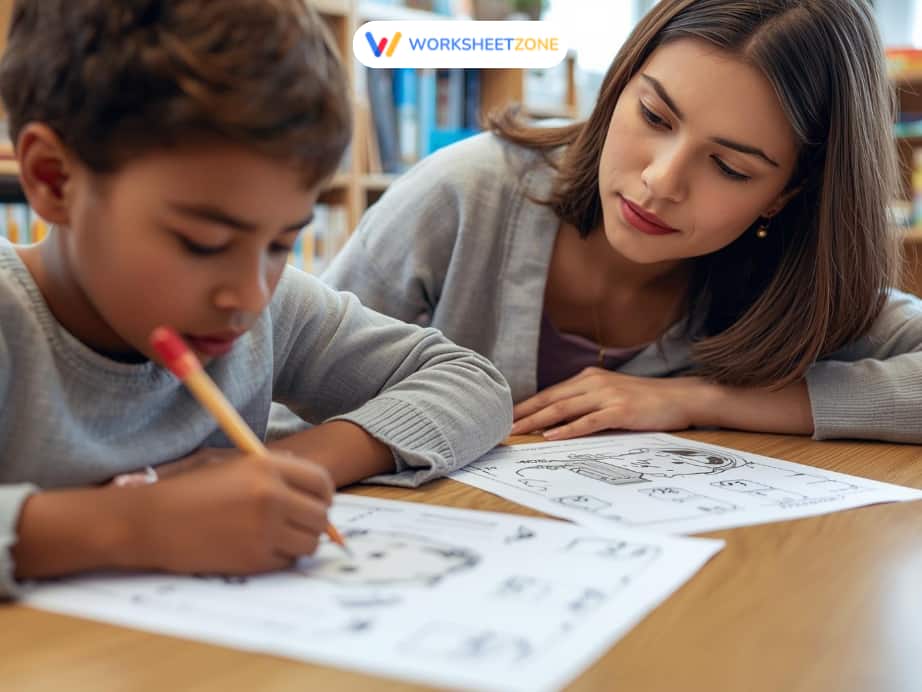
This activity focuses on targeted skill practice using customized learning materials. Teachers or parents can use a worksheet generator to create level-appropriate worksheets for math, reading, writing, or grammar. Personalized practice helps children work at their own pace, improve weak areas, and build confidence. It is especially effective for homework clubs or independent study time.
Sports and physical activities
Physical activities promote healthy habits and active learning by connecting movement with teamwork. For children aged 6–12, consistent physical activity is linked to improved focus and emotional regulation.
1. Soccer
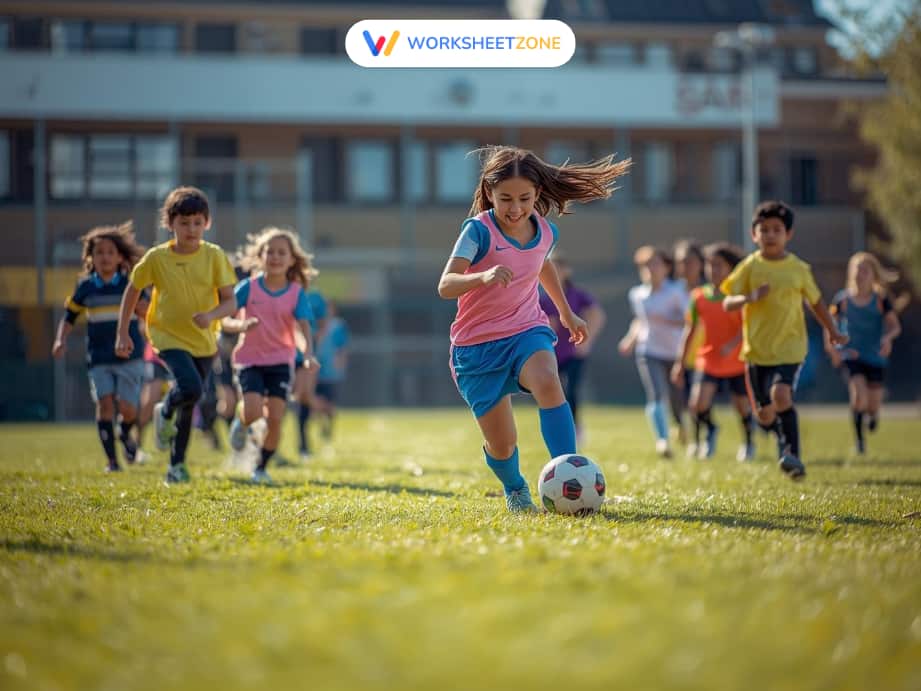
As one of the most popular team sports, soccer is fantastic for building cardiovascular health and leg strength. Beyond the physical, it teaches children the importance of teamwork, communication, and understanding their role within a larger group dynamic.
2. Swimming
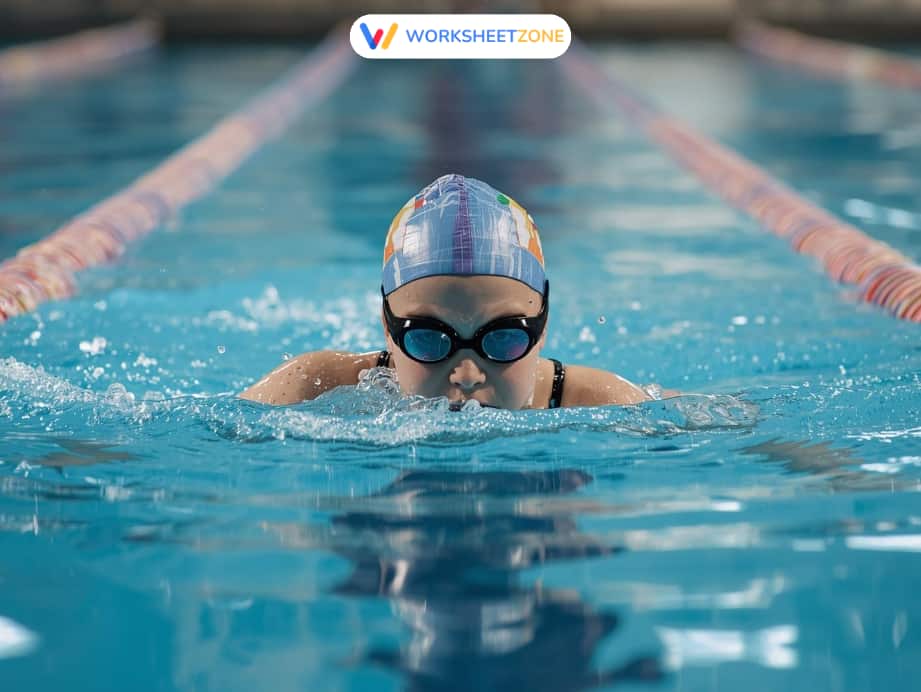
Swimming is a life-saving skill that doubles as an incredible full-body workout. Whether they join a competitive swim team or take advanced lessons, students improve their lung capacity, endurance, and coordination in a low-impact environment.
3. Martial arts
Programs like Karate, Taekwondo, or Jiu-Jitsu focus heavily on discipline, respect, and self-control. Students work through a progression of belts, which provides a clear sense of achievement and helps them build the mental fortitude to stay calm under pressure.
4. Yoga for kids

Yoga isn’t just for adults; it’s a brilliant way for children to manage stress and improve their flexibility. By focusing on breathwork and mindful movement, kids learn how to regulate their emotions and improve their physical posture after a long day at a desk.
5. Gymnastics
Gymnastics develops core strength, balance, and incredible body awareness. It’s an activity that requires immense dedication and repetition, teaching kids that mastery takes time and falling down is just a prerequisite for eventually sticking the landing.
6. Basketball
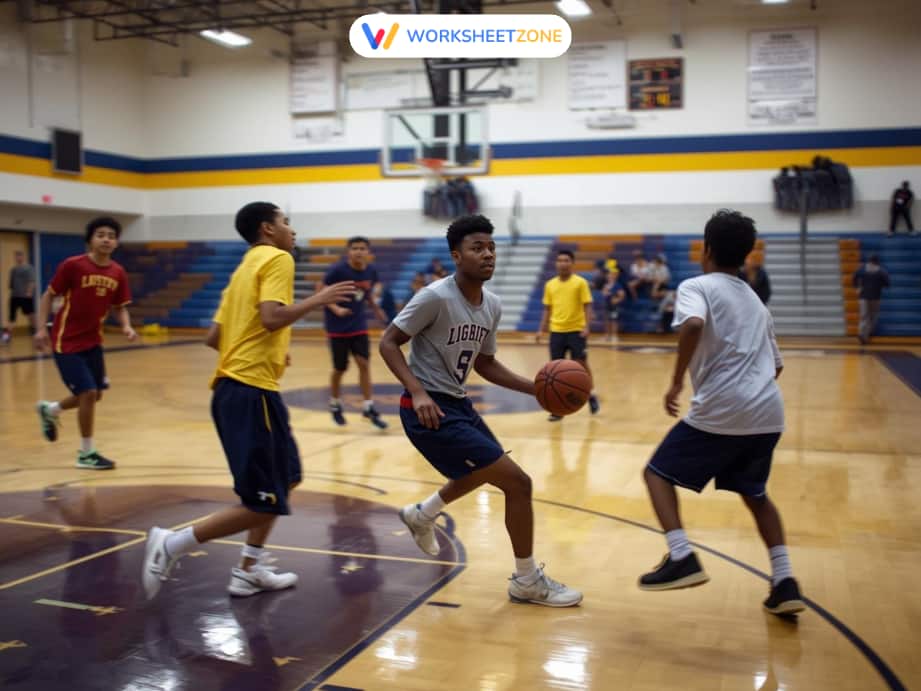
Playing basketball helps students develop fast reflexes and hand-eye coordination. The fast-paced nature of the game requires quick decision-making and constant movement, making it a perfect outlet for kids with high energy levels.
7. Tennis

Tennis is a sport that can be played for a lifetime, focusing on agility and individual responsibility. Whether playing singles or doubles, students learn how to maintain focus over long periods and how to adjust their strategy based on their opponent’s play.
8. Track and field
Track offers a variety of disciplines, from sprinting and long-distance running to jumping and throwing. It is ideal for students who want to focus on personal bests and individual improvement while still being part of a supportive team atmosphere.
Arts and creative activities
Creative activities allow children to express themselves through various mediums, fostering emotional intelligence and fine motor skills. These projects are not just about the final product; they focus on the process of self-discovery.
1. Pottery and ceramics
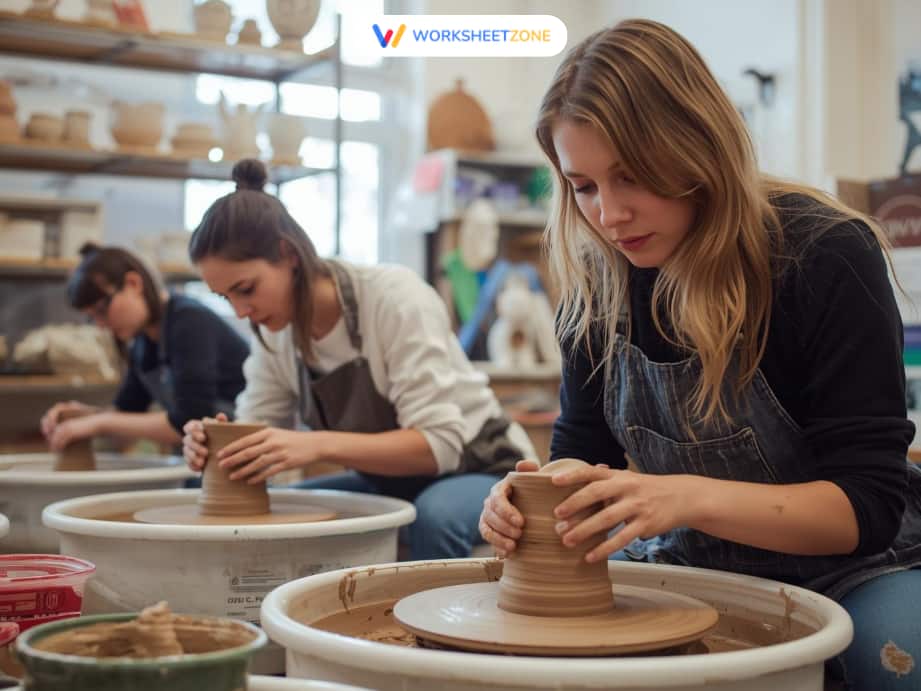
Working with clay is a tactile experience that allows students to literally mold their ideas into three-dimensional objects. It teaches the value of process – from the initial shaping to the glazing and firing – and results in tangible pieces of art they can take home.
2. Theater and drama
Drama clubs are excellent for building self-esteem and empathy as students “step into the shoes” of different characters. From memorizing lines to understanding stage presence, theater helps children overcome shyness and learn the power of collaborative storytelling.
3. Graphic design
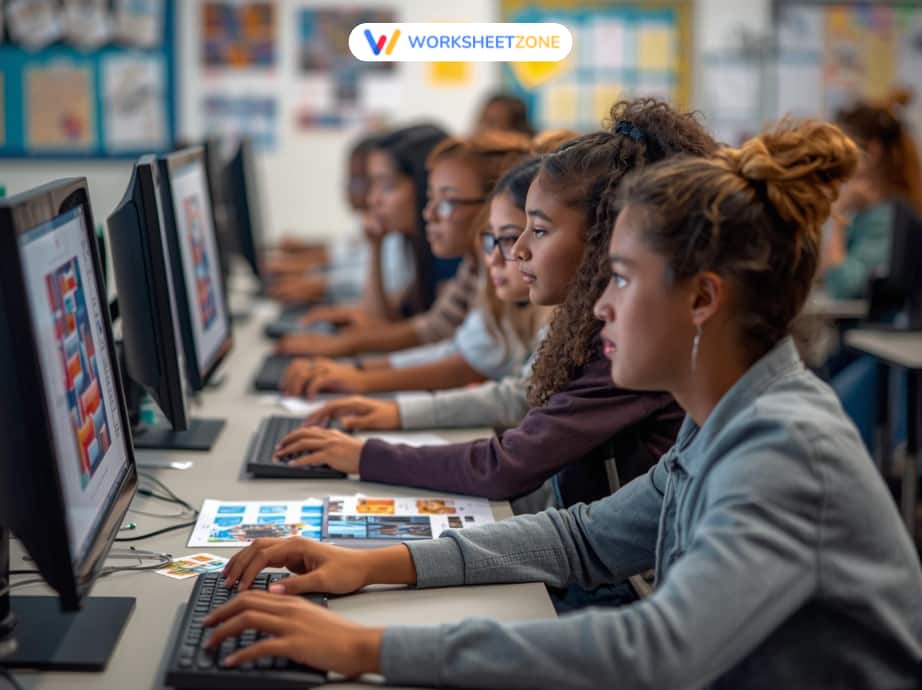
In our digital world, learning the basics of layout, typography, and color theory is incredibly valuable. Students use professional software to create posters, logos, and digital illustrations, blending artistic intuition with technical proficiency.
4. Photography

Photography teaches students to see the world through a different lens – literally. They learn about composition, lighting, and the technical aspects of a camera, which encourages them to slow down and appreciate the beauty in their everyday surroundings.
5. Choir or chorus
Singing in a group teaches students about harmony, pitch, and the importance of listening to others. It’s a powerful way to build community and has been shown to reduce stress and improve mood through the physical act of collective breathing and vocalization.
6. Painting and drawing

Traditional art classes help students master fundamentals like perspective and shading. Whether working with watercolors, acrylics, or charcoal, students learn to express their inner thoughts visually and develop a unique personal style.
7. Dance (ballet, hip hop, or jazz)
Dance combines physical athleticism with artistic expression. It requires discipline to learn choreography and rhythm, providing a creative outlet for students to tell stories through movement and music.
8. Musical instrument lessons

Learning to play the piano, violin, or guitar requires consistent practice and patience. It improves cognitive function and gives students a sense of accomplishment as they progress from single scales to performing complex musical pieces.
Technology and STEM activities
Technology and STEM after school activities develop problem-solving, innovation, and digital literacy, preparing students for future careers in a tech-driven world.
1. Coding and programming
STEM-focused after-school activities prepare kids for the digital world through hands-on exploration in coding, robotics, and engineering. Typically, a simple coding project takes 30–45 minutes and builds the perseverance needed for advanced logic.
2. Robotics
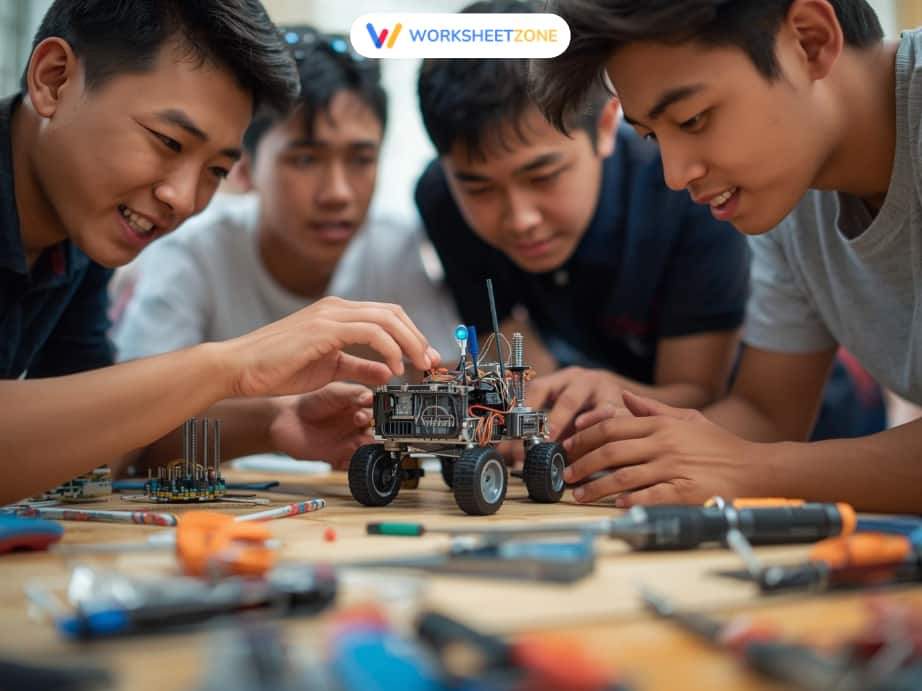
Robotics combines mechanical engineering with computer science. Students work in teams to design, build, and program robots to complete specific tasks, teaching them how to troubleshoot hardware issues and optimize software logic simultaneously.
3. Video game design
For the avid gamer, this activity peels back the curtain on how their favorite titles are made. They learn about level design, character mechanics, and narrative branching, turning a hobby into a potential career path in the tech industry.
4. 3D printing and modeling
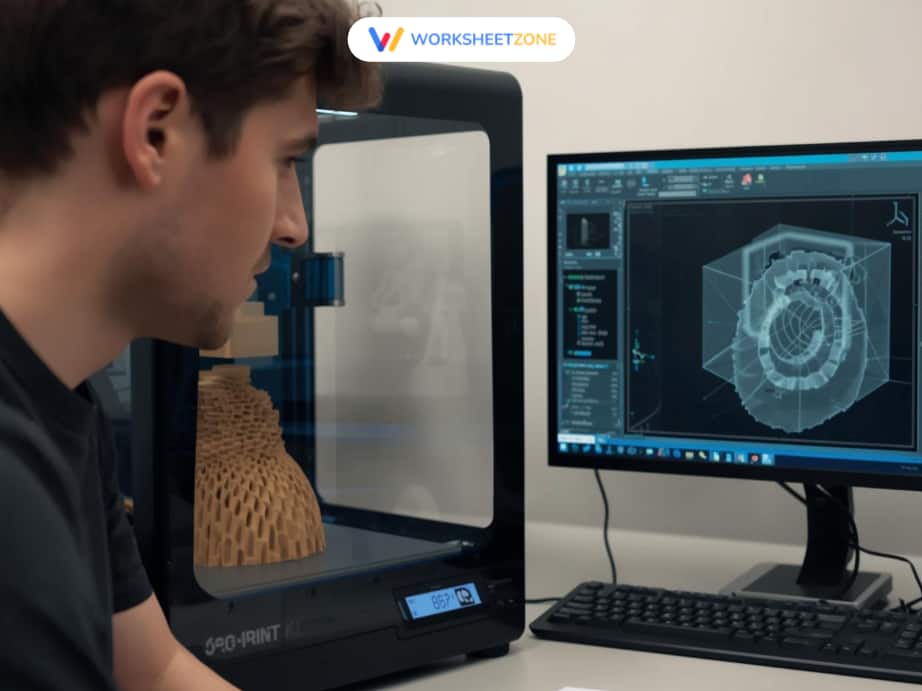
Using CAD (Computer-Aided Design) software, students can create digital models and watch them come to life on a 3D printer. This activity bridges the gap between digital creativity and physical manufacturing, teaching precision and spatial reasoning.
5. Astronomy club
Gazing at the stars helps students understand their place in the universe. Using telescopes and sky-mapping apps, they learn about planetary movements, constellations, and the physics of space, often sparking a lifelong interest in science and exploration.
6. App development
In this activity, students identify a problem in their community and design a mobile application to solve it. They learn about user experience (UX) design and the iterative process of testing and refining a digital product for real-world use.
7. Environmental science
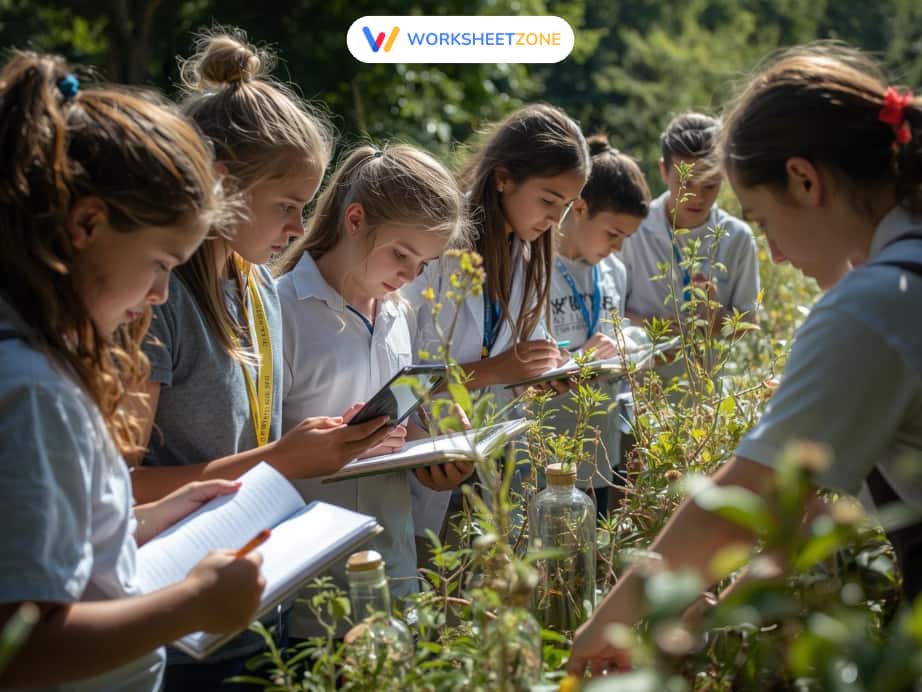
This club focuses on ecology, sustainability, and local conservation efforts. Students might test water quality in local ponds, study native plant species, or design composting systems, connecting scientific theory with environmental activism.
8. Drone piloting
Piloting drones involves a mix of fine motor skills and an understanding of aerodynamics. Students learn the regulations of the sky, how to maintain the hardware, and even how to capture stunning aerial cinematography.
Life skills and personal development activities
Life skills activities prepare children for real-world responsibilities by teaching empathy, financial literacy, and practical self-sufficiency. These programs bridge the gap between classroom theory and everyday success.
1. Cooking and culinary arts

Learning to cook is a fundamental life skill that promotes health and independence. Students learn about kitchen safety, nutrition, and how to follow recipes, eventually gaining the confidence to experiment with their own flavors and techniques.
2. Gardening and horticulture

Tending to a garden teaches students about the cycle of life and the rewards of long-term effort. It’s a grounding activity that encourages environmental stewardship and provides a literal “farm-to-table” understanding of where food comes from.
3. Public speaking and Toastmasters

Effective communication is key to success in almost any field. These sessions help students eliminate “filler words,” improve their body language, and learn how to deliver a persuasive message to an audience without fear.
4. Financial literacy
Teaching kids about budgeting, saving, and the basics of investing sets them up for a secure future. Through simulations and games, they learn how money works in the real world, helping them make smarter choices as they grow older.
5. Volunteering and community service

Engaging in service projects fosters empathy and a sense of civic duty. Whether they are helping at a food bank or cleaning up a local park, students learn the value of giving back and the impact of collective action.
6. First aid and CPR
Basic emergency training empowers students to remain calm and helpful in a crisis. Learning how to treat minor injuries or perform life-saving techniques builds a sense of responsibility and prepares them for real-world emergencies.
7. Woodworking
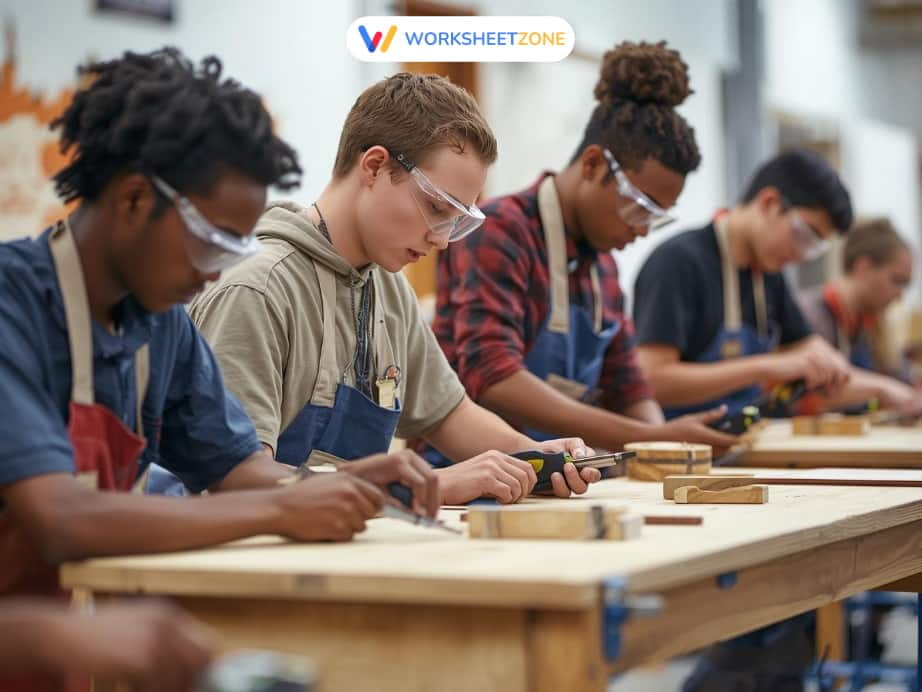
Woodworking is a hands-on skill that requires precision, safety, and patience. Students learn how to use manual and power tools to create functional items, helping them develop a “maker” mindset and an appreciation for craftsmanship.
8. Mindfulness and meditation

In a fast-paced world, learning how to be still is a superpower. Mindfulness activities teach students how to observe their thoughts without judgment, providing them with the mental tools to manage anxiety and improve their overall focus.
Frequently Asked Questions (FAQs)
1. How do I choose the right activity for my child?
We recommend choosing an activity that balances your child’s existing strengths with new challenges. For example, if they are academically focused, pairing that with a physical sport can provide a well-rounded experience. Use our AI Lesson Plan Generator to explore diverse options tailored to their grade level.
2. Can these activities be done at home?
Absolutely. Many of the ideas listed, such as gardening, cooking, and creative writing, are perfect for home-based enrichment. Worksheetzone provides the worksheets and checklists needed to make home learning organized and fun for both parents and children.
3. How do these activities help with college applications?
For older students, consistent participation in after-school activities like debate, leadership clubs, or STEM projects demonstrates commitment and specialized skills to college admissions officers. These experiences provide the “real-world” context that complements a strong academic transcript.
Final thoughts
After school activities play an essential role in shaping well-rounded, confident learners. From physical sports to complex STEM challenges, each category supports a different area of developmental growth. The most effective programs balance structured learning with the freedom to play. When chosen thoughtfully, these activities inspire curiosity and prepare students for a bright and successful future.


