




















Implementing effective teaching strategies is the cornerstone of fostering a dynamic and inclusive classroom environment that promotes student success. In today’s evolving educational landscape, educators must move beyond traditional lecture-based methods to engage diverse learners with various needs and backgrounds. By integrating a broad range of evidence-based approaches, teachers can transform the learning experience into something truly impactful. This comprehensive guide explores powerful methods designed to enhance engagement, boost retention, and inspire a lifelong love for learning in every student.
20 effective teaching strategies
To help you build a more dynamic and inclusive classroom, here is a list of diverse approaches designed to improve student outcomes and foster meaningful engagement. By integrating these evidence-based methods into your daily practice, you can better address individual learning needs and cultivate a more collaborative environment.
1. Active learning
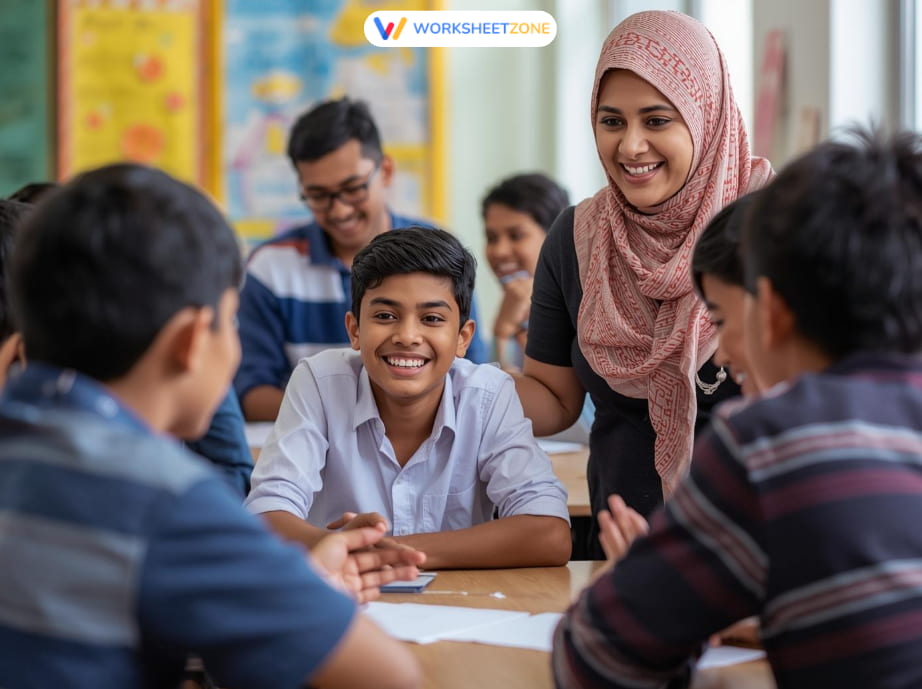
Active learning replaces passive listening with hands-on activities that require students to process information in real-time. This strategy improves long-term retention by forcing students to apply concepts through discussions, problem-solving, or physical experiments. When learners are physically or mentally involved in the lesson, they develop a deeper connection to the material.
2. Differentiated instruction
Differentiated instruction acknowledges that every student learns at a different pace and through various styles. By tailoring content and delivery to meet individual readiness levels, teachers ensure that no student is left behind or unchallenged. This flexible approach creates a more equitable classroom where diverse academic needs are met with precision.
3. Formative assessment
This strategy provides ongoing feedback that helps both teachers and students identify areas for improvement during the learning process. Unlike high-stakes testing, these low-pressure checks allow for immediate adjustments to instruction based on real-time data.
4. Inquiry-based learning
Inquiry-based learning shifts the focus from teachers delivering facts to students asking questions and investigating solutions. This strategy fosters curiosity and critical thinking by placing the learner at the center of the discovery process. Students gain a sense of agency as they explore complex topics and find meaningful answers through research.
One of the most vital modern teaching strategies is showing students the process of identifying unreliable sources and questioning the bias in the media they consume.
5. Project-based learning

Project-based learning engages students in solving real-world challenges through long-term, collaborative projects. This method bridges the gap between theoretical knowledge and practical application, making learning more relevant and exciting. By working toward a tangible end product, students develop essential skills like time management and teamwork.
6. Cooperative learning
Students are encouraged to work together in small groups to achieve a common academic goal. This strategy builds social skills and accountability as learners rely on one another to master the assigned material. It also exposes students to different perspectives, enhancing their ability to collaborate in professional settings.
7. Explicit instruction
Explicit instruction involves a direct, systematic approach where the teacher clearly models a skill before asking students to try it. This “I do, we do, you do” method reduces cognitive load and prevents confusion when introducing complex new topics. It is particularly effective for foundational skills that require a high level of accuracy and clarity.
8. Flipped classroom
The flipped classroom model moves direct instruction to the home environment via videos, allowing class time to be used for interactive practice. This strategy maximizes the teacher’s presence during the most difficult part of the learning process: application. It empowers students to learn at their own pace while receiving targeted support during the school day.
9. Learning stations
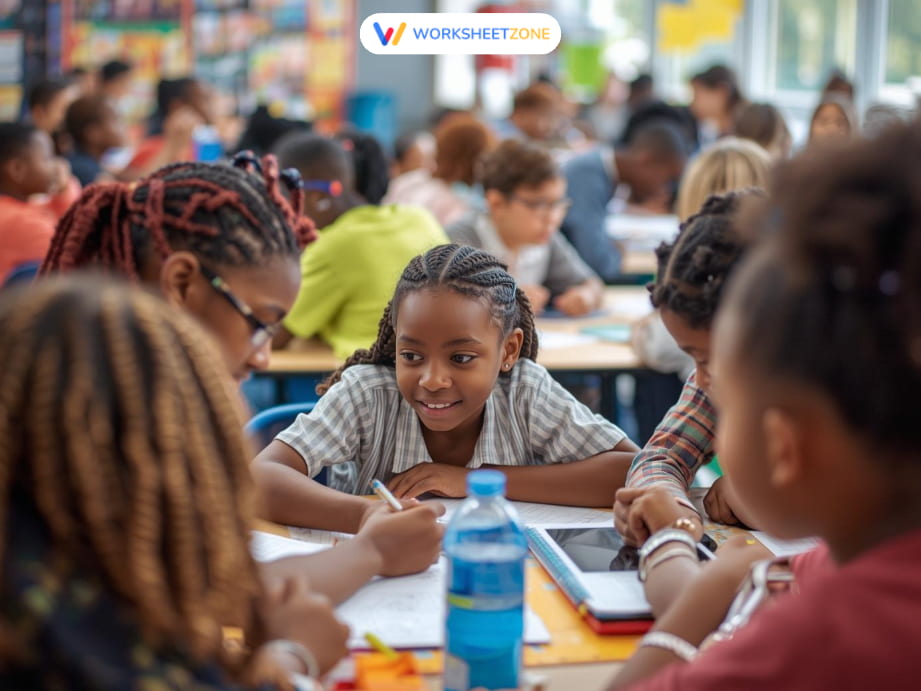
Learning stations allow students to rotate through different activities that target various skills or aspects of a single topic. This strategy keeps students physically active and mentally engaged by providing variety and movement throughout the lesson. It also allows the teacher to work with small groups at one station while others work independently.
10. Scaffolding
This strategy provides temporary support structures that help students bridge the gap between what they know and what they are learning. As the learner gains confidence and competence, these supports are gradually removed to encourage independent mastery. This technique ensures that students remain in their “zone of proximal development” without becoming overwhelmed.
Recommendation: Effective scaffolding in mathematics means connecting prior knowledge of area to the concept of Riemann Sums, bridging the gap between algebra and calculus.
11. Personalized learning
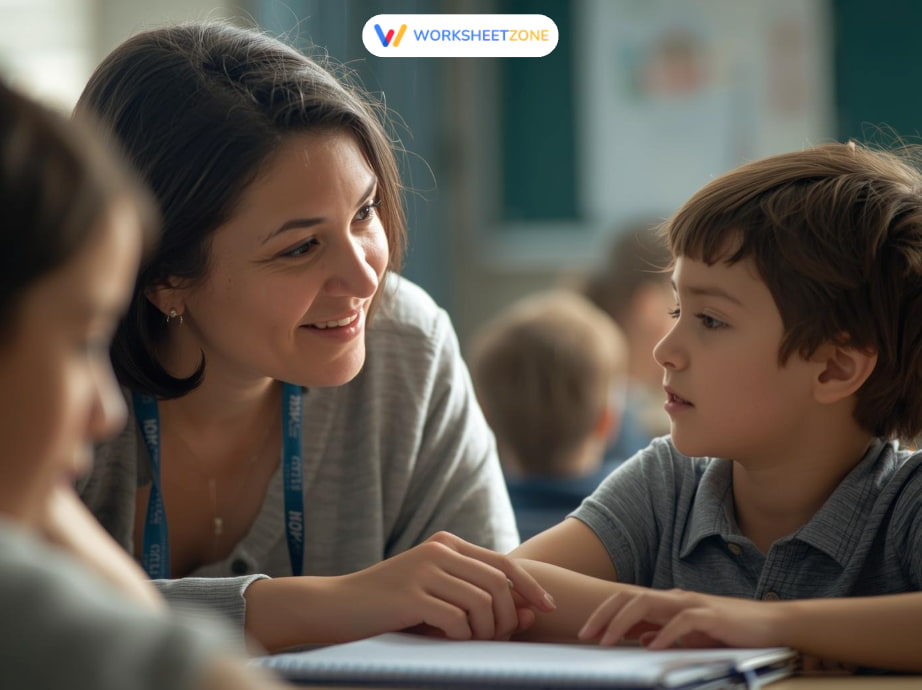
Personalized learning tailors the educational experience to the specific interests, goals, and strengths of each individual student. By giving learners a voice in their own education, teachers can significantly increase intrinsic motivation and engagement levels. This strategy transforms the classroom into a student-centered environment where every path to success is unique.
12. Problem-based learning
Problem-based learning challenges students to find solutions to open-ended, complex problems that don’t have a single “right” answer. This approach sharpens analytical skills and encourages students to think like professionals in various fields. It emphasizes the process of finding a solution rather than just memorizing a static set of facts.
13. Peer teaching
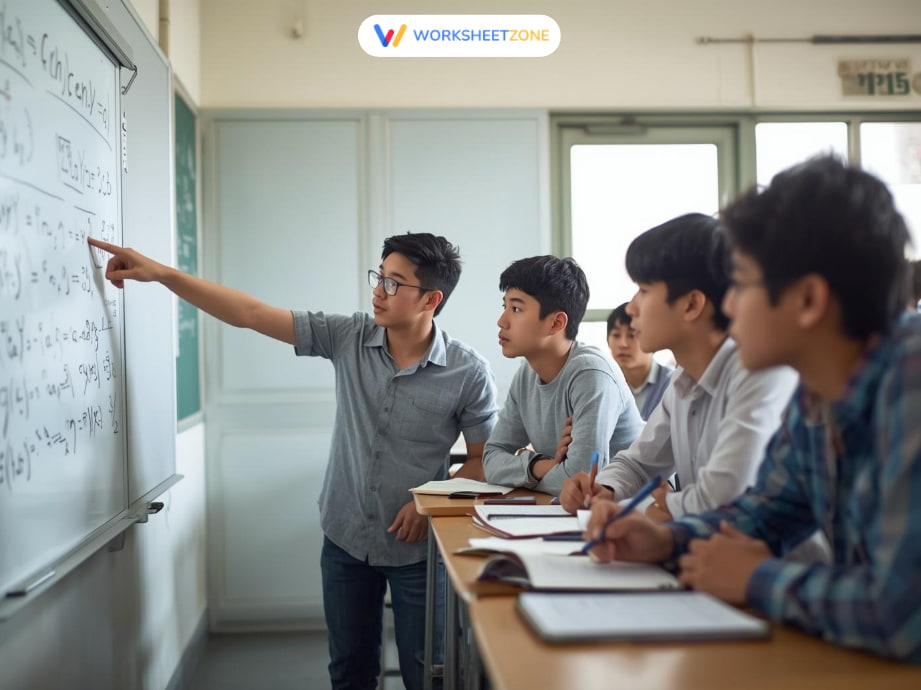
This strategy empowers students to explain concepts to their classmates, which reinforces their own understanding of the material. There is a unique cognitive benefit to teaching a peer, as it requires the “teacher” to organize their thoughts with extreme clarity. This social interaction also builds confidence and fosters a supportive community within the classroom.
14. Retrieval practice
Retrieval practice involves frequently bringing information to mind from memory rather than simply re-reading notes. This strategy strengthens neutral pathways and makes it much easier for students to access that knowledge during exams or real-world applications. It is one of the most scientifically proven methods for converting short-term learning into long-term memory.
For abstract concepts like nuclear chemistry, consistent drills are key. An isotope practice worksheet provides the repetition needed for students to become comfortable with mass numbers and symbols.
15. Visual learning strategies
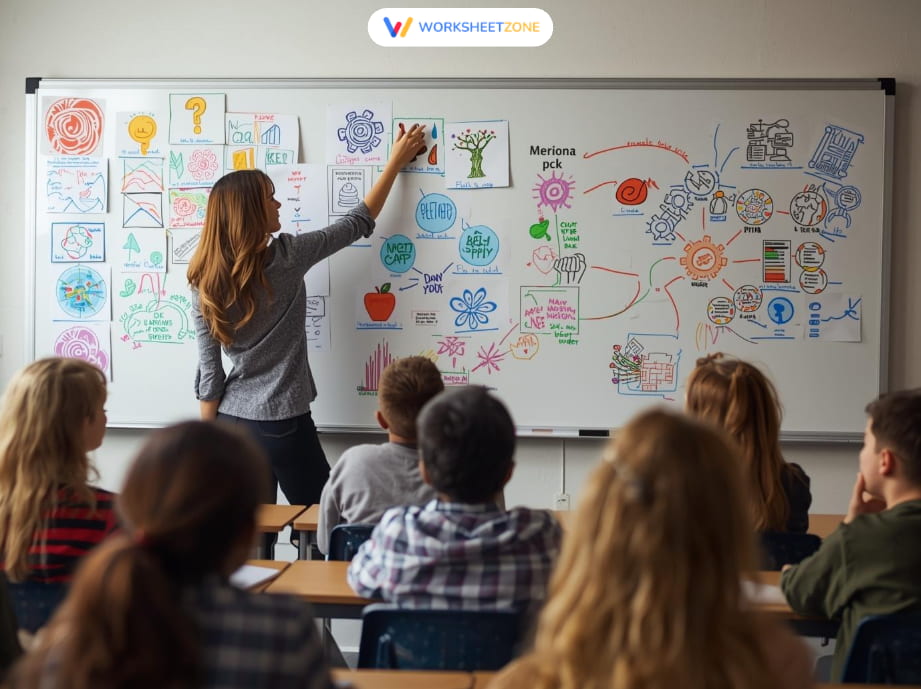
Visual learning strategies use tools like graphic organizers, mind maps, and diagrams to make abstract concepts more concrete. Since many students process information better through images, these tools help organize complex data into a digestible format. They provide a clear mental framework that helps students visualize the relationships between different ideas.
16. Metacognitive strategies
Metacognitive strategies teach students how to think about their own thinking and monitor their learning progress. By reflecting on which study habits work best for them, students become more self-aware and autonomous learners. This higher-level thinking skill allows them to adjust their approach when they encounter difficult materials.
17. Gamified learning
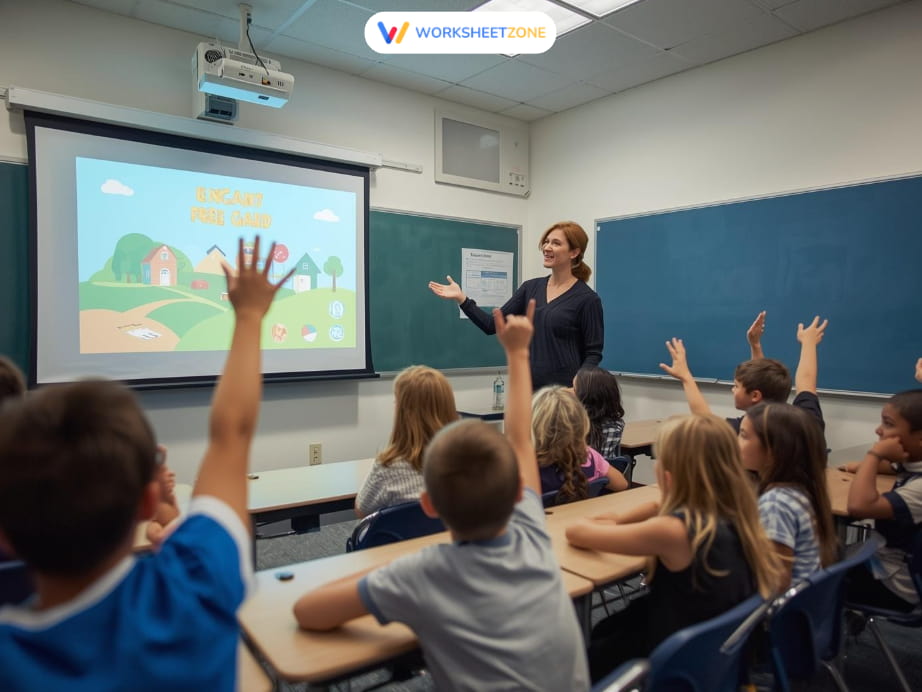
Gamified learning integrates elements of game design, such as points and leaderboards, into the curriculum to boost motivation. This strategy turns potentially dry lessons into an engaging challenge by using online interactive teaching tools that reward progress and persistence. It creates a low-stakes environment where students feel comfortable taking risks while mastering new concepts through play.
A simple way to apply this is to use a digital quiz maker to turn your standard lessons into interactive quizzes that feel like a game. This approach encourages friendly competition and allows you to transform static content into an immersive experience that keeps every student focused and eager to participate.
18. Culturally responsive teaching
This approach connects students’ personal cultural backgrounds and experiences to the classroom curriculum. By validating the diverse identities of every learner, teachers create an inclusive atmosphere where all students feel seen and valued. This strategy not only improves engagement but also fosters a more empathetic and globally aware student body.
19. Mastery-based learning
Mastery-based learning requires students to demonstrate a full understanding of a topic before moving on to the next concept. This prevents “Swiss cheese learning,” where students have holes in their knowledge that cause trouble later on. It emphasizes quality over speed, ensuring that foundational skills are rock-solid before building upon them.
20. Universal design for learning (UDL)
Universal Design for Learning (UDL) provides a framework to improve teaching by offering multiple means of engagement, representation, and expression. This proactive approach assumes that diversity is the norm and aims to remove barriers to learning for all students from the start. By providing various ways to access and demonstrate knowledge, EDL ensures true accessibility in education.
FAQs
1. How can a teacher effectively implement active learning in a crowded classroom?
Active learning in large classrooms requires structured activities like “Think-Pair-Share” or quick polling. By breaking the lecture into 10-minute segments followed by a 2-minute peer discussion, teachers ensure every student processes the information. This method reduces the pressure of managing a large group while maintaining a high level of individual cognitive engagement and participation across the entire student body.
2. What is the difference between differentiated instruction and personalized learning?
Differentiated instruction is a teacher-led approach where the educator modifies lessons for groups based on readiness. In contrast, personalized learning is student-centered, allowing individuals to have a voice in their learning path and pace. While both aim to meet diverse needs, personalized learning fosters greater student agency, while differentiation allows the teacher to manage varied academic levels more systematically.
3. Why is the “I do, we do, you do” model effective for complex topics?
The “I do, we do, you do” model, or explicit instruction, works by gradually releasing responsibility to the student. By first modeling the skill, then practicing together, and finally allowing independent work, teachers reduce the cognitive load on learners. This systematic progression prevents frustration and ensures that students have a clear, step-by-step understanding of complex procedures before they are asked to master them alone.
4. How does gamified learning improve student motivation without distracting from the lesson?
Gamified learning improves motivation by using game-like elements like points, badges, or leaderboards to reward progress. When these elements are tied directly to learning objectives, they create a healthy sense of competition and achievement. This approach transforms static lessons into interactive challenges, encouraging students to persist through difficult content by providing immediate, positive feedback and a clear sense of advancement.
Final thoughts
Selecting the right effective teaching strategies is not a one-size-fits-all process; it requires ongoing reflection and a deep understanding of your students’ unique needs. By mixing and matching these 20 approaches, you can create a versatile toolkit that addresses different learning styles and keeps the classroom environment fresh. The goal is always to move from passive instruction to active, meaningful engagement. As you implement these methods, remember that the most successful classrooms are those where students feel empowered to take ownership of their own educational journey.


