


























Views
Downloads



Essential ARP Language Diagnostic Test | Grade 1-4 ELA
Paste this activity's link or code into your existing LMS (Google Classroom, Canvas, Teams, Schoology, Moodle, etc.).
Students can open and work on the activity right away, with no student login required.
You'll still be able to track student progress and results from your teacher account.
This comprehensive ARP Language Diagnostic Test provides a multi-faceted assessment of foundational English Language Arts skills for students in Grades 1 through 4. By evaluating phonemic awareness, alphabet proficiency, and reading comprehension, this tool allows educators to identify specific learning gaps and tailor instruction to meet individual student needs effectively. State the skill and outcome first: this worksheet assesses baseline literacy to drive future growth.
At a Glance
- Grade: 1–4 · Subject: ELA
- Standard:
CCSS.ELA-LITERACY.RI.2.1— Ask and answer questions about key details in a text to demonstrate understanding- Skill Focus: Foundational Literacy & Comprehension
- Format: 6 pages · 45+ problems · Answer key included · PDF
- Best For: Initial screening and progress monitoring
- Time: 40–60 minutes
What's Inside
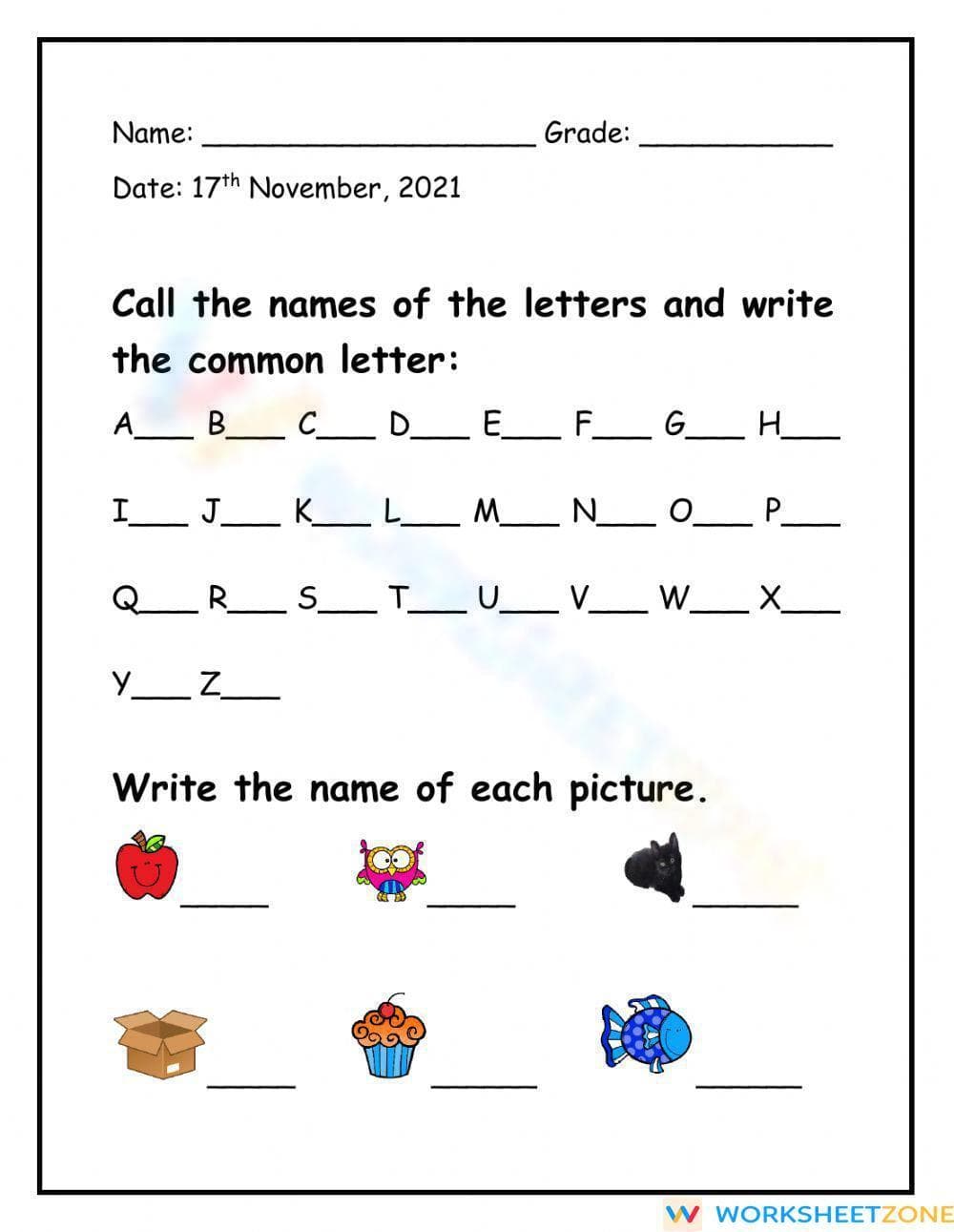
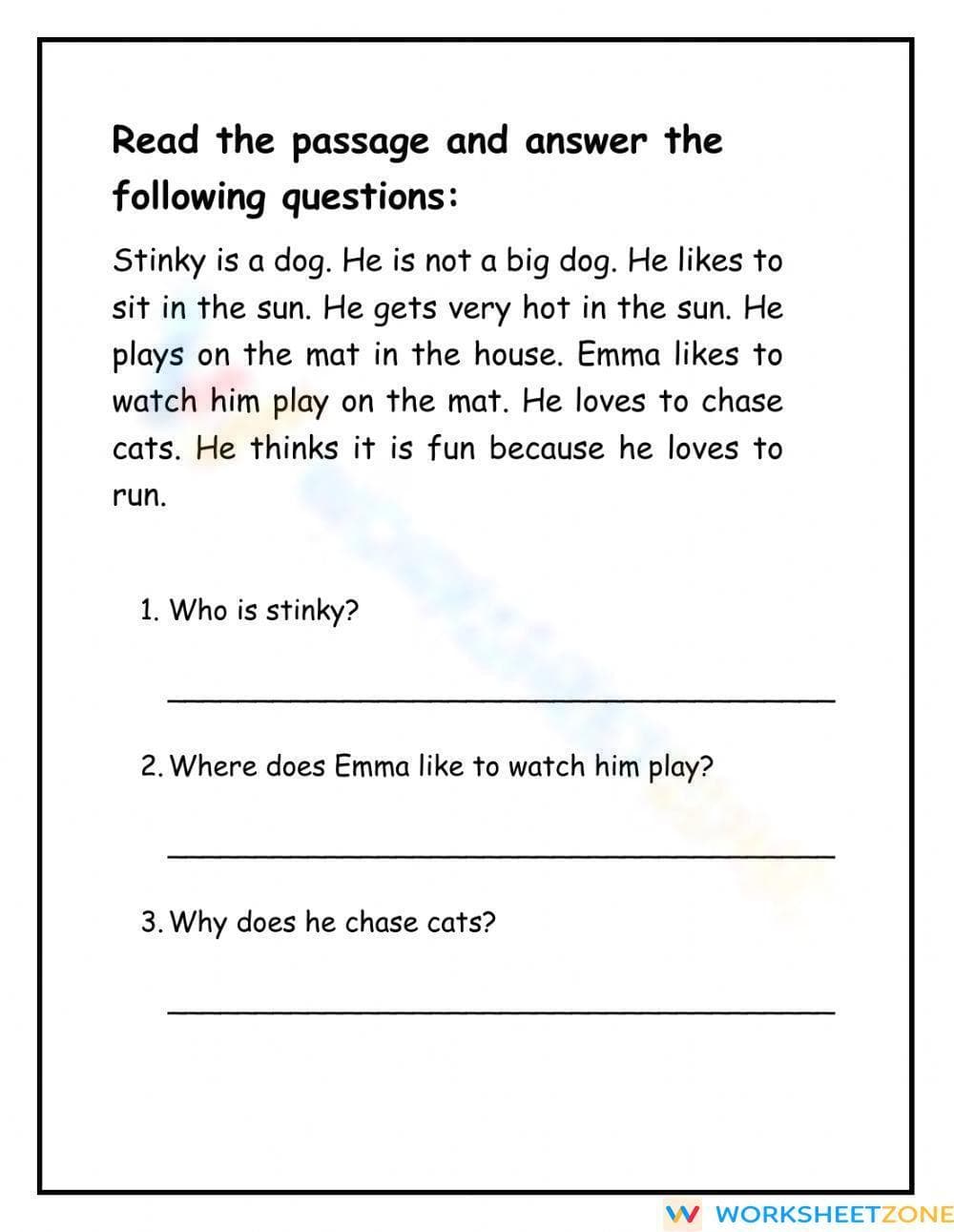
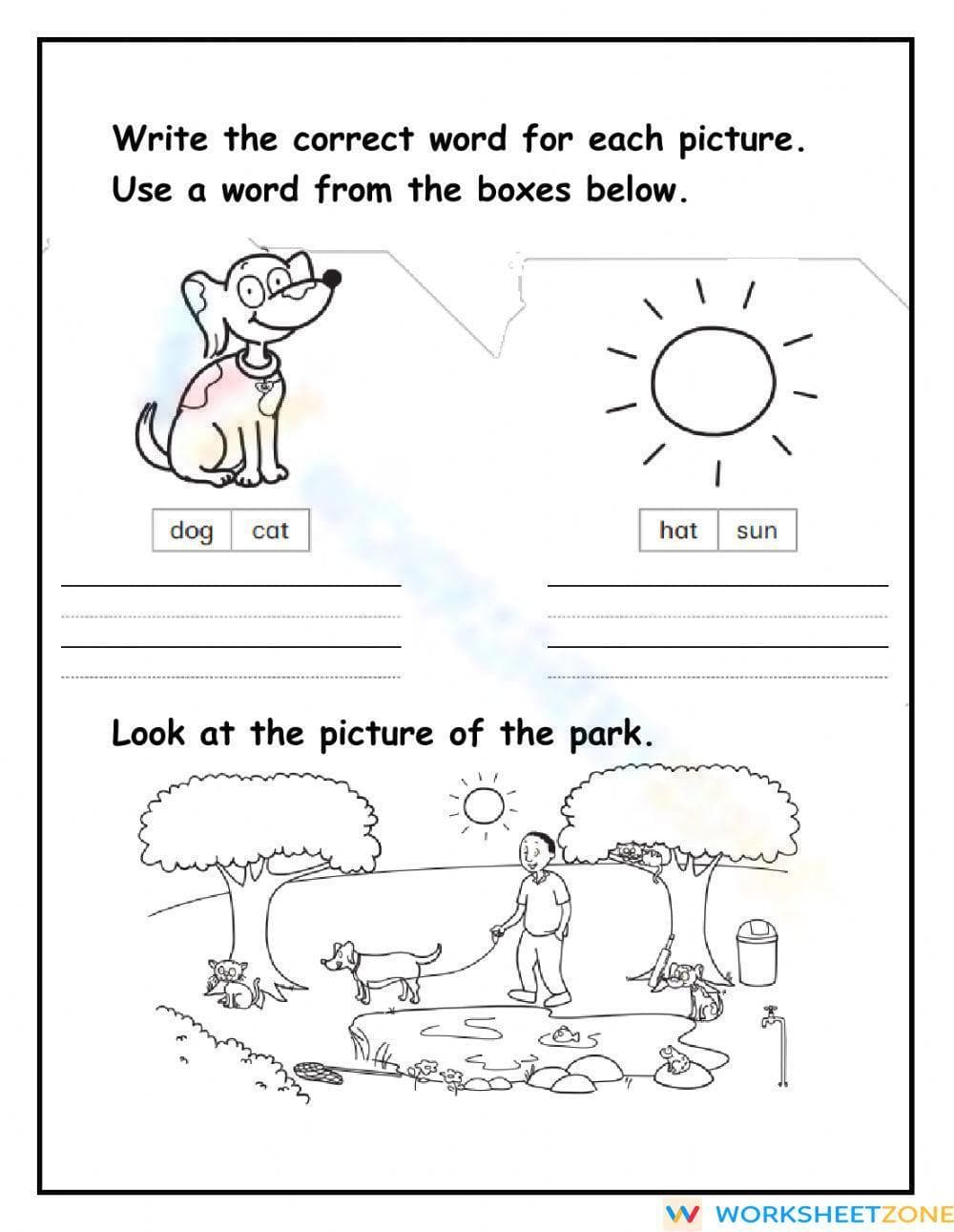
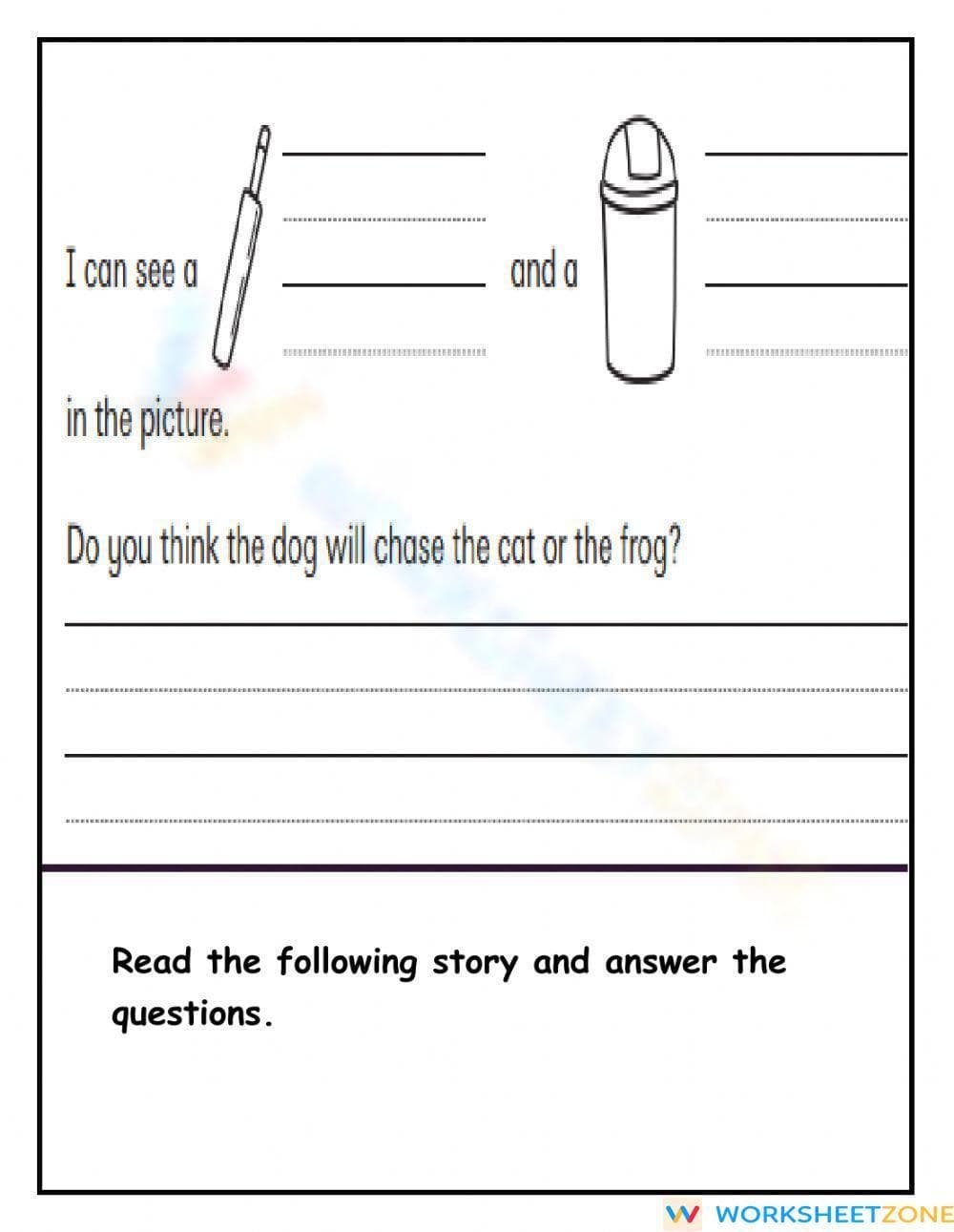
The diagnostic packet spans six high-quality pages, beginning with a complete uppercase alphabet review and initial sound identification for six common objects. It progresses into two distinct reading passages featuring narrative arcs about a dog named Stinky and a visit to the vet, accompanied by seven targeted comprehension questions. Additional sections include word-to-picture matching, sentence completion exercises, and a phonemic awareness check focused on isolating middle vowel sounds.
Mastery Evidence
This assessment is structured to provide clear evidence of mastery across multiple literacy domains. Task responses are mapped to specific tiers: Approaching (letter recognition), Meeting (word matching and basic phonics), and Exceeding (inference-based comprehension and sentence construction). Educators can use the included answer key to translate student performance into progress notes, ensuring that instructional decisions are backed by concrete data.
Standards Alignment
The primary focus is CCSS.ELA-LITERACY.RI.2.1, requiring students to ask and answer questions about key details in a text. Supporting standards include CCSS.ELA-LITERACY.RF.1.3 for phonics and word recognition. Both standard codes can be copied directly into lesson plans or curriculum mapping tools for rigorous documentation.
How to Use It
Administer this test as a pre-assessment to establish a baseline for your cohort. Observe if students struggle with phonemic middle sounds or narrative comprehension questions to inform small-group rotations. Most students will require approximately 50 minutes to complete all six sections, providing a robust snapshot of their current ELA standing for formative tracking.
Who It's For
Designed for general education students in Grades 1 through 4, this worksheet is also an excellent resource for English Language Learners (ELL) and students receiving Tier 2 intervention services. It pairs naturally with leveled reading passages or phonics anchor charts to bridge the gap between diagnostic findings and direct classroom instruction. Differentiation is built into the variety of task types provided.
The ARP Language Diagnostic Test leverages established pedagogical frameworks to deliver a robust assessment of student literacy. By aligning with CCSS.ELA-LITERACY.RI.2.1, this worksheet ensures students are measured against rigorous national benchmarks. The inclusion of 45+ discrete tasks allows for a statistically significant sampling of student ability, reducing the impact of outliers in individual performance. This resource serves as a reliable evidence-based tool for any modern ELA classroom looking to maximize instructional time through data-driven planning and targeted skill spotlighting.


