Worksheets
Lesson Plans
Coloring Pages
Home
Activity:
Topic:
CCSS:
A questionnaire that engages students in identifying and classifying literary works into fiction or non-fiction. Ideal for building comprehension skills.
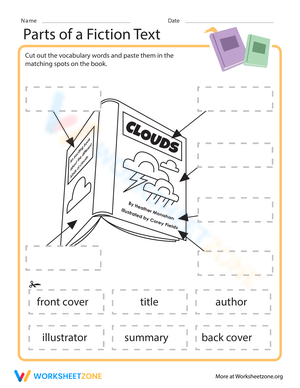
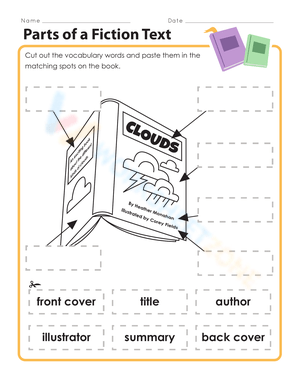
Kindergarteners are delving into the world of books! Utilize this convenient worksheet to assist students in practicing the identification of various parts of a fiction text.
Improve literacy skills with this fiction vs. nonfiction worksheet! Practice identifying story elements and different types of books and more now!
Improve reading comprehension with this fiction vs. nonfiction worksheet. Students identify key differences and answer questions to strengthen literacy and analytical skills.
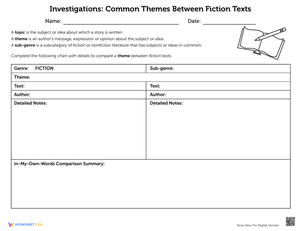
Identify common themes between fiction texts. Analyze recurring motifs in literature. Download now! #FictionThemes #LiteraryAnalysis
Explore common themes in Fiction Texts and enhance your understanding of literature. Perfect for students! Start learning about storytelling today! #FictionTexts
These characters are found in ___________ writing: Fictional Writing. Real events happen in: Nonfiction . In which type of writing does the author create a story setting? : Fiction. A table of content, index and glossary are typically found in ____________ writing: Nonfiction . Which is the best definition of fiction: A story that comes from the author's imagination.. Which of the following is most likely historical fiction: A novel that takes place during the real events of the World War II.. Which starting line of a story gives us a clue that it is fictional writing: "Once upon a time, there lived a princess in a far away land.". What is theme of a story: Central idea, message or moral of the story. . How can we best define plot: The events happening in the story.
Understand the parts of a fiction text with this educational worksheet! Learn about characters, setting, plot, and theme. Get it now! #FictionText #Elements
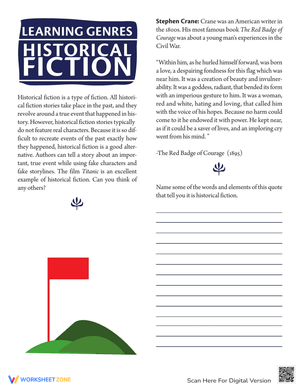
Explore the intriguing world of historical fiction with this comprehensive three-page worksheet. Discover what historical fiction is and explore examples from renowned writers like Stephen Crane, James Michener, and Nathaniel Hawthorne. Students will read excerpts from these authors' works and respond to prompts, culminating in the creation of their own short historical fiction piece. Tailored to fourth-grade reading and writing curriculum, this resource empowers children to enhance their fiction comprehension and evidence-based answering skills.
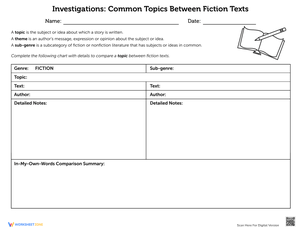
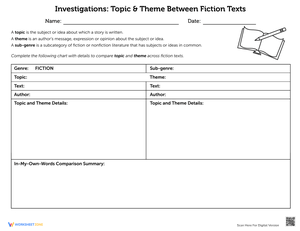
Enhance literary analysis skills by exploring the topic and theme between Fiction Texts. Perfect for students in literature or writing class. #FictionTexts
Explore literary genres! Learn about fiction, nonfiction, poetry, and drama. Discover subgenres and understand the characteristics of each.
Improve your knowledge of text genres with this worksheet and learn about forms like fiction and nonfiction so you can create your best works!
What is fiction: Writing that comes from the author's imagination. Historical Fiction: Sets characters against historical events. The purpose of Fiction is to:: Entertain. Biographical Fiction is :: About a real person, but events are made up. The three elements of fiction are :: Characters, setting, and plot. If the story is factual, about real events, subjects, or ideas, it is most likely:: . What are two genres of Fiction: Fables and Legends
Teach story structure, plot, setting, and character basics with this interactive worksheet. Boost creative writing skills through engaging activities for young learners.
Review different genres! Test your knowledge of fiction, historical fiction, mystery, and science fiction. Take the Genre Review quiz today!
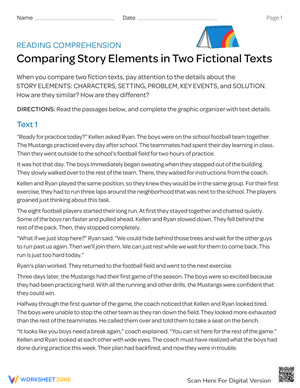
Enhance literary analysis skills by Comparing Story Elements in two fiction texts. Perfect for students! Start comparing and contrasting today! #StoryElements
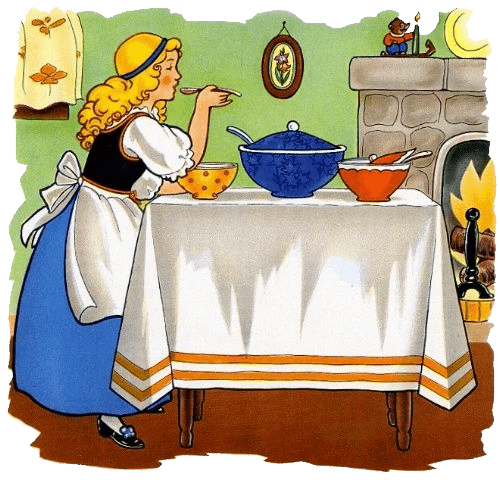
What are the people or animals in a story called: Characters. When and where the story takes place is called the : Setting. For every problem in the story, there is a : Solution. The trouble that a character has in a story is a: problem. How a character solves a problem is the : Solution. In the story Goldilocks and the Three Bears, Goldilocks, Mama Bear, Papa Bear, and Baby Bear are the: Characters. What is the setting in the story Goldilocks and the Three Bears: A cottage in the woods. What is the problem in the story Goldilocks and the Three Bears: Goldilocks was in the bear's cottage using their things. In the story Goldilocks and the Three Bears, what was the solution: Goldilocks ran away before the bears could eat her
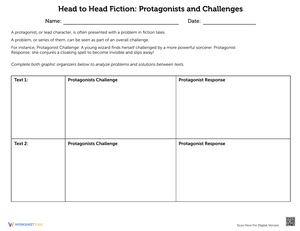
Explore the challenges faced by fiction protagonists with this worksheet. Perfect for analyzing characters and narratives. Download now to analyze them!
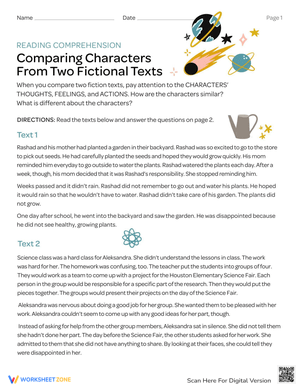
Compare characters from different fiction texts with this worksheet! Analyze traits and motivations. Download to enhance your understanding of literature!
Test your understanding of literary terms and narrative text structure with this engaging multiple-choice worksheet on character, setting, and plot.
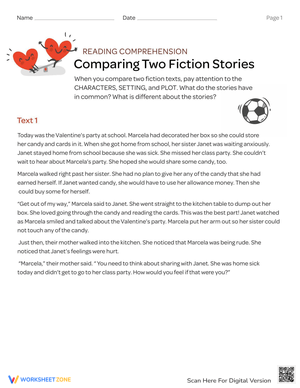
Improve literary analysis skills by comparing two fiction texts! Identify similarities & differences in plot, character & theme. Start analyzing today!
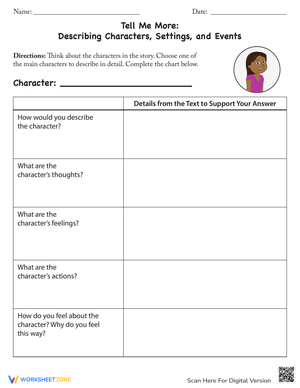
Empower your students with this helpful graphic organizer to vividly describe characters, settings, and events using specific details from the text. This worksheet can be used independently or as a valuable component of the lesson plan "Tell Me More: Characters, Settings, and Events," aiding students in honing their ability to provide detailed and insightful descriptions in their reading comprehension.
Delve into different types of Literary Genres! Test your knowledge of types, including historical fiction, science fiction, and more!
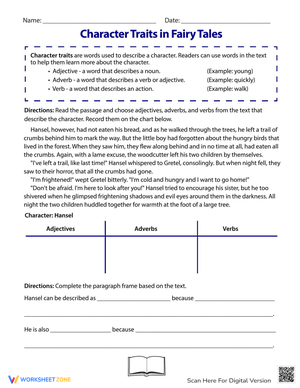
Analyze fairy tale characters! This worksheet helps identify character traits. Perfect for literature analysis. Download now! #FairyTales
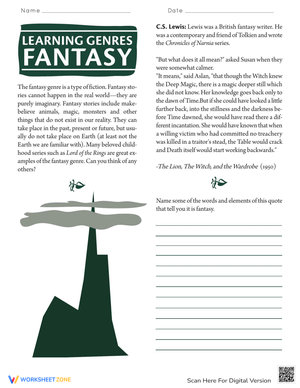
This three-page worksheet aids children in comprehending and contextualizing the fantasy genre. It presents passages from three renowned fantasy authors: C.S. Lewis, J.R.R. Tolkien, and H.P. Lovecraft. After reading, students respond to prompts that help them identify elements of fantasy in the texts. To further stimulate their imagination, kids are encouraged to draw and describe a mythical character they create. This fourth-grade resource seamlessly integrates into a lesson on fiction comprehension and answering questions with supporting evidence.
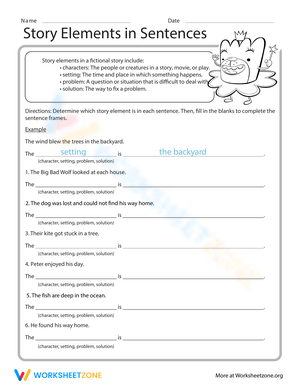
Learn about Story Elements in sentences with this worksheet! Understand plot, characters, and setting. Download and boost reading comprehension!
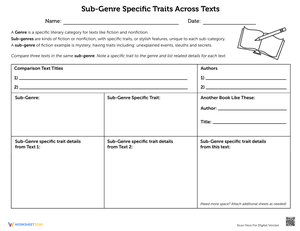
Identify characteristics in sub-genres with this useful worksheet. Spot the commonalities of sub-genres and improve analytical skill. Learn now!
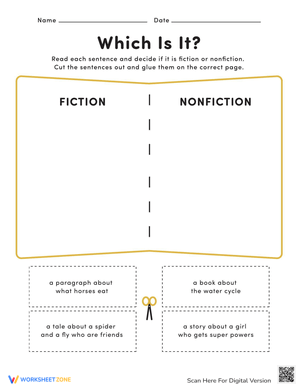
Teach the difference between fiction and nonfiction with this interactive activity. Great for young readers to enhance comprehension!
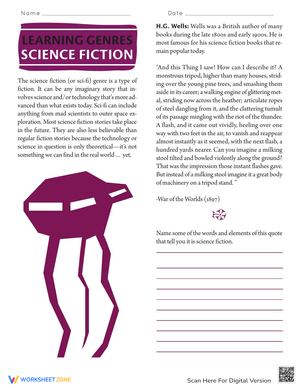
Science fiction is an immensely popular genre encompassing books, movies, and TV shows. For kids who enjoy science fiction, this worksheet offers a glimpse into the origins of some of the earliest sci-fi works. If you're fascinated by learning about various genres, keep exploring our collection of worksheets. To delve into the world of horror, check out this one next!
Explore story elements with our comprehensive quiz! Cover setting, conflict, plot, and author's purpose effectively. Start understanding now!
Find perfect worksheets
Grade + Topic search
Select your Grade level, Topic and Subject to find worksheets instantly or you can use keyword below to search what you need.
Make your own worksheets