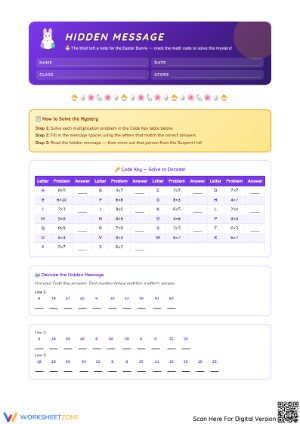
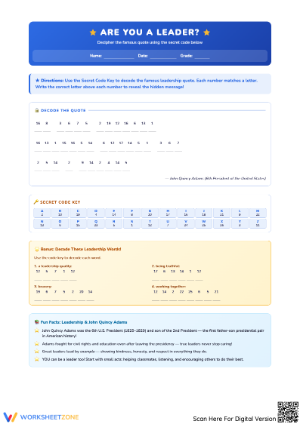
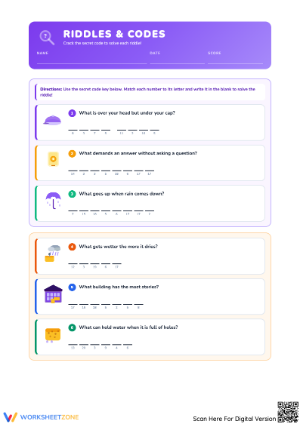
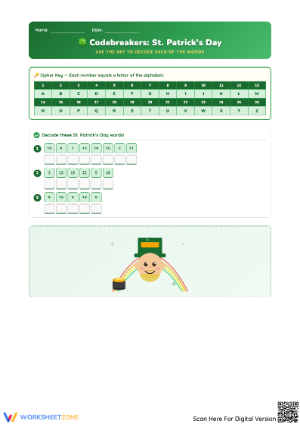
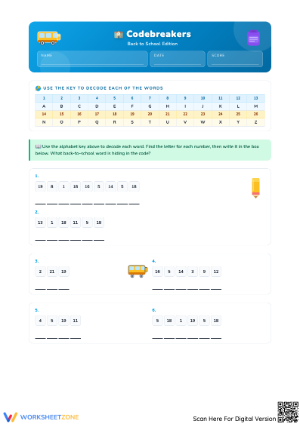
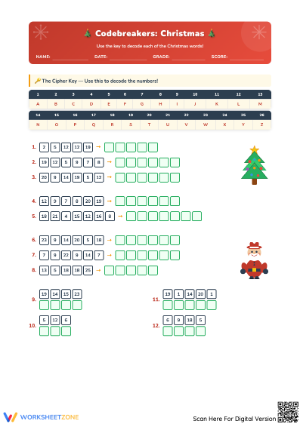
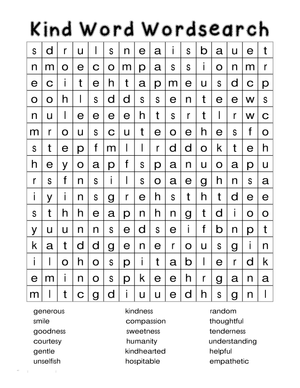
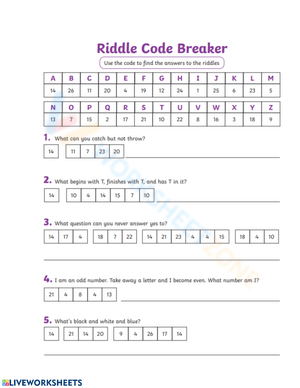
Puzzle worksheets give teachers a format that holds student attention without sacrificing the academic target — something a standard drill sheet rarely manages with the same consistency. This set covers the most commonly used classroom formats: word searches, crosswords, mazes, logic puzzles, and matching activities, each built around a specific skill rather than a vague theme. Every worksheet prints clearly, includes directions students can read independently, and comes with an answer key.
Puzzle Formats and Their Specific Purposes
Each worksheet in this set is organized around one format, which keeps the task structure predictable while the academic content changes.
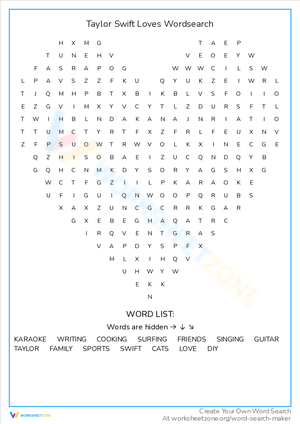
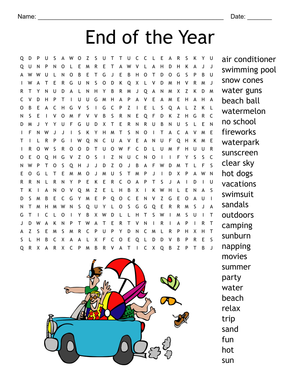
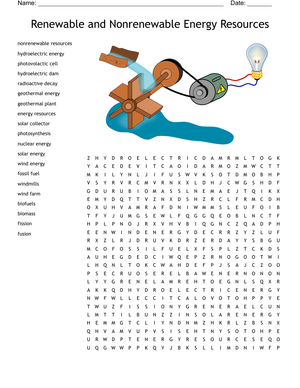
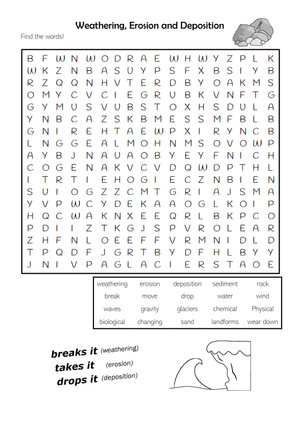
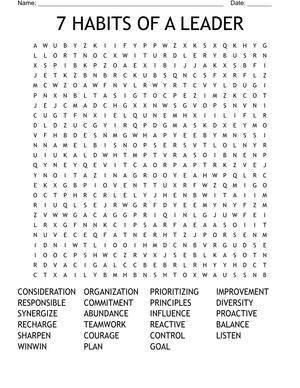
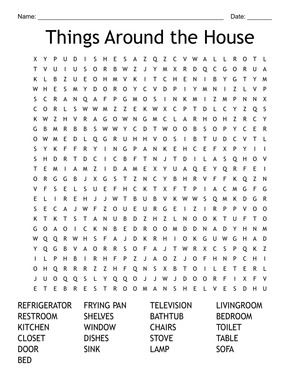
- Word searches — best for repeated exposure to vocabulary. Students locate terms multiple times, which supports recognition before full recall is expected.
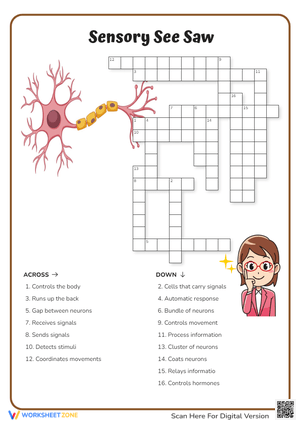
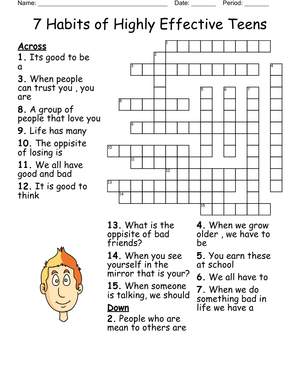
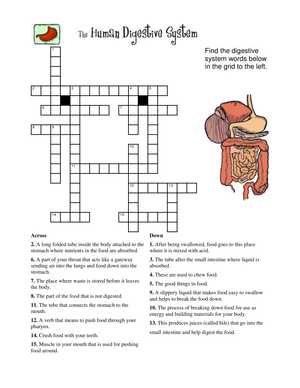
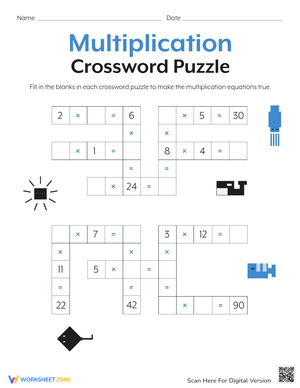
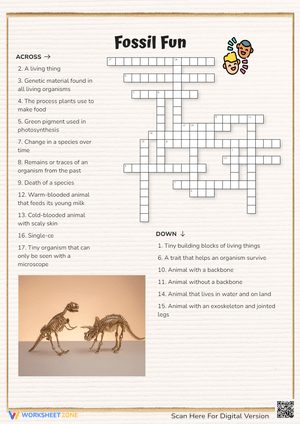
- Crosswords — require students to retrieve a word from a definition or clue rather than simply recognize it. That retrieval step makes crosswords a stronger choice when you want students to work with meaning, not just form.
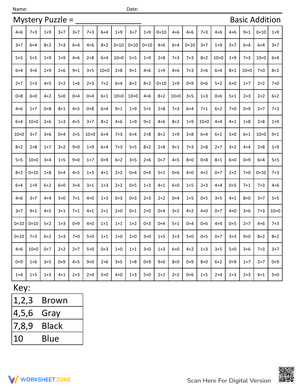
- Answer-path mazes — embed a practice problem at each decision point. Students who choose incorrectly reach a dead end, which creates immediate, low-stakes feedback without teacher intervention.
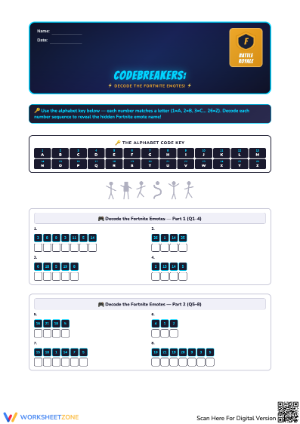
- Logic puzzles — present a set of clues that students must read, track, and use systematically to fill a grid. These are the most cognitively demanding format in the set and work best for enrichment or structured partner work.
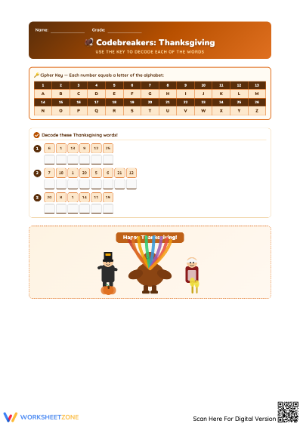
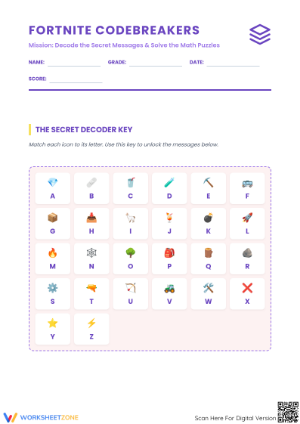
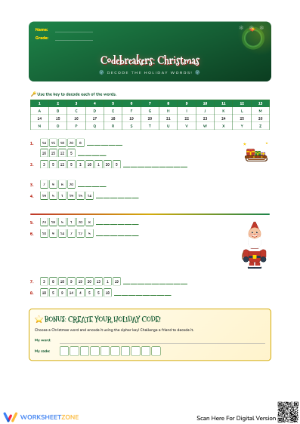
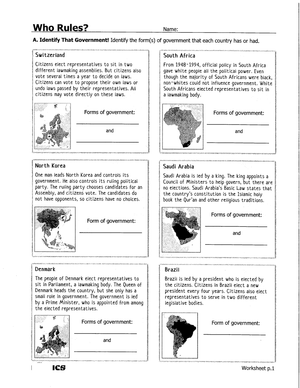
- Matching activities — connect terms to definitions, examples to categories, or symbols to meanings. The format is fast to complete, easy to check, and useful for short review sessions.
Why This Format Earns Repeated Use
The pedagogical value of puzzle-based practice is not novelty — it's repeated retrieval in a low-anxiety frame. When students work through a crossword, they are attempting to produce a word from memory, which is the same cognitive move required on a vocabulary quiz. The puzzle wrapper makes that attempt feel less evaluative, so students who tend to freeze under test conditions will often engage more fully here. Spaced retrieval — returning to content days or weeks after initial instruction — is one of the best-supported moves in learning science, and subject-matched puzzle worksheets fit cleanly into that model without requiring teachers to rebuild a lesson from scratch.
The cross-curricular range matters as well. In ELA, word searches and crosswords support spelling, vocabulary, and content-specific terminology. In math, answer-path mazes give computation practice a consequence for wrong answers. In science and social studies, logic puzzles and matching worksheets help students actively sort facts from reading or class notes rather than passively reread them.
Mistakes Students Make That These Worksheets Help You Catch
Crosswords surface vocabulary gaps that multiple-choice items often mask. A student who can select "photosynthesis" from four answer choices may still write "photosintesis" in the crossword grid — and that misspelling tells you something useful. The fill-in format requires accurate spelling and an exact letter count, which pushes students from partial recall to precise production. In practice, this is where you find out which terms students actually know versus which ones they can recognize when prompted.
Logic puzzles reveal a different error pattern. Most students who struggle are not failing at reasoning — they're failing to read and hold multiple constraints at the same time. They will solve clue one, ignore clue two, and then be surprised when their grid doesn't work. A brief whole-class walk-through of the first two clues, modeling how to mark "not this" before committing to "this," usually unlocks the format for students who initially give up. Maze worksheets expose a related tendency: students who rush pick a path before solving the problem at each decision point, then backtrack and guess again rather than returning to work the item correctly. That pattern is worth addressing directly before students begin independent work.
Recommended Lesson-Planning Strategies for Getting the Most From These Worksheets
The most reliable placement is the five-minute opener reviewing content from two or three days prior — not yesterday, because that's too recent for retrieval to carry much effect, and not two weeks ago without a connection to current instruction. A word search or matching worksheet fits that window cleanly. Students begin independently, the teacher handles logistics or takes attendance, and the class reviews answers in under two minutes before new instruction starts.
Center rotations are a second strong placement. During small-group reading or math instruction, the rest of the class needs meaningful independent work they can manage without teacher support. Logic puzzles and crosswords hold students longer than a word search, which makes them a better fit for a 15–20 minute rotation block. For sub plans, the maze and matching worksheets are the most manageable — directions are simple, completion is visible, and the substitute doesn't need subject-matter expertise to monitor the room. Puzzle worksheets also make a low-pressure homework option: a crossword tied to this week's word list gives families something to engage with that doesn't require them to know the full teaching sequence.
Adjusting Each Worksheet for a Range of Learners
Word searches require the least modification — they're already accessible to students reading below grade level, and removing the word bank raises the challenge without changing anything else about the page. Crosswords are more tiered by nature: students who struggle with spelling can fill answers with a partner or consult their notes; students who finish early can write a sentence using any three answers they found difficult to place. For logic puzzles, providing the first completed row as a model — rather than re-explaining the strategy verbally — gives students who are stuck a concrete starting point to replicate without reducing the cognitive demand for everyone else.
Maze worksheets differentiate naturally because the format stays constant while the content at each decision node shifts. The same maze structure works for a third-grader matching single-digit multiplication facts and for a sixth-grader choosing between equivalent fractions. Students who have seen the format before don't spend mental energy figuring out how the page works — that attention stays on the content itself, which is where you want it.
Frequently Asked Questions
Do these worksheets come with answer keys?
Yes. Every worksheet includes a corresponding answer key. Word searches show found words marked in the grid; crosswords include a completed puzzle; logic puzzles show the filled grid with all clues satisfied; mazes show the correct solution path; matching activities list correct pairs.
What grade levels do these worksheets cover?
The set spans elementary and middle school use. Format difficulty ranges from straightforward word searches with visible word banks — appropriate for grades 2–3 — to multi-constraint logic puzzles that challenge grades 5–8. Content topics vary by worksheet, so teachers can match both format complexity and subject matter to their specific class.
How do I keep puzzle completion from becoming low-effort busy work?
Tie the content directly to current instruction — a worksheet built around this week's vocabulary list or unit terms stays academic by design. Then add a brief accountability step after completion: ask students to write three of their answers in original sentences, or identify one term from the worksheet they still want to revisit. That follow-up shifts the activity from completion to comprehension and takes under three minutes of class time.
Are these useful for test preparation?
Vocabulary crosswords reinforce precise term recall, which appears across content-area assessments. Logic puzzles build the close reading and systematic elimination that help students work through multi-step questions. Puzzle worksheets are not a substitute for direct test-format practice, but they strengthen the underlying skills that assessments measure — particularly when used consistently throughout a unit rather than the day before a quiz.












 Interactive Worksheet Maker
 Quiz Maker
 Word Search Maker
 Crossword Puzzle Maker
 Word Scramble Generator
 Sentence Scramble Generator
 Handwriting Worksheet Generator
 Name Tracing Generator
 Fill In The Blank Generator