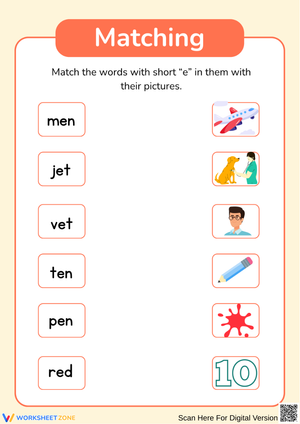
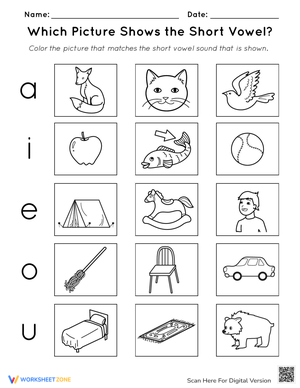
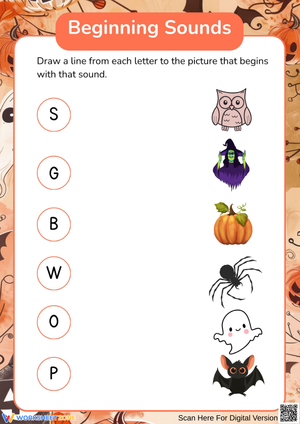
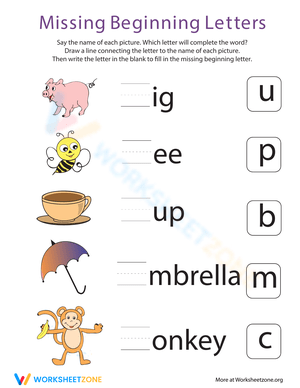
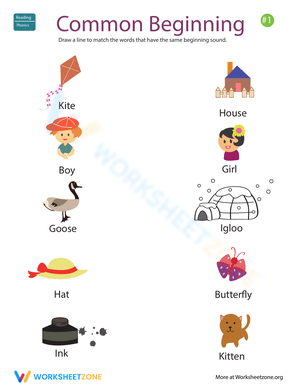
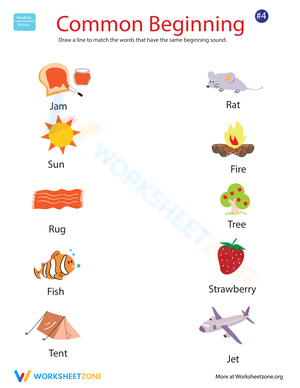
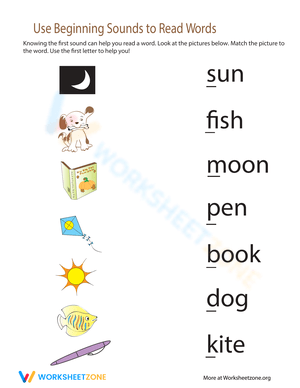
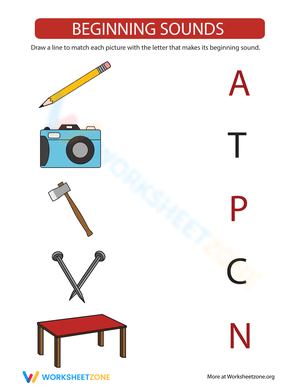
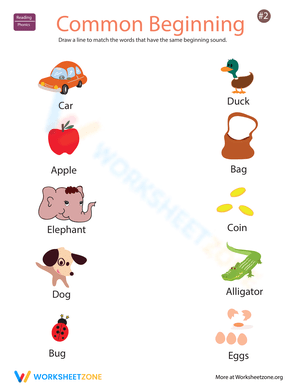
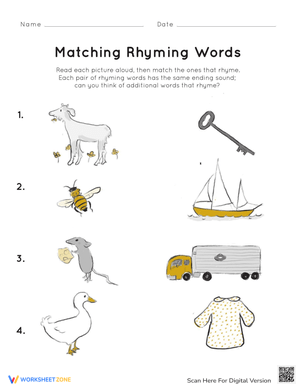
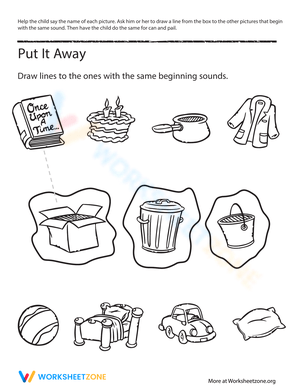
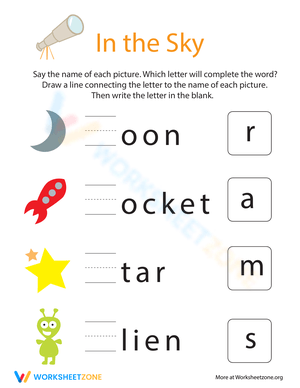
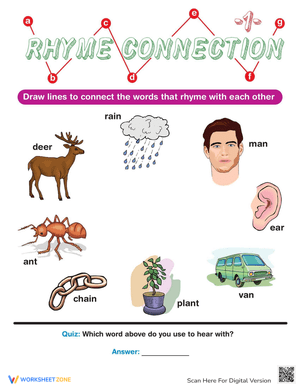
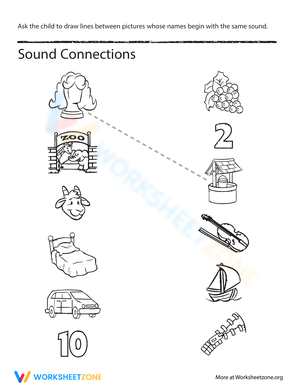
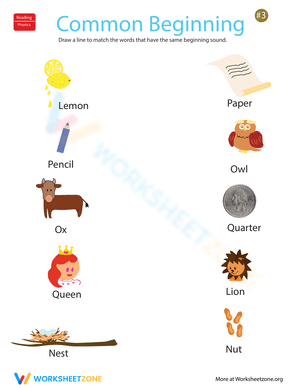
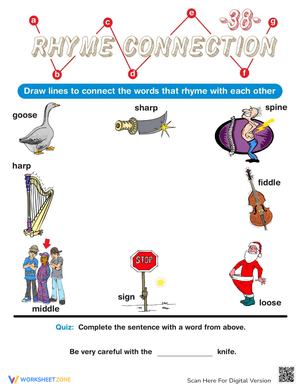
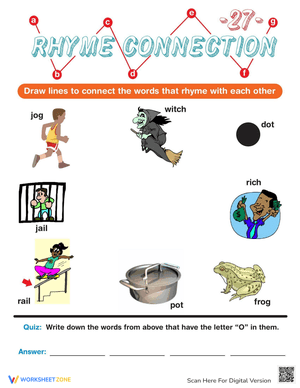
Preschool letter sounds matching worksheets help young learners connect letters with the sounds they hear at the beginning of words. At this stage, children are starting to understand that letters are not just shapes on a page; they represent sounds used in spoken language. Matching the letter B to a ball, the letter C to a cat, or the letter M to a moon gives preschoolers a simple and visual way to build early phonics awareness.
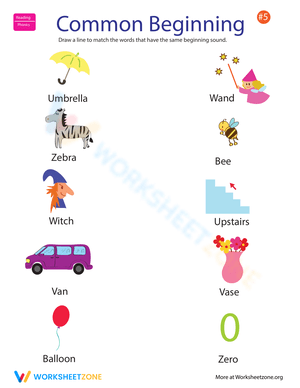
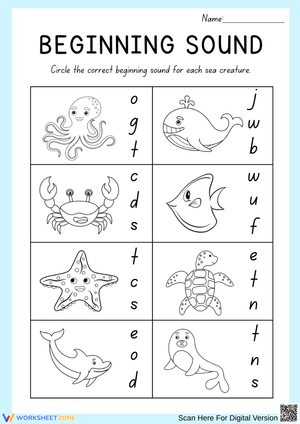
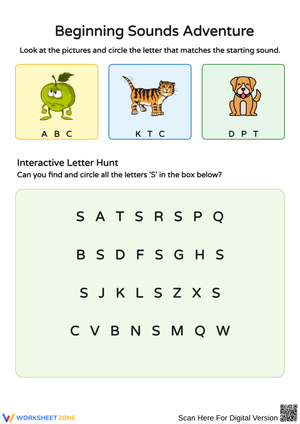
Sound matching works best when children can see, say, and hear the word at the same time. A worksheet might show a group of pictures and ask children to match each image to its beginning letter sound. For example, they may connect apple to A, sun to S, or dog to D. These activities help children practice listening carefully, identifying beginning sounds, and connecting those sounds to printed letters. Over time, this builds a strong foundation for reading and spelling.
Hands-on phonics practice can make letter sound learning more memorable. Before using worksheets, teachers can say a word aloud and ask children to repeat the first sound, sort picture cards by sound, or find classroom objects that begin with a target letter. For more playful lesson ideas, phonics activities for early learners can help teachers and parents combine movement, games, and sound practice in age-appropriate ways.
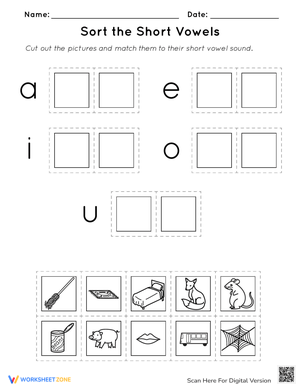
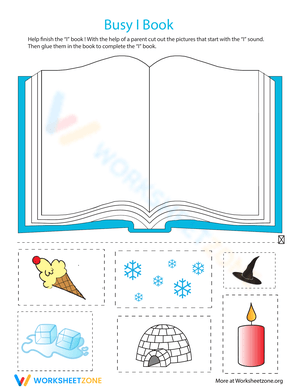
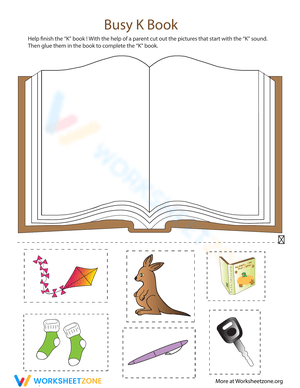
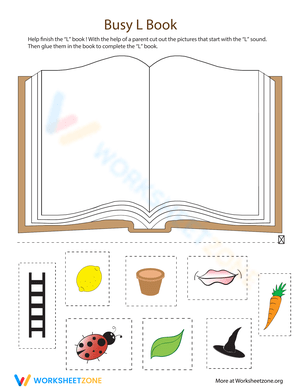
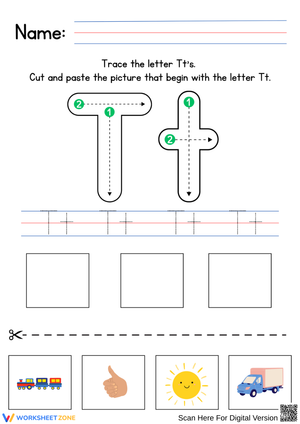
Some preschoolers learn best when they can cut, move, paste, and match pictures themselves. This kind of active practice encourages focus and gives children a stronger connection to the sound they are learning. For learners who enjoy tactile activities, cut and paste beginning sounds worksheets can support letter-sound recognition while also strengthening fine motor skills. These activities work well in literacy centers, small groups, homeschool lessons, or quiet practice time.
Preschool letter sounds matching worksheets are useful because they turn early phonics into a clear and friendly task. Children practice sound awareness, letter recognition, vocabulary, picture identification, and listening skills in one activity. With short, consistent practice, they become more confident hearing sounds in words and connecting those sounds to letters. This confidence is an important step toward early reading readiness.
Frequently Asked Questions
Question 1: What skills do preschool letter sounds matching worksheets help children practice?
These worksheets help children practice beginning sound recognition, letter identification, vocabulary, listening, and visual matching. Children learn to hear the first sound in a word and connect it to the correct letter. This is an important early phonics skill because it helps children understand how spoken sounds connect to written language. The activities also support focus, attention to detail, and early reading readiness.
Question 2: What letter sounds should preschoolers learn first?
Preschoolers often begin with common consonant sounds that are easy to hear and say, such as M, S, B, T, P, D, and C. Short vowel sounds can also be introduced gradually, but they may need more repetition because they can be harder for young children to distinguish. It is best to teach a few sounds at a time using familiar words, pictures, songs, and repeated examples rather than rushing through the whole alphabet.
Question 3: How can teachers use letter sounds matching worksheets in class?
Teachers can use these worksheets during literacy centers, small-group phonics lessons, morning work, or early reading practice. A teacher might first introduce a target sound, show picture examples, and say each word aloud with the class. Then children can complete a matching activity to reinforce what they heard. Afterward, teachers can extend the lesson by asking students to name more words that begin with the same sound.
Question 4: How can parents support letter sound practice at home?
Parents can support letter sound practice by turning everyday moments into sound games. They might ask, “What sound do you hear at the beginning of banana?” or “Can you find something in the room that starts with /m/?” Short, playful practice is often more effective than long drills. Parents can also read alphabet books, point out letters on signs, and use matching worksheets to help children connect sounds with familiar pictures.