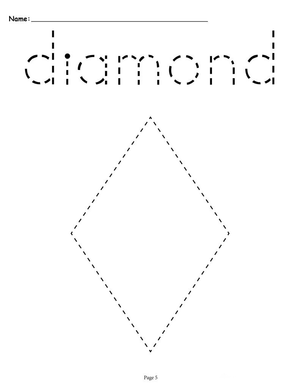
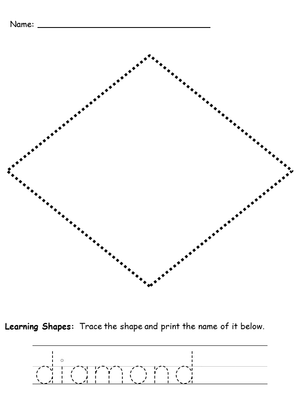
Helping your child recognize a new shape at the kitchen table can feel like a small mountain to climb, especially after a long day. Many parents feel the gentle pressure of being a teacher at home, and that feeling is completely understandable. Our diamond worksheets are designed to lighten that load by giving you a clear, friendly path to follow with your little learner. Each printable activity invites quiet focus and shared discovery, turning a tricky topic into a calm moment you can both enjoy together.
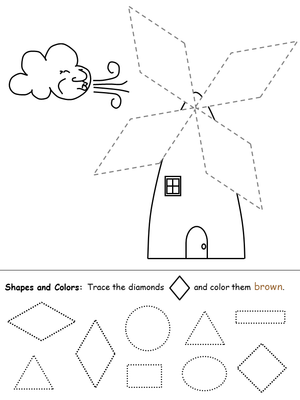
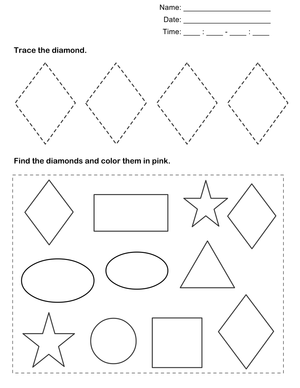
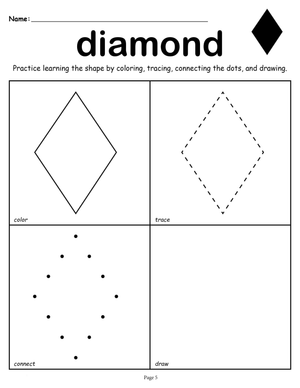
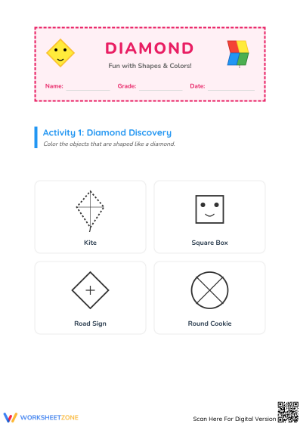
Confidence grows when children see steady progress, and that is exactly what these structured pages encourage. The collection moves gently from simple outline tracing to identifying the rhombus among other shapes, then on to drawing one independently. Your child can move at a comfortable pace, celebrating each small win along the way. Because every worksheet uses clear lines and generous spacing, even early writers feel successful, which keeps motivation high and frustration low during practice sessions at the family table.
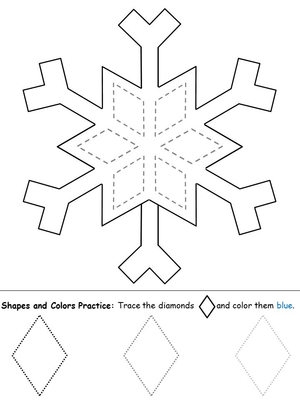
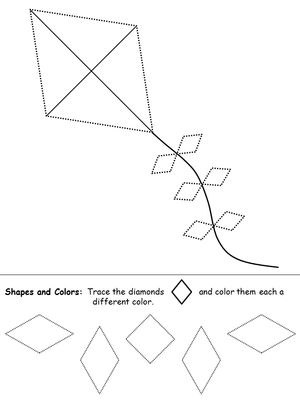
Children often learn best when practice feels like play, and these pages are filled with friendly visual touches that invite creativity. Patterns to color, kite scenes to decorate, and dot-to-dot diamonds give kids a reason to linger and explore. You can offer crayons, markers, or colored pencils and watch as your child personalizes each page in their own way. These small artistic choices help the rhombus shape stick in memory while turning a quick learning moment into a relaxed afternoon project the whole family can learn about together.
These resources also give you a helpful window into what your child is exploring during the school day. Teachers often introduce the rhombus alongside circles, squares, and triangles, so practicing at home reinforces classroom lessons without contradicting them. You will notice familiar vocabulary like sides, corners, and shape names appearing throughout the sheets, which lets you have meaningful conversations about geometry. Parents who want broader coverage can also pair these pages with our round shape practice set for a fuller introduction to early geometry.
Your support at home truly matters more than perfect answers, and a simple printable can become the bridge between curiosity and confidence for your child. Sit down together with crayons, gentle encouragement, and a quiet moment, and let learning unfold naturally. Print a page tonight, share a snack, and trace a few diamond shapes side by side. You may be surprised how quickly your child begins pointing out diamonds on signs, kites, and storybook pages after just a little practice with these diamond worksheets.
Frequently Asked Questions
Question 1: What age is best for introducing diamond worksheets at home?
Most children are ready to explore the rhombus shape between ages four and seven, when they are already familiar with circles, squares, and triangles. Younger preschoolers can enjoy simple tracing pages, while kindergarten and first-grade learners benefit from identification and drawing activities. The key is following your child's pace, offering short practice sessions, and celebrating effort rather than perfection during these early shape discovery moments at home.
Question 2: How can parents make shape practice feel less like a chore?
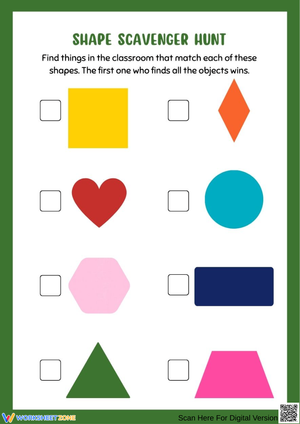
Try mixing tracing pages with coloring, dot-to-dot puzzles, and shape hunts around the house. Sitting beside your child, asking gentle questions about what they see, and adding crayons or stickers can transform practice into shared playtime. Keeping sessions short, around ten to fifteen minutes, also prevents fatigue. When children feel relaxed and supported, they absorb new shape vocabulary more naturally and look forward to the next worksheet adventure.
Question 3: Are these printables suitable for classroom small-group activities?
Yes, teachers often use these pages for centers, morning work, or quick small-group rotations focused on geometry foundations. The clear layout supports independent practice while leaving room for guided discussion about sides and corners. Pairing the worksheets with manipulatives like pattern blocks helps reinforce the rhombus concept across different learning styles. Many educators also send copies home so families can continue the same shape conversations beyond school hours.
Question 4: How do diamond worksheets connect to broader math learning?
Recognizing the rhombus builds the foundation for later geometry concepts like symmetry, angles, area, and quadrilateral classification. Children who confidently identify shapes early tend to approach measurement and spatial reasoning with greater ease in later grades. By practicing with diamond worksheets, your child develops vocabulary, fine motor control, and visual discrimination skills that carry over into many other math topics, from tangram puzzles to coordinate geometry exploration.













 Interactive Worksheet Maker
 Quiz Maker
 Word Search Maker
 Crossword Puzzle Maker
 Word Scramble Generator
 Sentence Scramble Generator
 Handwriting Worksheet Generator
 Name Tracing Generator
 Fill In The Blank Generator