Why kindergarten matching practice still matters
Kindergarten early literacy matching pdf worksheets work best when teachers need short, clear practice that children can start quickly and finish with confidence. In early reading, that matters. A matching page lowers the amount of writing required, keeps attention on one target skill, and gives teachers an easy way to see who can connect sounds, letters, and pictures without heavy prompting. For morning work, literacy tubs, quick checks, or a calm follow-up after direct instruction, matching tasks fit the pace of kindergarten classrooms.
They also support a practical teaching goal: keeping foundational reading work visible and manageable. A class may be learning letter names, hearing beginning sounds, noticing rhyme, and connecting oral language to print at the same time. Matching worksheets let teachers isolate one move at a time. Instead of asking students to decode too much too soon, the task asks them to notice, compare, and choose. That makes the work accessible for new learners while still giving teachers useful evidence.
Which early literacy skills these worksheets can target
The strongest worksheet sets stay focused on the early literacy skills kindergarten students actually practice every week. In most classrooms, that means alphabet knowledge, picture-word matching, beginning sounds, and rhyming. Each of those skills can be taught in a matching format without overloading children with long directions or extra steps. That is why this format shows up so often in centers, intervention folders, and independent review bins.
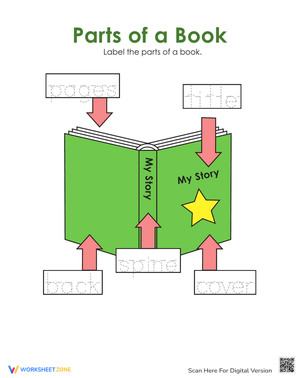
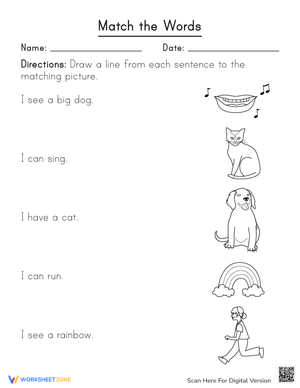
- Letter-picture matching helps students connect visual symbols to familiar vocabulary.
- Uppercase-lowercase matching gives repeated exposure to letter forms that children need to recognize automatically.
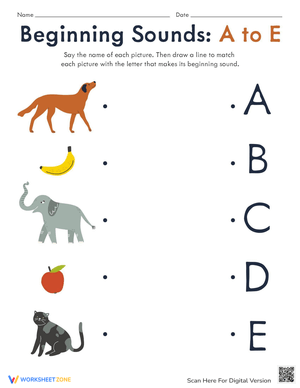
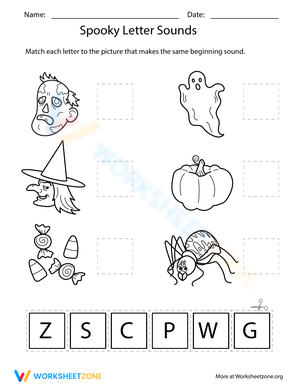
- Beginning sound matching asks students to listen for the first sound and connect it to a letter or picture.
- Rhyming matching builds phonological awareness through sound comparison before formal decoding becomes heavier.
Reading Rockets: Basics - Alphabet Knowledge highlights alphabet knowledge as a strong early reading predictor, while Reading Rockets: Basics - Phonological and Phonemic Awareness explains why hearing and manipulating sounds matters before reading becomes more complex. For teachers, that means a simple matching page is not filler. Used well, it gives repeated practice on the exact building blocks that support later reading growth.
What strong kindergarten matching worksheets look like
Not every printable is equally useful. Good kindergarten early literacy matching pdf worksheets are easy to scan, visually clean, and limited to one skill target per page. Students should be able to understand what is being matched from the layout itself. If a worksheet asks children to match uppercase letters, the page should not also ask them to sort by color, count items, or write complete words. Kindergarten readers do better when the task direction is narrow and the page design reduces noise.
Teachers should also look for visual support that fits beginning learners. Clear pictures, familiar objects, readable letter forms, and enough white space all make the task easier to explain. Short practice sets are often more useful than crowded pages because they let teachers rotate the same skill in multiple settings. A child can complete one page independently, repeat a similar page in small group work, and then revisit the same skill in intervention without feeling like the format changed.
A common reason matching pages work so well in kindergarten is that they reduce the motor load at the exact moment teachers want to measure a reading-related skill. When a student only needs to draw a line, circle, or point, the teacher sees whether the child knows the letter or hears the sound, not whether handwriting stamina got in the way.
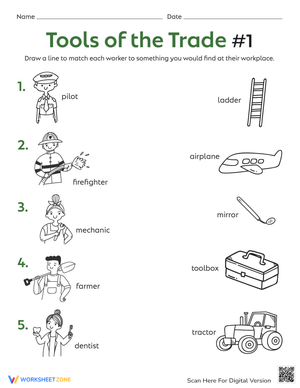
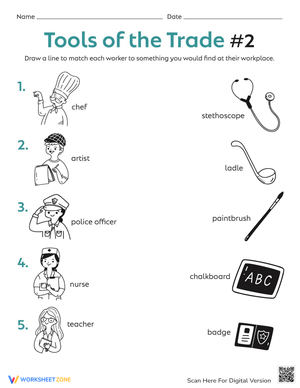
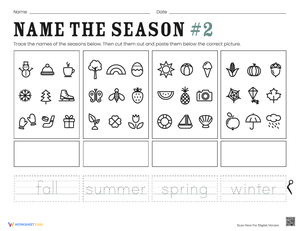
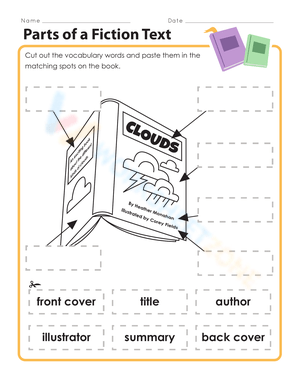
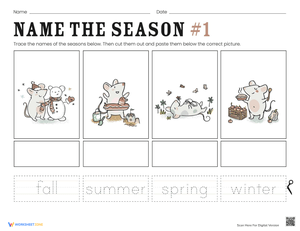
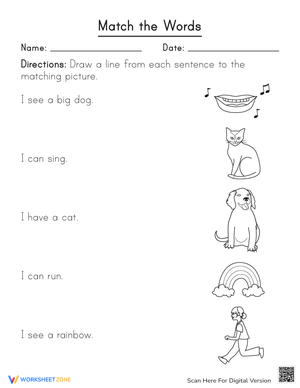
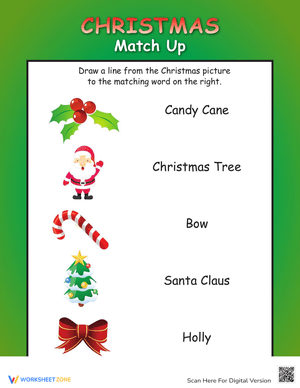
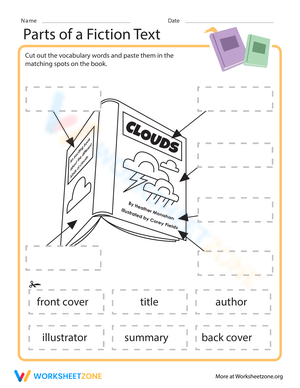
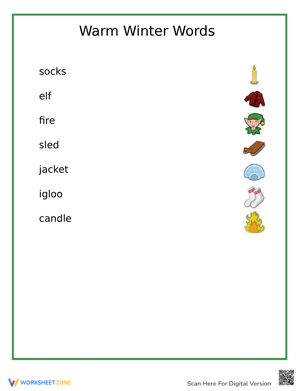
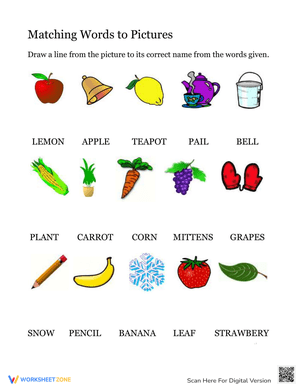
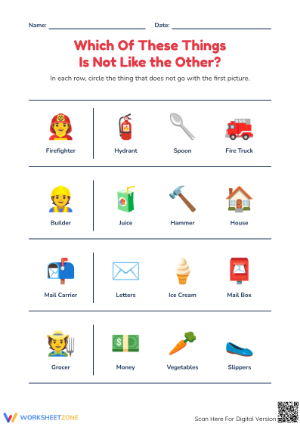
Worksheetzone Early Literacy Matching Worksheets PDF shows why this format is practical for classroom use: one printable collection can cover 4 foundational targets, including letter-picture, uppercase-lowercase, beginning sound, and rhyme matching. That range gives teachers a compact way to check readiness skills without changing routines or directions across every page.
Classroom Implementation
Teachers usually get the most from matching worksheets when they assign them to a specific moment in the literacy block. In centers, the pages work well as a fast-start task after students already know the routine. In small groups, the same page can become a guided check for whether students can apply a skill after a mini-lesson. In intervention, a matching worksheet is useful because it keeps the task narrow enough for repeated practice without feeling punitive.
A simple rotation model keeps the pages purposeful:
- Use one worksheet during whole-class introduction as a modeled example.
- Place a parallel worksheet in centers for the same week.
- Pull one small group for a teacher-led version with verbal prompting.
- Send a similar page to independent review only after the skill is familiar.
This sequencing matters because independence should come after explicit teaching, not before it. Matching pages are easy to complete, but that does not mean they are self-teaching. When students first see a new sound pattern or rhyme set, they still need the teacher to model how to look, say, compare, and choose. Once the routine is established, the worksheet becomes efficient rather than confusing.
These pages also pair well with quick oral extensions. After students finish, teachers can ask them to name the match aloud, sort the same items verbally, or explain why two words rhyme. That small follow-up turns a paper task into an instructional check and gives teachers better information than completion alone.
Why printable PDFs fit review and intervention
Printable PDFs are especially useful in kindergarten because consistency saves time. A teacher can print the same style of worksheet for multiple groups, file pages by skill, and reuse a predictable format across a week or unit. That reliability is valuable in busy classrooms where transitions need to be short and directions need to stay familiar. When the format remains steady, students can spend their attention on letters and sounds rather than on learning a new task structure.
PDFs also support differentiated use without requiring a different system for each group. One student might use a page for independent review, another might complete the same page with teacher guidance, and a third might revisit it during intervention with fewer choices covered or read aloud. The paper itself stays simple, but the instruction around it changes. That is often the most realistic way to manage early literacy practice in classrooms with mixed readiness levels.
How to keep the practice aligned to reading readiness
The best use of these worksheets is to match the page to the exact skill a child is ready to practice next. Early in the year, that may mean visual letter recognition and simple picture matching. As students gain confidence, teachers can shift toward uppercase-lowercase connections, first-sound listening, and rhyme discrimination. The page should reflect what students have already been taught, while still asking for enough thinking to confirm the skill is becoming secure.
Teachers can keep that alignment tight by asking a few planning questions before printing:
- Is this page targeting one skill clearly enough to give useful evidence?
- Will students recognize the pictures and vocabulary without extra teaching?
- Does the page fit the current phase of instruction, not a later one?
- Can I tell from student responses whether the issue is sound awareness, letter knowledge, or attention to the directions?
When those answers are yes, matching worksheets become more than seatwork. They become a quick classroom tool for checking whether children are noticing the features that early reading depends on. That is the real value for teachers: not the worksheet by itself, but the clean signal it can provide when the skill target is chosen carefully.
Frequently Asked Questions
1. What skills do kindergarten early literacy matching worksheets usually cover?
They usually focus on foundational targets such as letter recognition, uppercase-lowercase matching, picture-word connections, beginning sounds, and rhyming. Those skills fit the format because students can show understanding by comparing and choosing rather than by writing a long response.
2. How can teachers use matching PDFs in literacy centers or small groups?
In centers, use them as short independent practice after the routine is familiar. In small groups, use the same type of page as a guided check after direct teaching. The format works well when teachers want a fast task that still shows whether students can apply a specific early literacy skill.
3. Are matching worksheets appropriate for independent kindergarten practice?
Yes, if the skill has already been introduced and the page uses clear visuals with simple directions. They are most effective for independent practice when the task structure is familiar and children do not need to decode a lot of text to complete the work.
4. What should teachers look for in a good early literacy matching worksheet set?
Look for pages that target one skill at a time, use familiar images, keep directions short, and provide enough variety to revisit the same concept across review, centers, and intervention. A strong set should feel easy to explain while still giving teachers useful evidence about reading readiness.












 Interactive Worksheet Maker
 Quiz Maker
 Word Search Maker
 Crossword Puzzle Maker
 Word Scramble Generator
 Sentence Scramble Generator
 Handwriting Worksheet Generator
 Name Tracing Generator
 Fill In The Blank Generator