Why kindergarten reading matching worksheets belong in the literacy block
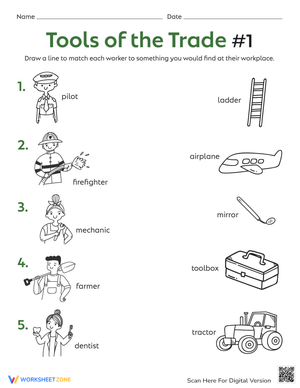
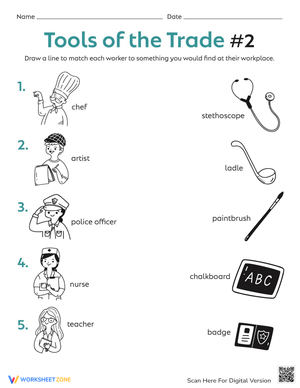
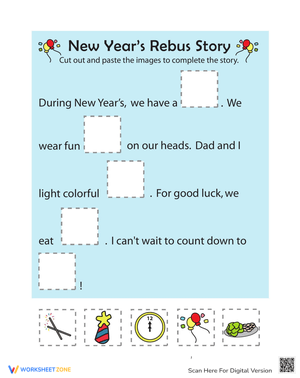
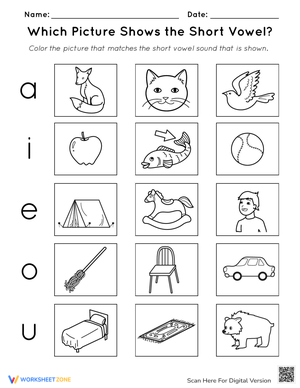
Printable reading matching worksheets work well in kindergarten because they turn early reading ideas into a visible task that children can complete with limited text and clear routines. On the Worksheetzone page for kindergarten reading matching printables, the format matches what teachers often need most: short activities that help students connect print, pictures, and spoken language without adding extra directions. That makes them practical for morning work, literacy tubs, intervention groups, and quick review after a mini-lesson.
For teachers planning a balanced reading block, matching pages also reduce the barrier for emergent readers who are still building stamina. A child can show understanding by drawing a line, circling a pair, or identifying a picture-word match, even before writing full responses independently. When the worksheet is well designed, the cognitive work stays on the reading target rather than on managing a complicated page. That is why reading matching worksheets printable for kindergarten remain a useful format instead of just a filler activity.
What foundational reading skills these printables can reinforce
In kindergarten, matching activities can support several early reading priorities at once. The English Language Arts Standards » Reading: Foundational Skills » Kindergarten page points teachers toward basic print features, phonological awareness, and early phonics knowledge. A matching worksheet cannot teach every skill by itself, but it can give children repeated chances to notice how print works and how sounds connect to letters and words.
- Print awareness: Students practice tracking left to right, noticing spaces between words, and distinguishing letters from pictures.
- Letter recognition: Children match uppercase and lowercase letters or identify target letters in a visual set.
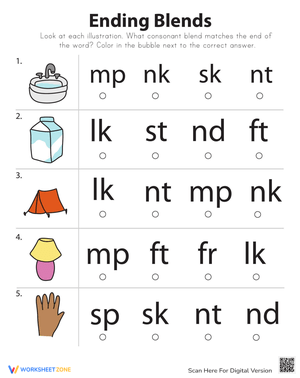
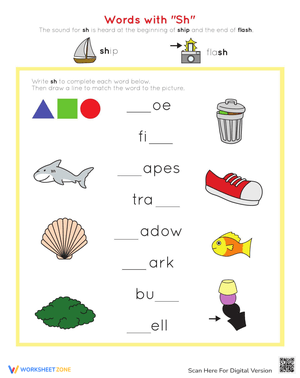
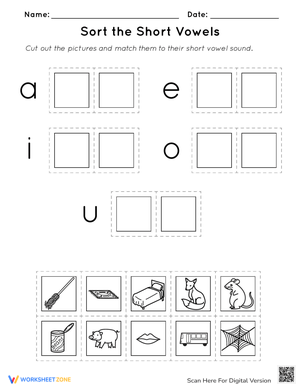
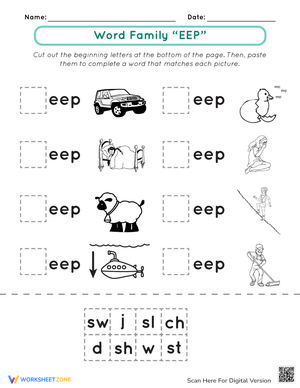
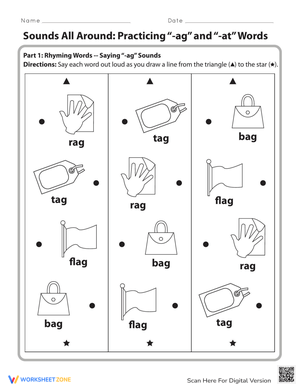
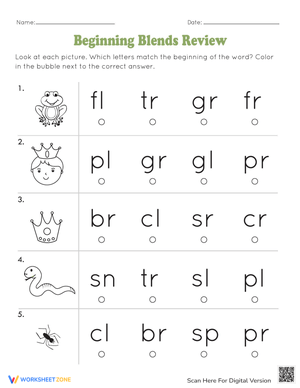
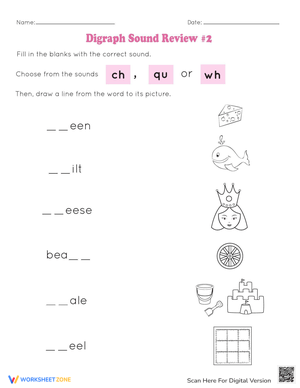
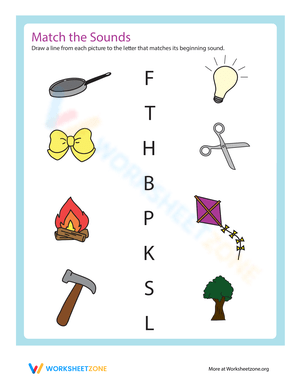
- Letter-sound connections: Students pair a beginning sound with a picture or match a letter to a familiar object name.
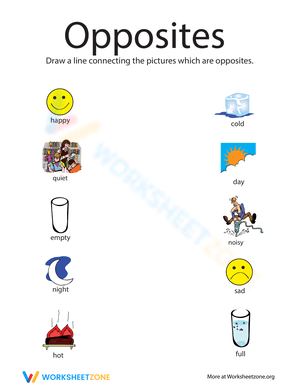
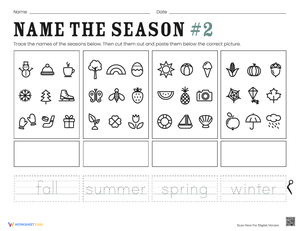
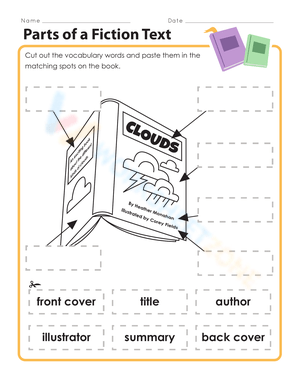
- Vocabulary and comprehension: Picture-to-word matching helps children attach meaning to the printed word in a concrete way.
These are appropriate uses for kindergarten because the task stays brief, observable, and easy to scaffold. A teacher can model one example, release students to finish the rest, and quickly see who is confusing symbols, sounds, or concepts. That kind of fast evidence matters in early literacy, where small misunderstandings can keep repeating if they are not noticed early.
Which matching formats are most useful for kindergarten readers
Not every matching page supports reading equally well. The strongest formats keep the visual field simple and tie each match to one clear literacy goal. On a kindergarten reading worksheet, teachers usually get the best results from tasks that avoid crowded layouts and use familiar images. When students are still learning how to attend to print, fewer items on the page often lead to stronger evidence of what they know.
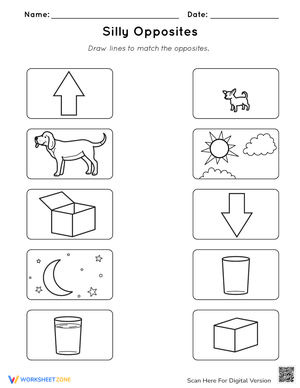
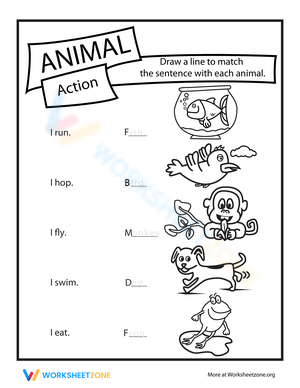
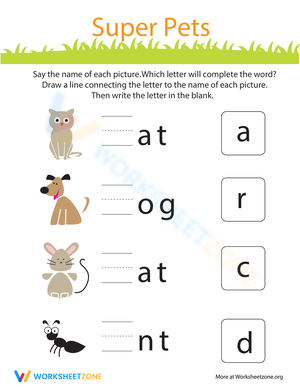
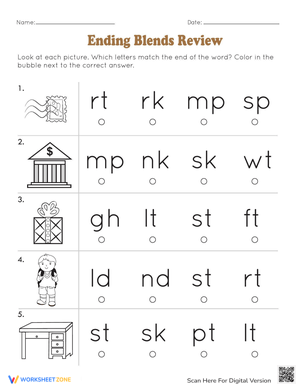
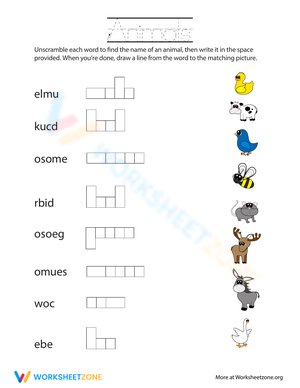
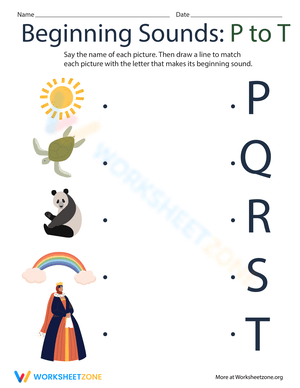
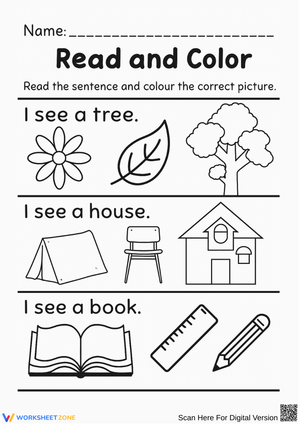
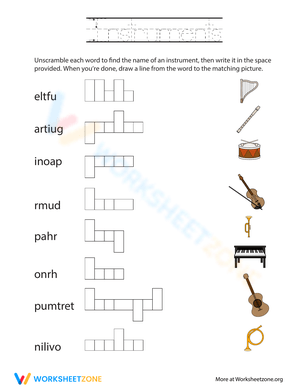
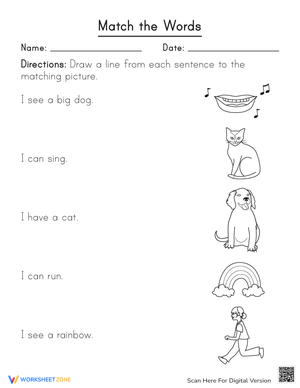
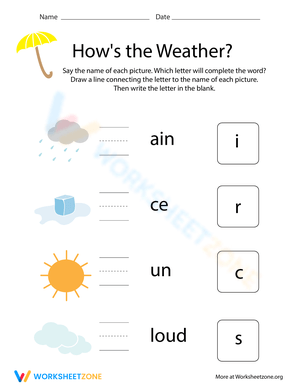
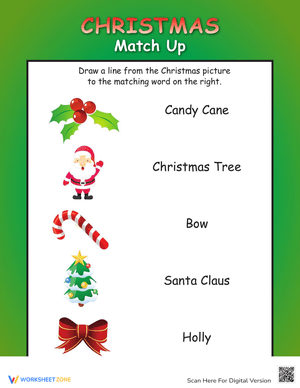
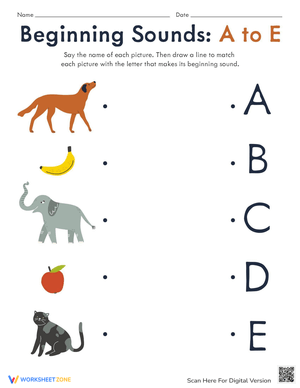
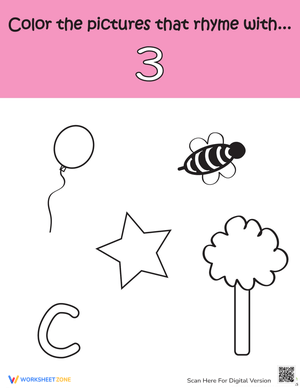
Picture-to-word matching is one of the most flexible formats because it helps students connect meaning and print at the same time. Uppercase-to-lowercase matching is effective when the immediate target is letter identification rather than vocabulary. Beginning-sound matching is helpful when students are moving from hearing a sound to linking it with a letter or picture. Teachers can also use simple word-to-picture formats to review classroom themes, shared reading vocabulary, or decodable words already taught in instruction.
The key is alignment. If the mini-lesson focused on initial sounds, the worksheet should not suddenly require sentence-level reading. If the goal was print concepts, the page should make students attend to text direction, word boundaries, or locating a word rather than guessing from decorative images. A good printable stays narrow enough that the teacher can say exactly what evidence the completed page provides.
Classroom Implementation
These printables are most useful when they are placed with a clear routine. In centers, a matching sheet can follow direct instruction so students practice a skill they have just seen modeled. In small groups, the same page can become a guided check where the teacher listens to student explanations before accepting a match. For intervention, teachers can reduce the number of options, cover part of the page, or complete every other item orally first so students enter the task successfully.
Independent use is possible, but it depends on the design. Kindergarten students can manage matching work on their own when the page uses consistent icons, large visuals, and one repeated direction. Before assigning the printable independently, teachers should ask whether students can identify what to do after seeing one model. If not, the worksheet is better used in a partner station or with teacher support.
Common classroom uses include:
- literacy centers after phonics or read-aloud instruction
- quick warm-ups during morning work
- exit checks at the end of a short reading lesson
- take-home review that does not require extensive adult explanation
- small-group reteaching when students need another pass at the same skill
Because the format is low prep, teachers can also reuse it across the week. Monday might be guided practice, Wednesday a center, and Friday a formative check. That kind of repetition helps students focus on the reading target instead of relearning a new task structure each day.
What teachers should look for before printing
Choosing the right worksheet matters more than choosing a large stack of worksheets. Teachers should look for printables that match the exact lesson objective, use uncluttered visuals, and present only a manageable number of choices. Kindergarten readers often know more than they can show on a busy page, so layout quality affects accuracy. If the worksheet asks students to do too much at once, the results may reflect task confusion rather than reading development.
One useful way to read student errors is to sort them by mismatch type. If a child matches by picture category instead of beginning sound, the issue may be semantic overreliance rather than lack of phonics exposure. If a child confuses uppercase and lowercase forms but names the sound correctly, the instructional response is different. Matching worksheets can surface these patterns quickly because each item isolates a small decision, making them more diagnostic than they first appear.
Teachers should also check whether the words and pictures are familiar enough to keep the task about reading rather than background knowledge. A simple set with common classroom vocabulary usually gives clearer information than a themed page full of less familiar items. When the printable is clean and well aligned to instruction, it becomes easier to trust what student performance is showing.
What the listed sources suggest about instructional value
Print Awareness | Reading Rockets emphasizes that early readers need repeated exposure to how print is organized and how books and words work. Matching tasks support that need when children connect a spoken word, a picture, and the printed form in one brief move. That is especially useful in kindergarten, where students are still learning to attend to print features that older readers take for granted.
According to English Language Arts Standards » Reading: Foundational Skills » Kindergarten, teachers are building across 4 areas: print concepts, phonological awareness, phonics and word recognition, and fluency. A well-targeted matching worksheet will not cover all 4 at once, but it can provide clean practice and quick evidence within one of those areas.
The Worksheetzone collection is valuable in this context because printable pages are easy to slot into real classroom routines. Teachers can print a focused worksheet for one lesson objective instead of adapting a broader activity. That saves planning time while keeping practice concrete for children who are just beginning to coordinate pictures, sounds, and print.
Frequently Asked Questions
1. What reading skills do kindergarten matching worksheets practice?
They can practice print awareness, letter identification, beginning sounds, picture-word connections, and emerging vocabulary. The strongest worksheet focuses on one or two skills so teachers can tell what students understood.
2. How can teachers use printable matching worksheets in literacy centers?
Use them after direct instruction with one modeled example and a familiar routine. They work well as a short center task, a partner activity, or a fast check at the end of a phonics or shared reading lesson.
3. Are reading matching worksheets appropriate for independent kindergarten work?
Yes, when the page has simple directions, large visuals, and a repeated task pattern. If students need multiple explanations to start, the worksheet is better for guided practice or small-group support.
4. What should educators look for in a kindergarten reading matching printable?
Look for a clean layout, clear alignment to the lesson target, familiar vocabulary, and enough white space for young learners to track items easily. Those features make the worksheet more accurate as both practice and formative assessment.