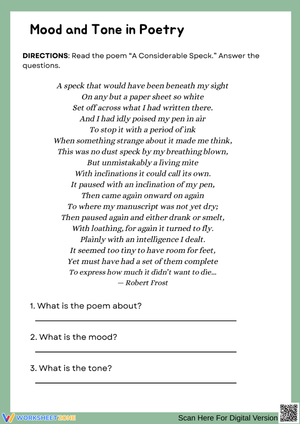
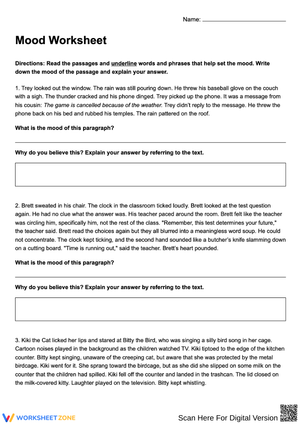
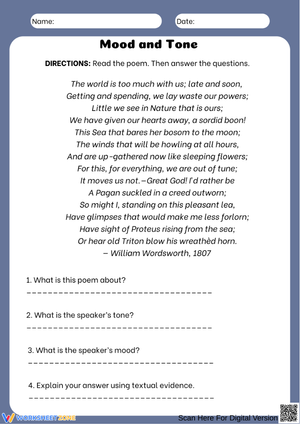
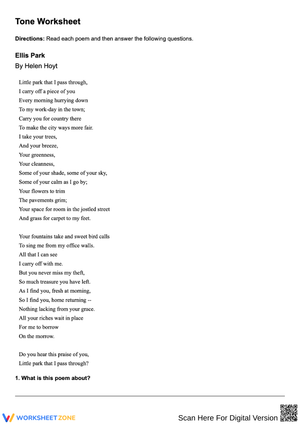
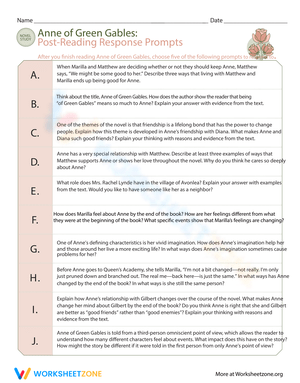
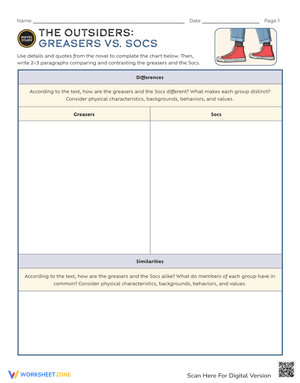
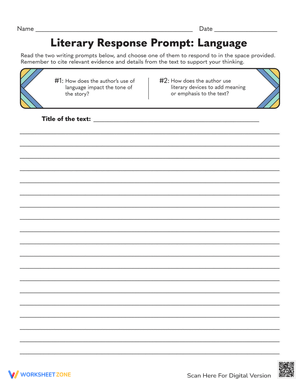
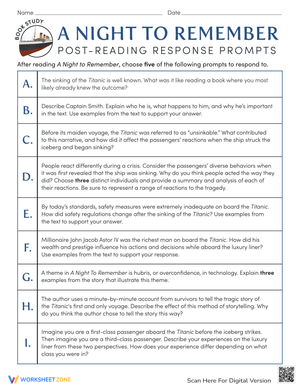
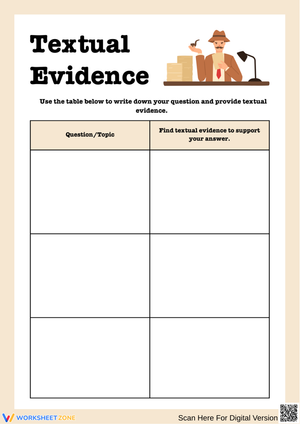
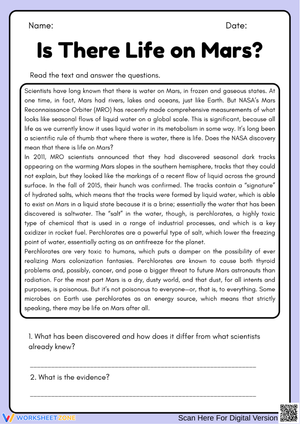
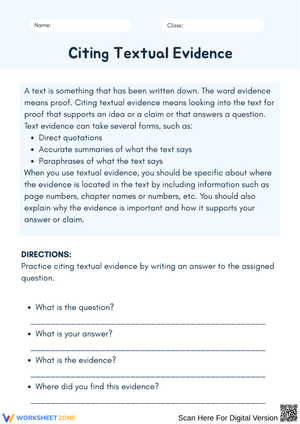
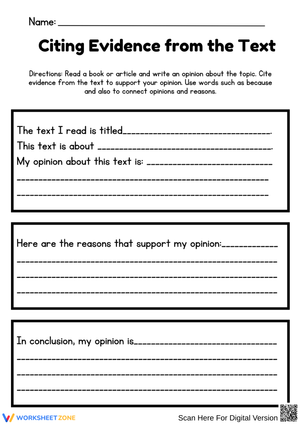
These response to literature printable worksheets for 9th grade address the hardest transition incoming high school writers face: moving from plot summary to interpretive argument. Each worksheet isolates one analytical skill — thesis construction, evidence embedding, or passage-level analysis — so students can practice that move before assembling a full essay. Teachers get resources that drop cleanly into existing units without requiring a curriculum overhaul.
The Analytical Moves Each Worksheet Targets
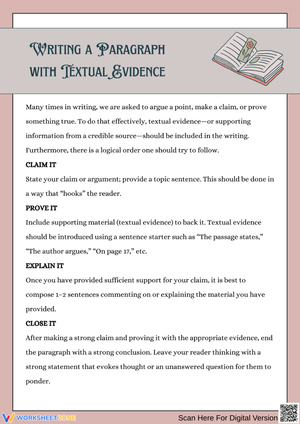
Before anything else, students work on thesis construction — specifically, writing a claim that is arguable rather than factual. A thesis like "The Great Gatsby uses the green light as a symbol" requires no proof; a thesis like "Fitzgerald uses the green light to show that Gatsby's idealism ultimately destroys him" does. Worksheets in this section give students a sentence frame and then ask them to write a second thesis in their own words, breaking the dependence on the template before the essay draft begins.
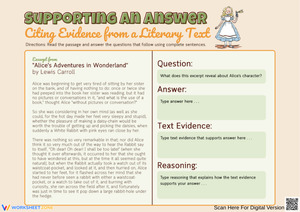
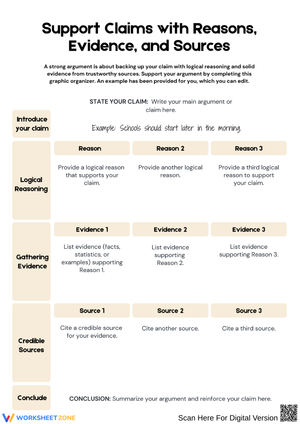
From there, the skills move into evidence selection and embedding. A habit common in middle school — pasting a quote into a paragraph without any lead-in — doesn't hold up in 9th-grade writing. Each worksheet in this section uses a three-part format: students write a lead-in naming the speaker or context, record the quote, and then write an explanation before moving on. The physical separation on the page makes the structural expectation visible before students try to replicate it in prose.
Analysis is where the set spends the most space. Students learn to ask two questions about every piece of evidence: what does this reveal about the author's craft, and how does it connect to a larger theme? The graphic organizers that address this keep evidence and analysis in separate columns — and make the analysis column wider — signaling which part of the work carries the most weight.
Frequent Student Errors Worth Catching Before the Essay
The error that shows up most reliably is restating the quote instead of analyzing it. A student writes: "In this quote, the author is saying that the character is lonely." That is not analysis; it is translation. The student has described the surface content of the sentence but said nothing about why the author chose that image, that word, that moment. Worksheets that separate a "what it says" column from a "what it reveals about the author's purpose" column force students to recognize that the two are different tasks, not the same one phrased differently.
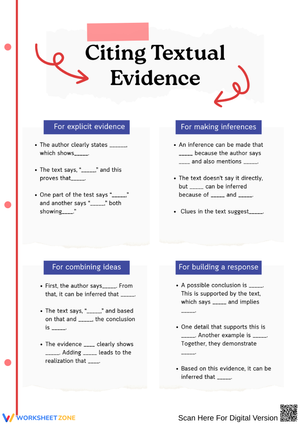
A second consistent error is a thesis that sounds analytical but is actually descriptive — "Throughout the novel, the author uses many literary devices to convey theme." Students realize quickly that this sentence could describe any novel ever written. Worksheets that ask them to insert a specific character, a specific device, and a specific thematic claim into a structured frame help them feel the difference between a general observation and an arguable interpretation.
How to Build These Worksheets Into Your Week
The most practical entry point is the bell-ringer slot — 8 to 10 minutes at the start of class after an overnight reading assignment. Handing students a quote analysis worksheet and a specific passage tells you within minutes who read and who didn't, and you've also generated written evidence to open discussion. Response to literature printable worksheets for 9th grade used this way don't consume the lesson; they launch it.
Midway through a unit, the reverse-outlining technique earns its place. Students who have already drafted a response transfer their main points and evidence back into a blank graphic organizer. If the analysis cell sits empty, they see it immediately — no "where's your analysis?" written in the margin required. At the end of a unit, the same worksheets function as structured review, giving students a concrete way to evaluate which evidence they found strongest and articulate why.
Standard Alignment
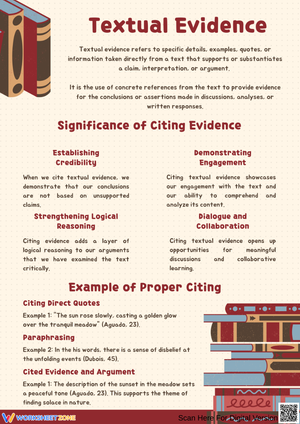
Two clusters of the Common Core State Standards for English Language Arts sit directly behind the skills in this set. RL.9-10.1 requires students to cite strong and thorough textual evidence to support analysis of both explicit text content and inferences drawn from it. In classroom terms, this is the standard teachers invoke when students hand in a paragraph with no quotes at all, or with quotes that bear no logical relationship to their claim. The evidence selection and embedding worksheets target exactly that gap.
RL.9-10.2 asks students to determine a theme or central idea and analyze how it develops across a text. The graphic organizers that track thematic evidence chapter by chapter address this standard — they ask students not just where a theme appears but how the author advances it from one passage to the next. W.9-10.1 is the production standard: write arguments, support them with evidence, provide reasoning that explains the connection. The full sequence of worksheets in this set prepares students to meet it.
Adjusting the Set for a Range of Learners
For students still building foundational reading skills, the quote analysis log works better in a guided format. Provide two or three pre-selected quotes and ask them to work only on the analysis side — which of these best supports the claim, and what does it actually reveal? Removing the evidence-gathering step lets students put all their attention on the reasoning, which is the skill most likely to remain underdeveloped when they're also struggling with text-level comprehension.
Students who are ready to move beyond sentence-level analysis benefit from the comparative worksheet format. Ask them to run the same graphic organizer across two texts — two poems, a novel and a short story, a speech and a scene — and identify where the authors make the same thematic move and where their choices diverge. Response to literature printable worksheets for 9th grade used at this level function less as step-by-step guides and more as thinking tools that stronger writers find genuinely useful rather than repetitive.
For students identified as English language learners, the sentence frames in thesis-construction worksheets give them access to the vocabulary of analytical writing that reading alone doesn't always supply. Adding a small word bank of signal verbs — conveys, underscores, illustrates, suggests, reveals — to the graphic organizer lets ELL students work at the level of interpretation without also having to guess at the professional register of literary analysis at the same time.
Frequently Asked Questions
What formats are included in this set?
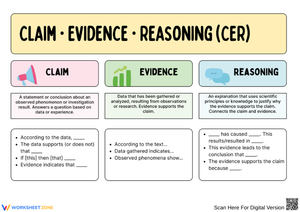
The set includes graphic organizers built around T-E-E-L (Topic, Evidence, Explanation, Link) and C-E-R (Claim, Evidence, Reasoning) structures, quote analysis logs, thesis-construction frames, and prompt-based worksheets organized around specific analytical lenses such as character motivation, symbolic meaning, and tonal shift. Each worksheet is formatted to print cleanly on standard letter-size paper.
Can these worksheets be used across different genres?
The analytical skills — selecting evidence, embedding quotes, explaining the connection to a larger claim — transfer to short fiction, drama, and poetry with minimal adjustment. For poetry, teachers typically swap the quote embedding frame for a line-and-device log, but the analysis structure stays the same. The response to literature printable worksheets for 9th grade in this set are written with enough genre flexibility that teachers have used them for Shakespeare scenes and contemporary short stories within the same unit.
How long does it take students to complete each worksheet?
Most graphic organizer worksheets take 12 to 18 minutes when used as focused practice. Quote analysis logs run longer if students complete them during independent reading — closer to 25 to 30 minutes for a full chapter. Thesis-construction and prompt-response worksheets vary by student, but most 9th graders finish within a 20-minute window, which fits a dedicated writing block or a structured transition between activities.
Are answer keys provided?
Because literary analysis depends on interpretive thinking rather than fixed correct answers, the set does not include traditional answer keys. Each teacher guide instead provides a rubric column aligned to the graphic organizer's sections, with annotated examples of strong, developing, and beginning responses. Teachers use these as anchors for calibrating feedback without reducing literary response to a right-or-wrong exercise.












 Interactive Worksheet Maker
 Quiz Maker
 Word Search Maker
 Crossword Puzzle Maker
 Word Scramble Generator
 Sentence Scramble Generator
 Handwriting Worksheet Generator
 Name Tracing Generator
 Fill In The Blank Generator