8th grade writing process printable worksheets give ELA teachers a structured way to move students through planning, drafting, revising, and editing without rebuilding directions from scratch for every essay unit. By the time students reach eighth grade, many have heard the writing process explained multiple times — and still skip the planning stage, collapse revision and editing into a single pass, or submit drafts that show no evidence of rereading at all. These worksheets make each stage concrete and separate, which is where most of the instructional value sits.
Student Errors Worth Catching Before They Compound
The most persistent error in eighth-grade writing is the conflation of revising and editing. Students who believe they have "revised" a draft because they fixed three comma errors have not revisited ideas, organization, or evidence — they have proofread. This distinction is harder to teach than it sounds, especially when students have been praised for neat, technically correct papers in earlier grades. Placing revision and editing on separate worksheets makes the difference visible: a student holding a revision checklist cannot pretend that swapping "walked" for "strolled" counts as structural improvement.
A second predictable pattern shows up at the planning stage. Students who feel confident about a topic often skip the organizer entirely and go straight to drafting — particularly once an assignment type feels familiar. The result is a draft where paragraph two contradicts the thesis in paragraph one, or the conclusion introduces an argument the body never established. Making the planning worksheet a required checkpoint, collected before drafting begins, closes this gap more reliably than telling students to plan.
Evidence integration is the third place where grade 8 writers consistently fall short. Students drop a textual quote or a statistic and then move on, treating the evidence as self-explanatory. Commentary is absent or thin. This is partly a developmental issue: at 13 or 14, the reasoning that connects evidence to a claim is often still implicit rather than made visible on the page. Worksheets that include a dedicated commentary step — separate from the evidence selection step — give students a concrete prompt to explain the evidence before moving forward in the draft.
The Skills Each Worksheet Targets
The set covers the full writing cycle from the moment a student first encounters a prompt to the final read-through before submission. Each worksheet isolates one stage of that process so students focus on one set of decisions at a time rather than managing the full complexity of a draft all at once.
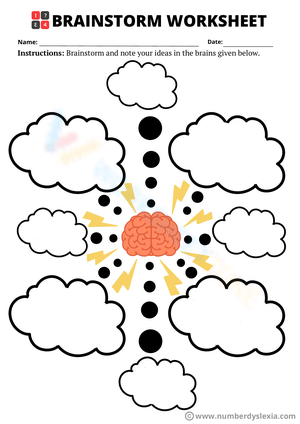
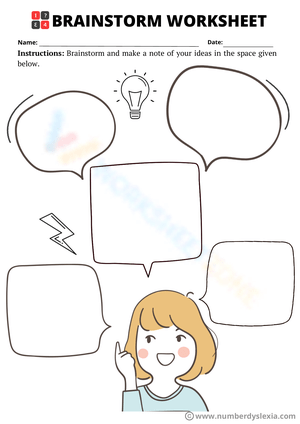
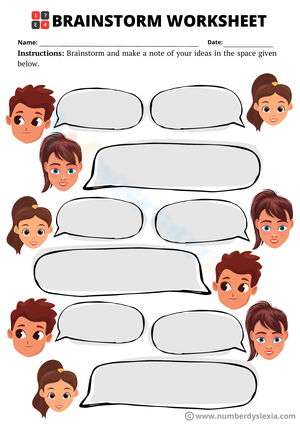
- Prompt analysis and prewriting: students annotate the task, identify the writing mode, and generate ideas through brainstorming webs or structured freewriting
- Evidence collection and organization: charts for gathering textual support, grouping details by subtopic, and tracking sources before drafting begins
- Thesis and outline planning: frames for writing a focused claim or controlling idea, with space to map out body paragraph structure before any drafting starts
- Drafting support: paragraph planners that guide students through topic sentence, evidence, commentary, and closing sentence without turning the paragraph into a fill-in-the-blank exercise
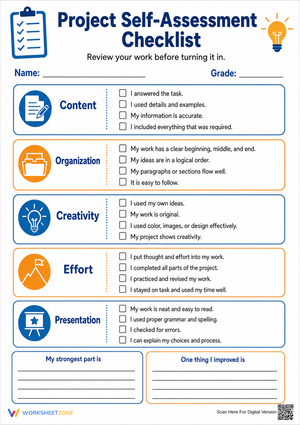
- Revision checklists: organized by category — ideas, organization, elaboration, word choice — so students know exactly which part of the draft to reread at each pass
- Editing practice: sentence-level work on punctuation, capitalization, grammar, and usage, kept on a separate worksheet from revision tasks
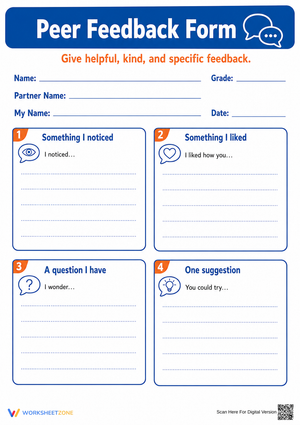
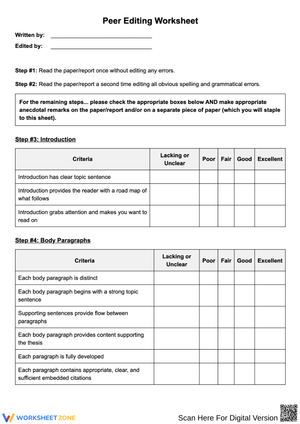
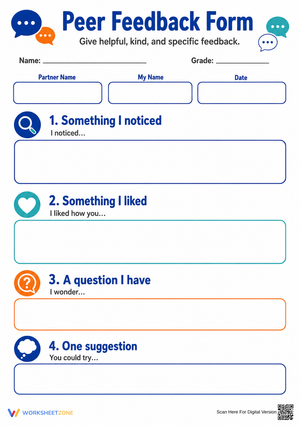
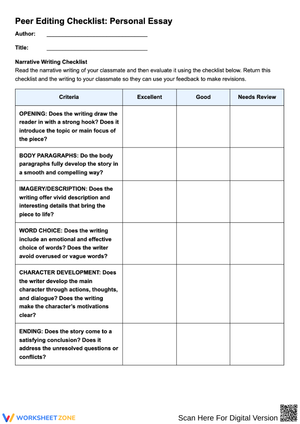
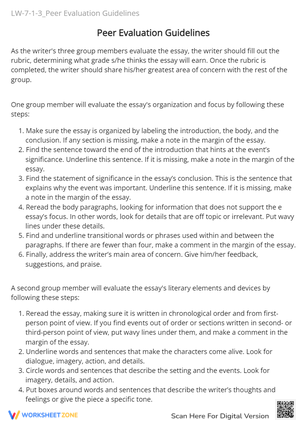
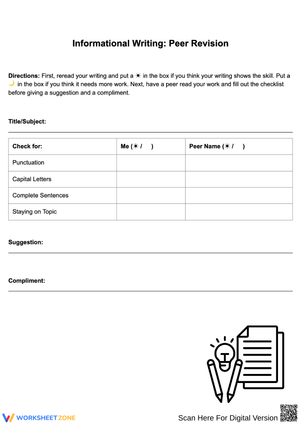
- Peer review guides: structured prompts that push partners toward specific, usable feedback ("Where does the writer need more detail to support this claim?") rather than general approval
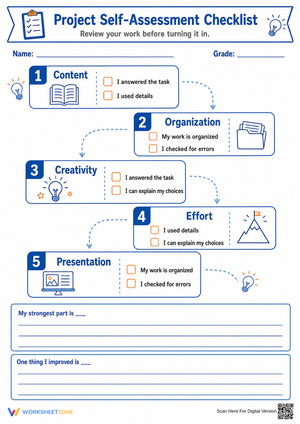
- Reflection and self-assessment: closing forms where students identify what improved, what they would revise differently next time, and how they acted on peer or teacher feedback
For 8th grade, the most important feature is that each worksheet leaves room for student decision-making. A paragraph planner that tells students exactly what to write produces compliance, not writing development. These worksheets provide the structure; students still choose the content, arrange the evidence, and develop the argument themselves.
Getting Real Use Out of These Worksheets Week by Week
When 8th grade writing process printable worksheets are used as part of a consistent daily writing block rather than pulled out occasionally, the sequence carries most of the pacing and classroom management work. A five-day routine looks like this: Monday opens with prompt analysis and brainstorming, Tuesday moves to outlining and evidence sorting, Wednesday is a full drafting session, Thursday focuses on revision using the checklist, and Friday closes with editing and peer review. Longer units stretch this same structure across two weeks, with teacher conferences and additional revision time built into the middle days.
One shift that consistently improves final writing quality is collecting each worksheet before students move to the next stage. Checking a planning sheet takes about thirty seconds per student, but it catches weak thesis statements and unorganized outlines before students spend a full drafting period on something that still needs major structural work. Students who polish prose on a structurally flawed draft are doing unnecessary work that an early planning checkpoint prevents.
The worksheets also fit naturally into station-based instruction. One station can work through introductions and thesis statements, another through evidence integration, and a third through editing practice — all tied to the same final essay. Because each worksheet stands alone, teachers can reassign any single stage to a student who needs to redo a step without requiring that student to restart the full sequence.
Standard Alignment
CCSS.ELA-LITERACY.W.8.5 asks students to "develop and strengthen writing as needed by planning, revising, editing, rewriting, or trying a new approach." That standard is nearly a direct description of what a staged writing process set provides — it gives students a concrete way to execute each part of that expectation rather than treating the writing process as something they already know how to apply independently. W.8.4 (producing clear and coherent writing appropriate to task, purpose, and audience) comes into play during revision, where the checklist explicitly asks students to consider their intended reader before making changes. W.8.10, which addresses writing routinely over both extended and shorter time frames, supports using these worksheets consistently across multiple units throughout the year rather than as a one-time instructional resource.
How the Same Worksheets Work Across Different Writing Levels
8th grade writing process printable worksheets work across a wider range of student readiness than most teachers expect, but the adjustments are not automatic — they require deliberate decisions about how to assign each worksheet. For students who are still developing basic essay structure, the paragraph planners and outline frames provide enough guidance to get words on the page without requiring students to hold an entire organizational scheme in their heads while also drafting sentences. These students benefit from tighter collection checkpoints and brief conferences during the drafting stage.
For students who already write organized, multi-paragraph essays, the same worksheets serve a different purpose. A strong writer does not need the paragraph frame — but they do benefit from the revision checklist, especially when it pushes them to examine elaboration and argument structure rather than surface-level corrections. These students can also take on more demanding peer review roles, using the peer guide to provide written feedback that goes beyond identifying what is "good" or "unclear."
A real challenge here is that grade 8 classes often include students writing at a 5th-grade level alongside students who are ready for high school-level argumentation. The worksheets do not eliminate that range, but they make it more manageable: the planning and drafting tools function as a support structure for developing writers, while the revision and reflection worksheets push stronger writers toward the kind of analytical thinking that becomes central in 9th grade.
Frequently Asked Questions
Can these worksheets be used across different writing modes — argument, informative, and narrative?
Yes. The planning and drafting worksheets work across all three modes with minor adjustments to how students frame their purpose. An outline for argument writing organizes around claim, reasons, and evidence; the same structure for informative writing organizes around a topic, subtopics, and supporting details. The revision and editing worksheets apply to any writing mode without modification.
How do these worksheets help students understand the difference between revising and editing?
By placing revision and editing on separate worksheets with separate directions, the resources make the distinction concrete rather than theoretical. Students cannot claim they have revised a draft when the revision worksheet asks them to evaluate idea development, evidence support, and paragraph organization — tasks genuinely different from checking spelling and punctuation on the editing worksheet.
Are these worksheets appropriate for sub days or independent homework?
Most of them are, especially the planning, revision, and editing worksheets. The directions are self-contained, and each task is narrow enough that students do not need teacher facilitation to complete the work. The peer review worksheet works best when students have used it at least once in class first — cold peer review without any modeling tends to produce vague feedback regardless of how well the worksheet itself is written.
How do these worksheets fit into an existing writing workshop routine?
For teachers already running a writing workshop, 8th grade writing process printable worksheets slot directly into the independent writing time the workshop structure already provides. Each worksheet functions as the planning or revision task students work on while the teacher conferences with individual students. The set does not require a workshop to be restructured — it fits inside the time already designated for student writing work.












 Interactive Worksheet Maker
 Quiz Maker
 Word Search Maker
 Crossword Puzzle Maker
 Word Scramble Generator
 Sentence Scramble Generator
 Handwriting Worksheet Generator
 Name Tracing Generator
 Fill In The Blank Generator