Why These Grade 6 Reading Worksheets Fit Real ELA Planning
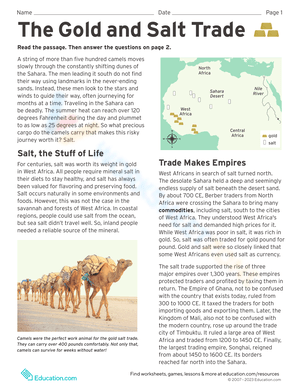
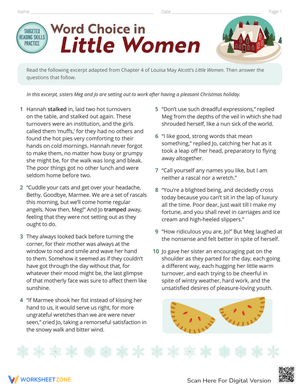
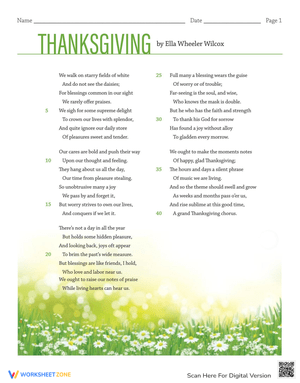
6th grade reading comprehension strategies multiple choice pdf worksheets are useful when teachers need fast, standards-aware practice that still shows how students think. In a middle school classroom, reading work usually has to do two jobs at once: build a strategy and check whether students can apply it independently. A printable multiple-choice format supports both. Teachers can assign a short passage during whole-group instruction, use another page in centers, and save a third for exit-ticket style review without rebuilding materials each time.
That matters in grade 6 because students are moving beyond basic recall. They need to explain what the text says, notice what it suggests, and choose evidence that supports a reasonable conclusion. A clean PDF worksheet gives them one focused passage, a manageable question set, and a format that is easy to score during class, after homework collection, or during intervention. For teachers planning a week of reading instruction, that combination keeps prep low while still protecting rigor.
Which Comprehension Strategies These Worksheets Should Cover
The most effective grade 6 sets do not treat comprehension as one broad skill. They break it into visible strategies that can be practiced across both literature and informational text. Based on the research summary provided for this task, the most important targets include predicting, questioning, summarizing, visualizing, monitoring understanding, citing evidence, identifying main idea, and making inferences.
- Summarizing helps students separate central ideas from interesting but minor details.
- Inference questions ask students to combine clues from the passage with careful reasoning.
- Citing evidence pushes students to justify an answer instead of choosing what sounds familiar.
- Main idea and supporting details show whether students can organize information from longer texts.
- Questioning and monitoring understanding help teachers see where comprehension breaks down.
When these skills appear across several printable pages, teachers can diagnose patterns instead of reacting to one isolated score. A student who misses summary questions may need help identifying text structure, while a student who misses inference questions may need more modeling with evidence-based thinking. That makes worksheet practice more than seatwork. It becomes a quick screening tool for small-group planning.
How Multiple-Choice Format Supports Evidence-Based Reading
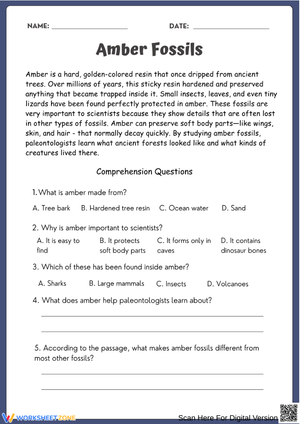
Multiple-choice items are often most helpful when the goal is precise analysis rather than extended writing. In grade 6, students are still learning how to move from an initial impression to a text-supported answer. A well-written multiple-choice question makes that process visible. One option reflects the literal text, one distractor sounds plausible but lacks support, another overstates the idea, and the best answer aligns with the passage. Teachers can review those choices aloud and model why evidence matters.
QAR-style thinking also fits this format well. Some questions ask students to locate information stated directly in the passage, while others require them to infer, connect clues, or use background knowledge carefully. That contrast helps students see the difference between a literal answer and an inferential one. For formative assessment, the format also shortens turnaround time. Teachers can scan results quickly, sort papers by need, and decide whether the next lesson should reteach summarizing, annotation, or support selection.
In grade 6, the strongest multiple-choice sets are not harder because the passages are longer. They are harder because the distractors are partially true, loosely related, or based on background knowledge instead of direct support. That design forces students to test each option against the text, which is often the point where strategic reading becomes visible.
Literature And Informational Text Both Belong In The Set
A useful printable collection should mix fiction and nonfiction instead of leaning too heavily on one type. In a 6th grade ELA block, students need practice following plot and character ideas, but they also need experience tracing central ideas, explanations, and supporting details in informational passages. A mixed set keeps strategy instruction from becoming genre-specific. Students learn that summarizing, questioning, and evidence selection matter in every kind of reading.
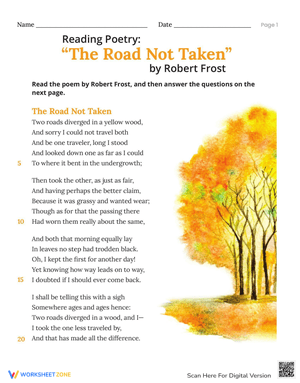
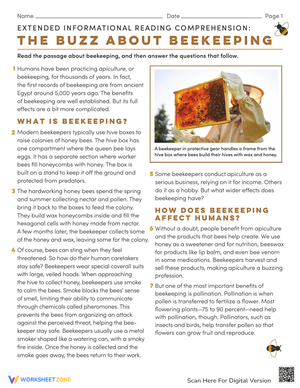
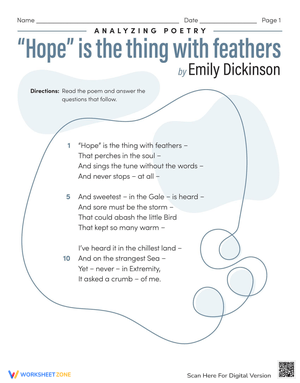
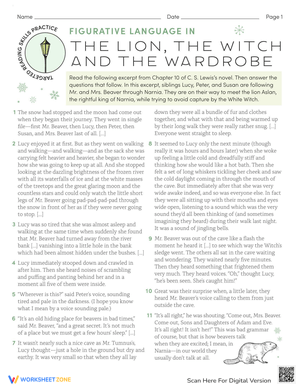
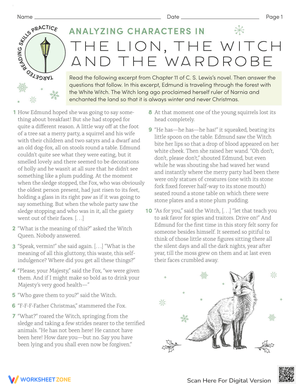
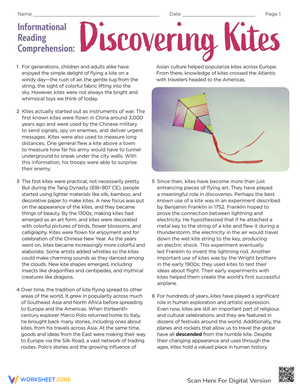
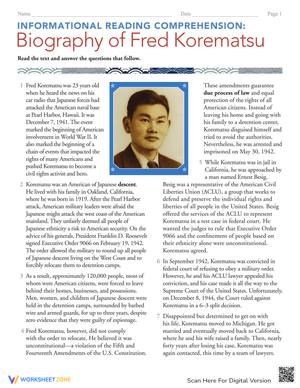
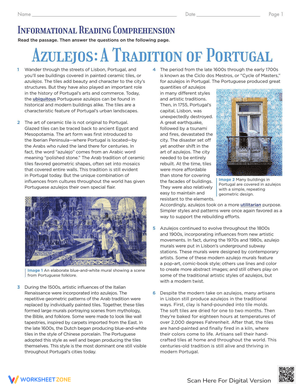
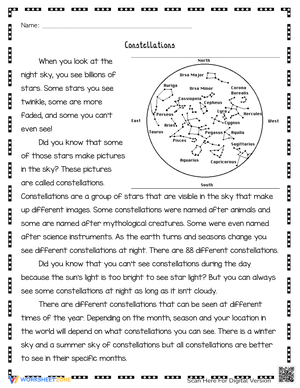
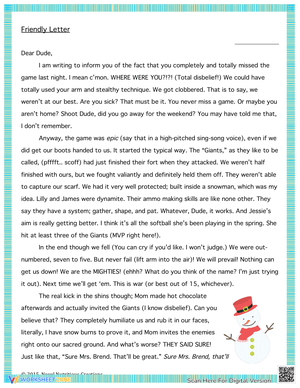
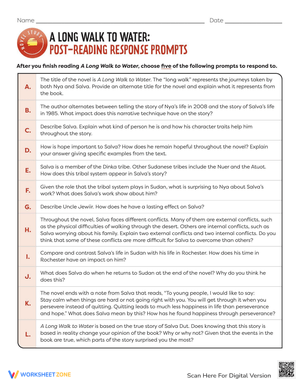
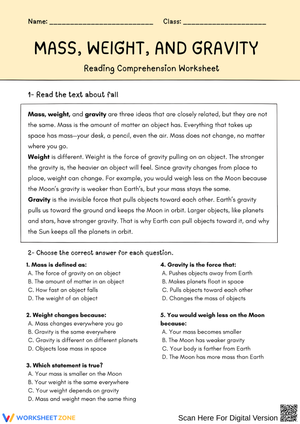
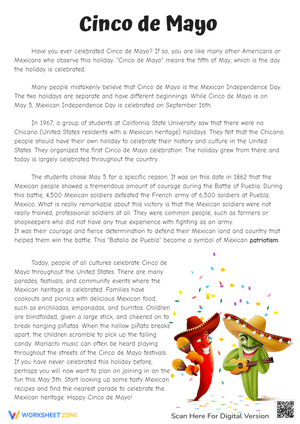
K12Reader's 6th grade reading comprehension worksheet collection reflects the practical value of this approach by organizing printable passage practice for classroom use. That matters for teachers who want one source of material for independent practice, sub plans, and short assessment windows. When the format stays consistent across fiction and nonfiction, students spend less time learning directions and more time reading closely.
According to the Common Core State Standards for ELA, Grade 6 Reading Standards, grade 6 readers repeatedly return to 2 linked expectations: cite textual evidence and draw inferences from both literary and informational text. That pairing is why effective worksheet sets include answer choices that test reasoning as well as recall.
Classroom Implementation
These printable PDFs work best when teachers decide in advance whether the page is being used for instruction, practice, intervention, or review. In whole-group lessons, one short passage can anchor a mini-lesson on a single strategy such as inference or summarizing. During centers, students can complete another page independently while the teacher pulls a small group. In intervention, teachers can choose a passage with fewer questions and talk through distractors step by step. For homework, the same format gives families a simple task that does not require additional explanation.
- Use one worksheet before a new unit to see whether students can already cite evidence or identify main idea.
- Assign one passage during test review week so students practice reading stamina without facing a full benchmark.
- Pull 3 to 5 missed items from several pages to build a focused reteach lesson.
- Keep a few mixed-genre pages ready for substitute plans and early-finisher folders.
This is also a strong format for spiral review. A teacher can rotate strategy emphasis across the month: summary one week, inference the next, then evidence and main idea. Because the layout stays familiar, students can concentrate on the thinking move instead of the routine. That consistency is especially useful in middle school classrooms where time is tight and transitions matter.
What Teachers Should Look For In A Strong Printable Set
Not every worksheet labeled comprehension practice is worth instructional time. A strong grade 6 set should include readable but challenging passages, clearly worded questions, and answer choices that reward close reading rather than lucky guessing. It should also avoid overloading one page with too many items. Teachers usually get better evidence from a shorter set of targeted questions than from a long page that mixes unrelated skills.
Reading Rockets: Key Comprehension Strategies to Teach and Reading Rockets: Seven Strategies to Teach Students Text Comprehension both support teaching comprehension as a set of explicit, transferable strategies rather than a single generic activity. That makes printable worksheet selection simpler: choose pages that highlight one or two visible reading moves, then use results to plan the next conference, mini-lesson, or reassessment.
Teachers should also look for questions that invite discussion after scoring. A page becomes more valuable when wrong answers lead naturally into conversation: Which clue did you miss? Which answer sounded right but was not supported? Which sentence in the passage changes the conclusion? Those follow-up moves turn a PDF worksheet into part of a larger reading routine instead of a one-and-done assignment.
Why These Worksheets Stay Useful Across Review, Intervention, And Assessment
Printable multiple-choice worksheets last because they solve several classroom problems at once. They provide independent practice when a class is at different reading levels. They create quick evidence for conferences and gradebook categories. They also help teams maintain consistency when several teachers want comparable reading checks across sections. For curriculum leads and intervention teachers, a bank of grade 6 reading pages makes it easier to target one strategy without redesigning a passage set every time.
They are also efficient for students. A short printable passage feels finite and approachable, which can improve completion during intervention or catch-up work. At the same time, the questions can still be rigorous when they require evidence, inference, and summary thinking. That balance matters in grade 6, where students need materials that feel manageable but do not lower the level of thinking.
Frequently Asked Questions
1. What reading comprehension strategies should 6th graders practice most?
Grade 6 students should regularly practice citing evidence, making inferences, summarizing, identifying main idea, questioning the text, and monitoring understanding. Those strategies help teachers see whether students can move beyond recall and explain how they know an answer is correct.
2. How do multiple-choice reading worksheets help assess comprehension?
They let teachers check a focused skill quickly and consistently. Because each answer choice can reflect a different kind of misunderstanding, teachers can see whether a student missed a literal detail, made an unsupported inference, or chose an answer that sounded reasonable without matching the text.
3. Are grade 6 reading comprehension PDFs useful for test prep and homework?
Yes. The printable format is easy to assign for homework, review packets, centers, and short benchmark practice. It gives students repeated exposure to passage-based questions without requiring teachers to build new materials for every assignment.
4. What is the difference between literal and inferential comprehension questions?
Literal questions ask for information stated directly in the passage. Inferential questions require students to combine text clues and reasoning to reach the best answer. Strong worksheet sets include both so teachers can measure surface understanding and deeper analysis.












 Interactive Worksheet Maker
 Quiz Maker
 Word Search Maker
 Crossword Puzzle Maker
 Word Scramble Generator
 Sentence Scramble Generator
 Handwriting Worksheet Generator
 Name Tracing Generator
 Fill In The Blank Generator