Why this Grade 6 reading page is useful right away
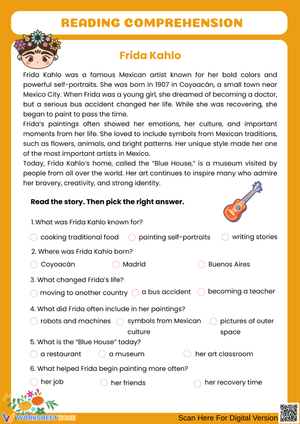
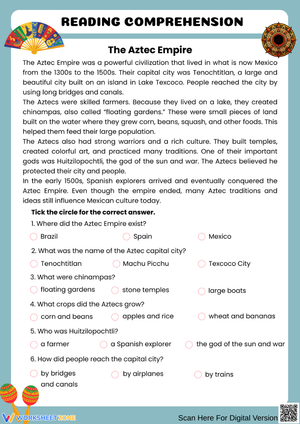
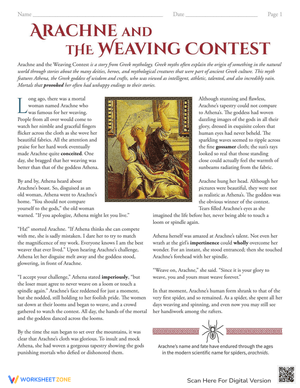
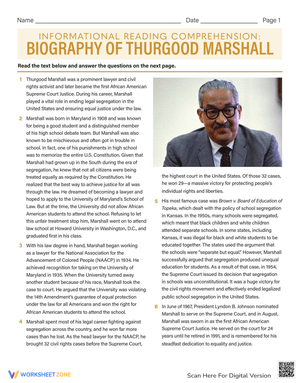
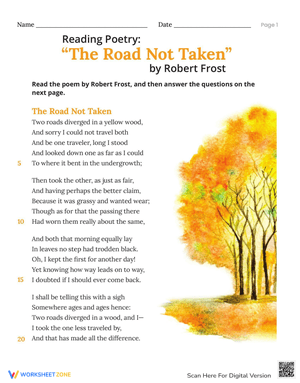
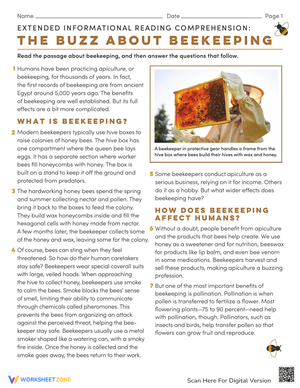
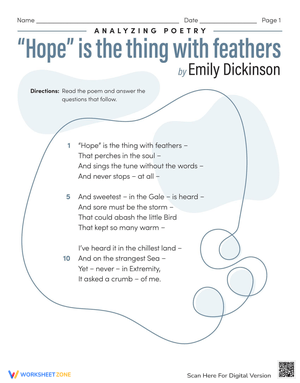
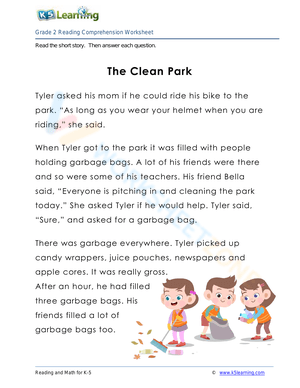
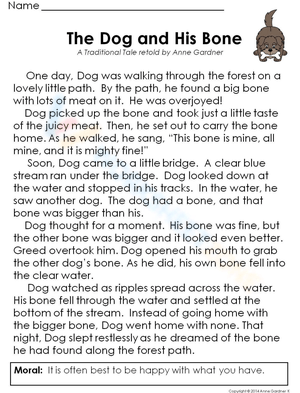
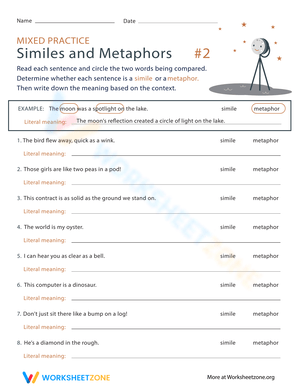
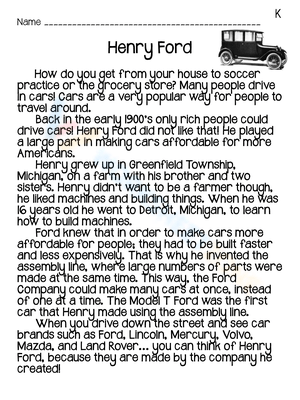
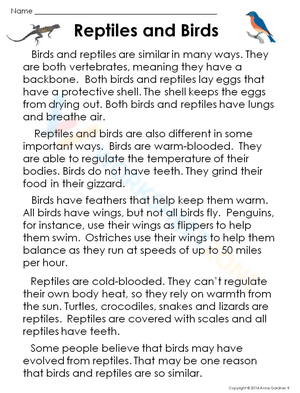
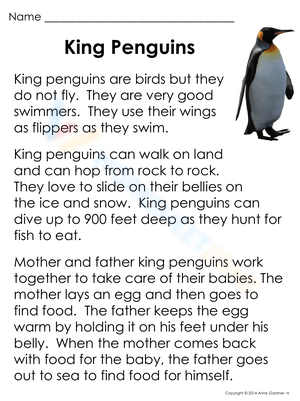
When teachers search for reading multiple choice worksheets printable for 6th grade, they usually need something they can print, assign, and check without rebuilding a lesson from scratch. The Worksheetzone Grade 6 Reading Multiple Choices page is built for that exact need. It points teachers toward printable reading practice in one place, which matters when plans need a bell ringer, an exit ticket, a quick reteach set, or an independent task that still feels purposeful.
For Grade 6 English language arts, reading work is rarely limited to one narrow skill. Students are expected to read literature and informational text, answer questions with care, and show that they can track details, ideas, and author choices across more complex passages. A multiple-choice format helps when the goal is efficient review, but the format only works well if the questions actually target comprehension. That is why a skill-based worksheet collection is more practical than a random packet of unrelated passages.
Worksheetzone also groups related Grade 6 reading comprehension multiple-choice resources by strategy topics, including main idea, inference, sequencing, summarizing, and text evidence. That organization saves time when a teacher already knows the gap that needs attention. Instead of sorting through broad reading practice, teams can go straight to the question type or comprehension move they want students to practice next.
What skills these worksheets can cover in Grade 6
Strong Grade 6 reading multiple-choice practice should do more than ask surface-level recall questions. At this level, students need to explain what a passage says, determine which details matter most, and distinguish strong textual support from distractors that sound plausible but don't fully fit the text. That is why teachers often look for worksheets tied to specific comprehension strategies rather than generic reading pages.
- Main idea and supporting details: useful when students can find facts but still miss the central point of a paragraph or passage.
- Inference: useful when students need practice combining clues from the text with reasoning, especially in literature.
- Sequencing: useful for checking whether students can trace events, procedures, or argument structure in order.
- Summarizing: useful when students include too much minor detail or leave out the key takeaway.
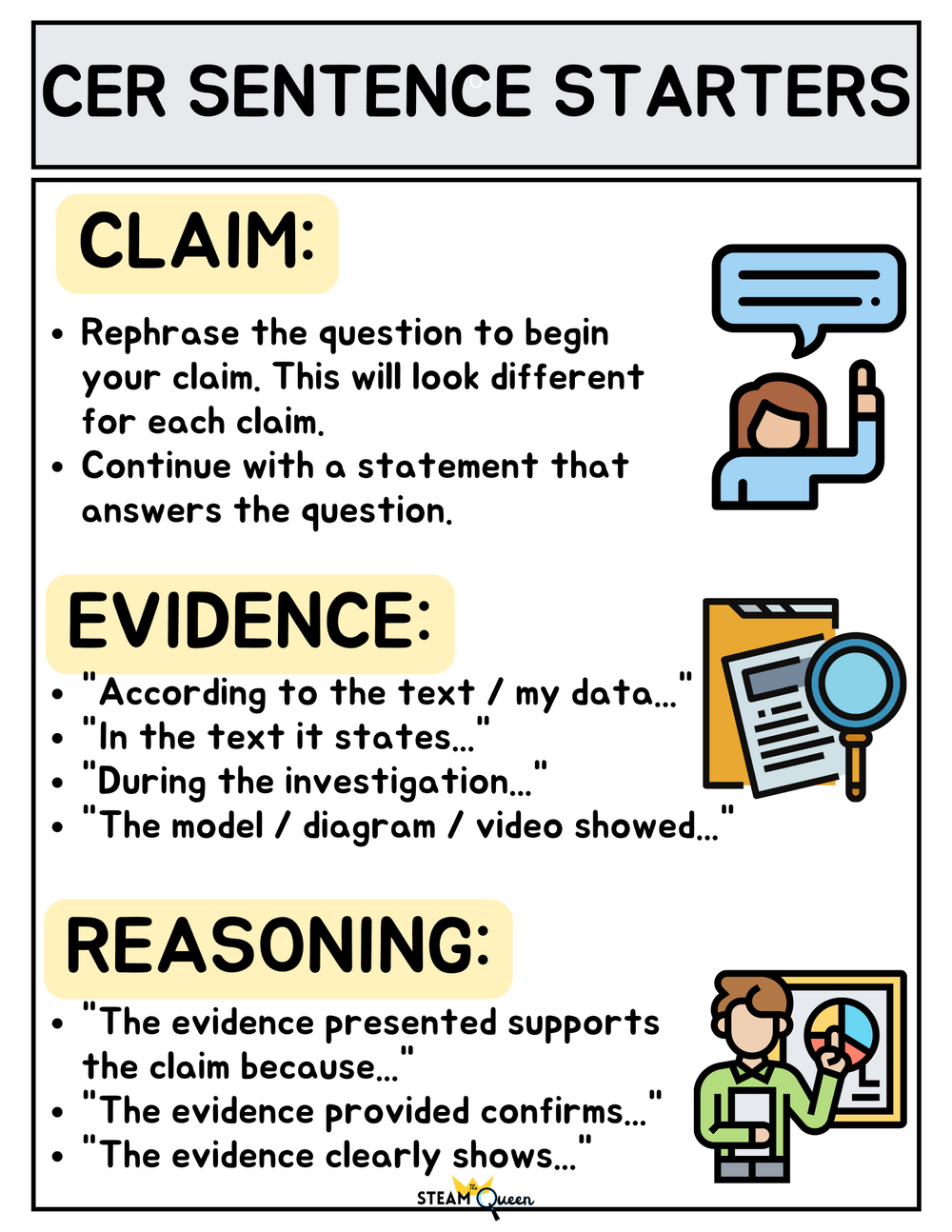
- Text evidence: useful for teaching students to return to the passage and justify an answer instead of guessing.
Those categories match the way many Grade 6 teams plan intervention and review cycles. If a class trend shows weak inference, teachers can pull a focused printable. If benchmark data shows students choosing answers without checking the passage, text-evidence questions become the next step.
Citation capsule: The Common Core English Language Arts Standards describe increasing text complexity across grades 6-8 and emphasize close reading and evidence-based analysis in Grade 6. That makes printable multiple-choice practice most useful when answer choices require students to revisit the passage, weigh details, and defend the best-supported response.
Why multiple-choice reading practice still matters
Multiple-choice worksheets are sometimes treated as simple test prep, but that undersells their classroom value. In Grade 6, they can function as fast formative assessment tools. A teacher can review which distractors students selected, see whether confusion came from vocabulary, rushed reading, or weak evidence use, and decide what to reteach next. That kind of quick feedback is hard to get when every assignment requires full written responses.
One practical reason these printables work so well in middle grades is that the wrong answer choices reveal patterns. If several students miss an inference item by choosing the option with one true detail but the wrong overall conclusion, the teacher has a precise reteaching point. That is more actionable than simply seeing that a short-answer response was incomplete.
For teachers, that means a set of reading multiple choice worksheets printable for 6th grade can do two jobs at once: provide student practice and generate usable evidence for planning. The format is efficient, but the real value comes from what the answer patterns show about comprehension.
Classroom Implementation
Printable Grade 6 reading worksheets are flexible because they fit into short blocks as easily as they fit into a full lesson. The best use depends on the purpose of the day. If the class is beginning a skill cycle, a teacher might use one worksheet as a pre-check. If the class is in the middle of a unit, the same format can become station work, homework, or a targeted review task for a small group.
- Bell ringers: assign one short passage with a few questions to settle students and gather immediate data.
- Small groups: use a skill-specific printable with students who need extra practice in inference, summarizing, or text evidence.
- Independent review: assign a mixed-skill worksheet so students revisit several comprehension moves before a quiz.
- Intervention cycles: keep the question type consistent across several sessions so growth is easier to monitor.
For test-style practice, it helps to keep directions short and the follow-up discussion specific. After students answer, ask which word or sentence in the passage helped them most. That small move turns a printable worksheet into a reading conversation rather than a silent completion task. It also reinforces that good readers verify answers with text, especially when distractors are intentionally close.
What to look for in a strong 6th grade printable
Not every worksheet with multiple-choice questions is worth class time. A strong Grade 6 reading printable should match the level of thinking teachers expect in daily instruction. The passage should be readable but not trivial, and the questions should test actual comprehension rather than tiny details that don't matter. If students can answer correctly without understanding the passage as a whole, the worksheet will not give teachers reliable information.
Good answer choices matter just as much as the passage. Effective distractors are believable because they reflect common reading mistakes. They may repeat one correct detail while missing the larger claim, confuse sequence, or overgeneralize a point from the text. Those are productive errors because they show the teacher what the student misunderstood.
- Clear skill focus: the worksheet should make it obvious whether students are practicing inference, summary, main idea, or another comprehension target.
- Balanced rigor: the questions should stretch Grade 6 readers without turning every item into a trick question.
- Passage variety: teachers should be able to find literature and informational text, not just one format.
- Printable usability: the page should be easy to assign for classwork, homework, centers, or sub plans.
That is where organized collections help. Instead of treating every printable as interchangeable, teachers can choose resources that fit the exact instructional move they need to make. A page organized by strategy lets educators spend less time searching and more time deciding how to respond to what students show.
Why mixed passage practice is important in Grade 6
Grade 6 reading instruction typically includes both literature and informational text, so a useful worksheet collection should support both. Students may read a narrative passage one day and an explanatory article the next. The comprehension habits overlap, but the reading demands are not identical. In literature, students may need to infer motivation, track conflict, or interpret tone. In informational text, they may need to identify central ideas, follow a sequence of ideas, or evaluate which details best support a claim.
That is why mixed-passage practice is so helpful. It prevents students from tying a skill to only one type of text. A student who can identify main idea in an article should also be able to trace the central focus of a story section. A student who can summarize a narrative should also learn to condense an informational passage without losing the essential point.
Frequently Asked Questions
1. What reading skills do 6th grade multiple-choice worksheets usually cover?
They often cover core comprehension strategies such as main idea, inference, sequencing, summarizing, and text evidence. In Grade 6, those skills matter because students are reading more complex passages and need to explain not just what happened, but why an answer is supported by the text.
2. How can teachers use printable reading multiple-choice worksheets in small groups or test prep?
In small groups, teachers can assign one skill-focused printable to students with the same need, then review the answer choices together to see where thinking broke down. For test prep, the same format helps students practice reading carefully, checking distractors, and returning to the passage before choosing a final answer.
3. Are these worksheets better for literature, informational text, or both?
They are most useful when they include both. Grade 6 reading instruction spans stories, articles, and other informational passages, so students benefit from seeing the same comprehension skills applied across text types. Mixed practice also gives teachers a clearer picture of whether a weakness is tied to the skill itself or to the kind of text being read.
4. What should teachers look for in a strong 6th grade reading printable?
Look for a clear skill target, answer choices that reflect real comprehension errors, and passages that feel appropriate for middle school readers. A strong printable should save preparation time while still giving teachers evidence they can use for regrouping, reteaching, homework review, or quick formative checks in a Grade 6 ELA block.