6th Grade Claim-Evidence-Reasoning Multiple Choice Practice Teachers Can Use Right Away
Why these worksheets fit Grade 6 reading work
6th grade claim evidence reasoning multiple choice worksheets give teachers a fast way to see whether students can move from reading a passage to defending an answer with proof. In Grade 6 English language arts, that shift matters. Students are no longer just locating a detail. They are weighing what an author says, identifying what can be inferred, and deciding which evidence best supports a claim. A multiple-choice format makes that thinking visible in a class period, during intervention, or as a short review before a larger writing task.
That classroom fit is why these worksheets work well across settings. A teacher can assign one set as a bell ringer, use another for a reading station, or pull a few questions for an exit ticket. Because the questions focus on claims, evidence, and reasoning, the practice connects directly to close reading as well as argument writing. Students learn that a strong answer is not just correct; it is supported by the strongest line, example, or detail from the text.
What students practice in each multiple-choice set
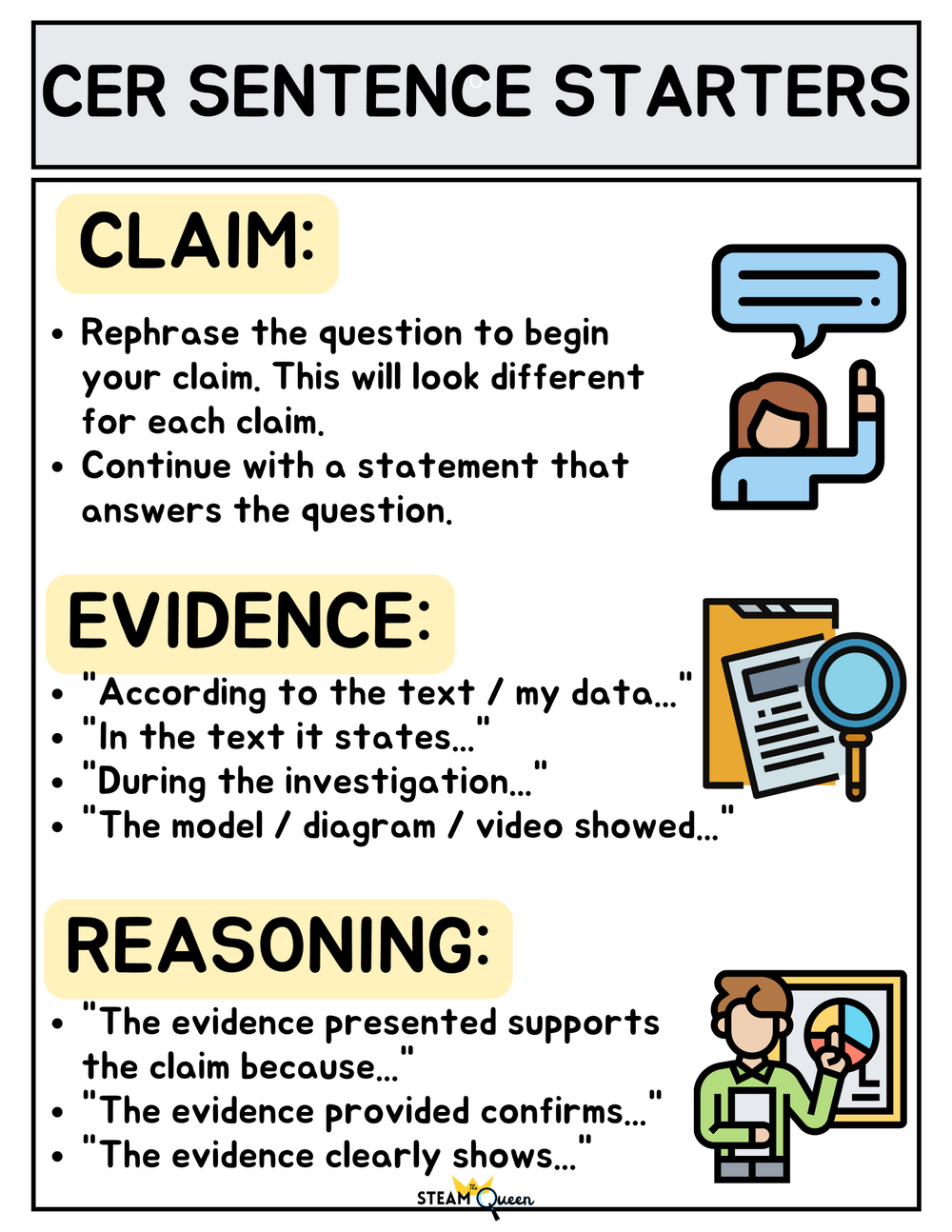
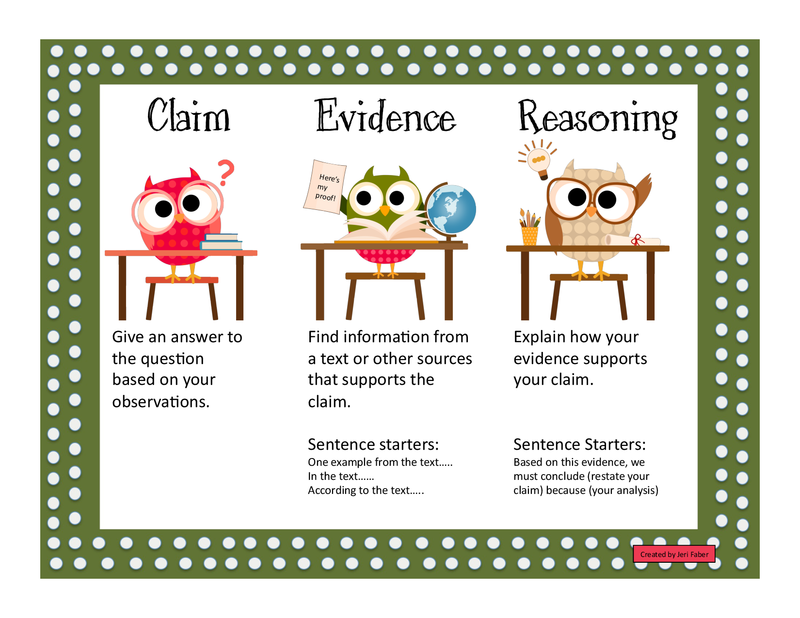
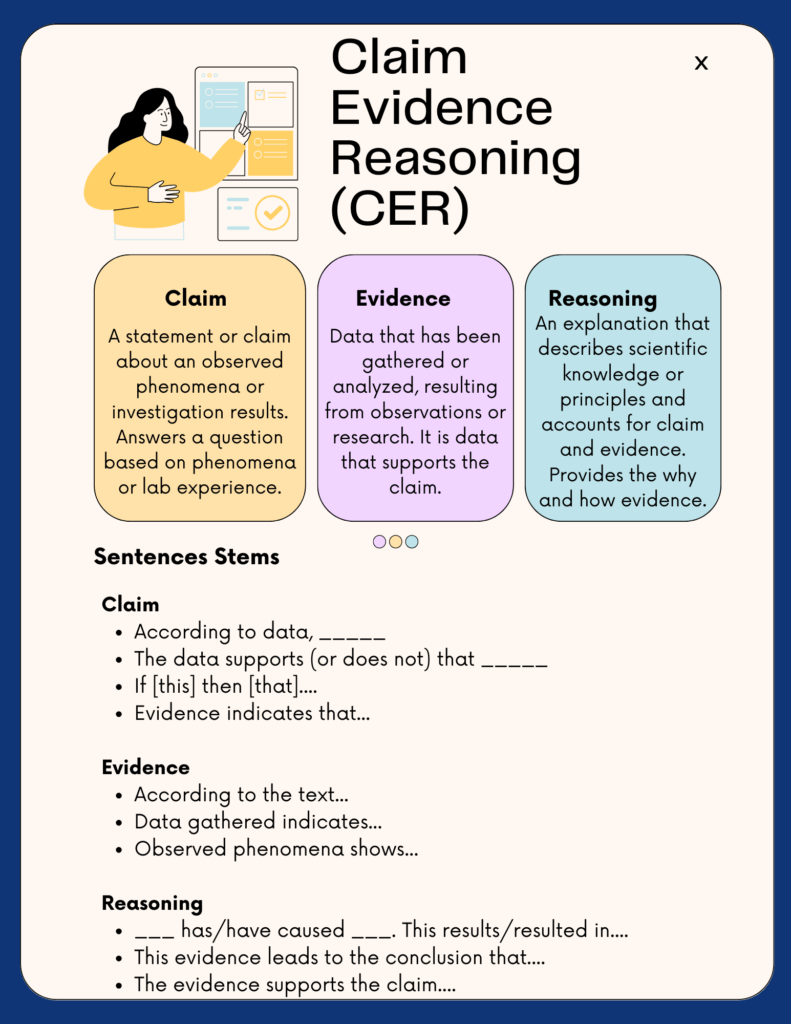
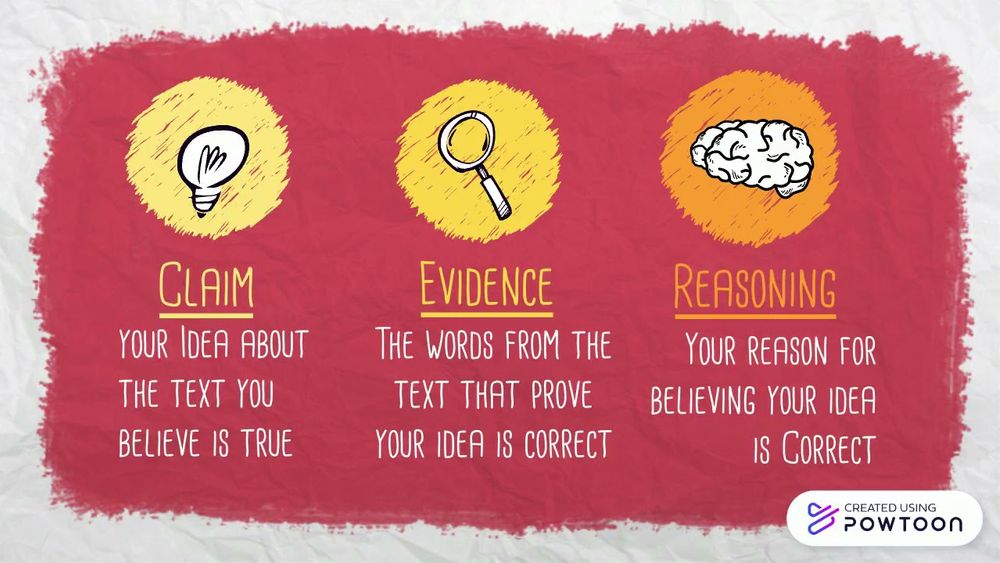
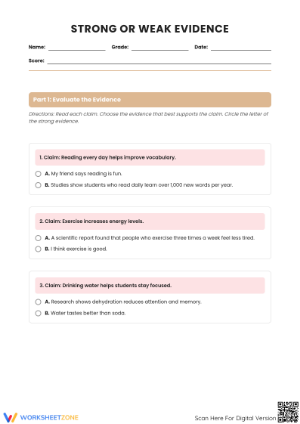
Well-designed CER practice for sixth graders usually targets three moves. First, students identify the claim in a short passage, response, or paragraph about a text. Second, they choose the detail that best supports that claim. Third, they evaluate whether the evidence actually matches the reasoning instead of sounding merely related. Those are the decisions that often separate surface-level comprehension from real text analysis.
For teachers, this makes the worksheet format especially efficient. One worksheet can check whether students confuse a topic with a claim, whether they choose broad evidence instead of the strongest evidence, and whether they understand why one answer choice is more defensible than another. This matters in mixed-readiness classrooms because the same set can reveal different needs. One student may need practice identifying the author's point, while another may need help explaining how a quoted detail supports that point.
These tasks also support academic language. Students repeatedly see and use terms such as claim, evidence, reasoning, support, and infer. Over time, the vocabulary becomes part of normal discussion during reading and writing conferences, which makes later constructed responses more precise.
How CER multiple choice strengthens writing from reading
Teachers often need practice that bridges reading comprehension and written argument without adding a full essay every day. CER multiple-choice work fills that gap. When students select the best claim or the strongest evidence, they are rehearsing the same decisions they need to make before they write a paragraph. The worksheet becomes a short planning exercise in disguise: What am I arguing, what proof will I use, and why does that proof fit?
That bridge is useful during unit transitions. After a class reads informational articles, a teacher can assign a worksheet that asks students to match claims to evidence. After literature discussion, another set can ask which statement about a character or theme is best supported by the text. In both cases, students are preparing for stronger paragraph writing because they are practicing evidence selection before they ever draft sentences.
A common Grade 6 issue is that students choose evidence that is true but not strong enough. Multiple-choice CER practice helps isolate that mistake because distractors can include details that are relevant but weaker, too broad, or only loosely connected. When teachers review those answer patterns, they can see whether the problem is comprehension, precision, or reasoning and then reteach the exact step that broke down.
Classroom Implementation
These worksheets are flexible enough to fit into both print and digital routines. The best use depends on what a teacher needs to measure in that moment.
- Use one short set as a bell ringer when students need a focused warm-up tied to the day's reading target.
- Assign a worksheet as an exit ticket after a mini-lesson on textual evidence to check who can apply the skill independently.
- Pull two or three items into a small-group lesson when students need extra practice distinguishing a claim from supporting details.
- Use a digital version for homework or independent practice when you want quick completion data without adding a long written response.
- Pair a multiple-choice worksheet with a short written follow-up so students explain why the correct evidence is strongest.
For intervention, keep the text load manageable and focus on one decision at a time. Start with identifying a claim, then move to selecting the best evidence, then ask students to justify the choice orally. For stronger readers, increase the challenge by choosing items that involve inference, competing evidence choices, or an author's implied position. This kind of progression keeps the format the same while raising the thinking.
What the listed sources suggest about alignment
According to Common Core State Standards for ELA, Grade 6 Reading Informational Text, Grade 6 readers are expected to cite textual evidence and explain what a text says explicitly as well as through inference. That Grade 6 expectation makes CER multiple-choice work direct evidence practice, not just short-form review.
Achieve the Core: Evidence-Based Assertions (Grade 6) reinforces the same instructional direction: students should make claims that are grounded in the text and backed by details they can defend. That matters for worksheet design. The strongest multiple-choice items do not reward guesswork or vague familiarity with the passage. Instead, they ask students to weigh choices, return to the text, and select evidence that can stand up in discussion or writing.
The Worksheetzone grade 6 claim evidence reasoning page fits this need because teachers looking for ready-to-use practice usually need speed and alignment at the same time. A resource is more useful when it can move easily between review, assessment, and reteaching without changing the core skill focus.
How to choose the right worksheet for your class
Not every CER worksheet should be used the same way. If the goal is a quick check, choose items with one clear claim and a limited answer set so students can finish in minutes. If the goal is deeper reading review, use questions that ask students to compare evidence choices or identify which response shows sound reasoning. If the goal is intervention, select shorter passages and reduce the number of skill demands in each set.
Teachers should also look for balance across text types. Informational passages help students practice identifying explicit statements and drawing evidence from facts or explanations. Literary passages help them infer character motives, theme, and point of view before choosing support. Using both types across a unit keeps students from treating CER as a skill that belongs only to essays or only to nonfiction.
It also helps to sequence the work across a week. On day one, students identify claims. On day two, they select evidence. On day three, they evaluate reasoning. On day four, they complete a mixed review. On day five, they turn one multiple-choice item into a short written response. That sequence keeps the worksheet practice purposeful rather than repetitive.
Why teachers keep this format in rotation
Teachers return to multiple-choice CER practice because it is efficient without being shallow. The format is easy to assign, fast to score, and simple to discuss. More importantly, it gives students repeated exposure to a pattern they will see across assessments: read carefully, identify a position, locate the best support, and justify the match between the two. Those habits carry into class discussion, note-taking, paragraph writing, and test prep.
For curriculum planning, these worksheets are useful between major tasks. They can preview a unit skill, maintain a skill during a longer reading unit, or review expectations before a benchmark. They are also helpful when a teacher needs a common format across whole group, partner work, and independent practice. That consistency lowers routine confusion, so the attention stays on evidence-based thinking.
In short, 6th grade claim evidence reasoning multiple choice worksheets are effective because they let teachers measure a high-value reading skill in a manageable format. When the questions are text-dependent and the evidence choices are carefully written, the worksheet becomes more than practice. It becomes a practical checkpoint for whether students can read, decide, and defend.
Frequently Asked Questions
1. What does claim-evidence-reasoning mean in 6th grade ELA?
In Grade 6 ELA, claim-evidence-reasoning means students identify an idea or position, choose the text detail that best supports it, and explain why that detail fits. It applies to both reading analysis and argument writing.
2. How do multiple-choice CER worksheets help with reading standards?
They give students repeated practice citing evidence, distinguishing explicit information from inference, and choosing support that matches a claim. Teachers can check those skills quickly before assigning longer written responses.
3. What skills should a 6th grade CER worksheet assess?
A strong worksheet should assess identifying a claim, selecting the strongest textual evidence, rejecting weaker distractors, and evaluating whether the reasoning actually connects the evidence to the claim.
4. Can CER multiple-choice practice be used for test prep or intervention?
Yes. The format works well for test prep because it mirrors evidence-based question types, and it works for intervention because teachers can isolate one step of the CER process and reteach it in a small group.
Clear All