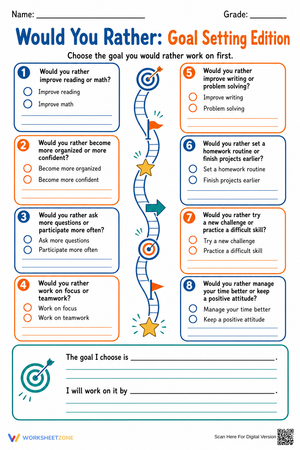
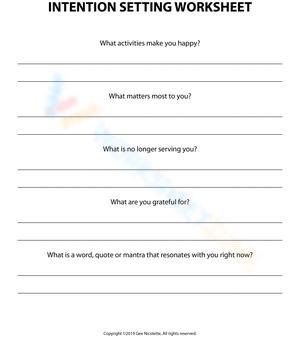
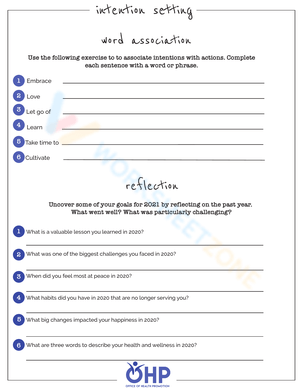
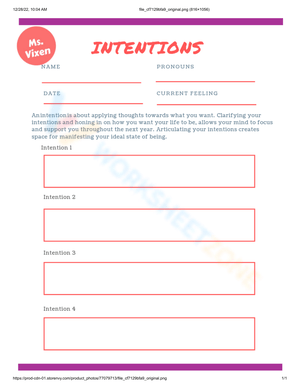
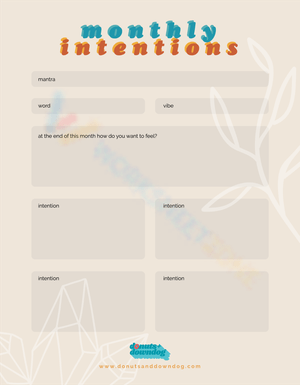
On the Worksheetzone intention-setting page for Grade 5 behavior resources, the appeal is the same one teachers look for across upper elementary supports: low-prep pages that help students pause, name a goal for the day or week, and connect behavior to learning. That matters in classrooms where students are juggling transitions, group work expectations, assignment completion, and peer interactions all at once.
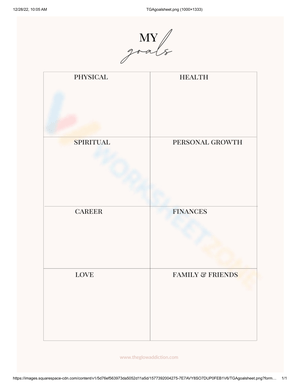
Intention setting also feels more immediate than a broad goal sheet. Instead of writing a distant goal such as "be better at math," students can name a specific plan such as listening fully during partner talk, starting independent work on time, or asking for help before frustration builds. That shift makes the worksheet useful for daily routines, not just occasional counseling lessons.
What teachers should look for in a printable PDF
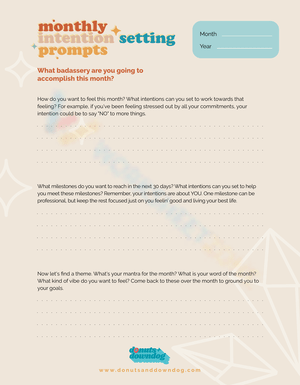
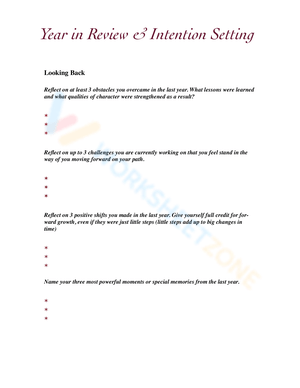
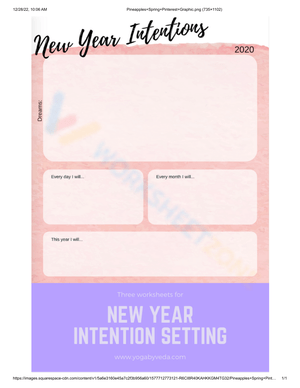
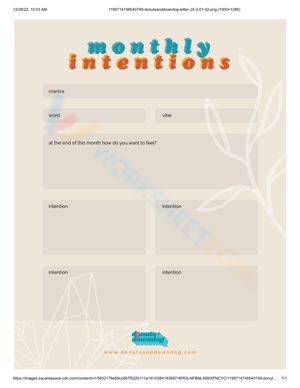
An effective Grade 5 intention-setting printable should be easy to scan and short enough to finish in a few minutes. At this age, students respond well to direct prompts that guide them from intention to action. A strong worksheet usually asks what the student wants to focus on, why that focus matters, what action will show success, and how the student will reflect later.
- Age-appropriate language: Prompts should sound respectful and clear, not overly childish or too abstract.
- Space for specificity: Students need room to write a concrete behavior, routine, or work-habit target.
- Quick-print design: A simple PDF format helps teachers use the page for whole class, small group, or individual support.
- Built-in reflection: A closing question or rating scale helps students look back at follow-through instead of stopping at the plan.
For classroom use, one-page worksheets are often the most flexible. They can go into morning work bins, intervention folders, desk binders, or counseling materials without requiring extra setup. They also make it easier to revisit the same routine over time, which is where intention setting starts to change behavior rather than stay a one-time writing task.
How intention setting supports behavior and SEL
Intention setting fits behavior instruction because it helps students connect internal choices to visible actions. In Grade 5, that can mean naming a focus before a challenging part of the day and then checking whether that intention showed up in class participation, work completion, or peer interactions. The worksheet becomes a bridge between self-awareness and accountable behavior.
CASEL places goal-setting within self-management, which gives teachers a useful frame for these pages. When students identify one behavior they want to strengthen and one action they can control, they are practicing SEL in a classroom-ready format rather than completing a generic motivational exercise.
Edutopia's Supporting Student Goal-Setting says upper elementary goal-setting is strongest when goals are specific, measurable, realistic, and revisited over time. That four-part frame gives teachers one usable checkpoint set for choosing Grade 5 intention-setting prompts that students can actually follow.
This is especially helpful for students who need a reset after work-habit concerns or behavior check-ins. A worksheet offers a neutral structure: the student can identify what happened, choose a better intention for the next block, and leave with a plan that is short, concrete, and school-focused.
Classroom Implementation
These worksheets are most useful when teachers attach them to an existing routine instead of treating them like an extra assignment. In a morning meeting or soft-start block, students can complete a brief intention prompt before the academic day begins. In advisory, the same format can anchor weekly reflection and help students connect classroom expectations to personal responsibility.
They also work well in small groups. A counselor, interventionist, or classroom teacher can use the page to help a few students identify patterns such as rushing, avoiding tasks, interrupting, or giving up too quickly. Because the worksheet keeps the conversation grounded in one immediate intention, it supports problem solving without becoming a long conference.
- Morning work: Students set one intention for focus, participation, or self-control before instruction starts.
- Post-recess or post-lunch reset: The page helps students re-enter learning with a clear behavior target.
- Intervention folders: Teachers can collect weekly sheets to review patterns and growth over time.
- Independent reflection: Students can complete a quick check-in after a missed expectation or incomplete work period.
For whole-class use, keep the routine brief and consistent. For individual support, add a short teacher conference or end-of-day check. The worksheet does not need to carry the full intervention by itself; it works best as the written anchor for a predictable reflection cycle.
Frequently Asked Questions
1. How do 5th grade intention setting worksheets help with classroom behavior?
They help students name one clear behavior or work-habit target before or after a challenging part of the day. That makes behavior expectations more concrete and gives teachers a simple reflection tool they can revisit during check-ins.
2. When should teachers use intention-setting PDFs during the day?
Common times include morning work, advisory, post-lunch reset, before independent work, and after a behavior or work-habit concern. The best timing depends on whether the teacher wants prevention, reflection, or both.
3. What should an age-appropriate worksheet include for Grade 5?
It should include clear prompts, room for a specific intention, one action step, and a short reflection question. Grade 5 students usually do best when the page is direct, respectful, and easy to complete in a few minutes.
4. Are these worksheets better for whole class, small groups, or individual reflection?
They can work in all three settings. Whole-class use supports routines, small groups support targeted SEL instruction, and individual use supports resets or intervention check-ins after a specific behavior pattern.
5. How is intention setting different from general goal setting for elementary students?
General goal setting often points to a longer-term outcome, while intention setting focuses on how a student will act in the next lesson, block, or day. That shorter time frame makes the worksheet especially useful for classroom routines and behavior follow-through.












 Interactive Worksheet Maker
 Quiz Maker
 Word Search Maker
 Crossword Puzzle Maker
 Word Scramble Generator
 Sentence Scramble Generator
 Handwriting Worksheet Generator
 Name Tracing Generator
 Fill In The Blank Generator