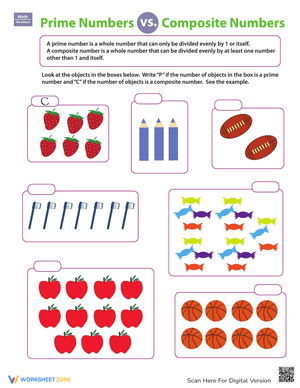
Fourth grade is the year students move from reading and writing numbers into rounding, adding, subtracting, and eventually multiplying multi-digit whole numbers, all within a single school year. Multi-digit numbers worksheets for 4th grade give teachers a way to break that scope into manageable practice sets that match where each student actually is in the progression, rather than assuming the whole class is ready for the standard algorithm on day one.
Reading, Writing, and Comparing Multi-Digit Numbers In Grade 4 Classes
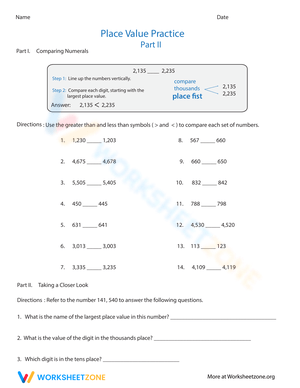
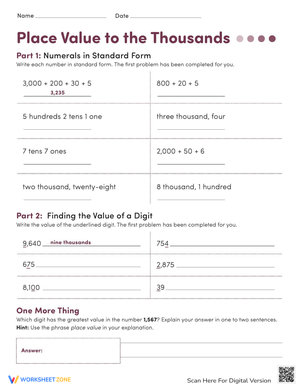
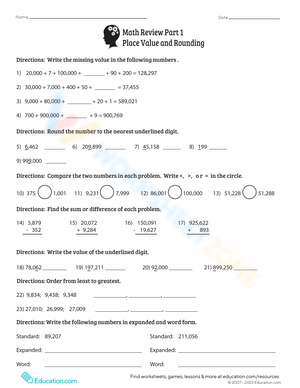
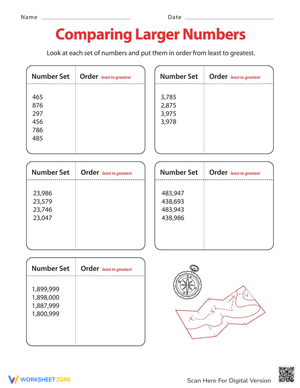
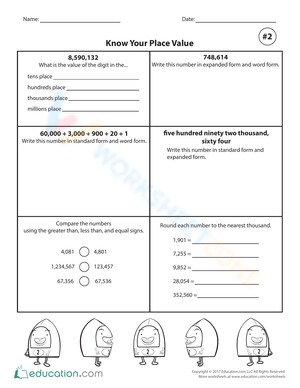
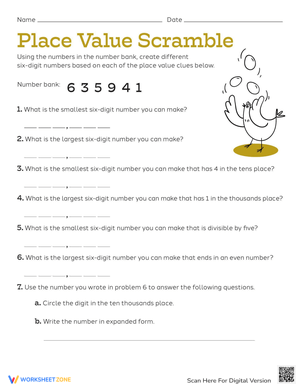
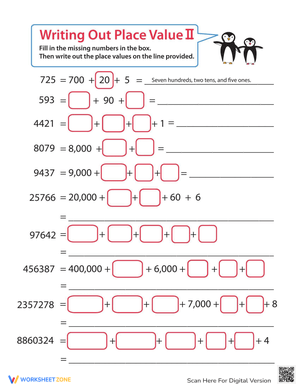
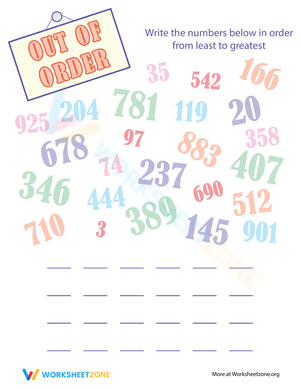
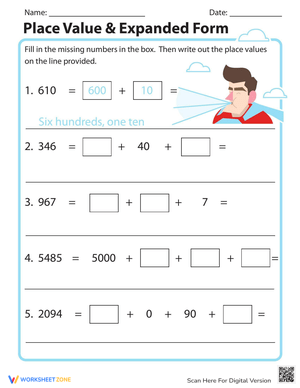
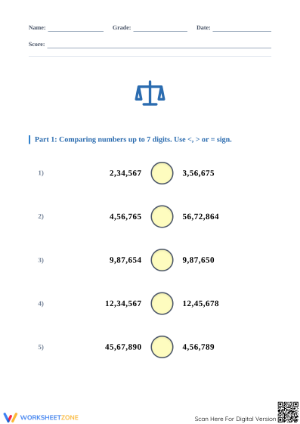
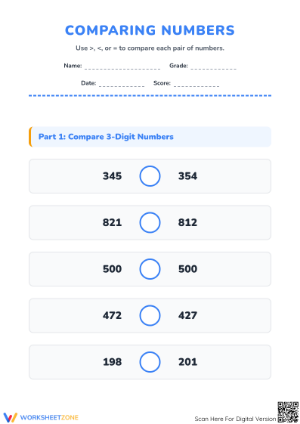
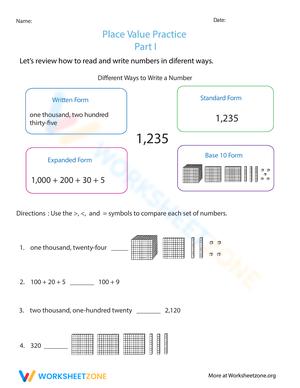
CCSS.Math.Content.4.NBT.A.2 asks students to read and write multi-digit whole numbers using base-ten numerals, number names, and expanded form, then compare them using greater than, less than, and equal to symbols. Worksheets built around this standard typically ask students to convert a number like 428,619 into words, then into an expanded form statement, then to compare it against a second number using the correct symbol.
This is a natural entry point for the school year because it does not require computation fluency yet. Students who struggle here are usually struggling with place value naming conventions, not arithmetic, so a worksheet that isolates reading and writing skills gives you a cleaner diagnostic than a mixed word-problem set would.
Fluency in Adding and Subtracting Multi-Digit Whole Numbers
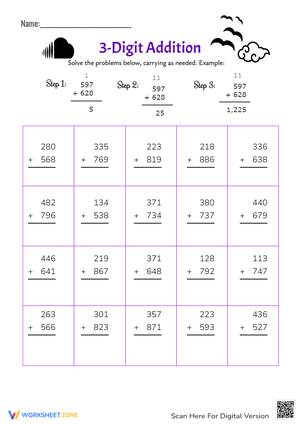
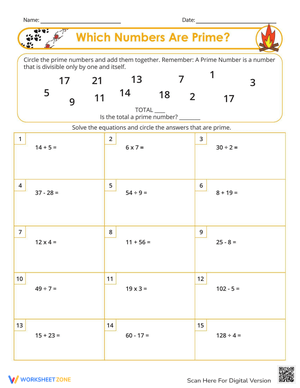
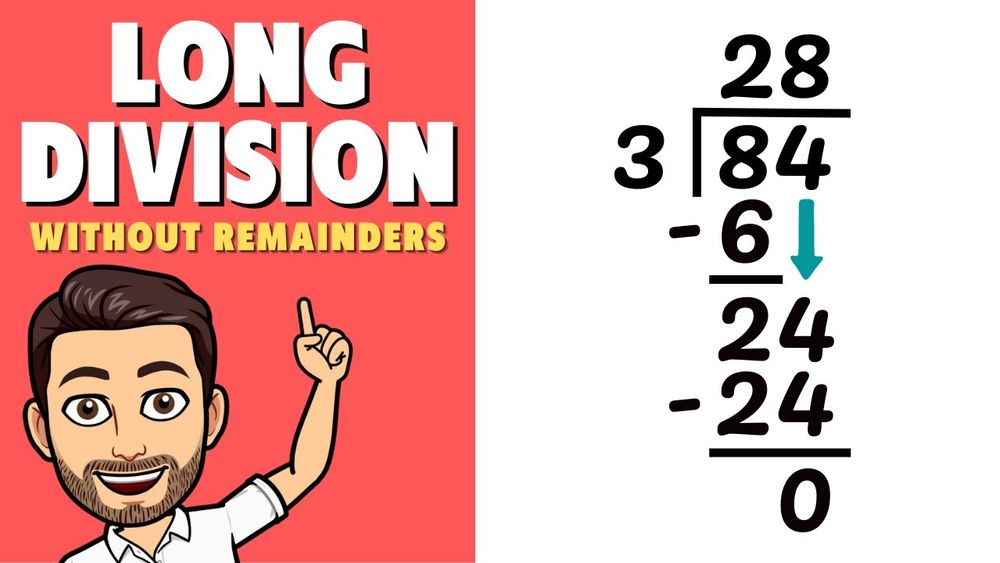
CCSS.Math.Content.4.NBT.B.4 sets the expectation that students become fluent in adding and subtracting multi-digit whole numbers using the standard algorithm. According to theteacherscafe.com, building this fluency well relies on students first understanding place value and regrouping conceptually, then practicing the standard algorithm with problems that include multiple regrouping steps across different place values, not just single-regroup examples that mask weaker spots in a student's understanding.
Worksheets aimed at this standard should progress from problems with one regrouping step to problems requiring regrouping across two or three place values in a single computation. That progression mirrors how fluency actually develops and gives you a way to place students at the right difficulty tier for intervention groups.
Classroom Implementation
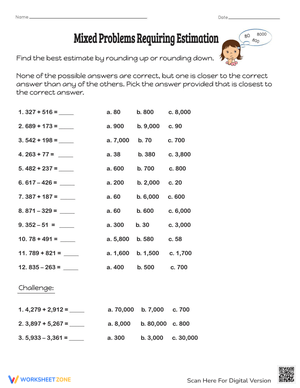
Sequence multi-digit numbers worksheets to match the order the standards build in: reading, writing, and comparing first, then rounding, then addition and subtraction fluency, then multiplication with models. Trying to teach all four strands in the same week tends to blur the skills together for students who are still solidifying place value basics.
For whole-class instruction, use a worksheet from each strand as a quick formative check before moving to the next unit; a five-item check on reading and writing multi-digit numbers takes only a few minutes to score and tells you whether the class is ready to move into rounding. For small-group intervention, pull students by the specific skill they missed rather than by general ability level. A student who struggles with rounding to a given place value needs different practice than a student who struggles with regrouping in subtraction, even if both students scored similarly on a broader unit test.
Keep number size consistent with grade-level expectations. Since 4.NBT work is scoped to numbers at or below 1,000,000, worksheets that push into the millions or beyond can create unnecessary confusion about what the grade-level target actually is, especially for students already working near their frustration level with regrouping.
Frequently Asked Questions
1. Which CCSS standards do multi-digit number worksheets for 4th grade align to?
They typically align to four related standards: 4.NBT.A.2 for reading, writing, and comparing multi-digit numbers, 4.NBT.A.3 for rounding to any place, 4.NBT.B.4 for fluent addition and subtraction using the standard algorithm, and 4.NBT.B.5 for multiplying multi-digit numbers using place value strategies and models.
2. How large are the numbers 4th graders are expected to work with in this domain?
Grade 4 place value expectations are limited to whole numbers less than or equal to 1,000,000, so worksheets should stay within that range to stay aligned with the standard.
3. What is the difference between place value worksheets and standard algorithm worksheets at this grade level?
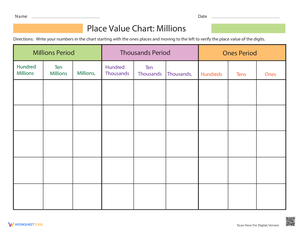
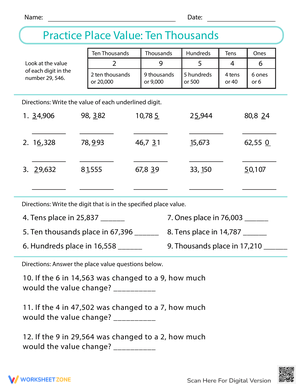
Place value worksheets ask students to represent numbers using expanded form, number names, or base-ten models to build conceptual understanding. Standard algorithm worksheets ask students to compute using the compact column method. Strong instruction sequences place value work before or alongside standard algorithm practice rather than skipping straight to the procedure.
4. How can teachers use these worksheets for intervention groups versus whole-class instruction?
For whole-class use, a short worksheet from each 4.NBT strand works well as a formative checkpoint before moving to new content. For intervention groups, group students by the specific skill gap a worksheet reveals, such as rounding to a particular place value or regrouping across multiple digits, rather than by overall ability.
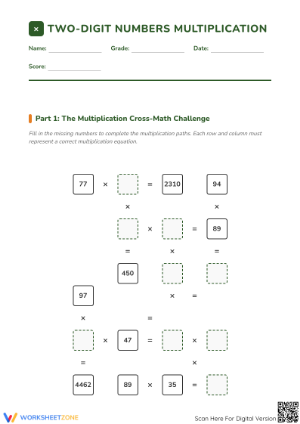
5. What models should accompany multi-digit multiplication worksheets for 4.NBT.B.5?
Rectangular arrays and area models should accompany multiplication worksheets for this standard, since the standard specifically calls for illustrating and explaining multi-digit multiplication using equations, arrays, or area models before moving to a compressed algorithm.













 Interactive Worksheet Maker
 Quiz Maker
 Word Search Maker
 Crossword Puzzle Maker
 Word Scramble Generator
 Sentence Scramble Generator
 Handwriting Worksheet Generator
 Name Tracing Generator
 Fill In The Blank Generator