Why 4th Grade Subtraction and Missing Numbers Worksheets Matter
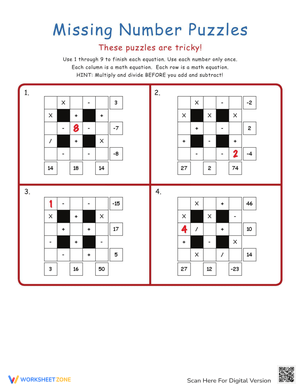
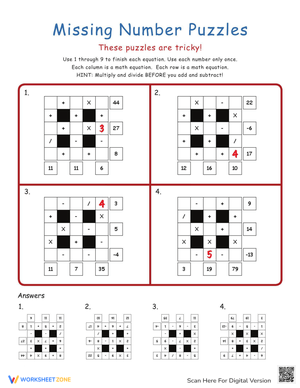
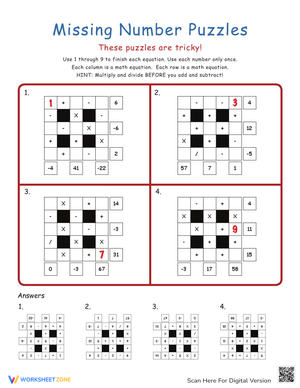
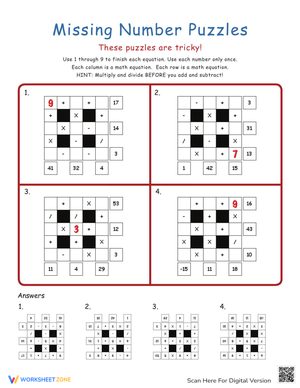
Fourth grade teachers know that subtraction fluency does not happen in one unit. Students need repeated, varied practice that keeps regrouping and place value active in their thinking long after the initial lesson. 4th grade subtraction and missing numbers worksheets give teachers a flexible practice format that goes beyond standard vertical problems. By asking students to find a missing minuend, subtrahend, or difference, these worksheets require more than mechanical computation. Students have to reason about the relationship between the numbers, which keeps the standard algorithm connected to meaning instead of becoming a rote procedure.
This worksheet type lines up directly with CCSS 4.NBT.4, which asks students to fluently add and subtract multi-digit whole numbers using the standard algorithm. A worksheet built around missing numbers still practices that same algorithm, just from a different entry point. Instead of solving for the difference, a student might solve for what was subtracted or what the starting number must have been. That flexibility is exactly what strong fourth grade number sense looks like, and it gives teachers a low-prep way to extend a lesson that might otherwise feel finished after one round of straightforward practice problems.
Building Inverse-Operation Reasoning with Missing Number Problems For 4th Grade Students
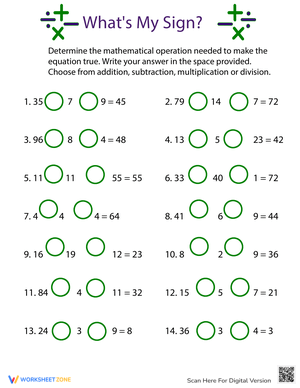
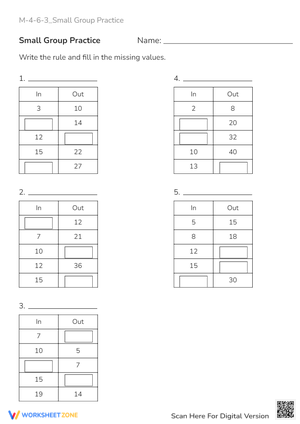
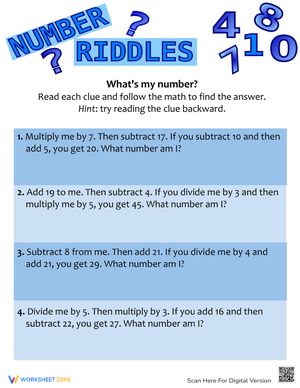
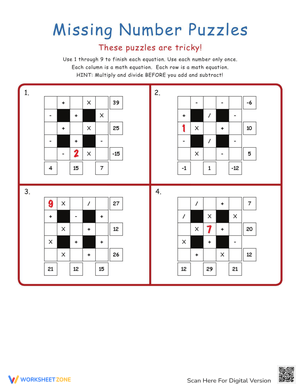
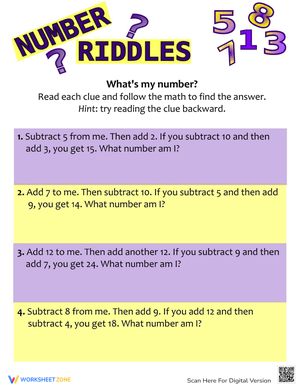
Missing-number subtraction problems ask students to use addition to check or recover an unknown subtrahend or minuend, rather than always solving left to right for a difference. That single shift changes the cognitive demand of the page. A student solving 700 minus what number equals 458 has to either estimate and adjust or set up the inverse addition problem, add up from 458, and confirm the result lines back up with 700. Both strategies reinforce that subtraction and addition are two views of the same relationship, a concept fourth graders need well before they meet formal algebra.
In practice, missing-number items also function as a built-in error check for teachers. A student who can solve standard subtraction problems but stumbles on missing-addend versions is often relying on a memorized sequence of steps rather than understanding place value relationships, which shows up clearly once the blank moves from the answer position to the middle or beginning of the equation.
Pairing Number Patterns with Subtraction for 4.OA.5
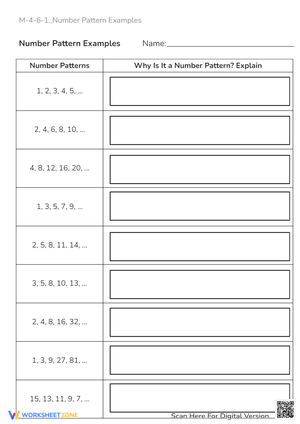
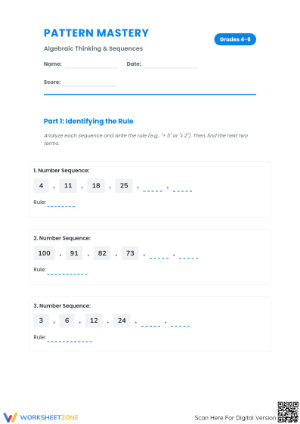
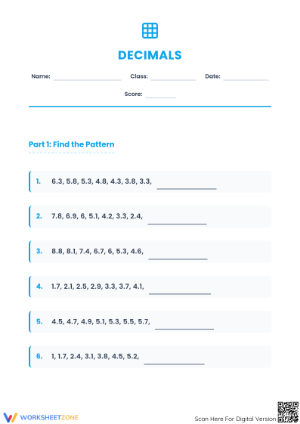
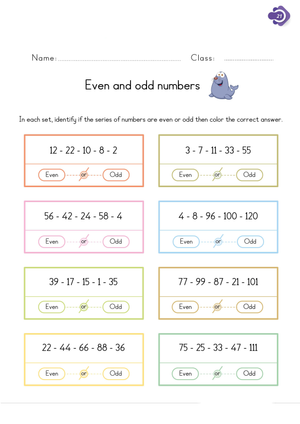
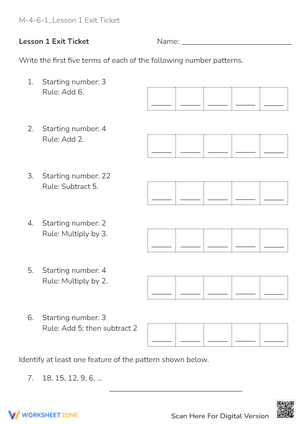
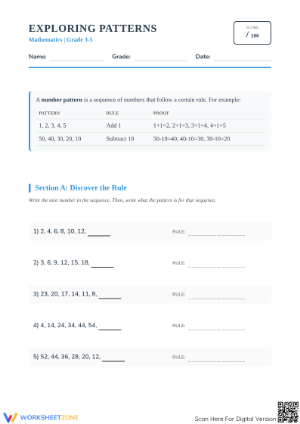
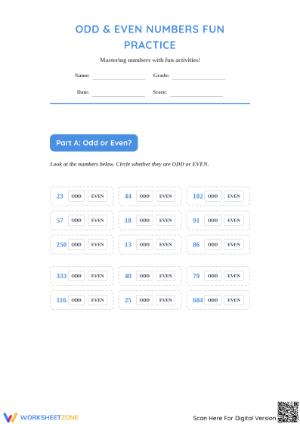
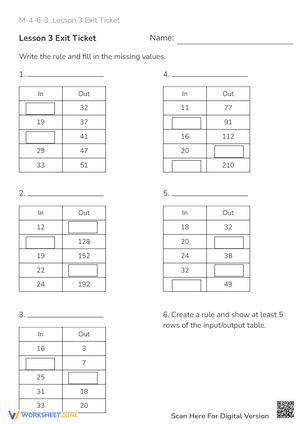
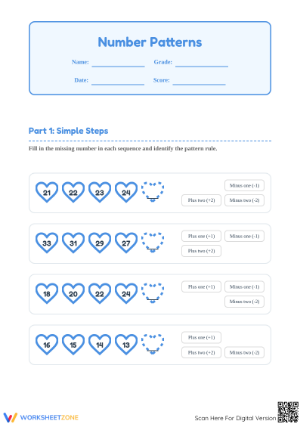
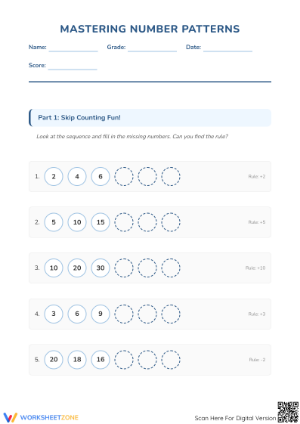
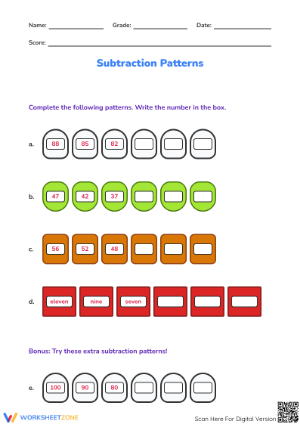
CCSS 4.OA.5 asks students to generate a number or shape pattern from a given rule and to identify features of that pattern that are not stated directly, such as an alternating odd and even sequence. Decreasing number patterns pair naturally with subtraction practice, since each step in the pattern is itself a small subtraction problem tied to a consistent rule. A worksheet might present a sequence like 852, 812, 772, and ask students to find the next three terms, then explain what they notice about the ones digit across the sequence.
When missing numbers show up inside a pattern rather than a single equation, students have to hold two ideas at once: the subtraction rule that generates each term, and the broader structure of the sequence. That combination gives teachers a natural bridge between arithmetic fluency and the pattern-recognition thinking that CCSS 4.OA.5 targets, all within the same worksheet format students already recognize from daily practice.
Classroom Implementation
These worksheets fit naturally into several parts of a fourth grade math block:
- Use a short missing-number set as a five-minute warm-up before a subtraction lesson to activate prior knowledge and surface misconceptions early.
- Rotate a missing-number and pattern worksheet into a math center so students get repeated, low-stakes practice without teacher-led instruction.
- Assign missing-number items as homework review once the standard algorithm has been introduced, since the format forces students to re-engage with the steps rather than rush through familiar problems.
- Use a page focused on decreasing number patterns as a transition activity that reinforces both 4.NBT.4 and 4.OA.5 in a single ten-minute block.
Pacing matters here. Introducing missing-number formats too early, before students have built basic fluency with standard subtraction, can create confusion rather than deeper understanding. Most fourth grade teachers find the best entry point is after students have had at least one full week of standard algorithm practice with regrouping.
Many 4th grade teachers keep a simple tracking sheet next to their missing-number worksheets, noting which students consistently solve for a missing subtrahend versus a missing minuend. That distinction matters because the two skills develop at slightly different rates, and a student who is confident finding a missing subtrahend may still need extra modeling before finding a missing minuend inside a multi-step pattern. A few weeks of this kind of light tracking makes grouping decisions for intervention and enrichment far more precise than a single test score.
Frequently Asked Questions
1. How do missing-number subtraction worksheets align with 4th grade CCSS standards?
They reinforce CCSS 4.NBT.4 by requiring the standard subtraction algorithm from a different starting point, and they support CCSS 4.OA.5 when missing numbers appear inside a rule-based pattern rather than a single equation.
2. What is the difference between a missing-number problem and a standard subtraction problem?
A standard problem asks students to solve for the difference. A missing-number problem hides the minuend or subtrahend instead, so students must use inverse-operation reasoning, often addition, to find the missing value.
3. How can teachers use number pattern worksheets to support subtraction fluency?
Pairing a decreasing number pattern with a consistent subtraction rule gives students repeated practice with the same operation while also building the pattern-recognition skills named in 4.OA.5.
4. What classroom strategies help students who struggle with missing-number subtraction?
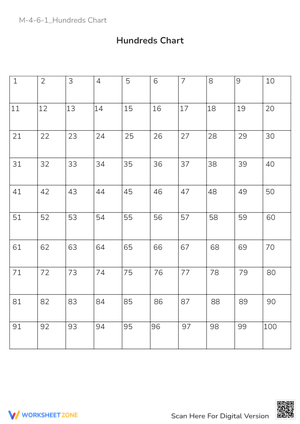
Small-group modeling, hundreds charts, and base-ten blocks help students connect the abstract missing-number format to a concrete strategy before they attempt the worksheet independently.













 Interactive Worksheet Maker
 Quiz Maker
 Word Search Maker
 Crossword Puzzle Maker
 Word Scramble Generator
 Sentence Scramble Generator
 Handwriting Worksheet Generator
 Name Tracing Generator
 Fill In The Blank Generator