What These 2nd Grade Units of Measurement Worksheets Cover
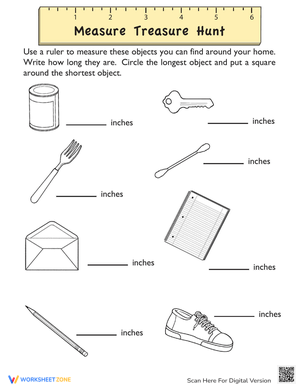
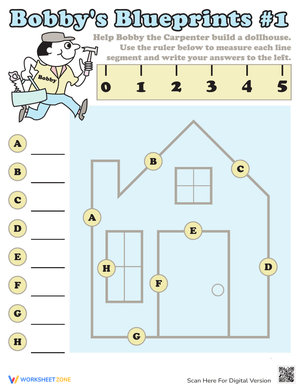
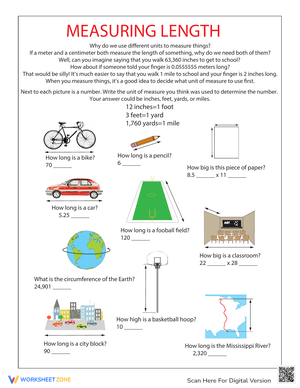
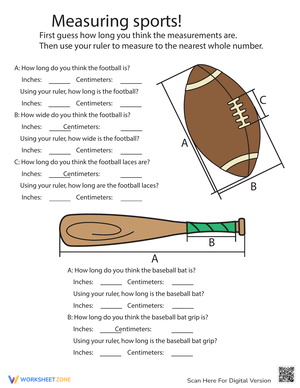
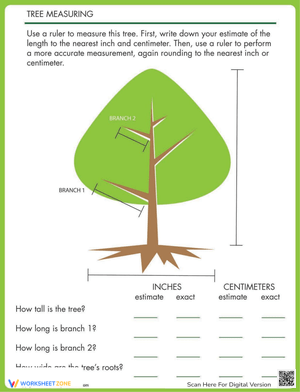
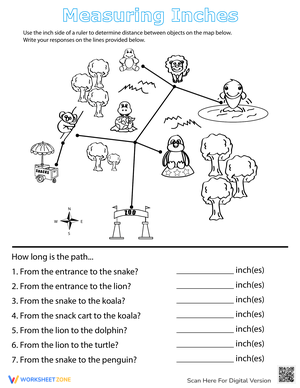
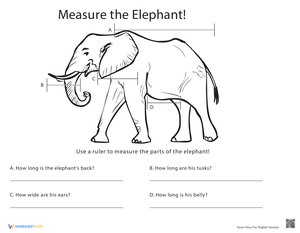
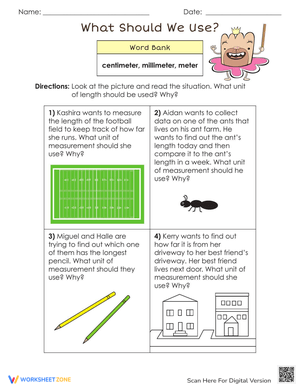
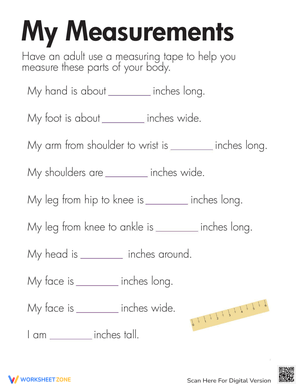
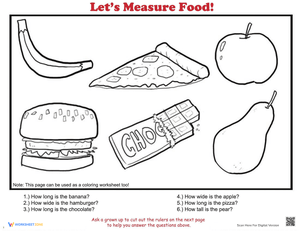
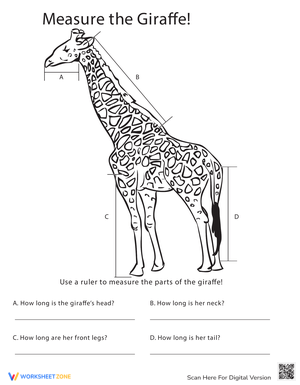
Second grade is the first year students leave nonstandard measurement behind and start working with real rulers, yardsticks, meter sticks, and measuring tapes. These 2nd grade units of measurement worksheets are built around that shift. Each page gives students an object or a set of objects to measure, a tool to use, and a standard unit to record the result in, so practice looks like what happens during an actual math block rather than an abstract worksheet exercise. You can use them for whole-class instruction, morning work, homework, or a quick check before you move on to the next measurement skill.
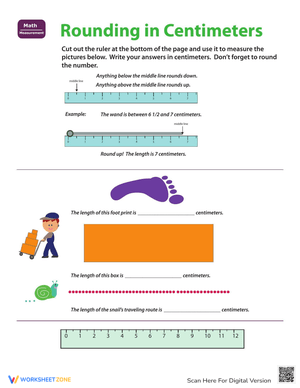
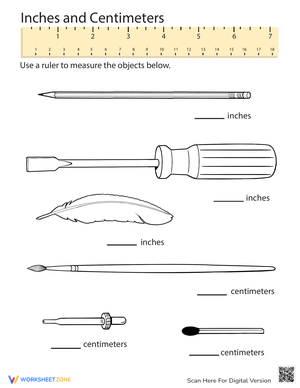
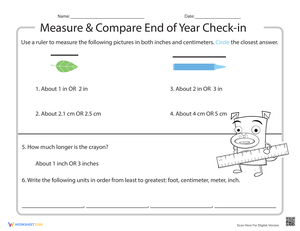
Because the worksheets rotate through inches, feet, centimeters, and meters, they naturally expose students to both customary and metric systems in the same unit of study. That repetition matters. Second graders need multiple exposures to each unit before they can reliably choose the right tool and read a scale correctly, and a worksheet set gives you a low-prep way to provide that repetition across several days or weeks.
Aligning Practice to CCSS 2.MD.A.1-4
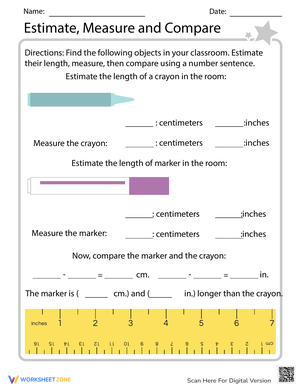
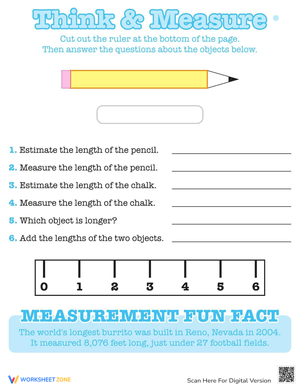
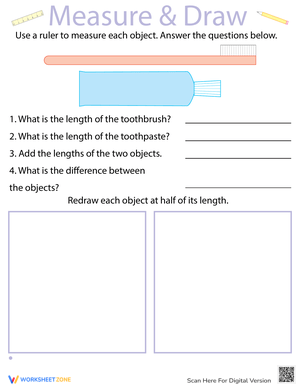
If your district maps math instruction to the Common Core, these worksheets slot directly into the Measurement and Data domain for grade 2. CCSS 2.MD.A.1 calls for students to measure length by selecting and using appropriate tools, and the worksheet sets give students repeated chances to decide whether a ruler, yardstick, or meter stick fits the object in front of them. CCSS 2.MD.A.3 asks students to estimate before they measure, and CCSS 2.MD.A.4 has them determine how much longer one object is than another once both lengths are recorded in the same unit.
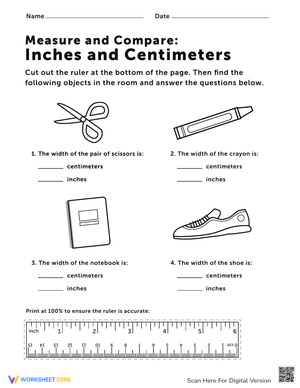
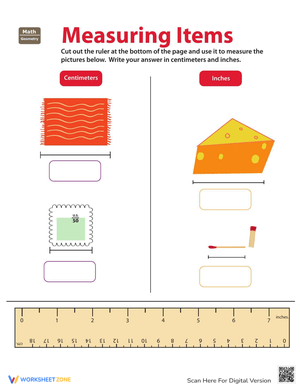
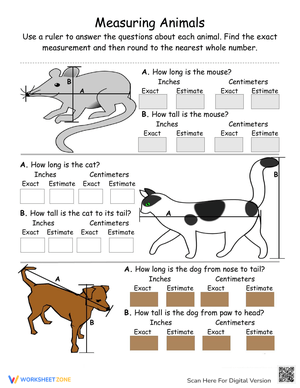
One pattern shows up consistently in second grade classrooms: students who are asked to measure the very same object twice, once in inches and once in centimeters, in a single lesson build a much stronger sense of what unit size means than students who only ever practice one unit at a time. That side-by-side comparison is exactly what CCSS 2.MD.A.2 is designed to develop, and worksheet pages that pair a customary measurement task with a metric one on the same object are worth prioritizing over pages that isolate a single unit.
Classroom Implementation
These worksheets work best as part of a short, repeatable routine rather than a single big lesson. A common structure is to open the block with a quick estimate-then-measure warm-up, move into a worksheet page focused on one unit or tool, and close with a partner check where students compare their answers and talk through any mismatches. That partner-check step matters for measurement specifically, since a misread ruler or a slipped starting point is easy to miss without a second set of eyes.
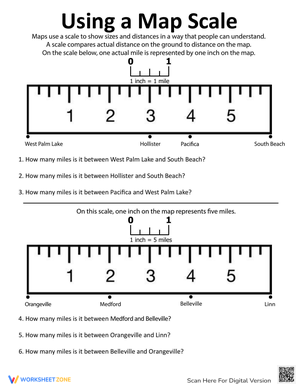
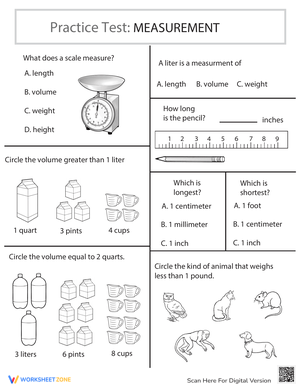
For pacing, plan roughly one worksheet focus per tool or unit pair across a two-week measurement unit: rulers and inches, rulers and centimeters, yardsticks and feet, meter sticks and meters, then a mixed-review page that asks students to select the right tool themselves. Ending the unit with word-problem worksheets that combine measurement with addition and subtraction, tied to 2.MD.B.5, gives students a natural bridge into the next standard.
Frequently Asked Questions
1. Which CCSS standards do 2nd grade units of measurement worksheets align to?
They align to CCSS 2.MD.A.1 through 2.MD.A.4, covering tool selection, comparing measurements of the same object in different units, estimating lengths, and finding the difference between two measured lengths.
2. What measuring tools should 2nd graders practice with on these worksheets?
Rulers, yardsticks, meter sticks, and measuring tapes are the four tools named in CCSS 2.MD.A.1, and worksheet sets should rotate through all of them so students learn which tool fits which size of object.
3. How do teachers use these worksheets for estimation practice before measuring?
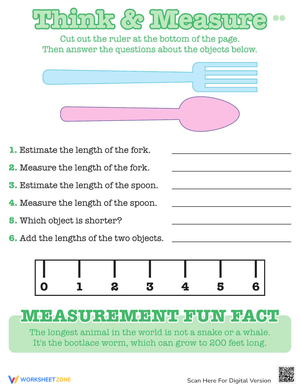
An estimate-then-measure format works well: students record an estimate in the target unit, measure the object with the correct tool, then compare their estimate to the actual result to build a stronger sense of unit size.
4. Can these worksheets support small-group intervention for students still measuring with nonstandard units?
Yes. A small-group worksheet can strip away unit conversion and focus only on correct tool placement and reading a scale, which is the foundational skill students need before estimation and comparison tasks make sense.
5. How do measurement worksheets connect to addition and subtraction word problems in 2nd grade?
Worksheets that pair a measuring task with a follow-up word problem tie directly to CCSS 2.MD.B.5, giving students practice adding and subtracting measured lengths within 100 once the units are consistent.













 Interactive Worksheet Maker
 Quiz Maker
 Word Search Maker
 Crossword Puzzle Maker
 Word Scramble Generator
 Sentence Scramble Generator
 Handwriting Worksheet Generator
 Name Tracing Generator
 Fill In The Blank Generator