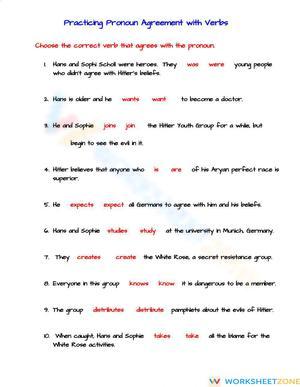
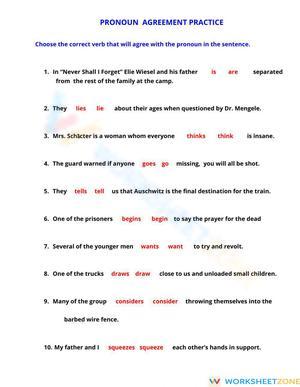
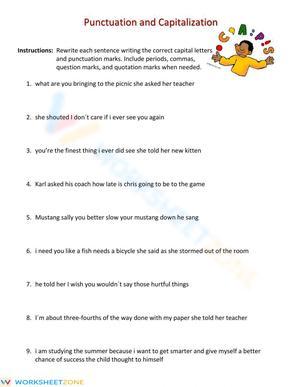
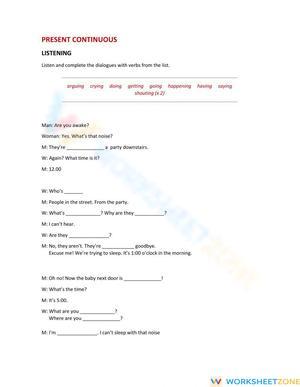
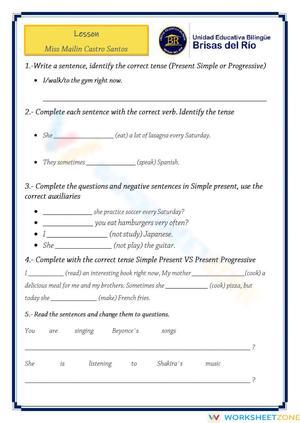
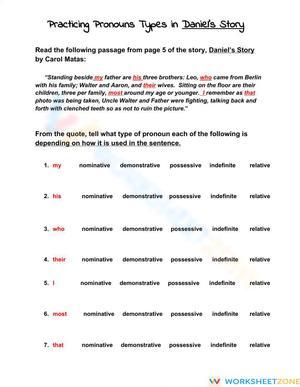
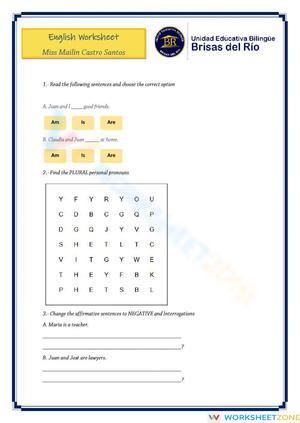
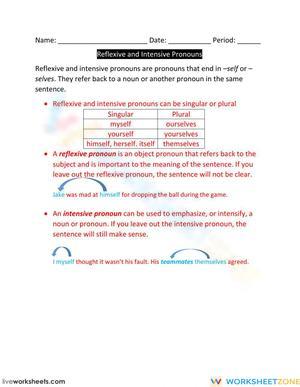
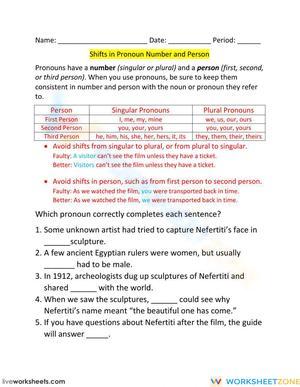
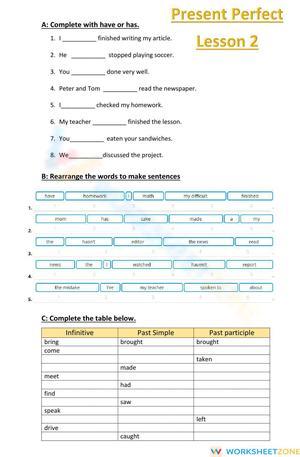
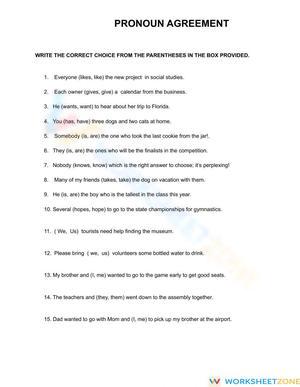
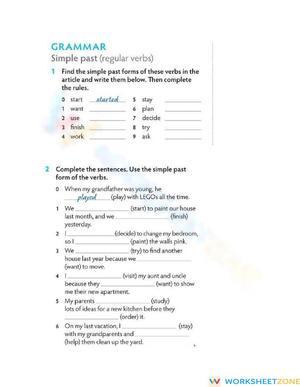
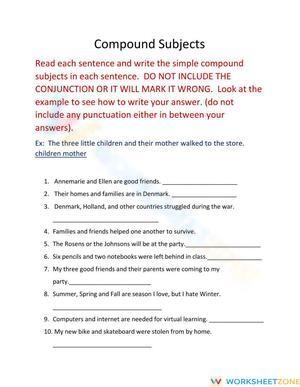
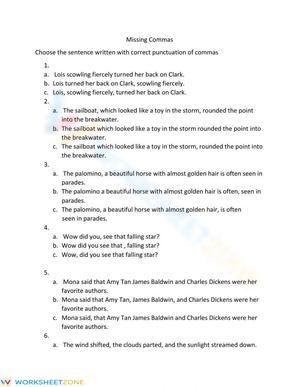
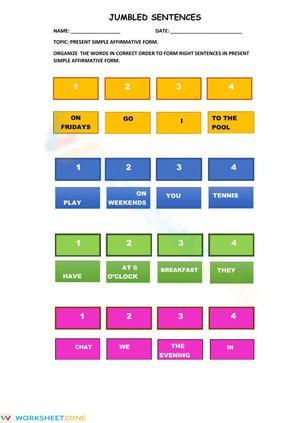
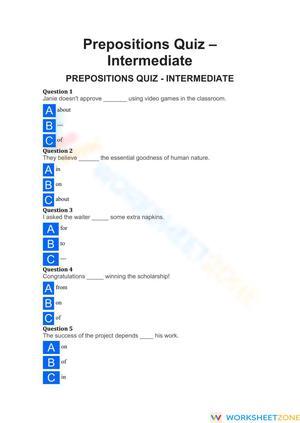
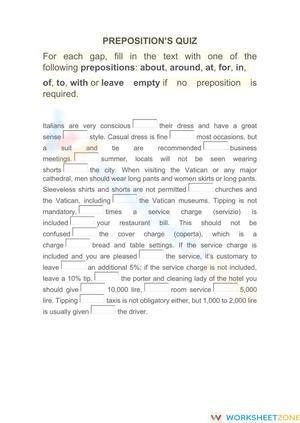
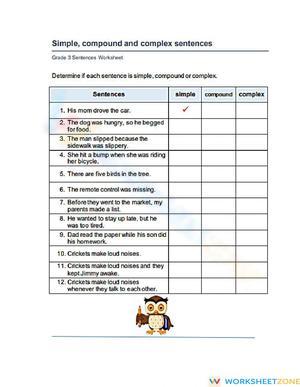
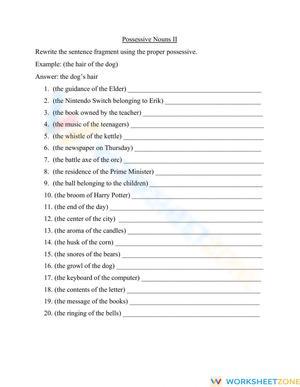
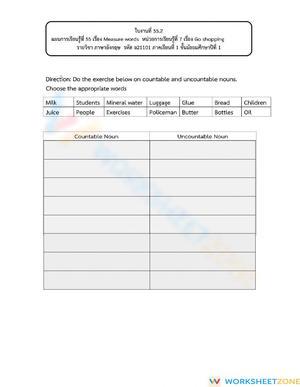
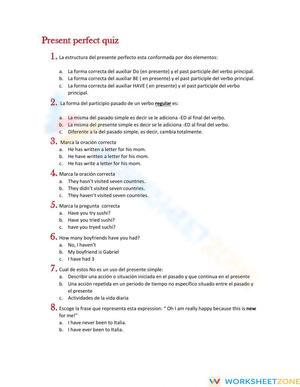
These grammar and mechanics worksheets pdf for 10th grade target the precise inflection point where students stop treating punctuation as a set of rules to memorize and start using it as a deliberate stylistic instrument. At tenth grade, the gap between what students know about grammar and what they actually do in their essays widens considerably — and focused print practice is one of the most reliable ways to close it. Each worksheet isolates a single construction — parallel structure, semicolons and colons, dash placement, phrase and clause variety — giving teachers materials that drop into bell-ringers, work as diagnostic tools, or serve as targeted follow-through after a mini-lesson.
Skills Built Across the Set
Each worksheet concentrates on one grammatical construction, and the set covers the constructions that matter most at this level:
- Parallel structure in series, compound predicates, and dependent clause pairs
- Semicolons between independent clauses and in complex series
- Colons before explanatory clauses, formal quotations, and extended lists
- Em dashes for emphasis and interruption, carefully distinguished from hyphens and parenthetical commas
- Participial phrases and appositives for sentence variety and layered detail
- Subordinating conjunctions that shift a sentence's rhetorical weight
Parallel structure anchors the collection because it's the construction where 10th graders most visibly lose control of complex sentences. Students who write fairly clean prose at the simple and compound level will still produce three-item series where each item arrives in a different grammatical form. Worksheets present intentionally broken sentences and require students to identify the structural problem before rewriting — a two-step approach that builds analytical habit more reliably than correction-only formats.
Mistakes Students Make That These Worksheets Bring Into View
The parallel structure errors that surface on diagnostic worksheets are more subtle than teachers expect. A student who immediately fixes "She enjoys reading, writing, and to paint" will still write "The narrator's tone shifts from hopeful, then becomes bitter, and finally resignation takes over" — three items that collapse across a modifier, a verb phrase, and a noun phrase. That kind of error requires understanding how grammatical categories work across a series, not just recognizing a surface mismatch, which is why the sentences in these worksheets draw from the register of analytical writing rather than simple everyday lists.
Semicolons produce a predictable cluster of errors. The most common: students who have learned that semicolons connect independent clauses will write "The essay was due Friday; but I hadn't started" — placing a semicolon directly before a coordinating conjunction. The second pattern is the reverse overreach, where students avoid semicolons entirely and produce comma splices instead. Each worksheet in the semicolon sequence asks students to classify the error type before correcting it, a small step that forces metacognition rather than guessing. With em dashes, the recurring problem is hyphen substitution — students enter a single dash character and keep moving, which disappears in handwriting but flags immediately in typed work.
Fitting These Worksheets Into an Already-Packed ELA Block
The grammar and mechanics worksheets pdf for 10th grade set works most efficiently as a bell-ringer sequence rather than a standalone unit. Five minutes at the start of class — before everyone has their notebook open, before the day's agenda is fully on the board — is enough time for students to complete a focused exercise on one specific construction. Over a nine-week quarter, that routine accumulates to roughly 225 minutes of grammar practice without displacing a single full class period. The most productive scheduling pattern: choose bell-ringer worksheets that match whatever writing skill the class is developing that week. If students are drafting analytical body paragraphs, the parallel structure worksheets run first.
The single most effective use of these worksheets: after students complete an exercise on em dashes, require them to revise one paragraph of their current essay draft to include a correctly punctuated dash before the end of that same class period. This immediate transfer from isolated practice to authentic text prevents the failure mode where students ace the worksheet and then never use the construction again. Diagnostic use works equally well — administer one worksheet ungraded at the start of a unit, collect it, and use the patterns you see to decide which skills need explicit mini-lessons and which need only brief review.
Standard Alignment
These worksheets address CCSS.ELA-LITERACY.L.9-10.1 (command of standard English grammar and usage in writing) and CCSS.ELA-LITERACY.L.9-10.2 (command of punctuation and spelling) most directly. The clause variety and parallel structure worksheets also support CCSS.ELA-LITERACY.L.9-10.3, which calls for applying language knowledge to make effective choices for meaning or style — a standard that sits at the boundary between grammar and rhetoric, which is exactly where this set operates. Teachers in TEKS states will find alignment with TEKS 110.39(b)(11)(D), which addresses correct syntax and sentence variety in student writing. The punctuation worksheets map directly to the editing tasks on the SAT Writing and Language section, where semicolon placement and parallel structure errors appear on nearly every test form.
Adjusting the Set for Different Learners
Students whose writing still contains foundational sentence errors — habitual fragments or comma splices — benefit from starting with the clause variety worksheets rather than jumping into parallel structure. Those exercises ask students to combine two simple sentences into one complex sentence, a task that requires understanding what a clause is before worrying about balance across a series. The em dash worksheets are better reserved for these students until second semester; the construction genuinely confuses students who haven't yet stabilized comma usage, and introducing it too early creates new uncertainty without resolving the existing one.
Advanced students, including those in AP Language and Composition, move quickly through error-correction and benefit from a generation task: after completing a worksheet, they write three original sentences using the target construction, then locate one example of it in whatever essay or article the class is currently reading. That final step — finding the rule operating inside a published writer's prose — is where the grammar and mechanics worksheets pdf for 10th grade practice becomes genuinely transferable. One honest limitation worth naming: students who struggle with reading comprehension sometimes find error-correction formats frustrating because the analytical writing sentences are long and syntactically dense. Providing a reference card with labeled examples of each construction helps those students engage with the grammatical task without spending their energy decoding the sentence itself.
Frequently Asked Questions
Can these worksheets connect directly to the texts students are already reading in class?
Yes, and that connection strengthens retention considerably. After students complete a worksheet on participial phrases, ask them to find two examples of the construction in whatever novel or essay the class is studying. When a student locates "Rattled by the verdict, the attorney gathered her notes" in a text she has already read for class, the construction becomes something a writer chose rather than a rule a worksheet imposed. That shift — from grammar as correction to grammar as craft — is where most 10th-grade ELA instruction is trying to land.
What if students complete the worksheet correctly but still avoid these structures in their own writing?
This is the most common gap in grammar instruction, and it shows up reliably in the first round of essays after any mechanics unit. Correct worksheet responses indicate recognition — students can identify a parallel structure error when it's isolated — but not production. The fix is requiring specific targeted revision moves on every major draft: "Add an appositive to at least two sentences in your introduction" or "Use a semicolon at least once in your body paragraphs." Making specific construction requirements part of the revision checklist closes the gap between recognition and use far faster than additional worksheet practice alone.
Are these worksheets appropriate for students in AP Language and Composition?
The parallel structure, clause variety, and dash worksheets translate directly into AP Language work, where students analyze rhetorical choices and produce timed analytical writing. The error-correction format is useful early in the year for establishing shared grammatical vocabulary, but AP students typically need generation tasks — writing original sentences and then locating the construction in mentor texts — to stay engaged. The grammar and mechanics worksheets pdf for 10th grade set works as a foundation that AP instruction builds on, particularly for students who arrive with punctuation gaps carried forward from middle school.