These 1st grade drawing and painting worksheets pdf give classroom teachers and art specialists a print-ready path through the foundational skills first graders need: controlling a pencil, naming and reproducing line types, combining primary colors, and using basic shapes to build recognizable images. The set covers concepts suited to the preschematic stage of child art development — the period around ages 6–7 when children begin replacing random marks with intentional representations. Each worksheet stands alone and does real instructional work inside a 40-minute period.
What Each Worksheet Targets
The set moves through four skill clusters that build on each other across the school year:
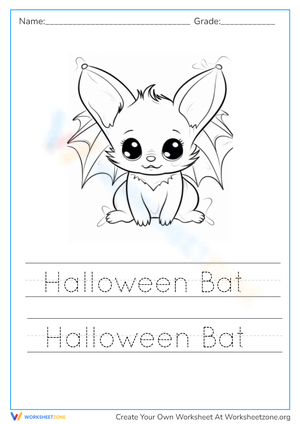
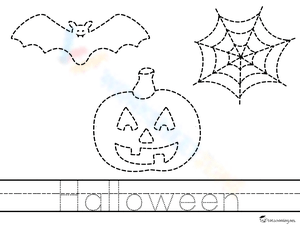
- Line work: Students trace and then reproduce straight, wavy, zig-zag, spiral, and curved lines inside outlined shapes — a fish body, a leaf, a kite — so they practice pencil control in a context that feels purposeful rather than mechanical.
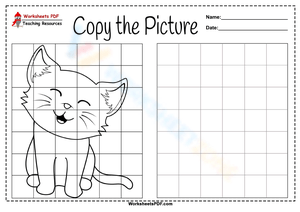
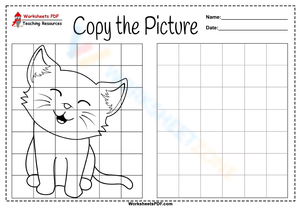
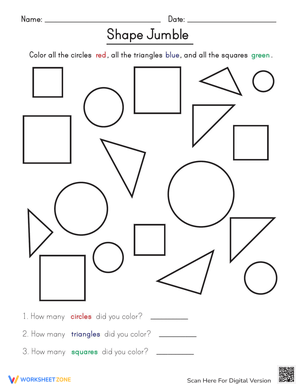
- Shape drawing: A step-by-step format breaks a cat, a house, or a simple landscape into the circles, rectangles, and triangles first graders already name in math, demystifying representational drawing for students who insist they can't draw.
- Color mixing: Students predict what happens when two primaries combine, then verify on a swatch grid, building color vocabulary and patience with process before they ever pick up a brush.
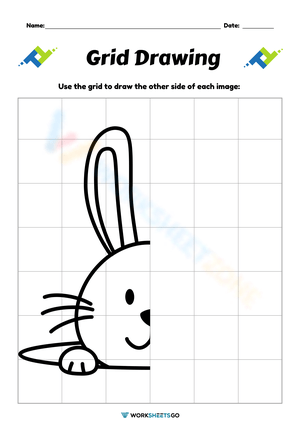
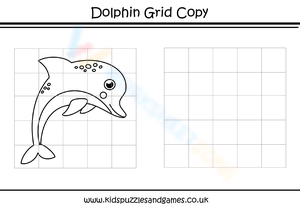
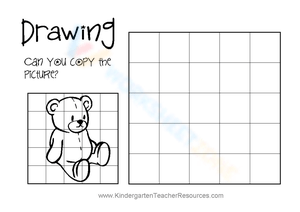
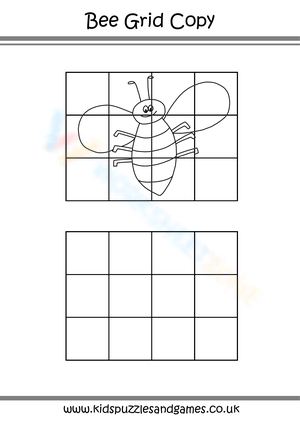
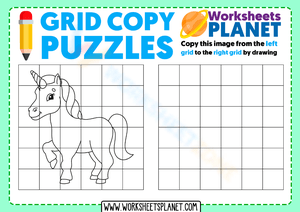
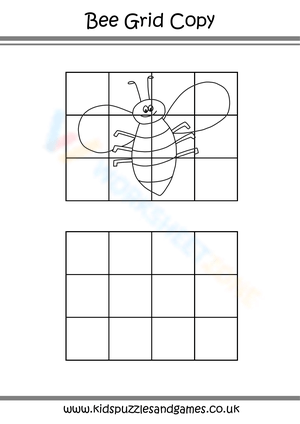
- Observation drawing: Students complete the missing half of a symmetrical image — a butterfly, a face, a leaf — which builds spatial reasoning alongside careful looking.
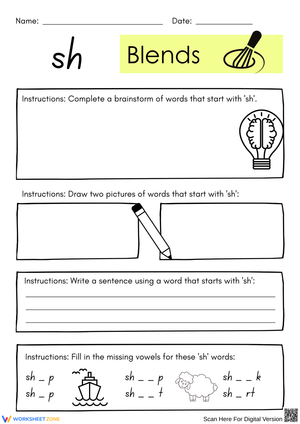
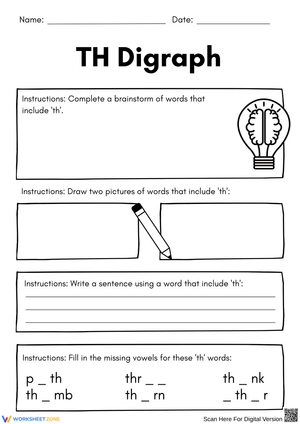
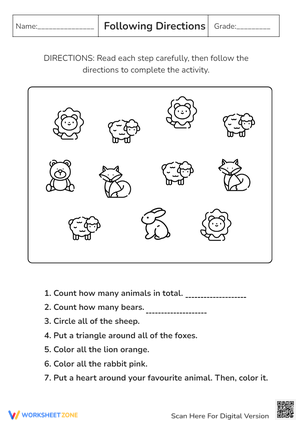
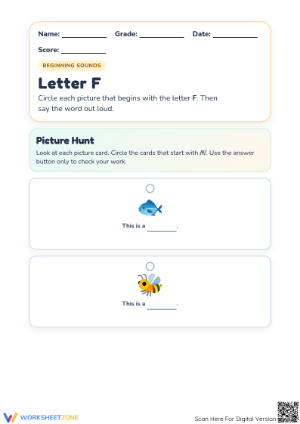
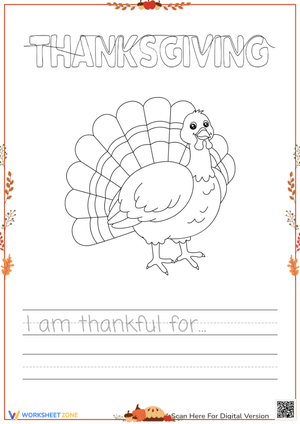
Art vocabulary is woven into every worksheet rather than treated as a separate lesson. Students label line types, circle examples of warm or cool colors, or match a texture word to a surface they have just drawn. This visual-verbal pairing directly benefits English language learners, who anchor new terms to images they produced themselves.
Errors Worth Catching Before They Become Habits
The most consistent error in line work at this age is pressure uniformity — students bear down hard for every mark, producing heavy, unvaried lines regardless of whether the prompt asks for a thin spiral or a bold zig-zag. When a student fills a butterfly wing with identical dark strokes and then says the wing looks "wrong," the problem is grip and pressure, not intention. Naming the difference — light pressure for thin lines, firm pressure for thick — during the whole-class model before students touch paper addresses this directly.
Color mixing produces a different category of mistake. First graders tend to add too much of one color too fast, ending up with muddy results because the dominant pigment overwhelms the secondary. A color-mixing worksheet that prompts students to use a clean brush for each addition, and to add the lighter pigment to the darker rather than the reverse, catches this before it creates frustration during a full painting session. There is also a conceptual error worth addressing on its own: students who have memorized "blue + yellow = green" often reject a lime green or teal as "not green," because they expect a single correct result. Reviewing completed worksheets as a class and holding up the range of greens students produced is the fastest way to reset that expectation.
Why Structured Practice Works at This Stage
The gap between what a 6-year-old imagines and what their hand produces is real and frustrating. When that gap goes unaddressed, students declare they "can't draw" by the end of first grade and stop trying. Structured practice using step-by-step drawing sheets and constrained line tasks reduces cognitive load: instead of simultaneously managing composition, color, subject matter, and hand control, students focus on one variable at a time. After two or three guided drawing worksheets, the same students who couldn't draw a dog are working from observation with noticeably more confidence.
Using 1st grade drawing and painting worksheets pdf in a warm-up-to-studio sequence puts this effect to direct use. A 10-minute worksheet at the start of a lesson establishes the concept and gives every student a small, concrete success before the less predictable open studio portion begins. Students who struggled with the worksheet can still name the shapes they used; students who moved quickly have a mental model to apply more ambitiously in the studio work that follows.
Fitting These Worksheets Into Your Weekly Rotation
The Monday morning window — those first 8 minutes after attendance and morning meeting — is where these worksheets earn consistent mileage. A line-pattern page requires no lengthy setup, returns quickly, and settles the room before any transition. Teachers who use them this way report that even students who find open-ended art stressful arrive at the week's studio lesson with vocabulary already in place and a muscle memory for the day's technique.
For substitute coverage, a printed binder of self-contained guided drawing sheets handles the day cleanly. A substitute with no art background can walk through the steps on the board while students follow along on their own copy; collecting the finished worksheets in a portfolio folder means the coverage day still produces evidence of learning. Early finishers work from an optional prompts folder at a designated station — artist-inspired observation pages that extend the same skills without requiring teacher direction.
The 1st grade drawing and painting worksheets pdf also functions as a straightforward formative check. A student whose color-mixing swatch shows muddy brown where orange should appear hasn't made an error worth marking down — it is information about whether that student needs a smaller brush, a cleaner water cup, or one more demonstration before the full painting session.
Adjusting the Work for Different Readiness Levels
For students whose fine motor control is still catching up, the most effective adjustment is increasing the scale of the drawing area. Printing at 120% or working on 9×12 paper instead of letter-size gives a child's hand more room and reduces the cramping that produces wobbly lines on a standard sheet. Printing the guided drawing steps with faint shape outlines for students to trace before adding their own marks gives these students a physical guide without removing the drawing task itself.
Students who move through the worksheets quickly and accurately benefit most from observation drawing extensions: increase the complexity of the reference image, remove the half-image prompt so students must compose the whole thing, or ask them to add a background using foreground and background vocabulary introduced earlier in the year. Pairing these students with a peer during color-mixing tasks and asking them to explain their predictions aloud deepens understanding in a way that simply filling in another swatch row does not.
Standard Alignment
These worksheets align with the National Core Arts Standards for Visual Arts at the PreK–2 level. VA:Cr1.1.1a — engaging in exploration and imaginative play with materials — maps to the observation drawing tasks where students make independent compositional choices. VA:Cr2.1.1a — experimenting with materials and tools to explore personal interests — covers the line and color-mixing worksheets, where students test a technique before applying it in a full project. VA:Re7.1.1a — selecting and describing works of art that illustrate daily life — connects to the vocabulary labeling tasks on each worksheet, which build the language students need to discuss and evaluate their own work within the Responding strand.
Frequently Asked Questions
Do these worksheets replace hands-on painting, or do they need to run alongside it?
Alongside, not instead of. A color-mixing worksheet is far more meaningful when students immediately apply those discoveries to tempera or watercolor paint. The worksheet handles concept introduction; the painting session handles creative application. The most effective sequence treats each worksheet as the planning or sketch phase of a larger project — students leave with a tested color palette or a pencil outline they feel ready to paint over.
What paper stock handles wet media without warping or tearing?
Standard 20 lb copy paper tears under watercolor and warps under thinned tempera. Print on 65 lb cardstock or at minimum 28 lb multipurpose paper when students will apply wet media directly to the page. For dry media — colored pencils, crayons, oil pastels — standard copy paper holds fine.
How do these work in a general classroom where the teacher has no art background?
The step-by-step guided drawing pages carry enough visual instruction that a teacher can model from the printed page rather than drawing freehand on the board. The 1st grade drawing and painting worksheets pdf format also keeps preparation minimal — no materials to gather beyond crayons or colored pencils and a printer. For cross-curricular integration, the observation drawing pages pair naturally with a science unit on plants or animals, and the vocabulary labeling tasks support word-wall work already happening in ELA.
How do completed worksheets contribute to assessment at this grade level?
Portfolios outperform rubric grades here. Collecting three or four worksheets per marking period — one from each skill cluster — gives teachers and families a visible arc of growth in line control, color understanding, and representational drawing. The contrast between a September line-tracing page and a March observation drawing tells a clearer developmental story than any numerical score at this stage.