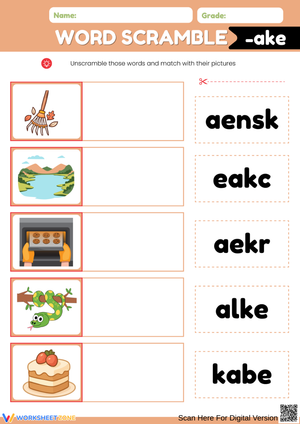
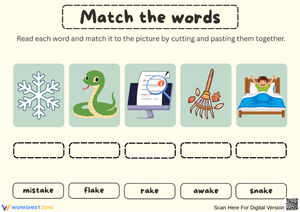
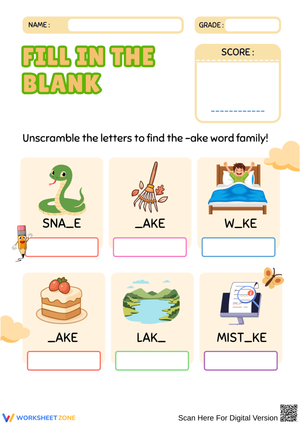
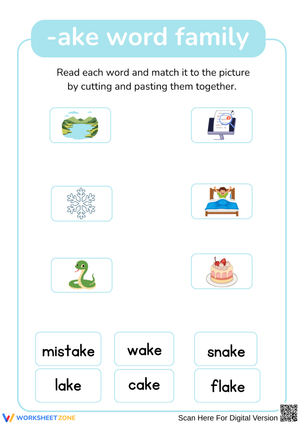
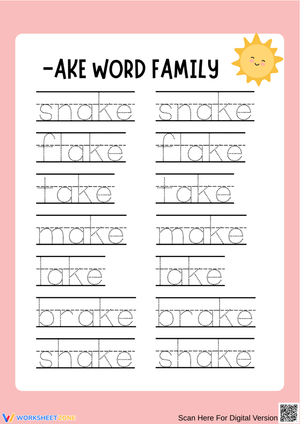
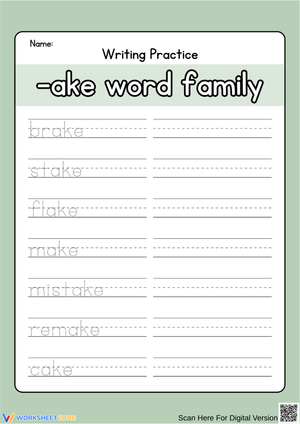
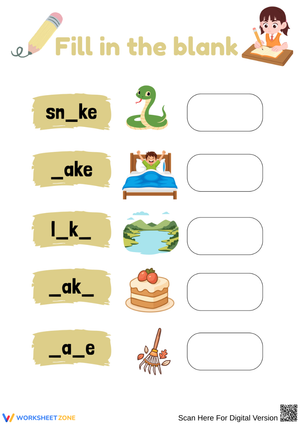
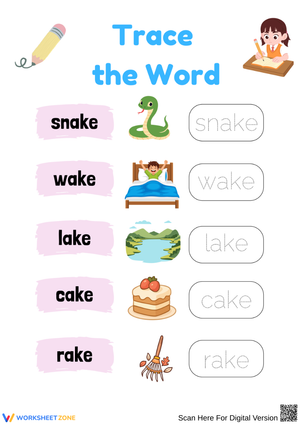
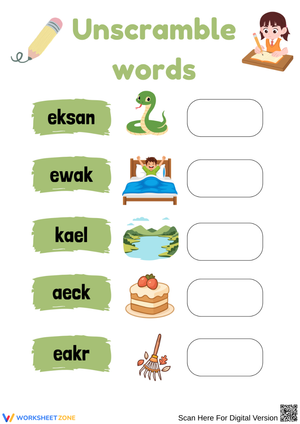
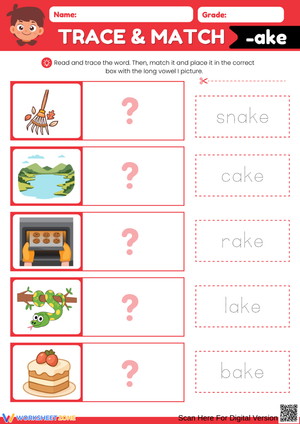
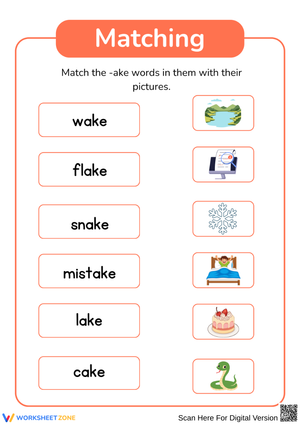
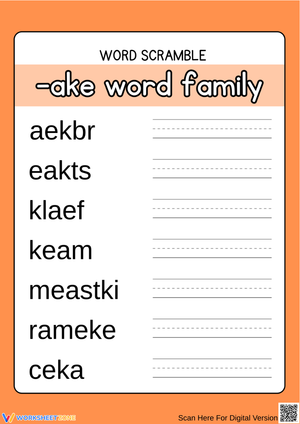
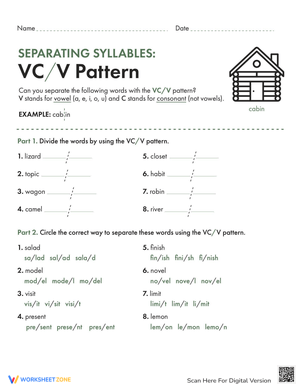
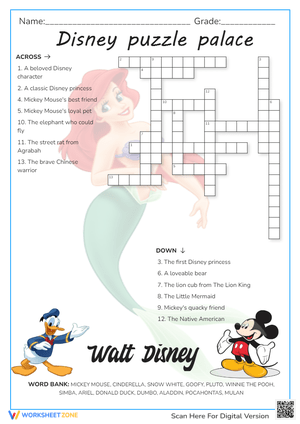
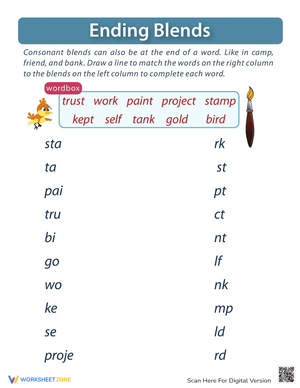
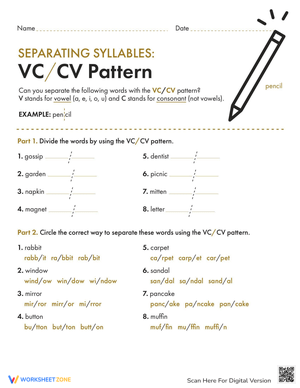
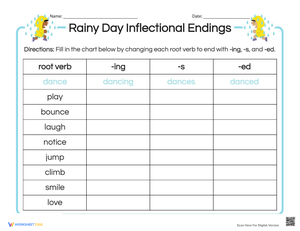
These spelling patterns worksheets for 1st grade give teachers a structured sequence of phonics practice covering the four pattern categories most first graders need to command before second grade: short-vowel CVC words, consonant blends, digraphs, and the silent-e convention. Each worksheet isolates a single pattern type, so students build one layer of understanding before the next is introduced. The set pairs with any core reading program and requires no additional preparation to use in whole-class lessons, small guided groups, or literacy center rotations.
What Students Practice Across the Set
The worksheets move through the sequence most first graders encounter between September and May. Practice tasks vary by pattern — students underline vowels, rewrite words with substituted letters, sort words by sound, and fill in missing graphemes — rather than repeating the same activity format throughout. This variation keeps practice active without introducing new cognitive demands every session.
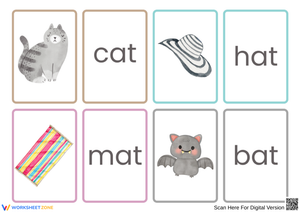
- CVC words: Students practice short vowel discrimination across all five vowels. The most productive task on these worksheets asks students to sort minimal pairs — words that differ by a single vowel — because that is where short vowel confusion surfaces most clearly in early writing.
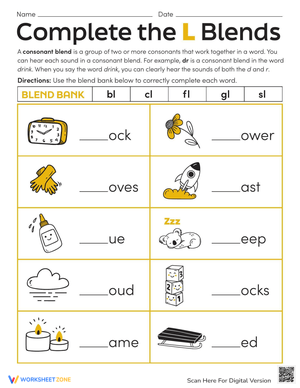
- Consonant blends: Initial blends (bl, cr, st, tr, fl) and final blends (nd, mp, lk) are treated separately. Students read, sort, and write blend words. No worksheet asks students only to circle a match, because passive recognition does not build the encoding skill.
- Consonant digraphs: Worksheets covering sh, ch, th, and wh ask students to distinguish digraphs from blends — a distinction that matters instructionally because a blend retains both sounds while a digraph replaces both letters with something new. That difference shapes the teaching move, not just the label.
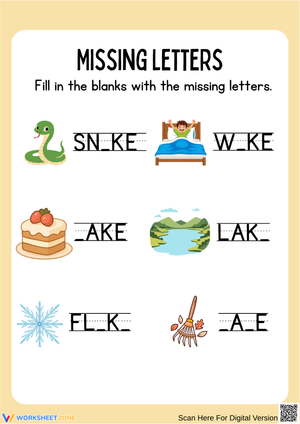
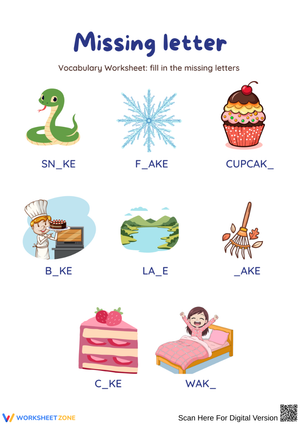
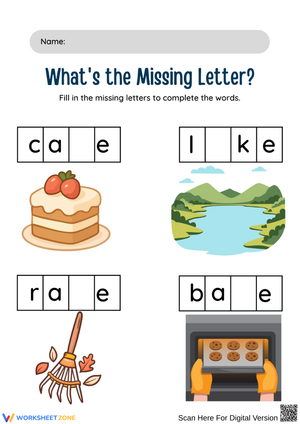
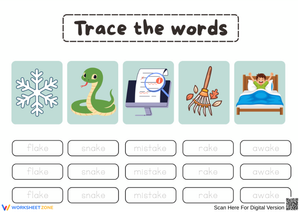
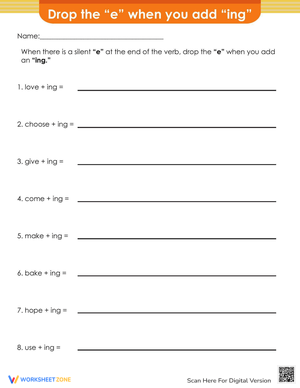
- Silent-e (CVCe): Students rewrite CVC words with a final e added, then mark the vowel that changed. Seeing "kit → kite" and "hop → hope" on the same worksheet, with the vowel change annotated, makes the rule concrete faster than any verbal explanation alone.
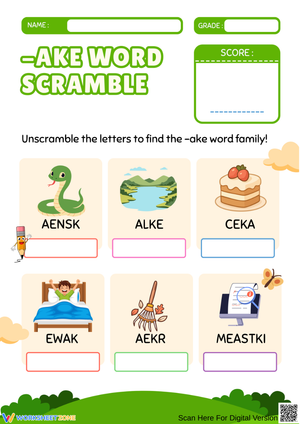
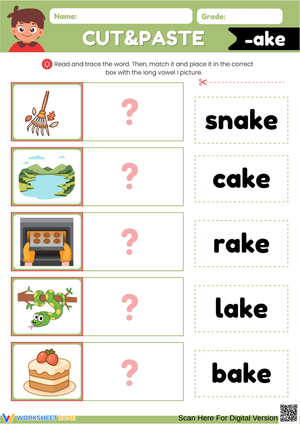
- Word families: Rhyming and word-building exercises built on -at, -an, -ig, -op, and -ug connect spelling to reading fluency by showing students that knowing one word in a family gives them access to several others without additional memorization.
Student Error Patterns Worth Catching Early
The digraph worksheets surface a confusion worth addressing before it hardens: students who learned to blend consonant clusters will try to separate the two letters in "sh" or "th," producing something like "s-hop" when reading aloud or splitting the letters in a word-sort task. The error almost always appears during the transition from oral blending to written decoding, and it signals that the concept of a combined sound has not transferred. Watching for this during small-group work — rather than only checking completed worksheets — lets teachers catch it before it becomes a stubborn habit.
The silent-e worksheets produce their own predictable mistake. Students consistently apply the rule in reverse: they see any word with a final e and elongate the vowel, so "have" becomes /hāv/ and "love" becomes /lōv/. The worksheets address this by mixing regular CVCe words with a small number of common exceptions, which at least generates a teaching moment rather than leaving students to discover the gap mid-reading and assume the rule is broken. A third pattern shows up specifically in word-sort activities: students sort by the visual letter rather than the sound. A student places "cake" in the short-a column because they see the letter a first and have not said the word aloud. Building a verbal step into any sort — say the word, then place it — catches this quickly and is an easy routine to establish during center procedures.
Building These Worksheets Into Your Weekly Phonics Block
The most reliable entry point is as a five-minute warm-up at the start of explicit phonics instruction. Students work one worksheet while the teacher takes attendance or collects homework, and the class arrives at direct instruction with the target pattern already activated and a concrete example in front of them to discuss. This beats a verbal review question because it surfaces individual responses rather than the two or three students who call out first.
During guided reading groups, teachers can pull the blend or digraph worksheet that matches what students are misreading in their leveled text, work through it together, and return to the book with the pattern fresh in working memory. The worksheet functions as a quick reteach anchor, not an isolated drill. Spelling patterns worksheets for 1st grade also fit naturally into Friday review: mixed-pattern sheets touching CVC, blends, and digraphs in a single session give teachers a fast snapshot of which patterns are secure and which need another round the following week.
Adjusting the Worksheets Across Ability Levels
For students still building letter-sound correspondences, the CVC worksheets work better when paired with magnetic letters or letter tiles. Students build each word physically before writing it, which reduces the memory demand of the task and keeps the focus on the sound-symbol relationship rather than fine motor execution. Reducing the item count — covering half the page with a strip of paper — adjusts the cognitive load without changing the nature of the task itself.
For students who have moved past the target pattern, the same worksheets become generative rather than receptive: instead of filling in a missing letter, students write three original sentences using words from the word family or generate their own list of words that fit the pattern. This shifts practice from recognizing a pattern to applying it in context, which is the developmental step that follows decoding mastery. Spelling patterns worksheets for 1st grade are narrow enough in scope — one pattern, one set of items per worksheet — that layering different performance expectations on top of the same page is straightforward, without requiring teachers to create separate materials at each level.
Standard Alignment
CCSS.ELA-LITERACY.RF.1.3 requires first graders to know and apply grade-level phonics and word analysis skills in decoding words. The spelling patterns worksheets for 1st grade in this set address four substandards directly: RF.1.3a (consonant digraphs), RF.1.3b (long and short vowel sounds in regularly spelled one-syllable words), RF.1.3c (two-letter final blends), and RF.1.3d (the final-e convention distinguishing long from short vowel sounds). Teachers using structured literacy programs such as Fundations or CKLA will find the pattern sequence here maps onto the scope and sequence those programs follow in first grade, with blends introduced after CVC mastery and digraphs treated as a distinct instructional category — because the explanation students need for digraphs is fundamentally different from what they need for blends.
Frequently Asked Questions
What spelling patterns should first graders have secure before entering second grade?
Students heading into 2nd grade should reliably read and write short-vowel CVC words across all five vowels, decode common initial and final consonant blends, recognize and produce the four major digraphs (sh, ch, th, wh), and understand the silent-e pattern. Students missing these will run into immediate difficulty with the vowel teams and CCVCC patterns introduced in second grade, so the first-grade sequence carries more weight than it might appear to at the time.
How do I keep literacy center use of these worksheets from becoming low-effort busywork?
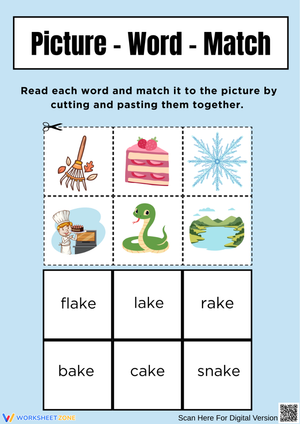
The simplest adjustment is requiring a verbal component alongside every written task. Word sort worksheets placed in dry-erase sleeves become reusable, but requiring students to say each word aloud before placing it keeps the activity phonemically active rather than purely visual. Matching worksheets gain value when students cover the answer and attempt recall before checking. Center tasks that ask students only to write letters without any oral production tend to produce accurate worksheets and shallow encoding — the two outcomes are not the same thing.
Can these worksheets function as formative assessment?
They work well as formative check-ins, not as formal assessments. A completed CVC worksheet shows which vowels a student discriminates consistently — short e and short i are the pair most likely to swap, and the pattern of errors across a worksheet is diagnostic in a way a single item is not. A completed digraph worksheet shows whether students recognize the pair as a unit or are still treating the two letters individually. Collected across the year, completed worksheets form a useful record of phonics development, though they should not replace a structured screener for identifying students who need intervention.
Do these worksheets work with students who are not yet reading independently?
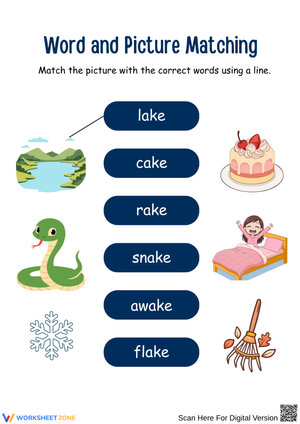
Yes, with one consistent adjustment: emerging readers need the picture cues that appear on the illustrated versions of each worksheet. Without a picture prompt, a student who cannot yet decode "ship" has nothing to anchor the phonics task to and ends up guessing rather than applying the pattern. For students at the earliest stages, a teacher or paraprofessional completes the first several items aloud alongside the student before releasing to independent work — keeping the focus on the sound rather than on reading an unfamiliar word cold.












 Interactive Worksheet Maker
 Quiz Maker
 Word Search Maker
 Crossword Puzzle Maker
 Word Scramble Generator
 Sentence Scramble Generator
 Handwriting Worksheet Generator
 Name Tracing Generator
 Fill In The Blank Generator