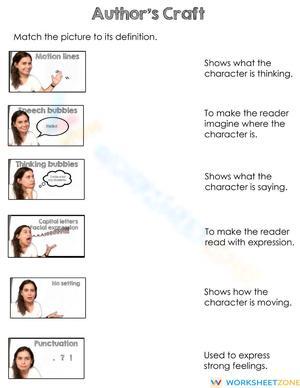
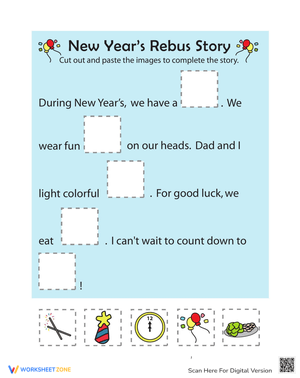
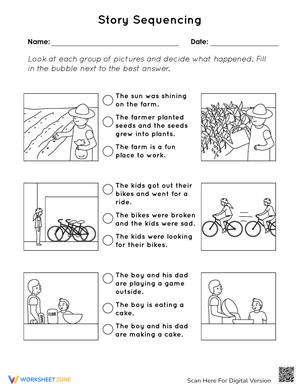
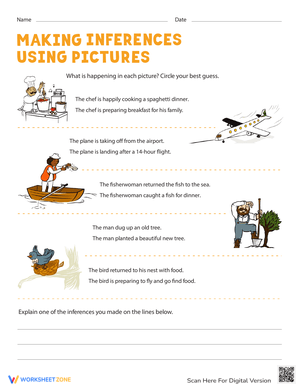
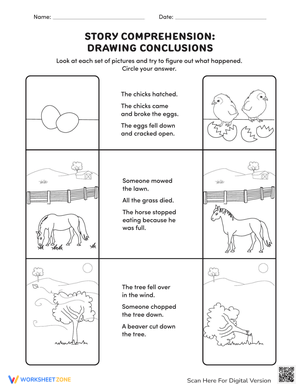
These fiction text features worksheets give students in grades 2 through 5 targeted practice with the structural and visual elements authors use to organize narrative — chapter titles, illustrations, dialogue formatting, italics for internal thought, and author's notes. The set moves students beyond passive reading into active analysis: they label, annotate, and explain why each feature exists, not just where it appears.
What Each Worksheet Covers
Each worksheet focuses on a distinct feature or a small cluster of closely related ones. Students work with:
- Chapter titles — identifying what a title hints at before reading, then returning afterward to examine whether it was literal, metaphorical, or deliberately ambiguous
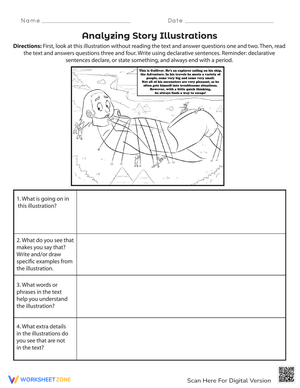
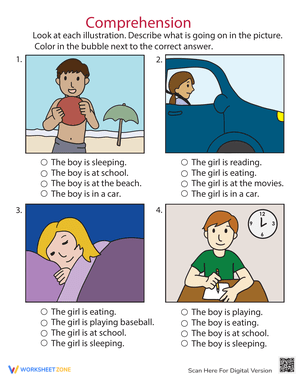
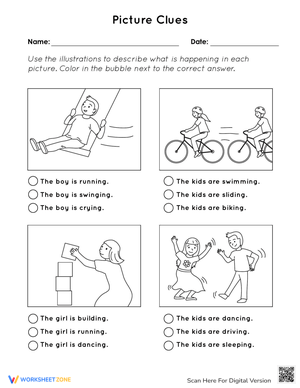
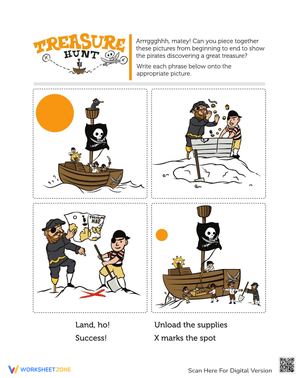
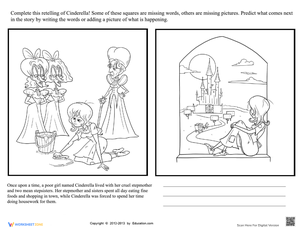
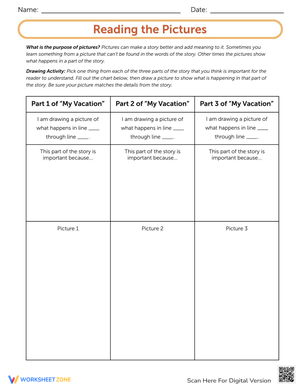
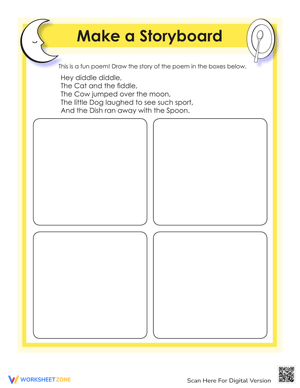
- Illustrations — labeling what an image adds that the text alone doesn't say: setting details, a character's expression, visual foreshadowing
- Dialogue formatting — understanding why quotation marks, paragraph breaks, and attribution tags are structural choices, not just punctuation conventions
- Internal thought markers — recognizing italics as a signal that the reader is inside a character's head, separate from what's spoken aloud
- Author's notes and dedications — reading these as paratextual elements that frame the story's context and intent
The tasks range from identifying and labeling to short written explanations. On several worksheets, students examine two versions of a short passage — one stripped of its structural features, one intact — and explain what changes in their reading experience. That comparison makes the functional value of each feature concrete rather than abstract.
Fitting These Worksheets Into Your Reading Block
The most productive placement for fiction text features worksheets is at the start of a new chapter book unit — before students have read ahead and formed habits about which parts of the page to pay attention to. A ten-minute feature walk before opening a new novel works well: students preview chapter titles, scan illustrations, and flag any unusual formatting. That front-loading reduces the confusion that slows many readers once they're mid-chapter and suddenly hit a page of italicized internal monologue for the first time.
Individual worksheets also work as independent reading check-ins during literacy centers. A student reading independently stops at the end of a chapter, completes the chapter-title reflection worksheet for that chapter, and tucks it into a reading folder. These accumulate into a record of how interpretations shifted across the book — useful data for a reading conference, and a concrete artifact that shows whether a student is reading closely or just moving through text.
Student Errors Worth Anticipating Before You Assign
The most consistent error we see is students treating illustrations as optional information — something to consult when the words feel hard, then set aside. On worksheets that ask students to explain what an illustration reveals that the text does not, many third graders will simply describe what they see rather than articulate the illustration's function. The prompt "what does this picture tell us that the words didn't say?" helps, but students often default to scene retelling even then. Modeling a think-aloud with a specific illustration from a shared read-aloud — out loud, in front of the class — is usually what shifts this pattern.
A second predictable error: students confuse chapter titles with non-fiction subheadings and assume a chapter title announces exactly what will happen. When a chapter called "The Long Way Home" turns out to be about a fractured friendship rather than a literal walk, some students feel misled instead of curious. That moment is worth pausing on — it opens directly into how fiction chapter titles work differently from informational headings, and it makes the comparison-focused worksheets more meaningful when assigned early in a unit.
Standard Alignment
These fiction text features worksheets align most directly to CCSS RL.3.5, which asks students to refer to parts of stories using terms like chapter and to explain how each successive part builds on earlier sections. Third grade marks a genuine developmental turning point: students are moving from picture books, where illustrations carry significant narrative weight, to chapter books where structural cues become subtler and require deliberate attention. The set also supports RL.2.5 at the lower end — describing how a story's beginning introduces the problem — and stretches toward RL.4.5 territory when students work with tasks comparing prose and dramatic formats.
Meeting Different Readers With the Same Set
For students who need more support, pair each worksheet with a brief anchor chart showing labeled examples of each feature drawn from a familiar shared text. Seeing a concrete, labeled example before analyzing an unfamiliar excerpt reduces the cognitive demand of doing two new tasks simultaneously — identifying the feature type and analyzing its purpose — without giving away the answers.
Students who finish quickly and need more depth respond well to one extension move: instead of labeling a feature, they write a short paragraph explaining what would be lost if the author had removed it. A student who can articulate that removing the italicized internal thought makes a character feel "flat" or "untrustworthy" has internalized the concept at a level that goes well beyond identification. That written explanation also becomes an artifact you can bring into a reading conference.
Frequently Asked Questions
Do students need a specific book in front of them to complete these?
No. Each worksheet includes the excerpt or visual element students need to complete the task. Some worksheets reference well-known titles in their examples, but students don't need access to the full text. This makes the set workable as a stand-alone literacy center activity even when students are reading different independent titles at the same time.
How do these compare to standard reading comprehension worksheets?
Standard comprehension worksheets focus on plot recall, character traits, and main idea — the content of the story. These fiction text features worksheets focus on the structural and design choices the author made: why the chapter is titled what it is, what work the illustration is doing beyond depicting the scene, how dialogue formatting guides a reader's attention. Students who score well on comprehension tasks sometimes struggle here because it asks them to step back from the story and analyze how it's built — a distinct cognitive move that comprehension practice alone doesn't develop.
At what grade level should teachers introduce these concepts?
Illustration-focused tasks fit comfortably into late first grade and second grade, especially when students are reading heavily illustrated books. Chapter title analysis becomes meaningful once students are actually reading texts with chapters — typically the second semester of second grade through third grade. The more abstract tasks, such as author's note analysis and internal thought markers, are best reserved for grades 4 and 5, when students have enough reading stamina to hold a whole narrative in mind while also examining how it's constructed.












 Interactive Worksheet Maker
 Quiz Maker
 Word Search Maker
 Crossword Puzzle Maker
 Word Scramble Generator
 Sentence Scramble Generator
 Handwriting Worksheet Generator
 Name Tracing Generator
 Fill In The Blank Generator