Introduction to Causal Relationships in Narrative Fiction
Grasping the architecture of a story requires understanding why events happen. In elementary education, identifying cause and effect in fiction is a foundational skill that bridges basic decoding and analytical comprehension. Narrative fiction is built upon a sequence where one action triggers another, creating causality that drives the plot and reveals character development. By teaching students to recognize these links, we empower them to become investigators of narrative logic rather than passive readers. Recognizing these patterns allows students to make predictions and understand motivations. Using printable worksheets designed for narrative cause and effect provides a structured environment where students can practice mapping these relationships without the pressure of a blank page, building essential literacy skills and a deeper appreciation for the mechanics of storytelling.
The Mechanics of Cause and Effect in Storytelling
In storytelling, the relationship between cause and effect is the engine moving the narrative from inciting incident to resolution. Without causality, a story is merely a series of unrelated occurrences, failing to engage interest or provide a satisfying arc. For young learners, visualizing this engine is key to understanding story structure. Causes in fiction are generally categorized into two types: external events and internal character motivations. An external event, such as a sudden storm, might force a character to seek shelter. An internal motivation, like curiosity, might drive a character to take a risk. The effects following these causes are diverse, ranging from immediate physical reactions to long-term plot consequences that resolve in later chapters.
Unlike informational texts where cause and effect are often linear and explicit, cause and effect in fiction are frequently driven by character 'intentionality,' meaning the causal link is often emotional or psychological rather than purely logical. This distinction is vital for teachers to highlight because it requires students to empathize with characters to understand causality. If a student doesn't understand why a character feels angry, they may struggle to see an outburst as a logical effect. Developing this emotional literacy is a significant byproduct of mastering narrative cause and effect, which has lasting benefits for a student's social and academic life.
Strategic Use of Graphic Organizers for Narrative Mapping
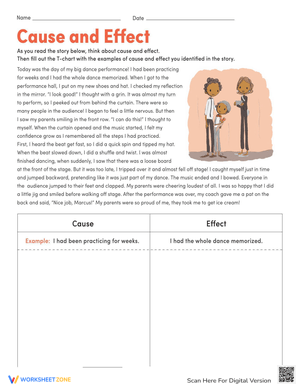
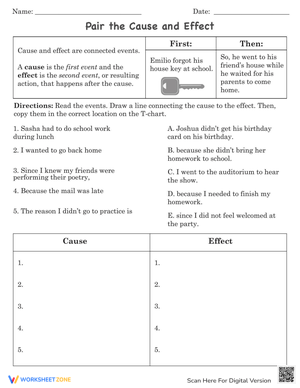
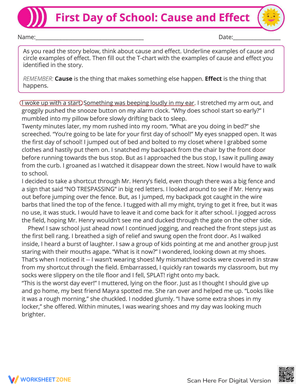
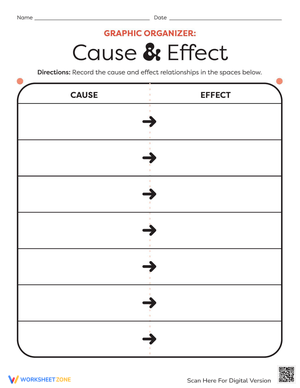
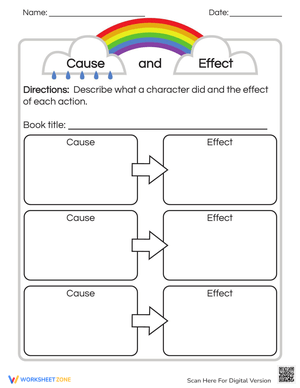
Graphic organizers are effective tools for making abstract concepts like causality visible. In fiction, these organizers act as maps, helping students track story movement. Common formats include T-charts, where causes are listed on one side and effects on the other, and flowcharts showing causal progressions. For advanced students, multi-causal maps show how several events combined to produce one major outcome, reflecting the complexity of high-quality literature and real-world scenarios students encounter in their reading journeys, encouraging them to think more deeply about the interconnectedness of events.
According to Reading Rockets, teaching cause and effect helps students grasp the structural elements of a story. Research indicates that explicit instruction in these strategies can lead to a 20% improvement in literal comprehension scores among primary grade students when paired with narrative-specific graphic organizers. This underscores the importance of integrating visual aids into the ELA curriculum. When students manually fill in a graphic organizer, they perform a synthesis of information, which reinforces memory and deepens their understanding of the text's internal logic and structural integrity, making the learning experience more concrete.
Teaching Character Motivation as a Primary Cause
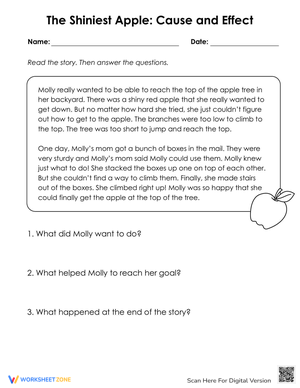
In most fictional narratives, characters are the primary drivers of action. Their desires, fears, and beliefs serve as the 'why' behind almost every significant plot point. Therefore, teaching students to identify character motivation is essential. If a character wants to win a race, that desire (cause) leads them to practice (effect). By identifying these motivations, students gain a deeper understanding of the character's personality and the story's overall message. This focus helps students move beyond the 'what' and into the deeper 'why' of the narrative, promoting a more sophisticated level of engagement with the text, which is a hallmark of strong reading comprehension.
Analyzing Complex Plot Outcomes and Secondary Effects
As students progress, the stories they encounter become more complex, featuring subplots and intricate causal relationships. A single cause might produce an immediate effect, which then serves as the cause for a secondary effect. This 'domino effect' is common in adventure stories and mysteries. Teaching students to track these long-range causal chains is a high-level skill requiring patience. It involves looking back at earlier parts of the story to see how a small event led to a major climax later, revealing the interconnectedness of all narrative elements and the intentionality behind an author's choice of events that leads to a satisfying conclusion.
Teacher Tips for Narrative Comprehension Instruction
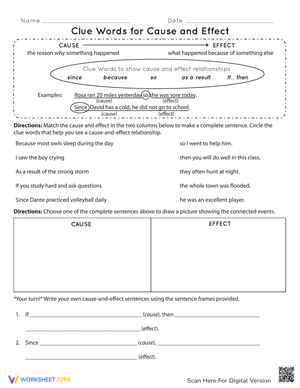
Implementing cause and effect instruction requires a balance of direct teaching and independent exploration. One strategy is using wordless picture books. These force students to rely on visual cues to identify causal links, removing vocabulary barriers. As students describe what they see, teachers model causal language, using terms like 'because of this' or 'as a result.' This oral practice builds the mental framework necessary for later written work and complex text analysis, supporting overall literacy development and helping students transition from visual to text-based analysis smoothly, which is critical for their academic growth.
Integrating Cause and Effect Worksheets into ELA Lessons
To maximize impact, printable worksheets should be integrated into a broader curriculum including reading and writing activities. These are most effective as follow-up to shared reading experiences like literature circles. After students discuss initial impressions, the worksheet provides a focused opportunity to consolidate learning and demonstrate understanding of causal relationships, allowing for individual application of the concepts discussed during class time. This structured approach ensures that students can internalize the strategies and apply them independently to new and more challenging texts in the future.
Frequently Asked Questions
1. How do cause and effect worksheets help with reading comprehension?
These worksheets provide a structured way for students to visualize relationships between events. By identifying causes and their resulting effects, students move beyond surface-level plot understanding and analyze the reasons behind character actions. This deeper engagement improves overall comprehension, retention, and the ability to make logical predictions, which is essential for advanced literacy development and critical thinking across all subjects, helping students build a strong foundation for future success.
2. At what grade level should I start teaching narrative cause and effect?
Basic concepts can be introduced in kindergarten using picture books and discussions. Formal instruction with printable worksheets typically begins in first or second grade as students start reading independently. Complexity should increase through elementary school, eventually including multi-step causal chains and subtle character motivations that require deeper inference and analysis of the text's subtext and themes, preparing students for the more rigorous demands of middle school.
3. What is the difference between sequencing and cause and effect?
Sequencing is the order in which events occur. Cause and effect is the reason they occur. While events might happen in sequence, they aren't always linked by causality. For example, eating breakfast before school is sequencing, but going to school because it is a school day is cause and effect. Distinguishing these concepts is a key part of narrative literacy and helps students avoid logical fallacies, allowing them to construct more coherent and logical arguments in their own writing and analysis.
4. How can I support struggling readers with these worksheets?
Teachers can provide scaffolds such as partially filled-in graphic organizers or word banks. Working in pairs also helps as it allows students to verbalize thinking. Using shorter passages can make the task manageable for reluctant readers, allowing them to focus on identifying causality without being overwhelmed by decoding difficult vocabulary. This approach ensures all students have the opportunity to master this vital comprehension strategy regardless of their current reading level or previous academic challenges.
5. Can these worksheets be used for creative writing?
Yes, understanding cause and effect in reading is directly applicable to writing. Teachers can use these worksheets to help students plan stories, ensuring every plot point is logically connected to a character motivation. By mapping stories before writing, students create more coherent narratives. This reinforces the relationship between being a critical reader and a skilled writer, helping students produce sophisticated and believable creative work while strengthening their understanding of story structure and development.












 Interactive Worksheet Maker
 Quiz Maker
 Word Search Maker
 Crossword Puzzle Maker
 Word Scramble Generator
 Sentence Scramble Generator
 Handwriting Worksheet Generator
 Name Tracing Generator
 Fill In The Blank Generator