The Significance of Alphabetical Order in Early Literacy
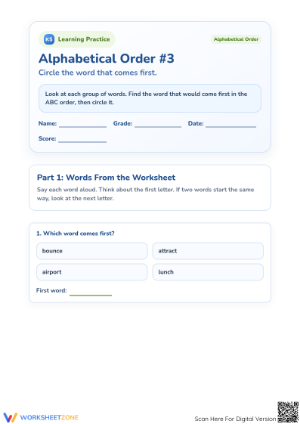
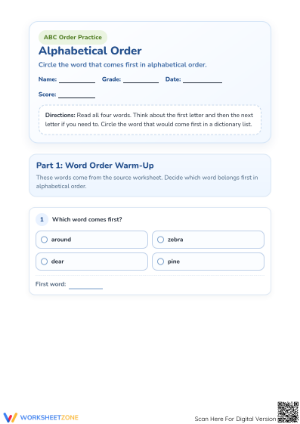
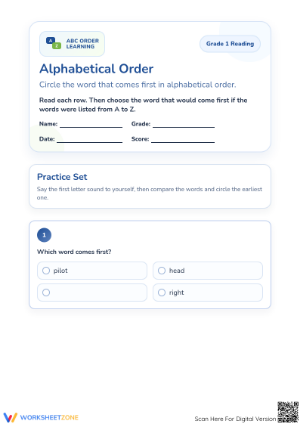
Alphabetical order is a fundamental skill that serves as a building block for organizational proficiency and literacy development. In the primary classroom, teaching students how to sequence letters and words alphabetically provides them with tools to access information efficiently. Whether searching a dictionary or a library, students rely on alphabetical sequencing to manage data. This skill transitions from letter recognition in kindergarten to complex multi-letter sorting by third grade. K5 Learning emphasizes that mastering alphabetical order is a key milestone in reading readiness, helping students understand the structural logic of English. When students quickly identify a word's position in a sequence, they reduce cognitive load, allowing focus on comprehension. By integrating abc order printable worksheets into literacy blocks, teachers provide the repetitive practice necessary for this skill to become second nature.
Grade-Level Progression for ABC Order Mastery
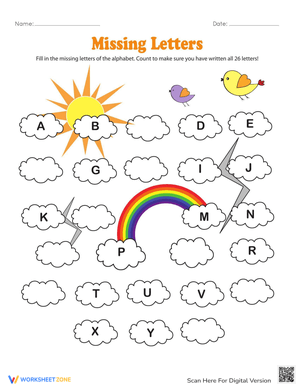
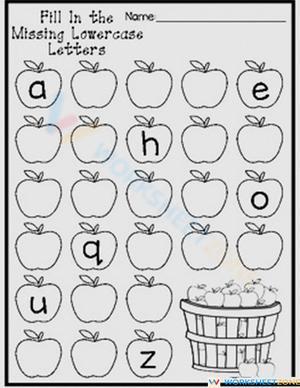
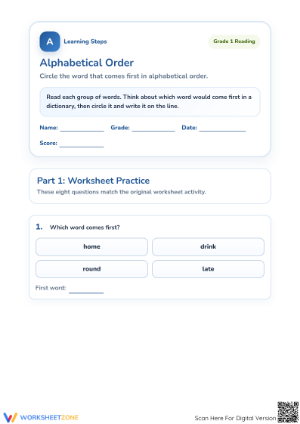
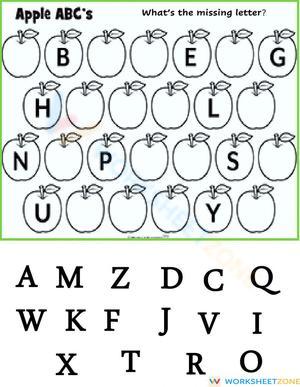
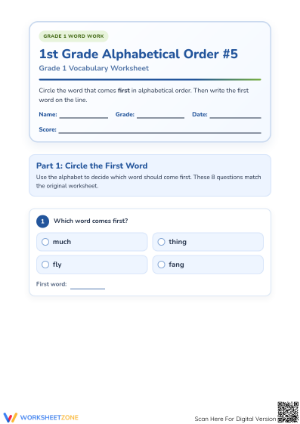
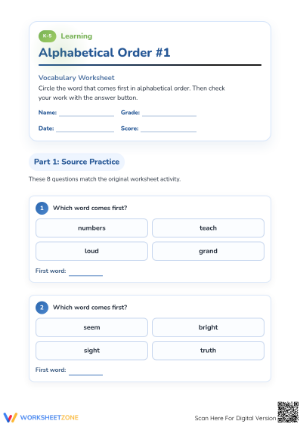
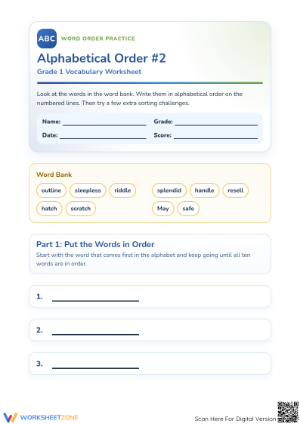
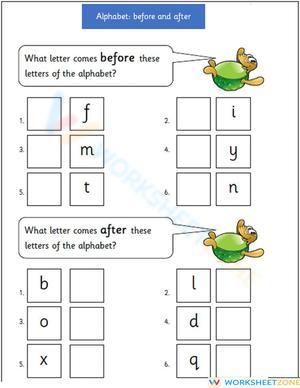
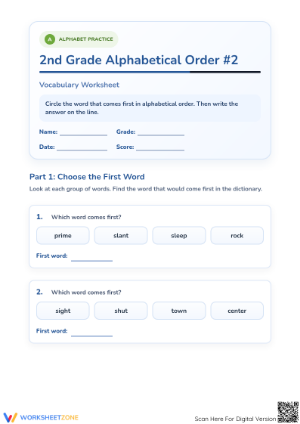
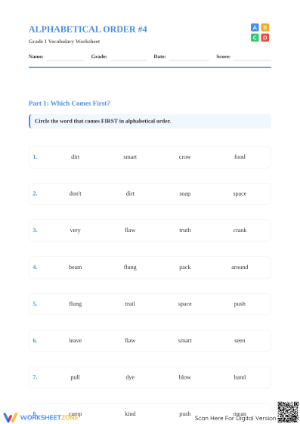
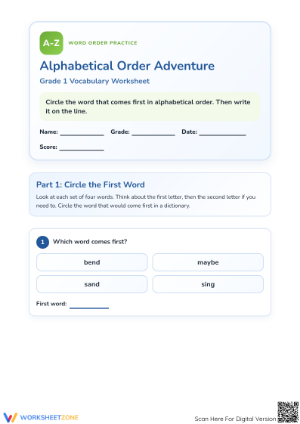
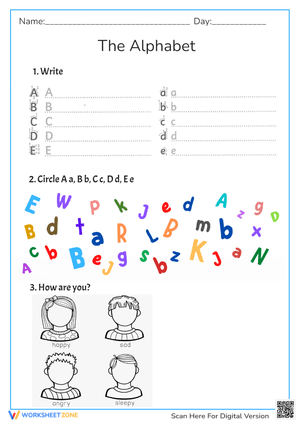
Mastering alphabetical order follows a clear developmental path. Kindergarten focuses on letter recognition and basic A-Z sequencing. Students benefit from worksheets involving missing letters or arranging a small set of distinct letters. This ensures the alphabet is a structured system they can manipulate. Teachers often use tactile activities alongside worksheets to reinforce letter order. In first grade, students begin sorting high-frequency sight words by their first letter. This transition is essential, requiring students to focus on specific letter positions. Second and third-grade students move into intermediate territory, alphabetizing to the second and third letters. This is where dictionary skills take shape as students learn to use guide words and differentiate identical prefixes. Providing varied worksheets ensures every learner finds appropriate rigor.
Classroom Implementation: Effective Teaching Strategies
Implementing alphabetical order instruction requires a balance of direct instruction and independent practice. Teachers can model comparing first letters on an interactive whiteboard, showing how to 'hunt' for the next letter. Small-group intervention is effective for students struggling with letter orientation. Teachers use targeted worksheets to address gaps, such as sorting words starting with the same vowel. Literacy centers are also ideal for practice. Effective center activities include:
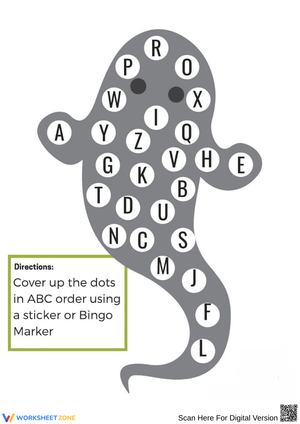
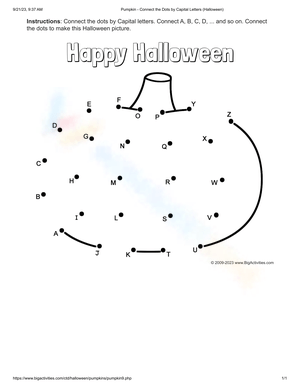
- Missing Letter Sequences: Students fill in the gaps in a partial alphabet.
- Picture Sorting: Younger learners sort images based on the first letter of the object's name.
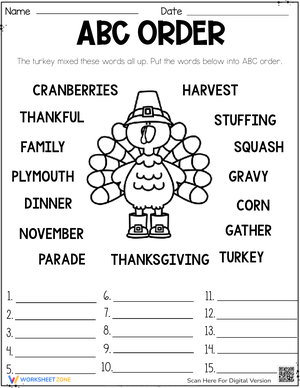
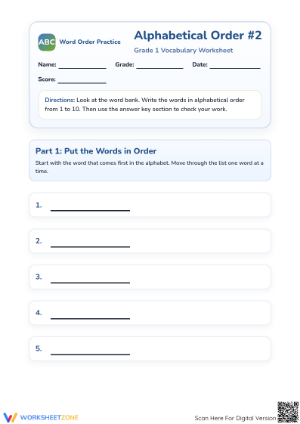
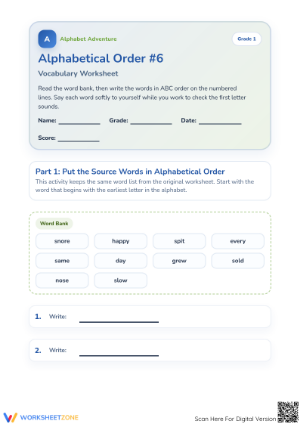
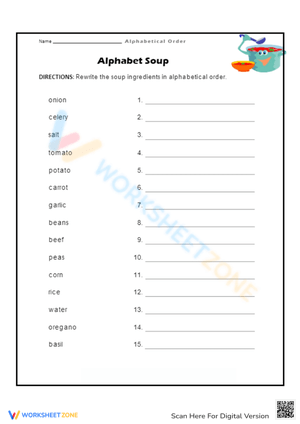
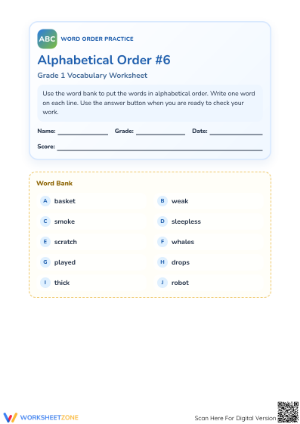
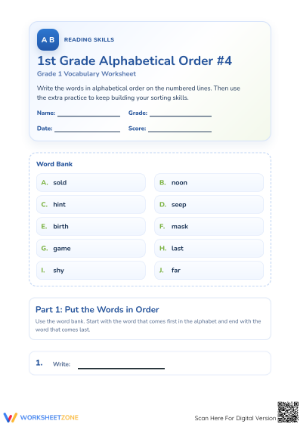
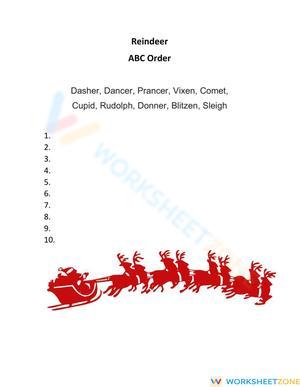
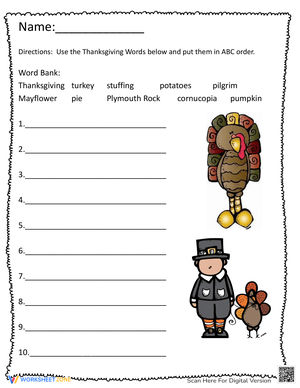
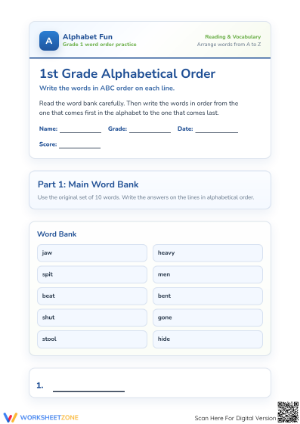
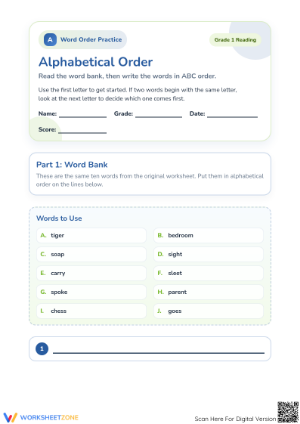
- Word Bank Challenges: Students arrange a set of weekly vocabulary words in alphabetical order.
Integrating these into a regular routine helps students build the stamina and accuracy needed for complex research projects. Themed worksheets keep students engaged while providing valuable formative assessment data. By including printable worksheets in a dedicated Word Work station, teachers can ensure that students receive consistent exposure to sequencing tasks.
Advanced Dictionary Skills: Sorting by Multiple Letters
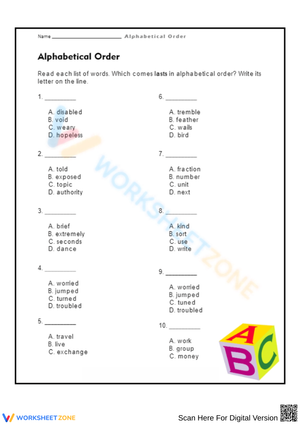
Once students are comfortable sorting by the first letter, they must learn to handle words with the same starting characters. This pivotal moment requires students to look at subsequent letters to determine order. Education.com notes that teaching alphabetical order involves multiple cognitive steps, from letter recognition to complex sorting by second and third letters. Their curriculum experts suggest that 75% of early learners improve dictionary proficiency when using structured sequencing activities consistently in the primary classroom. This data point highlights the importance of sustained practice. When students confidently navigate guide words and find glossary entries, they gain independence. This is a major goal of the primary curriculum, setting the stage for sophisticated information literacy skills in later grades.
Using ABC Order Worksheets for Formative Assessment
Worksheets are valuable tools for tracking student progress. By collecting completed abc order printable worksheets, teachers identify error patterns indicating phonemic awareness or visual processing issues. For instance, if a student struggles with 'b' and 'd' words, the teacher provides extra support for letter reversals. This diagnostic use ensures no student falls behind. Research indicates that students who master alphabetical sequencing before the end of third grade are significantly faster at locating technical terms in glossaries, which directly impacts their reading comprehension efficiency in science and social studies. This efficiency is important during standardized testing where time management is a factor. By using worksheets regularly, teachers ensure students are fluent in sequencing, allowing them to focus on understanding content rather than the mechanics of finding it.
Creative Activities Beyond Traditional Paper Worksheets
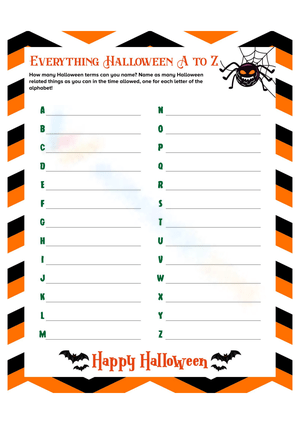
Printable worksheets can be the starting point for interactive classroom activities. Teachers might have students cut out word cards to physically arrange them, helping kinesthetic learners. Another idea is turning a worksheet into a timed 'race' to improve speed and accuracy. Super Teacher Worksheets suggests incorporating games like 'Alphabetical Scavenger Hunt' to bridge the gap between abstract worksheets and real-world application. By connecting paper skills to the world around them, students see alphabetical order as a useful tool. This realization builds intrinsic motivation and a love of learning. When students see the purpose behind the practice, they put in the effort to master the skill. These variations maintain interest and cater to different learning styles.
Integrating Standards Alignment and Literacy Goals
Effective alphabetizing instruction aligns with state and national standards focusing on reference materials. By centering these goals, teachers ensure rigorous lesson plans. Alphabetical order is often a sub-skill under Foundational Skills or Language Standards. Comprehensive abc order printable worksheets allow for standardized measurement of growth. Whether following Common Core or local frameworks, these materials provide evidence of student achievement. As students progress, their ability to organize information should grow in speed and complexity. By maintaining this focus throughout early elementary years, teachers provide students with a vital asset for all subjects and their academic careers.
Frequently Asked Questions
1. At what grade level should a child master ABC order?
Mastery progresses through the primary years. Kindergarten focuses on letter sequence, while first grade introduces word sorting by the first letter. By third grade, students should alphabetize to the third letter and use dictionary guide words effectively.
2. How do you alphabetize words when the first and second letters are identical?
Look at the third letter. For example, in 'black' and 'blast,' both start with 'bl.' Since 'a' is the same in both, you look at the fourth letters: 'c' and 's.' Since 'c' comes first, 'black' precedes 'blast.'
3. What are effective games for teaching ABC order?
Effective activities include physical sorting with letter tiles, 'human alphabet' games, and scavenger hunts. Reordering word cards from abc order printable worksheets on a pocket chart is also great for kinesthetic learners.
4. Why is alphabetical order still relevant?
It remains a core organizational logic for databases, libraries, and physical files. Understanding this logic helps students navigate information structures and develops cognitive skills like pattern recognition.
5. How can I support struggling students?
Provide a visual alphabet strip at their desk. Break tasks into smaller steps, like sorting three words at a time. Use worksheets with large print and plenty of white space to help with visual processing.












 Interactive Worksheet Maker
 Quiz Maker
 Word Search Maker
 Crossword Puzzle Maker
 Word Scramble Generator
 Sentence Scramble Generator
 Handwriting Worksheet Generator
 Name Tracing Generator
 Fill In The Blank Generator