Why letter A coloring worksheets work in early literacy
Letter A coloring worksheets give teachers a simple way to combine alphabet recognition, beginning handwriting, and short independent practice in one printable routine. For preschool and kindergarten classrooms, that matters because learners are still connecting what the letter looks like, how it sounds, and how to form it with a pencil or crayon. A focused page built around uppercase and lowercase A helps children revisit those connections without adding too much text or too many directions.
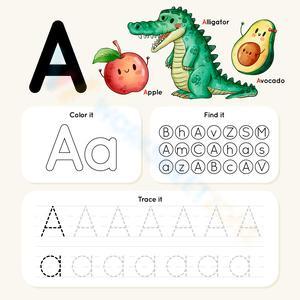
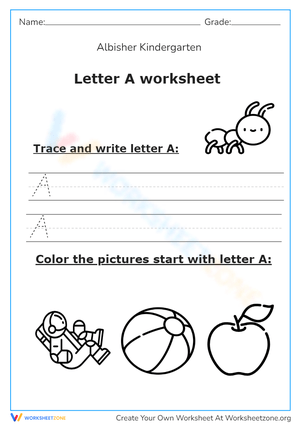
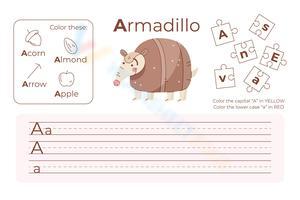
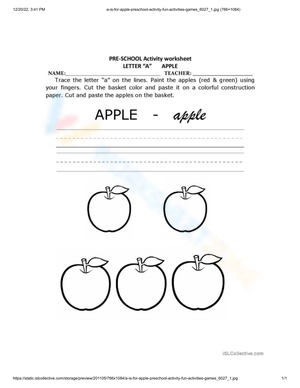
These worksheets are especially useful when you need a low-prep task that still has instructional value. During morning work, literacy centers, intervention blocks, or take-home review, students can identify the letter, trace it, and color a matching picture such as an apple, ant, or alligator. That combination keeps the page accessible for beginners while still giving teachers a clear target skill.
When the design is clean and the visuals match the target sound, letter a coloring worksheets become more than filler. They support repeated exposure to one letter form, which is exactly what many early learners need before they can recognize and write it with confidence.
What teachers should look for on a strong printable
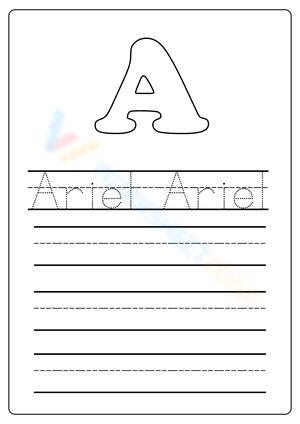
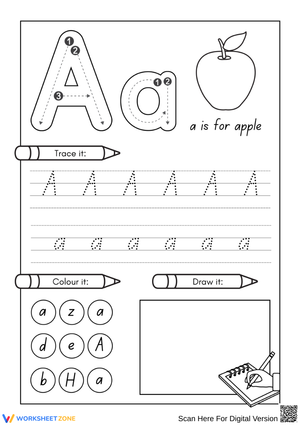
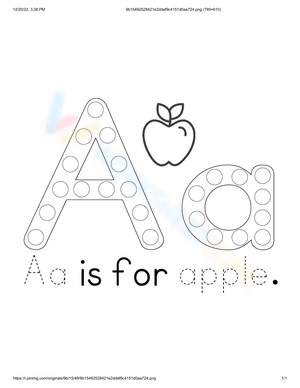
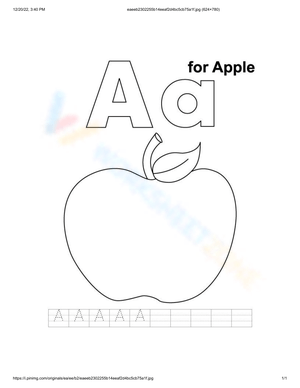
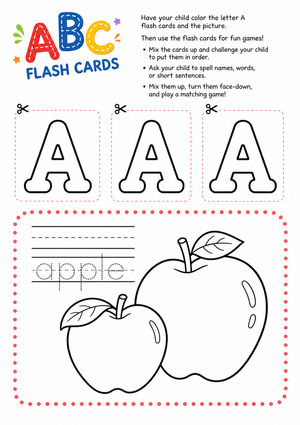
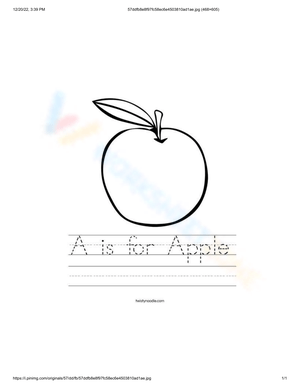
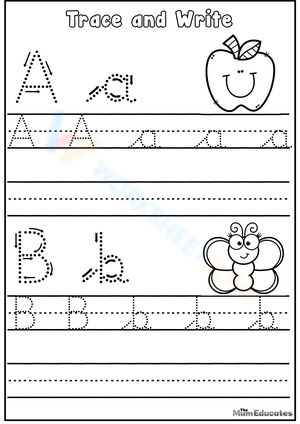
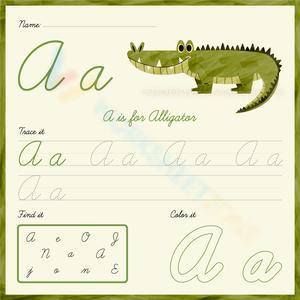
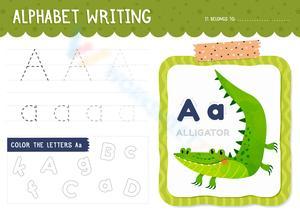
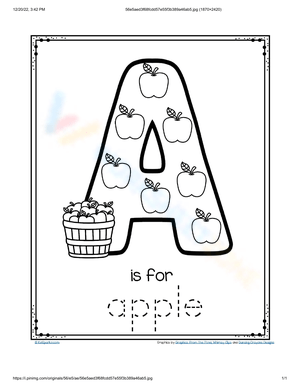
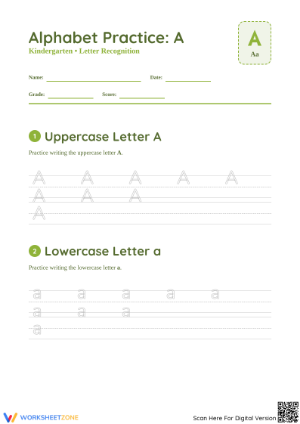
Not every alphabet page is equally helpful. The strongest letter A printables keep the task narrow and readable so young learners can stay focused on one goal at a time. A useful page usually includes both uppercase A and lowercase a, a short tracing line, and one or two recognizable A-word images for coloring. That balance keeps the activity manageable for emerging writers.
- Clear letter models: Students need to see the target letter in a large, uncluttered format before tracing.
- Uppercase and lowercase practice: Pairing both forms helps children notice that the same letter can look different in print.
- Simple picture support: Apple, ant, and alligator visuals make the worksheet easier to discuss and extend orally.
- Short writing demand: A few tracing opportunities are better than a crowded page for children still building pencil control.
Teachers also tend to get better results when the page leaves enough white space for coloring. If students are rushed through tiny shapes and cramped lines, the worksheet stops supporting attention and starts becoming a frustration point. For this age band, clean spacing is part of the instruction.
How these pages support alphabet knowledge and writing
Early literacy instruction works best when children meet letters in more than one way. According to Reading Rockets, alphabet knowledge includes recognizing letters, linking them to sounds, and beginning to write them. That makes a letter A page with tracing and coloring a sensible classroom tool because it keeps visual recognition, sound talk, and motor practice in the same lesson sequence.
Research-based early writing guidance points in the same direction. NAEYC describes emergent writing as developing through repeated chances to draw, mark, and form symbols with purpose. In practice, that means a child who traces an A, circles matching pictures, and colors an apple is doing connected early-literacy work rather than completing three unrelated mini-tasks.
A useful teaching move is to treat coloring time as a retrieval step, not downtime. After children trace the letter, ask them to name the picture, repeat the initial sound, and point back to the uppercase or lowercase form on the page. That brief verbal loop helps teachers turn a quiet seatwork sheet into a tighter alphabet lesson without changing materials.
Reading Rockets notes that alphabet knowledge includes recognizing letters, connecting them to sounds, and beginning letter writing. That combination makes letter A coloring worksheets effective when they pair tracing with picture cues, because students practice the visual form, the sound link, and early writing in one short routine.
Classroom Implementation
Letter a coloring worksheets fit best when they are tied to a specific instructional moment instead of handed out as a general extra. In preschool and kindergarten, teachers can use them across the week in ways that keep the task fresh while reinforcing the same target letter.
- Morning work: Place one page at desks with crayons and pencils ready so students can settle into a familiar literacy routine.
- Center rotation: Add the worksheet to an alphabet station where students say the letter name before tracing and coloring.
- Small-group intervention: Use the same printable with a teacher prompt for children who still confuse letter names or forms.
- Take-home review: Send the page home after the class has already practiced the letter so families see a familiar task.
Teachers can also make the worksheet more interactive by setting a simple completion order: find the letter, trace the letter, say the sound, then color the picture. That sequence gives students a predictable routine and reduces the need for repeated redirection. For students who finish quickly, ask them to verbally generate one more A-word before turning in the page.
Used this way, the worksheet becomes part of instruction rather than a pause between lessons. It gives teachers a visible sample of letter recognition, work habits, and pencil control all at once.
Fine-motor practice matters, but it should stay connected to literacy
Coloring is often included on early alphabet pages because it keeps children engaged, but it also has a practical role in handwriting readiness. HealthyChildren.org explains that handwriting remains important because it supports motor and literacy development together. For young learners, short coloring tasks can help build control over pressure, grip, and movement, especially when the shapes are large enough to manage.
That said, the best classroom use keeps coloring tied to the target letter. If the page is overloaded with decorative images, students may spend most of their energy coloring and very little on noticing the A. A stronger design uses one or two purposeful visuals that reinforce vocabulary and let the teacher return to the sound-symbol connection throughout the task.
For teachers planning handwriting instruction, this is a practical advantage. You can give students a manageable amount of tracing, then let coloring extend the time they spend attending to the page. The worksheet stays calm, structured, and developmentally appropriate for children who are still learning how writing tools work.
Ways to differentiate for preschool and kindergarten learners
One reason teachers keep printable alphabet pages in rotation is that they are easy to adjust for different readiness levels. The same letter A worksheet can support a beginner who is just learning to match the letter, as well as a student who is ready to say the sound and form it more independently.
- For newer learners: Focus only on identifying uppercase A and coloring the matching picture.
- For developing writers: Add a verbal prompt to trace both uppercase and lowercase forms while naming them aloud.
- For stronger students: Ask them to identify another word that starts with A after they complete the sheet.
- For intervention use: Reuse the same page over several days with different teacher prompts instead of switching formats too quickly.
Teachers can also differentiate by pacing. Some children need to finish the recognition piece first and return to coloring later. Others stay more attentive when the coloring comes after each short tracing line. Since the goal is alphabet learning, not speed, flexible pacing usually gives cleaner evidence of what the student actually knows.
How to choose better letter A visuals and prompts
The pictures on a worksheet shape how easy it is for children to connect vocabulary with the target letter. For that reason, common A-word images such as apple, ant, and alligator usually work better than obscure nouns. Students should be able to recognize the image quickly so the teacher can spend time on the letter rather than on explaining the picture.
Prompting matters too. Instead of asking a broad question like what do you see, keep the language tightly aligned to the lesson. Try prompts such as, "Point to the uppercase A," "Trace the lowercase a," or "What sound do you hear at the start of apple?" These quick cues help students attend to the exact feature the worksheet was designed to practice.
Frequently Asked Questions
1. What age are letter A coloring worksheets best for?
They are usually best for preschool and kindergarten students who are beginning to recognize letters, connect letters to sounds, and try early handwriting. They can also work in first-grade intervention when students still need practice with letter identification and formation.
2. Do these worksheets teach uppercase and lowercase A?
Strong ones do. Teachers should look for printables that show both uppercase A and lowercase a clearly, because students need repeated practice seeing and tracing both forms as part of the same alphabet concept.
3. How can teachers use letter A coloring pages in literacy centers?
They work well in a center when the routine is simple: identify the letter, trace it, say the sound, and color the matching image. That gives students a predictable sequence they can complete with limited support.
4. Can coloring worksheets also support early handwriting and fine-motor practice?
Yes. When the tracing load is short and the coloring area is purposeful, students practice control with crayons or pencils while staying focused on the target letter. That makes the page useful for both early handwriting routines and alphabet review.












 Interactive Worksheet Maker
 Quiz Maker
 Word Search Maker
 Crossword Puzzle Maker
 Word Scramble Generator
 Sentence Scramble Generator
 Handwriting Worksheet Generator
 Name Tracing Generator
 Fill In The Blank Generator