


























Views
Downloads
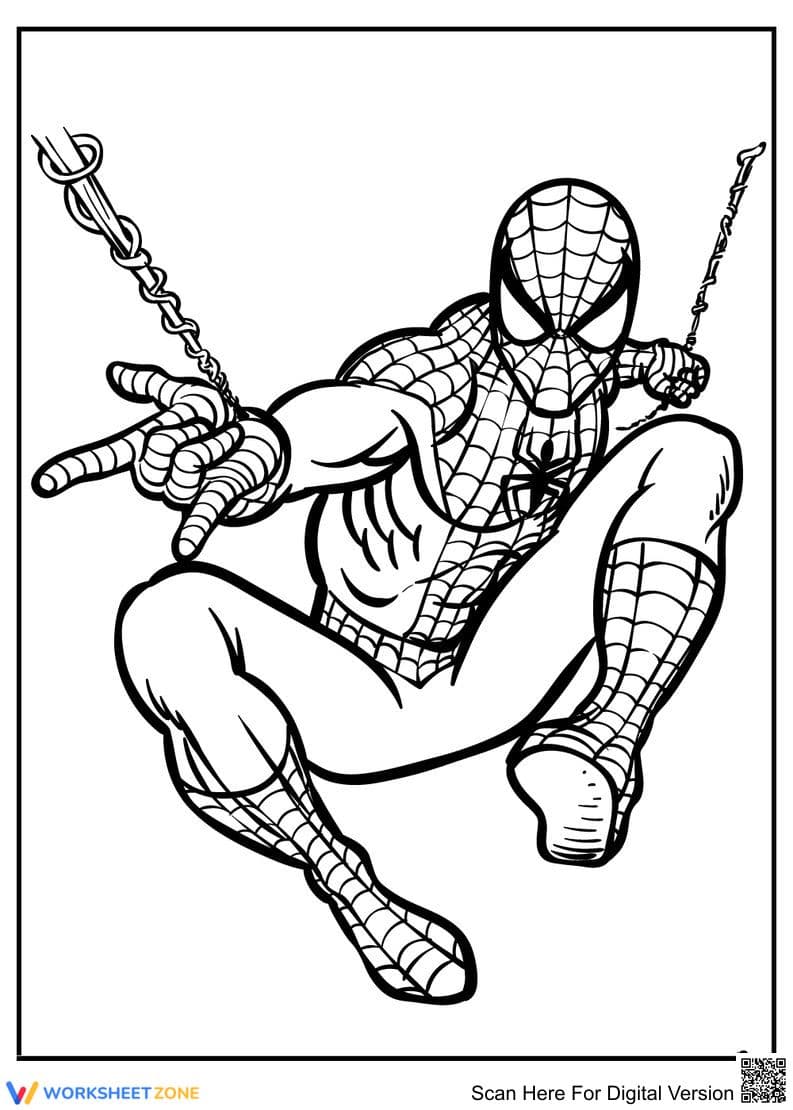

Grade 1 Spider-Man Art — Printable No-Prep Worksheet
Paste this activity's link or code into your existing LMS (Google Classroom, Canvas, Teams, Schoology, Moodle, etc.).
Students can open and work on the activity right away, with no student login required.
You'll still be able to track student progress and results from your teacher account.
This Spider-Man coloring worksheet provides young students with an engaging creative outlet while developing essential fine motor control. Students practice grip strength, hand-eye coordination, and spatial awareness by applying color to the dynamic superhero illustration. The activity builds foundational physical skills necessary for early handwriting success.
At a Glance
- Grade: 1 · Subject: Fine Art
- Standard:
CCSS.ELA-LITERACY.SL.1.5— Add drawings to clarify ideas and thoughts- Skill Focus: Fine motor control
- Format: 1 page · 1 task · No answer key · PDF
- Best For: Independent practice
- Time: 15–20 minutes
This single-page printable features one large, high-contrast line drawing of Spider-Man swinging on a web. The bold outlines provide clear boundaries for early learners to practice staying within the lines. No answer key is required, allowing for open-ended color selection and creative expression.
This resource requires zero teacher preparation and follows a simple three-step workflow:
- Print (1 minute): Generate the PDF and print a class set directly from your computer.
- Distribute (1 minute): Hand out the pages along with crayons, markers, or colored pencils.
- Review (0 minutes): No formal grading required; simply display the finished artwork.
Total teacher prep time is under two minutes. The self-explanatory nature of the task makes it an ideal, stress-free addition to any substitute teacher plan or emergency folder.
This activity aligns with CCSS.ELA-LITERACY.SL.1.5, encouraging students to add drawings or other visual displays to descriptions when appropriate to clarify ideas, thoughts, and feelings. By selecting coloring tools and applying them to the page, students practice the visual communication skills needed for multimedia presentations. The standard code can be copied directly into lesson plans, IEP goals, or district curriculum mapping tools.
Deploy this coloring page during morning work to help students transition smoothly into the school day, or use it as a quiet cool-down activity after recess. While students color, observe their pencil grip and pressure as a quick formative assessment of their fine motor development. Expected completion time ranges from 15 to 20 minutes depending on the student's attention to detail.
This worksheet serves first and second-grade students needing targeted fine motor practice. Teachers can differentiate by offering various mediums, such as thick crayons for students needing grip support or fine-tipped markers for those ready for precision work. Pair this activity with a superhero-themed read-aloud or a creative writing prompt about community helpers.
Developing fine motor control through activities like coloring is a critical precursor to legible handwriting and sustained academic stamina in early elementary classrooms. When students add drawings to clarify ideas and thoughts, they actively build the neural pathways required for precise hand movements and spatial reasoning. According to Fisher & Frey (2014), integrating high-interest, low-stakes tasks into the daily routine increases overall student engagement and significantly reduces behavioral disruptions during difficult transitions. This CCSS.ELA-LITERACY.SL.1.5 aligned task leverages a popular cultural icon to motivate young learners who might otherwise resist repetitive fine motor exercises. By providing a structured yet highly creative outlet, educators can systematically strengthen the physical hand muscles necessary for future writing tasks while simultaneously fostering a positive, welcoming classroom environment. Consistent practice with these foundational skills directly supports broader literacy goals.


