


























Views
Downloads
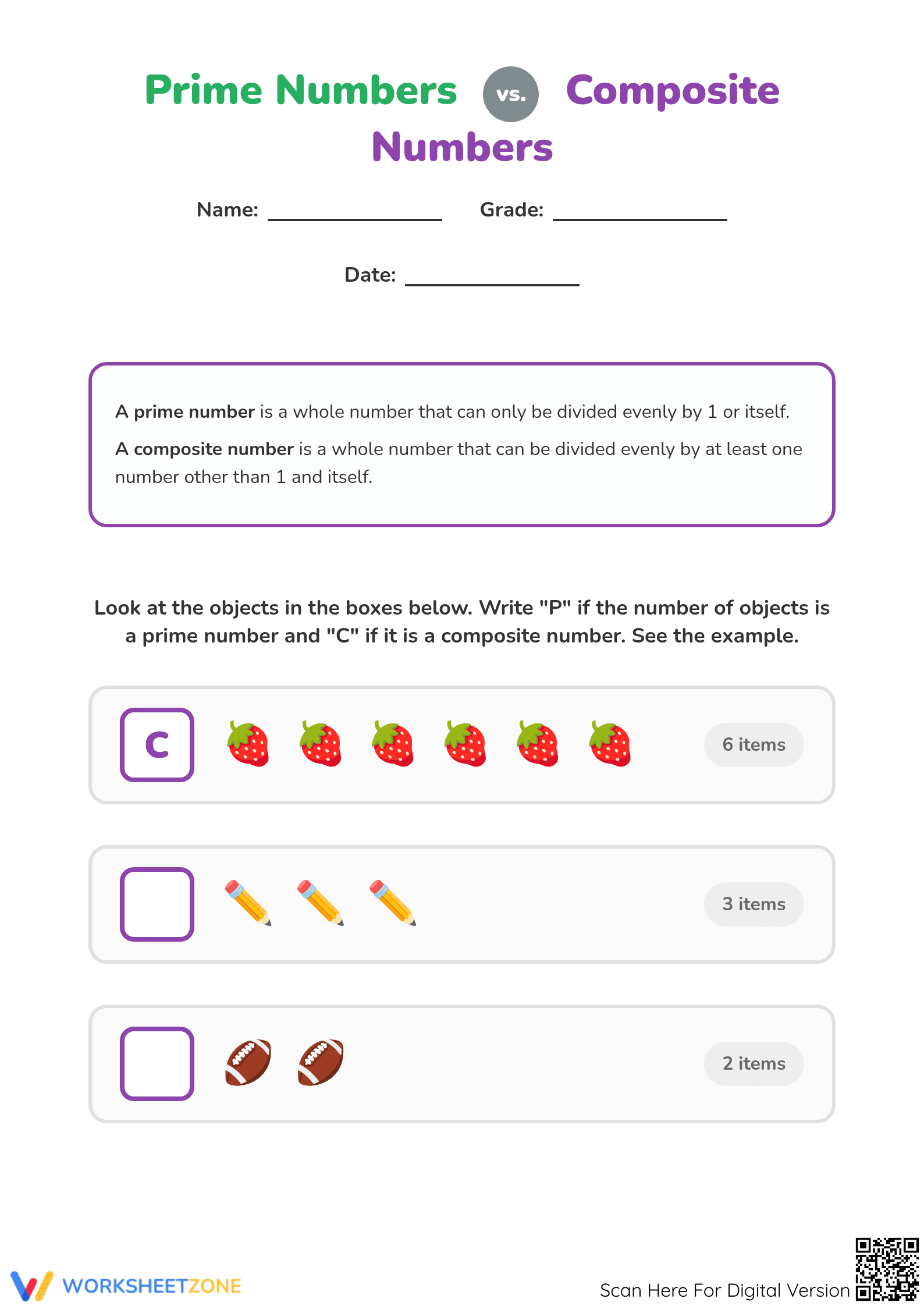
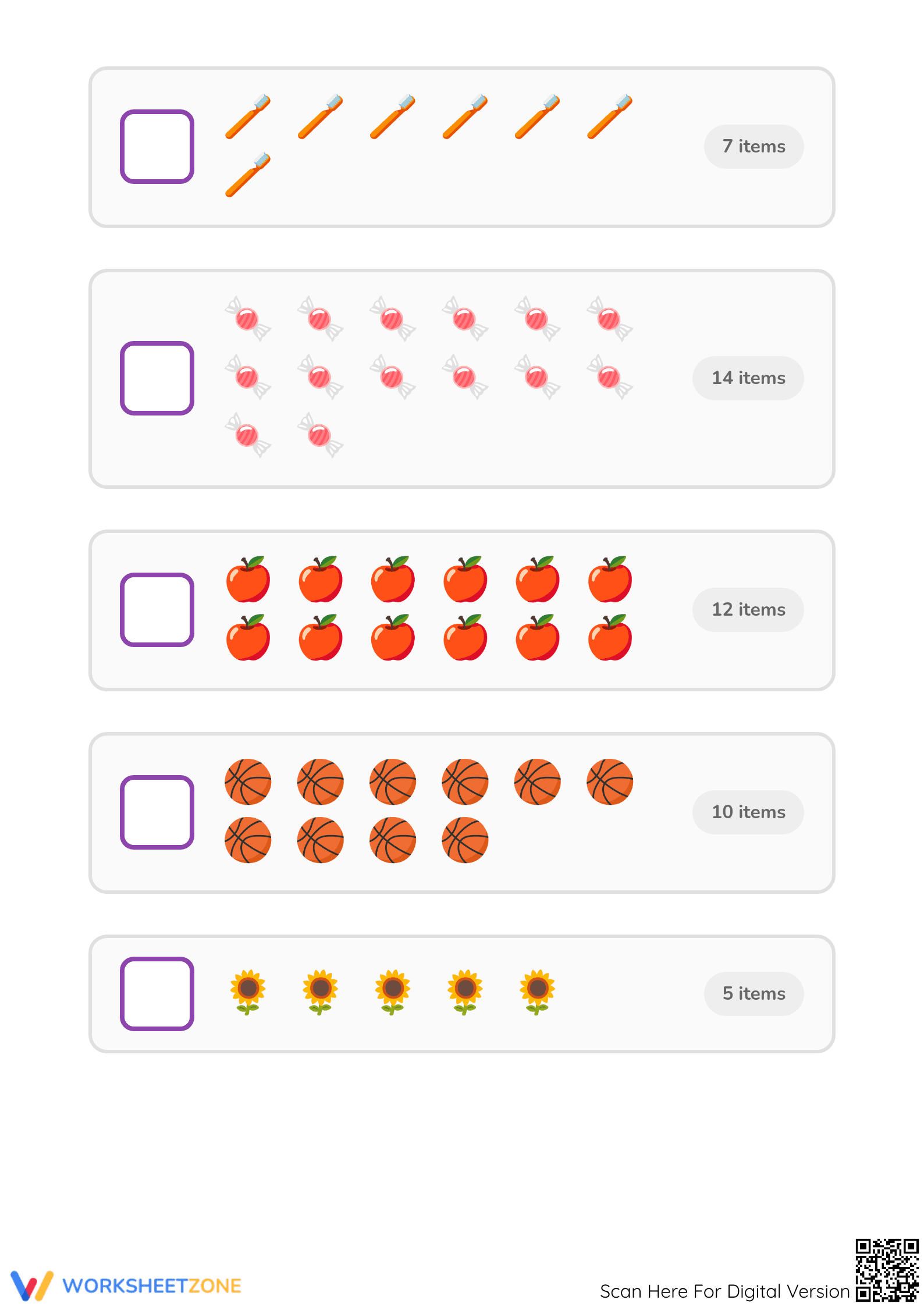
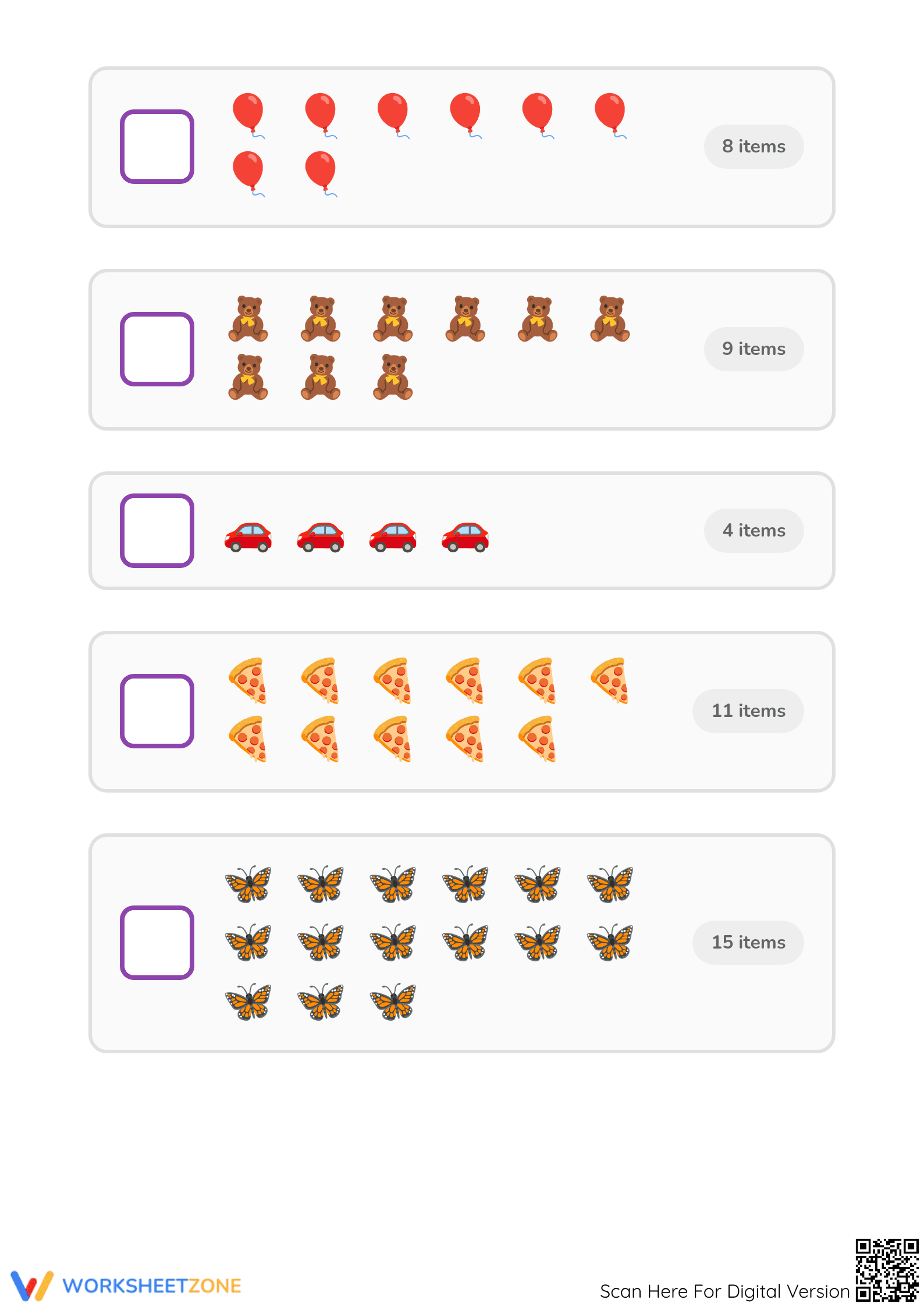
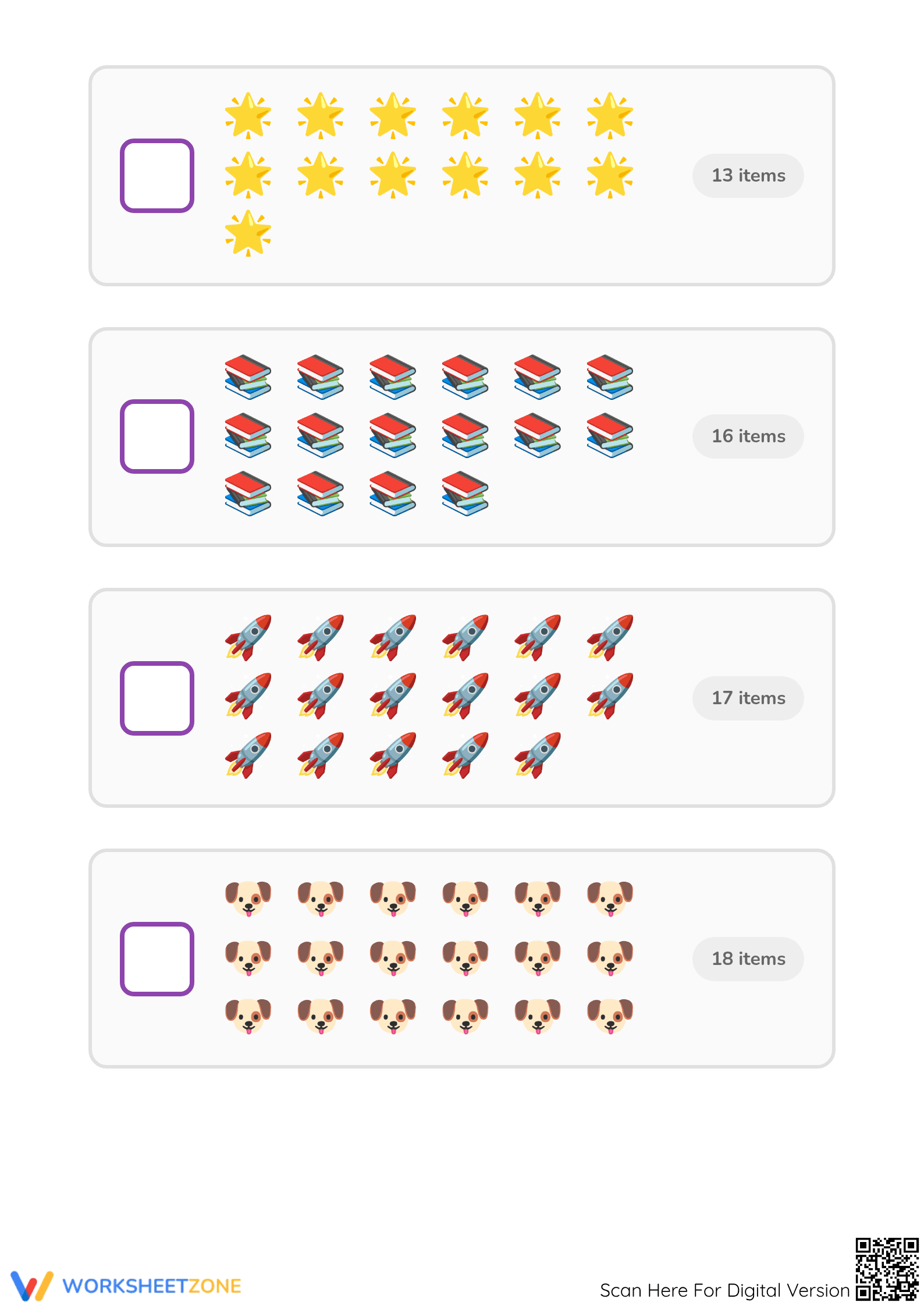

Printable Prime & Composite Numbers Worksheet | Grade 4
Paste this activity's link or code into your existing LMS (Google Classroom, Canvas, Teams, Schoology, Moodle, etc.).
Students can open and work on the activity right away, with no student login required.
You'll still be able to track student progress and results from your teacher account.
This Grade 4 math worksheet provides focused practice on identifying prime and composite numbers. Students will work through a series of structured problems, starting with basic identification and moving to listing factors to determine number type. It's a comprehensive resource designed to build fluency with this key number theory concept.
At a Glance
- Grade: 4 · Subject: Math
- Standard:
CCSS.MATH.CONTENT.4.OA.B.4— Find factor pairs for numbers 1-100 and use them to identify prime or composite numbers.- Skill Focus: Prime vs. Composite Numbers
- Format: 5 pages · 47 problems · Answer key included · PDF
- Best For: Independent practice, homework, or formative assessment
- Time: 20–30 minutes
What's Inside
This 5-page PDF download contains four pages of student activities and a full, one-page answer key for easy grading. The worksheet features a variety of task types, including coloring a number chart, listing factors for given numbers, and identifying numbers as either prime or composite in rapid-drill format.
Skill Progression
The worksheet is structured to support a gradual release of responsibility, building student confidence and skill.
- Guided Practice: The first page acts as a warm-up, asking students to color prime numbers on a 1-100 chart, followed by 12 simple identification problems.
- Supported Practice: The next two pages (14 problems total) require students to list all factors for a number before labeling it prime or composite, reinforcing the definition.
- Independent Practice: The final activity page contains 20 problems where students must quickly identify numbers as prime or composite without the explicit scaffold of listing factors.
This progression mirrors the "I Do, We Do, You Do" model, making it an effective tool for solidifying instruction.
Standards Alignment
This resource is directly aligned with Common Core standard CCSS.MATH.CONTENT.4.OA.B.4, which requires students to "Find all factor pairs for a whole number in the range 1-100... [and] determine whether a given whole number in the range 1-100 is prime or composite." The tasks herein provide direct practice and assessment of this standard. Both standard codes can be copied directly into lesson plans, IEP goals, or district curriculum mapping tools.
How to Use It
This worksheet is versatile and can be used at multiple points in an instructional cycle. Use it as independent practice after a direct instruction lesson on prime and composite numbers. The variety of problems also makes it an excellent homework assignment to reinforce the concept. For a formative assessment, have students complete the final page of 20 problems under timed conditions to quickly gauge their mastery. Expected completion time is between 20 and 30 minutes.
Who It's For
This resource is designed for 4th-grade students learning about factors, multiples, prime numbers, and composite numbers. It can also serve as a review for 5th graders at the beginning of a number theory unit or as an intervention tool for students who need additional practice. It pairs well with a visual anchor chart displaying the definitions of prime and composite numbers and a list of primes up to 100.
This worksheet provides targeted practice for CCSS.MATH.CONTENT.4.OA.B.4, helping students distinguish between prime and composite numbers. Foundational number theory skills are critical for future success in mathematics, particularly with fractions and algebra. Research shows that procedural fluency, built through structured practice, is a key component of mathematical proficiency. This resource supports fluency by giving students the repetition needed to internalize the process of identifying prime and composite numbers by analyzing their factors. With over 45 distinct problems, it ensures students move from initial learning to confident application, crucial for long-term retention of mathematical concepts.


