


























Views
Downloads
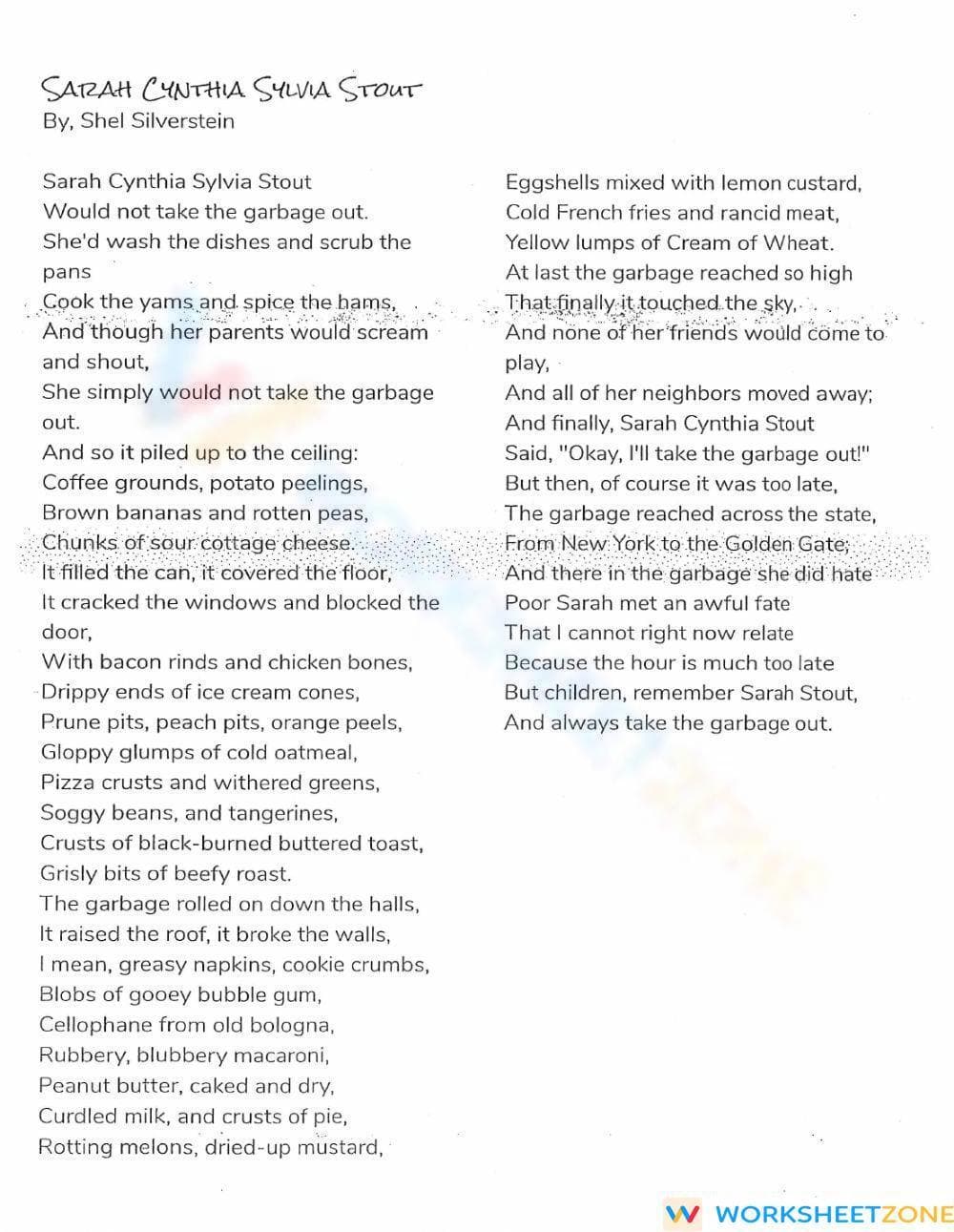
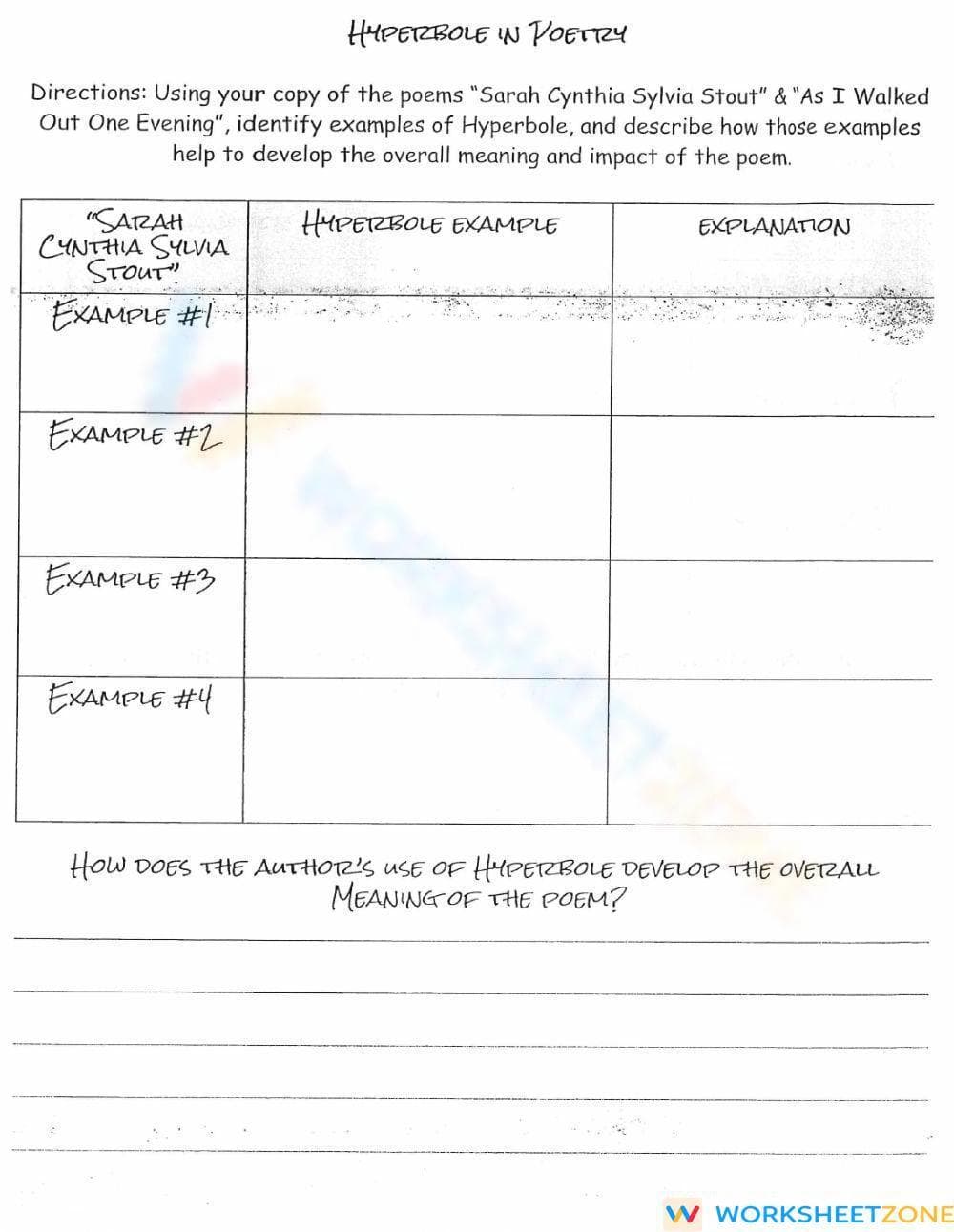
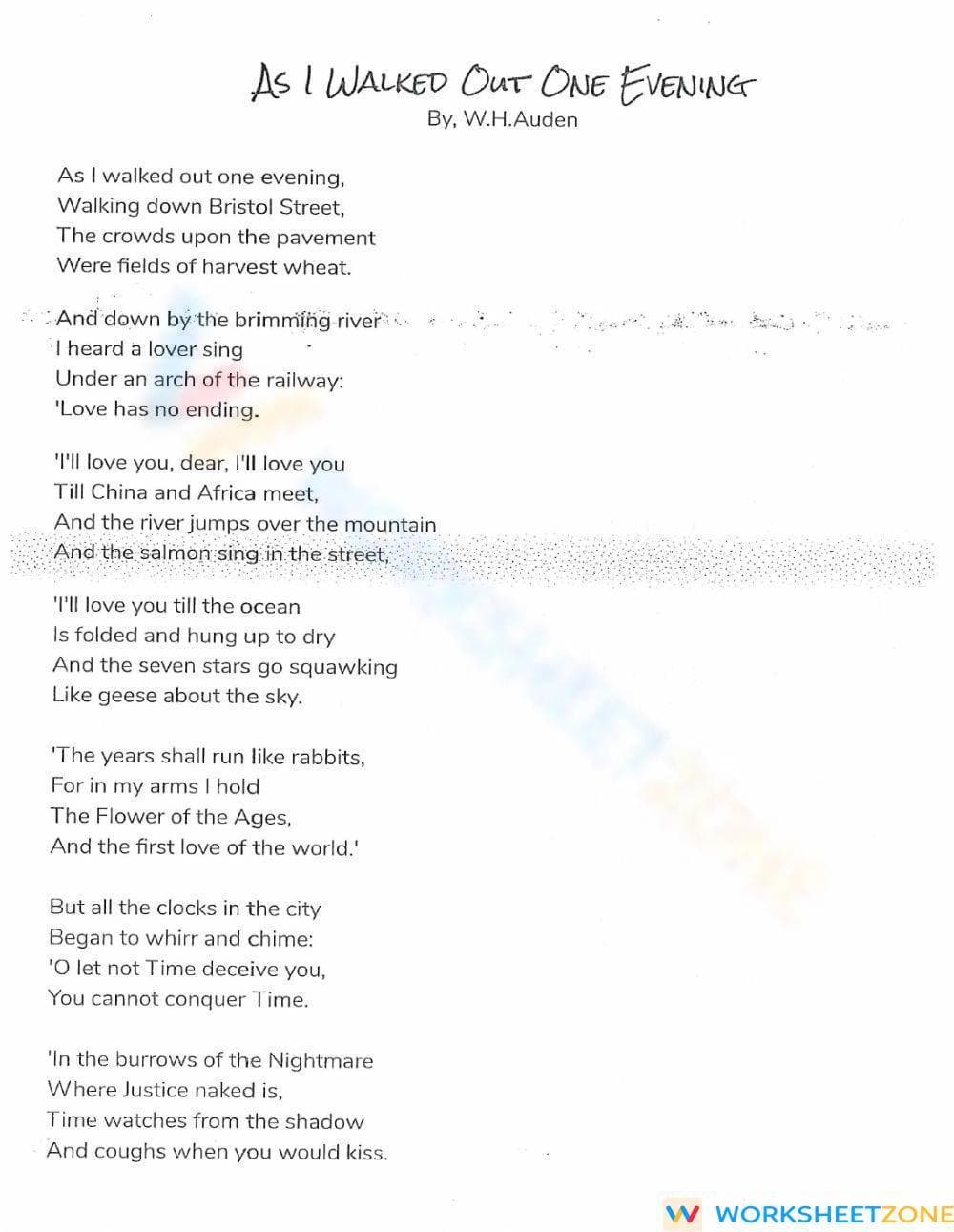
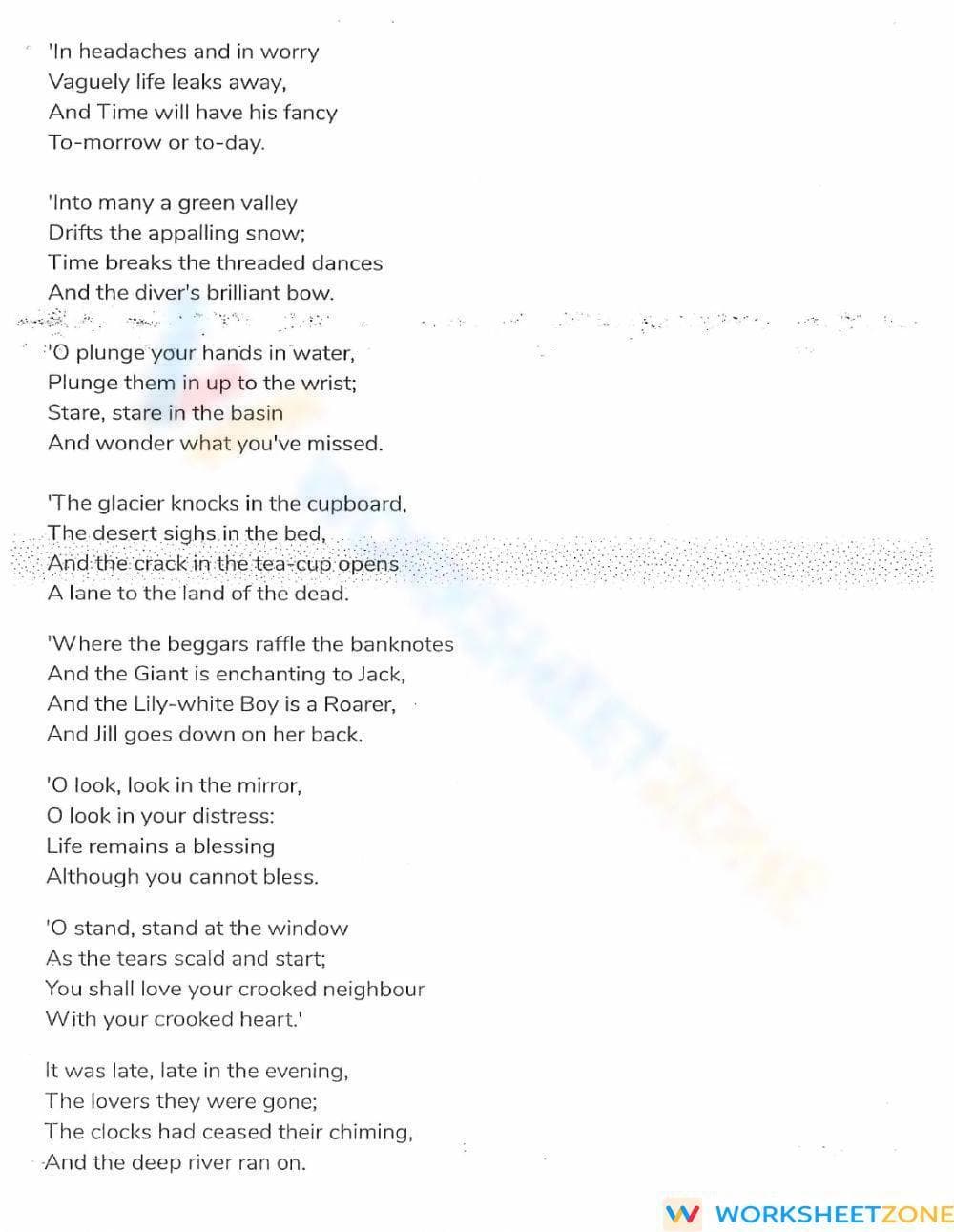

Essential Poetry Analysis Packet | Grade 9-11 ELA
Paste this activity's link or code into your existing LMS (Google Classroom, Canvas, Teams, Schoology, Moodle, etc.).
Students can open and work on the activity right away, with no student login required.
You'll still be able to track student progress and results from your teacher account.
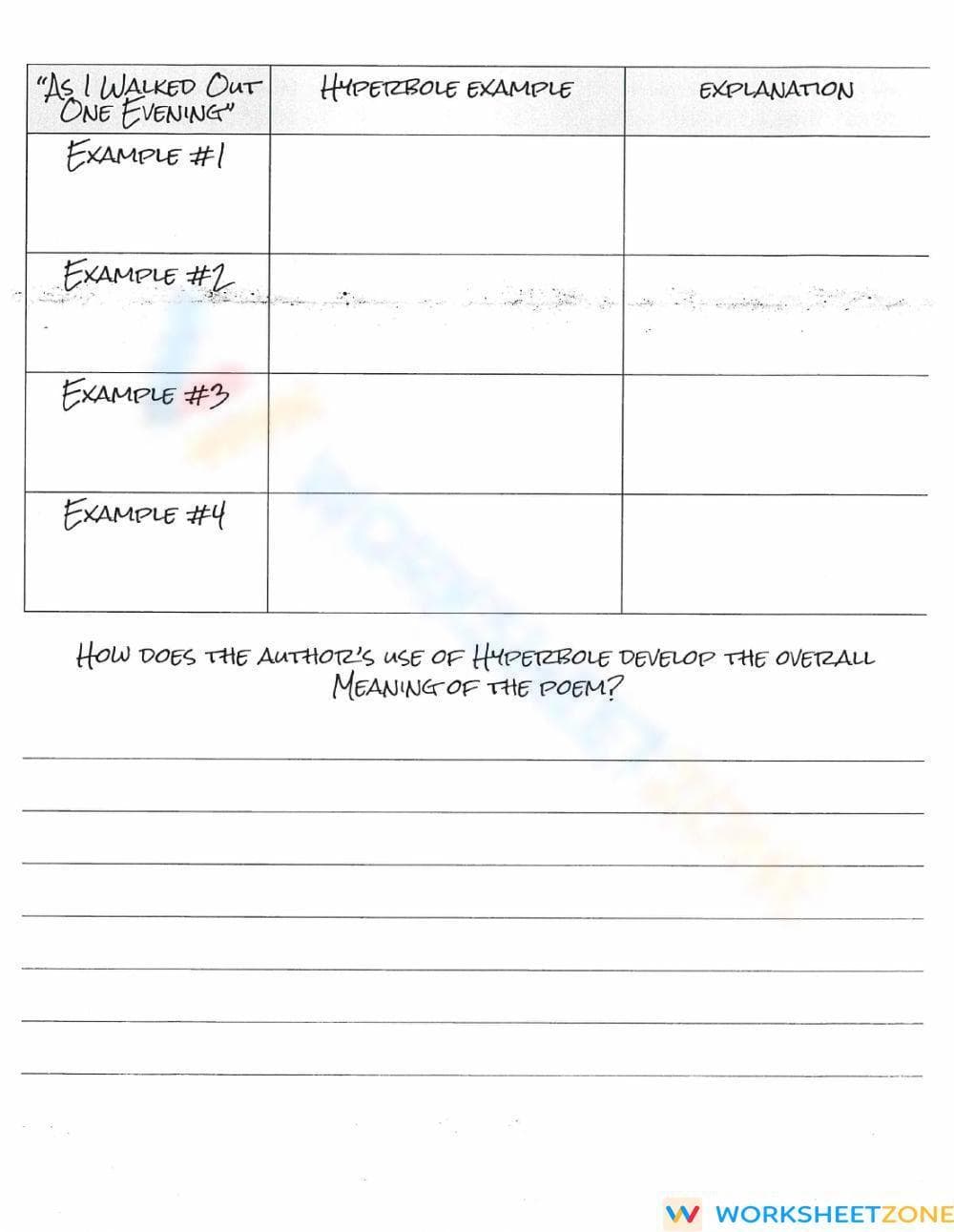
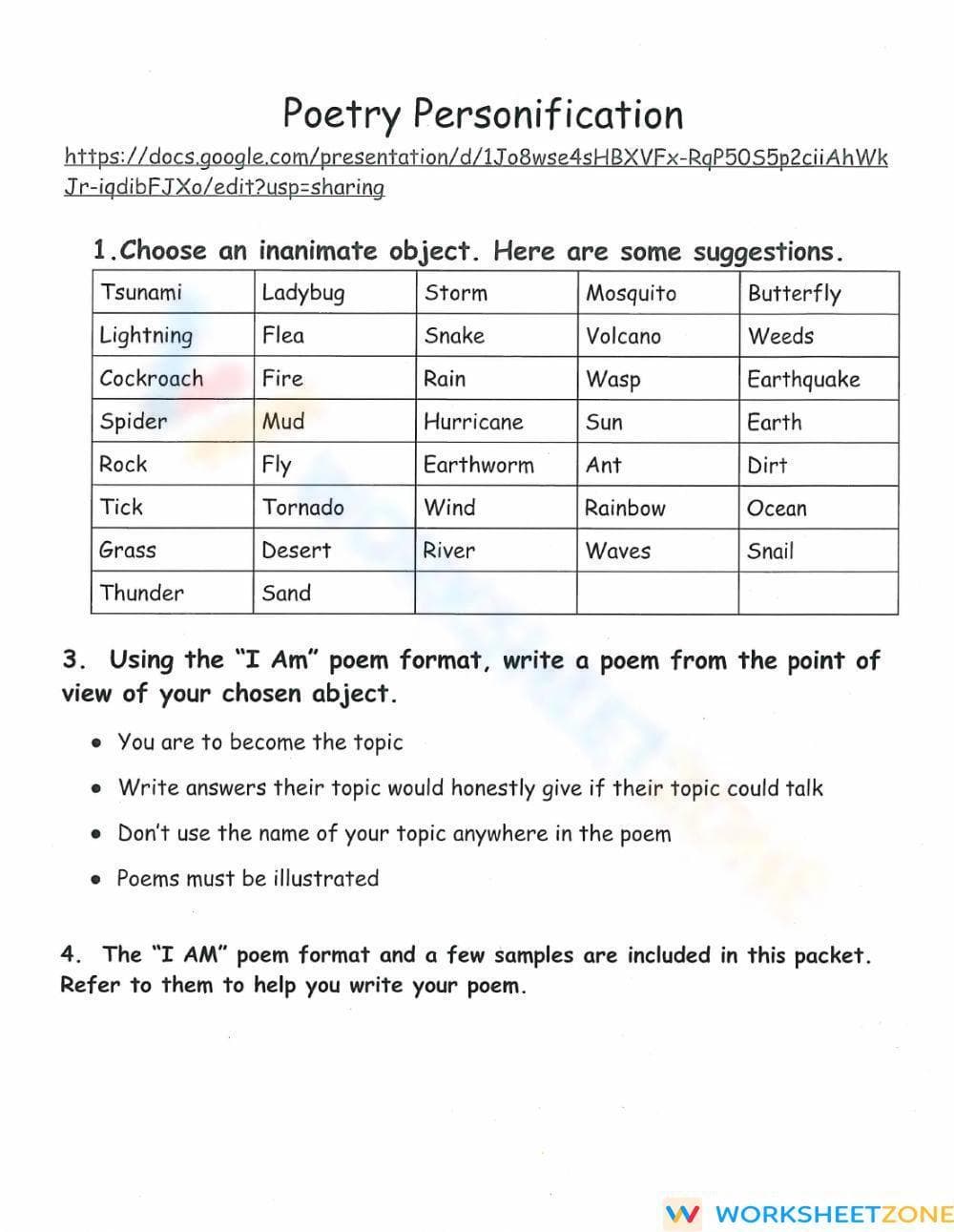
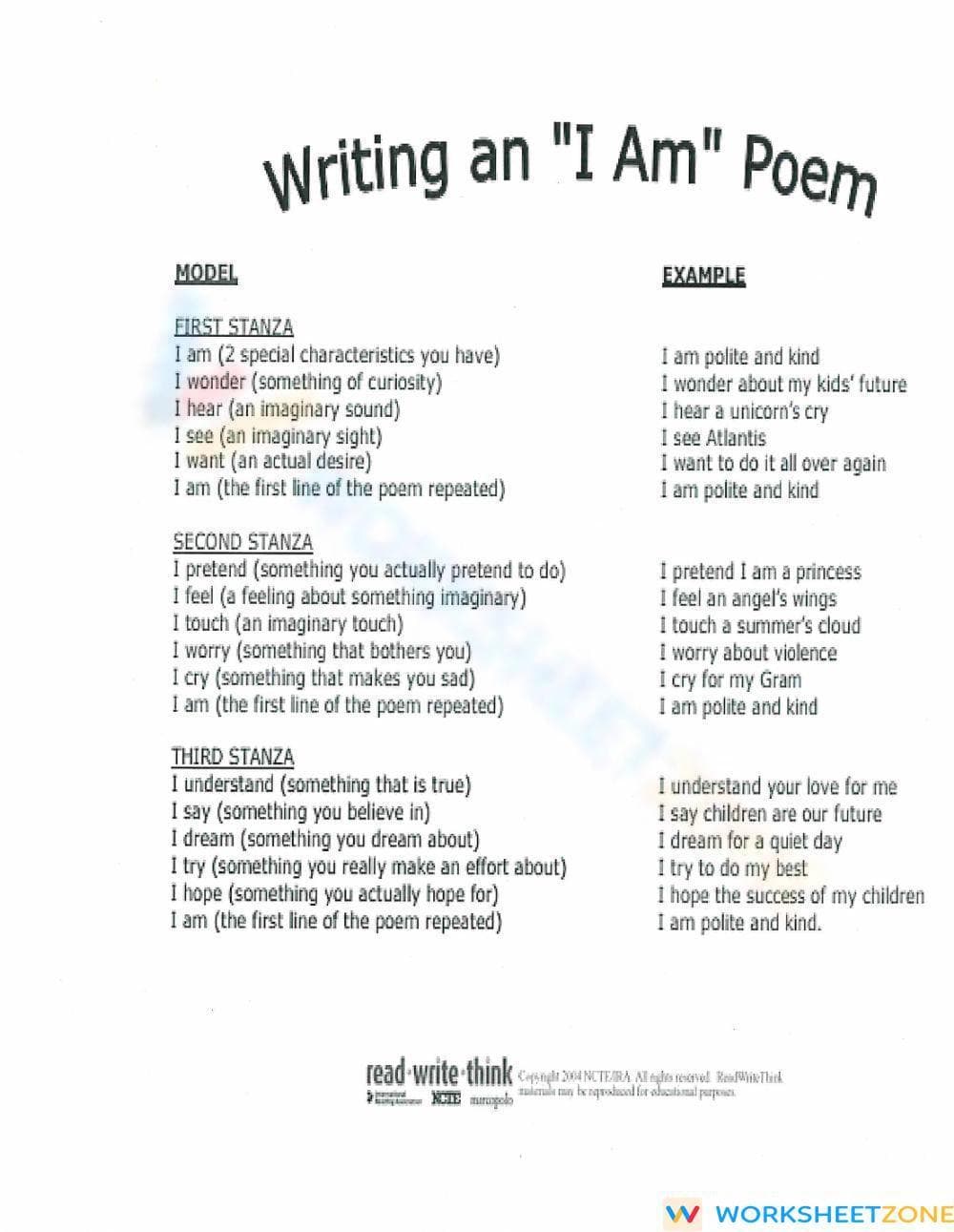
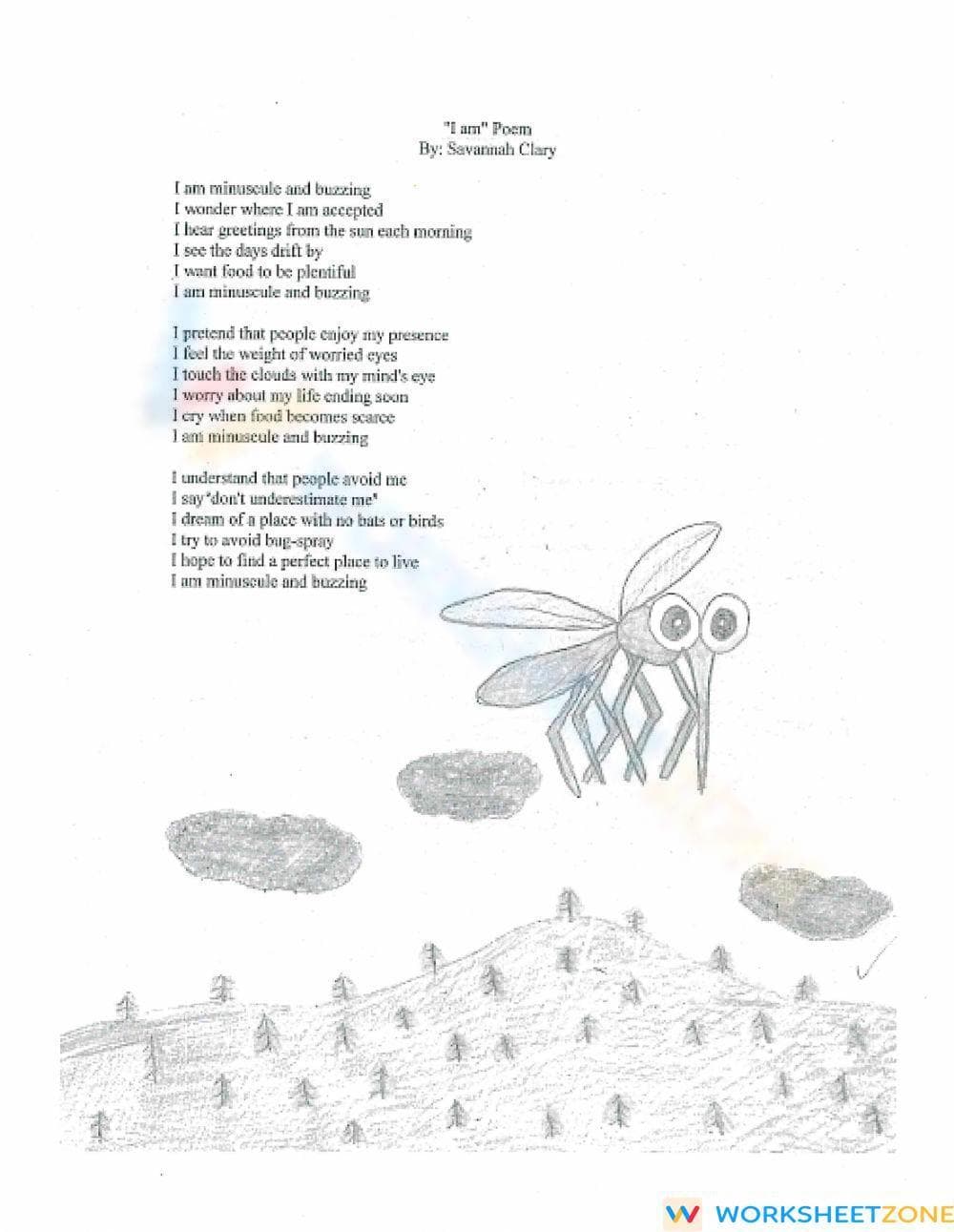
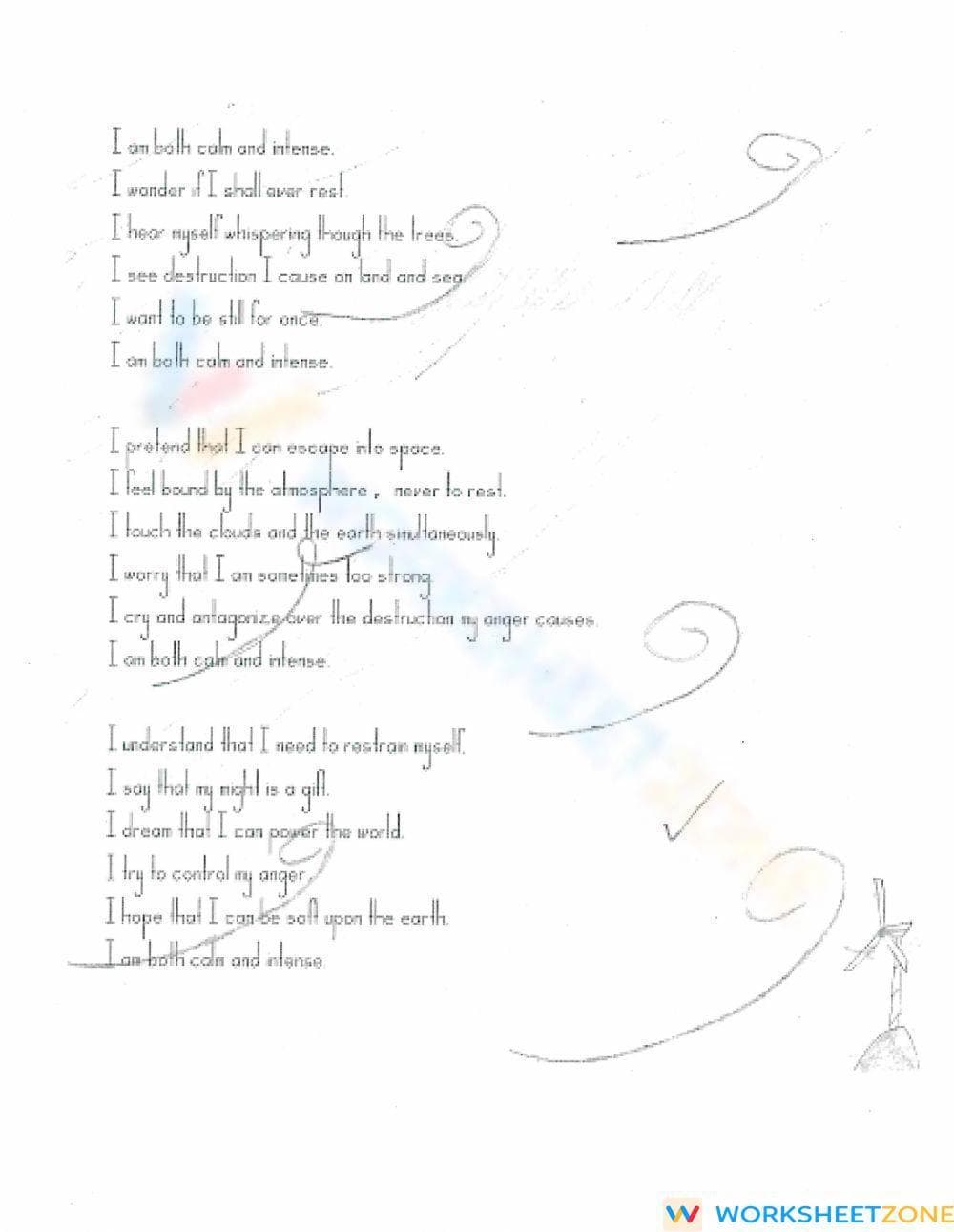
This Poetry Packet 4 provides high school students with a comprehensive suite of analysis exercises for canonical poems. By engaging with 45 structured questions, learners master the art of identifying figurative language, tone, and theme across nine classic works. It ensures students develop the critical reading stamina required for standardized assessments.
At a Glance
- Grade: 9–11 · Subject: ELA
- Standard:
CCSS.ELA-LITERACY.RL.9-10.4— Determine the meaning of words and phrases, including figurative and connotative meanings- Skill Focus: Poetry analysis and figurative language
- Format: 9 pages · 45 problems · Answer key included · PDF
- Best For: Independent practice or test prep
- Time: 45–60 minutes
This extensive 9-page PDF features nine distinct poems, ranging from Robert Frost to Langston Hughes. Each page is dedicated to a single poem followed by five multiple-choice questions that target specific literary devices. The packet includes a complete answer key for rapid grading and immediate student feedback.
Integrating this packet into your curriculum is efficient and straightforward. First, print the 9-page document for your class (2 minutes). Next, distribute the packets for independent or small-group work (1 minute). Finally, use the included answer key to review responses together or for quick summative grading (2 minutes). It serves as an ideal sub plan or emergency resource.
The packet is primarily aligned to CCSS.ELA-LITERACY.RL.9-10.4, which requires students to determine the meaning of words and phrases as they are used in the text, including figurative and connotative meanings. It also supports RL.9-10.1 by asking students to cite strong and thorough textual evidence. Both standard codes can be copied directly into lesson plans, IEP goals, or district curriculum mapping tools.
Assign this packet as a cumulative review after a poetry unit to check for mastery of literary devices. Alternatively, use it as a "Poem of the Day" bell-ringer series over two weeks. Observe students as they tackle the "O Captain! My Captain!" section to see if they can connect metaphor to historical context. Expect students to finish the full packet in 60 minutes.
Designed for students in grades 8 through 11, this resource is suitable for general education ELA classrooms, honors sections, or SAT/ACT prep groups. It pairs naturally with a literary terms anchor chart or a direct instruction lesson on the differences between metaphor and personification.
This Grade 9-11 poetry analysis resource utilizes a scaffolded approach to literary criticism, aligning with the "Gradual Release of Responsibility" model described by Fisher & Frey (2014). Research indicates that consistent exposure to complex texts, paired with targeted questioning, significantly improves reading comprehension scores on the NAEP. By focusing on standard CCSS.ELA-LITERACY.RL.9-10.4, the packet helps students decode figurative language and determine connotative meanings in diverse poetic structures. The 45 tasks provide sufficient repetition for skill acquisition without causing cognitive overload. Educators can use the results to identify specific gaps in student understanding of tone and theme. This evidence-based design ensures that high school learners build the analytical depth required for college-level literature courses. The inclusion of an answer key facilitates both peer-grading and self-assessment, which are proven strategies for enhancing metacognition in the ELA classroom.


