




























Views
Downloads
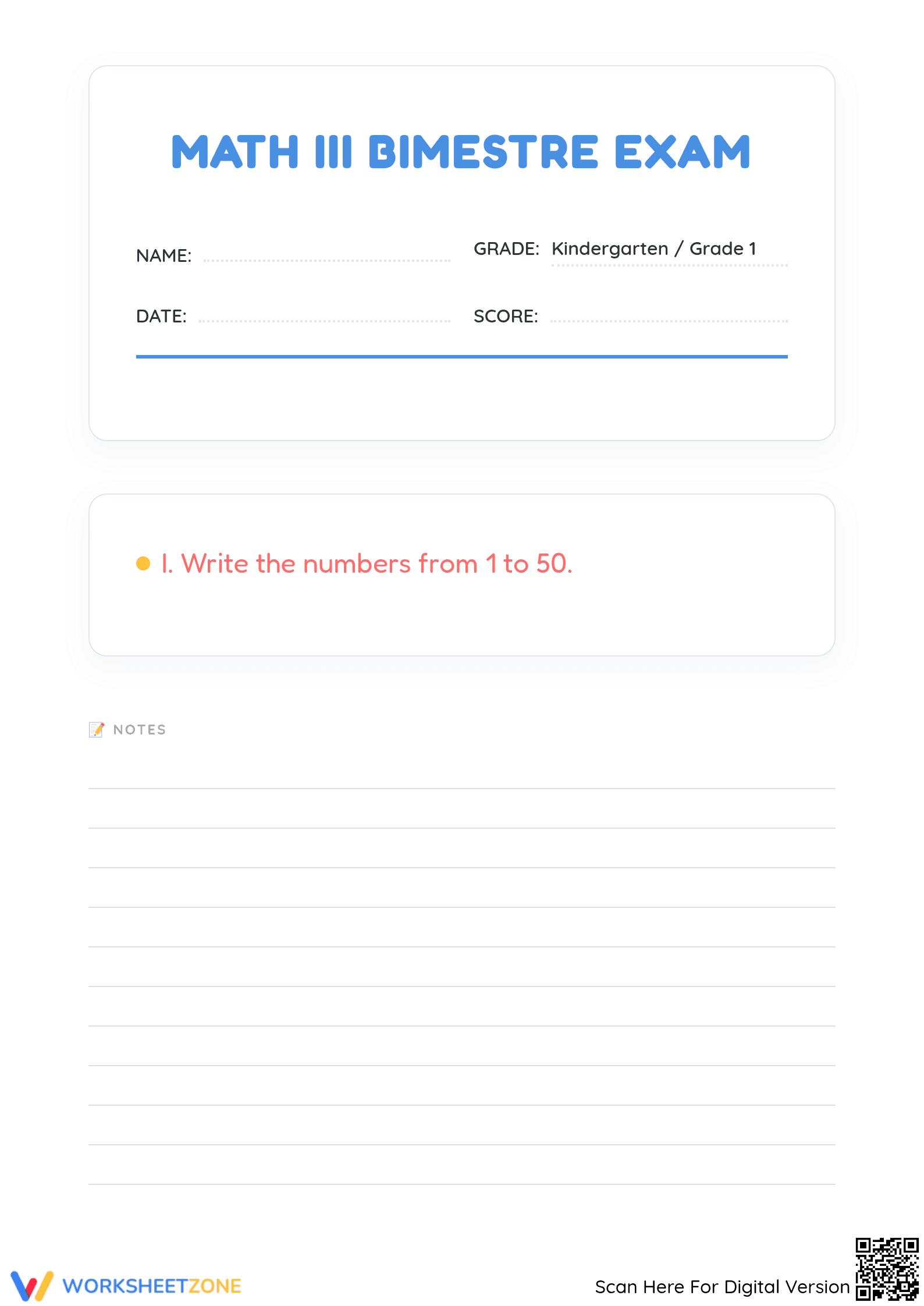

Printable Math III Bimestre Exam: Grade 1 Assessment

Paste this activity's link or code into your existing LMS (Google Classroom, Canvas, Teams, Schoology, Moodle, etc.).
Students can open and work on the activity right away, with no student login required.
You'll still be able to track student progress and results from your teacher account.
This comprehensive Grade 1 Math III Bimestre Exam provides a structured assessment of foundational numeracy skills. It evaluates a student's ability to count, sequence numbers to 50, identify number relationships, and solve basic arithmetic problems. Designed for clarity, it ensures students can demonstrate mastery of core mathematical concepts in a formal yet accessible format.
At a Glance
- Grade: 1 · Subject: Math
- Standard:
CCSS.MATH.CONTENT.1.NBT.A.1— Count to 120, read and write numerals to represent a number of objects- Skill Focus: Counting, Addition, and Subtraction
- Format: 5 pages · 60 problems · Answer key included · PDF
- Best For: End-of-term assessment or comprehensive review
- Time: 30–45 minutes
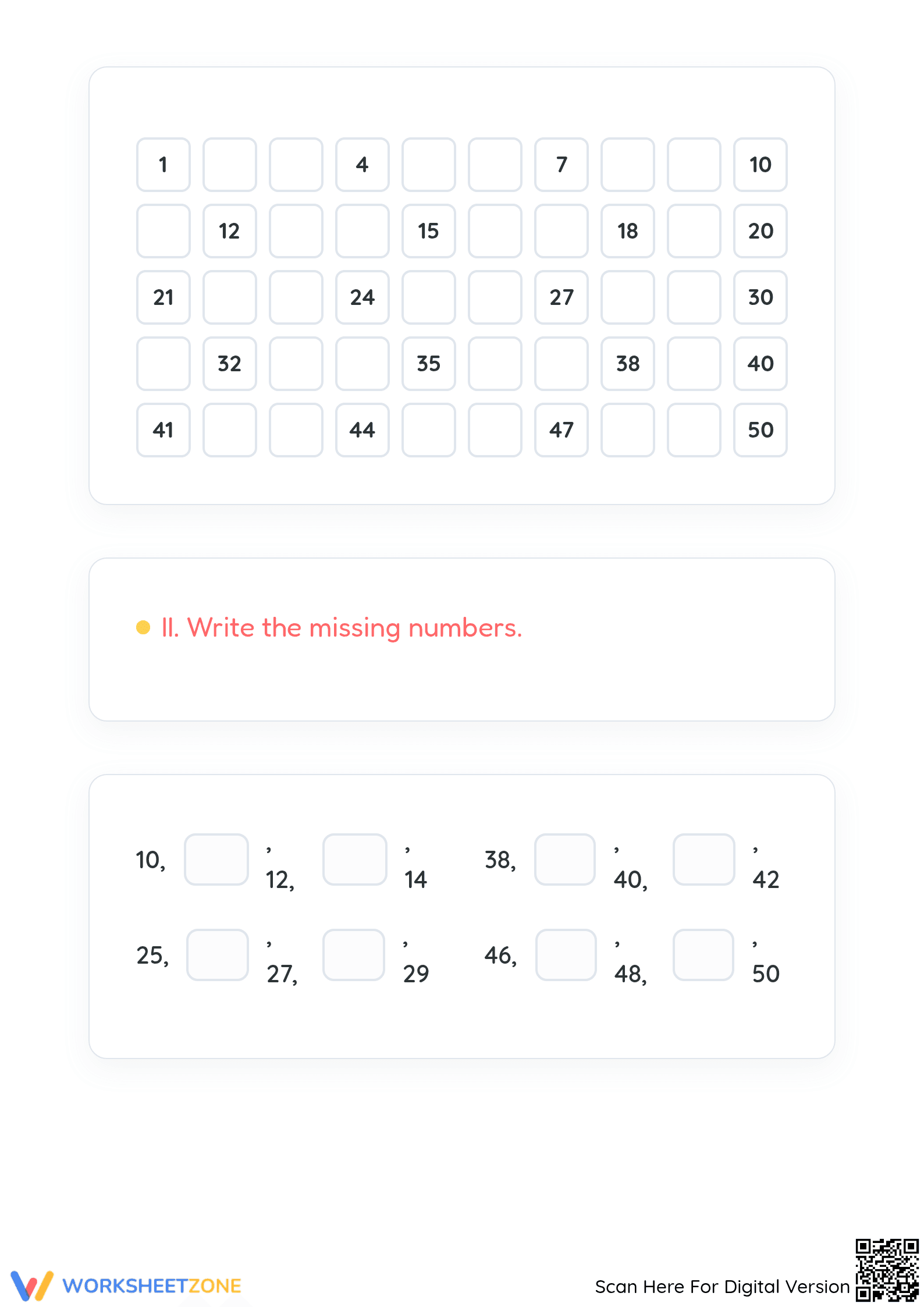
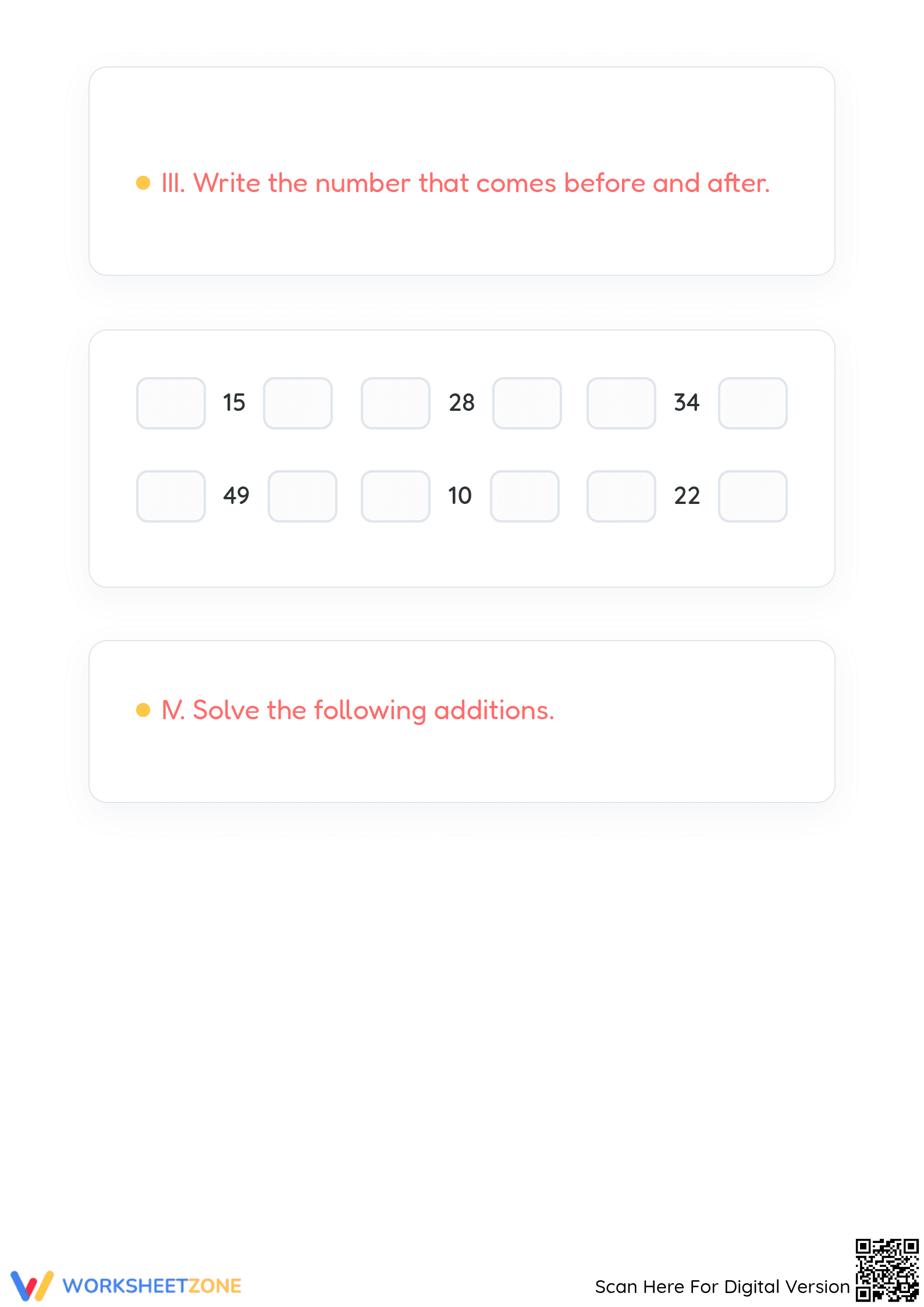
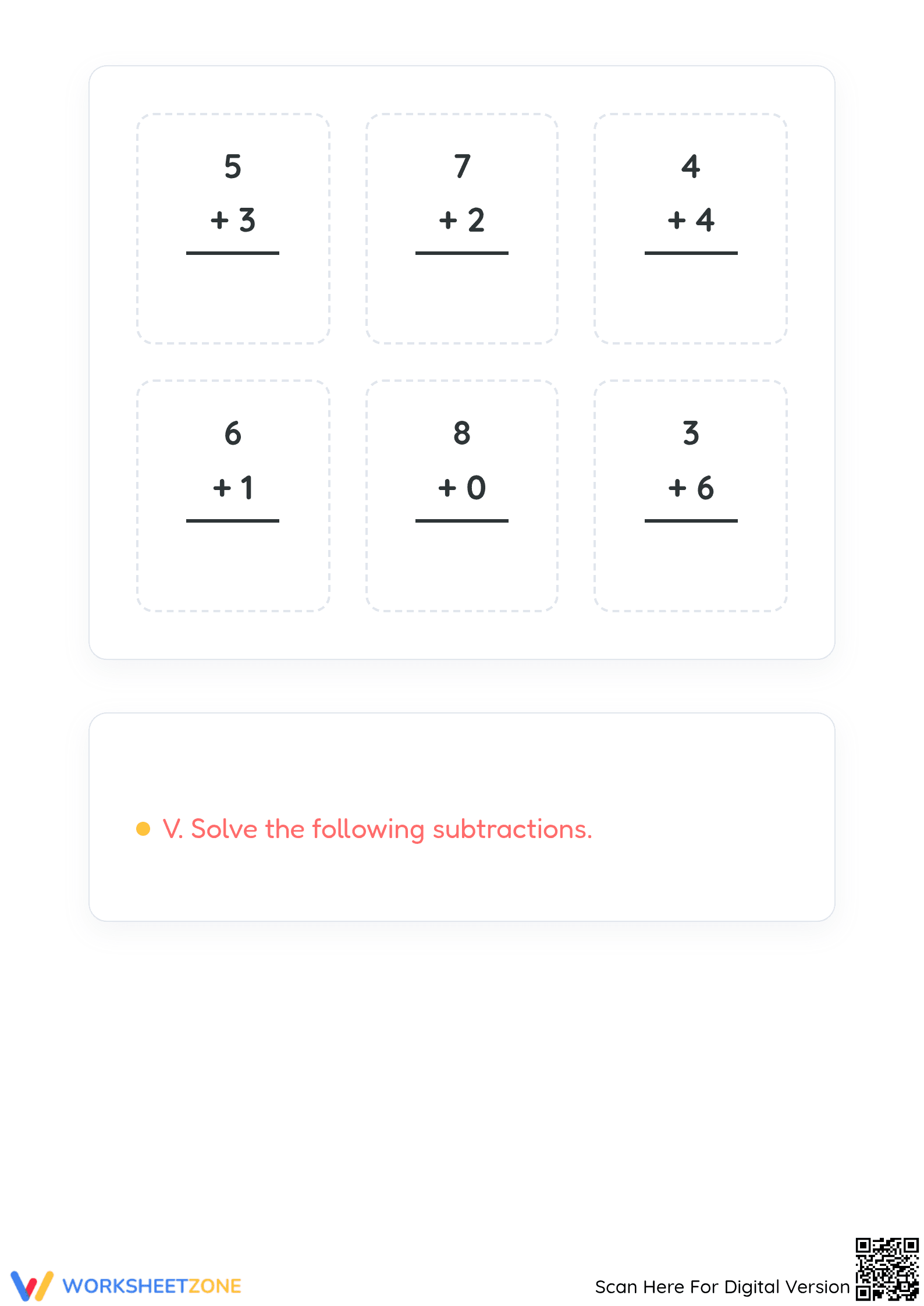
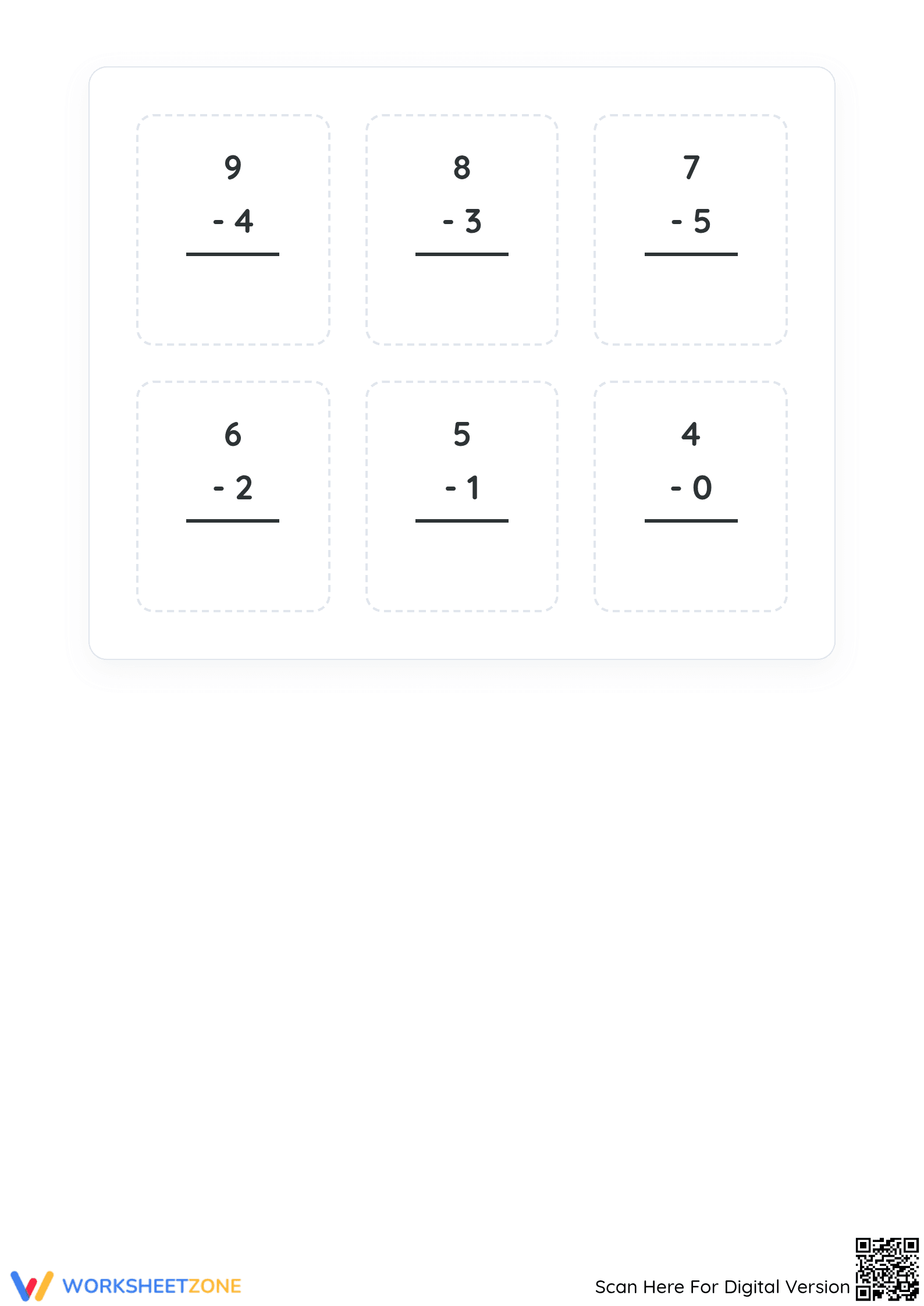
The five-page document contains five distinct sections. It begins with a counting grid for numbers 1 to 50, followed by missing number sequences and "before and after" logic puzzles. The final sections provide twelve vertical addition and subtraction problems, all within 10. The layout is spacious with large fonts, making it ideal for young learners to navigate without feeling overwhelmed.
Teachers can implement this assessment in three simple steps. First, print the five-page PDF (taking less than 30 seconds). Second, distribute the copies to students for a 45-minute testing session. Finally, review the completed worksheets using the included answer key (approximately 1 minute per student). This zero-prep design requires under 2 minutes of total teacher setup time.
This assessment is primarily aligned to CCSS.MATH.CONTENT.1.NBT.A.1, focusing on the ability to read and write numerals to 50. It also supports CCSS.MATH.CONTENT.1.OA.C.6 through its inclusion of single-digit addition and subtraction within 10. Both standard codes can be copied directly into lesson plans, IEP goals, or district curriculum mapping tools for accurate progress tracking.
Use this as a summative assessment at the end of the third bimester to gauge student progress. Alternatively, it serves as an excellent diagnostic tool for identifying gaps in number sense before moving to larger integers. For formative use, observe students as they complete the "before and after" section to check for mastery of relative magnitude.
This resource is designed for first-grade students, though it is also suitable for advanced kindergarteners or second graders requiring remediation. It pairs naturally with number line anchor charts and counting manipulatives used during the instructional phase. The clear sections allow for easy modification for students who may need the exam broken into smaller segments.
The effective assessment of early numeracy, as seen in this Math III Bimestre Exam, aligns with the findings of the RAND AIRS 2024 study, which emphasizes the importance of multi-modal testing for foundational math skills. Research suggests that integrating counting, sequencing, and arithmetic into a single assessment helps identify specific cognitive barriers in numerical processing. By testing number writing alongside operations, the worksheet provides a holistic view of student competency. According to Fisher & Frey (2014), the use of scaffolded assessment tools like counting grids ensures that students can demonstrate their knowledge of number patterns before tackling more abstract computational tasks. This evidence-based approach to testing helps educators distinguish between procedural fluency and conceptual understanding. The inclusion of vertical addition and subtraction formats prepares students for more complex algorithmic thinking in subsequent grades, ensuring long-term mathematical success and alignment with national achievement standards for primary education.


