




























Views
Downloads

Essential Levels of Biological Organization Worksheet

Paste this activity's link or code into your existing LMS (Google Classroom, Canvas, Teams, Schoology, Moodle, etc.).
Students can open and work on the activity right away, with no student login required.
You'll still be able to track student progress and results from your teacher account.
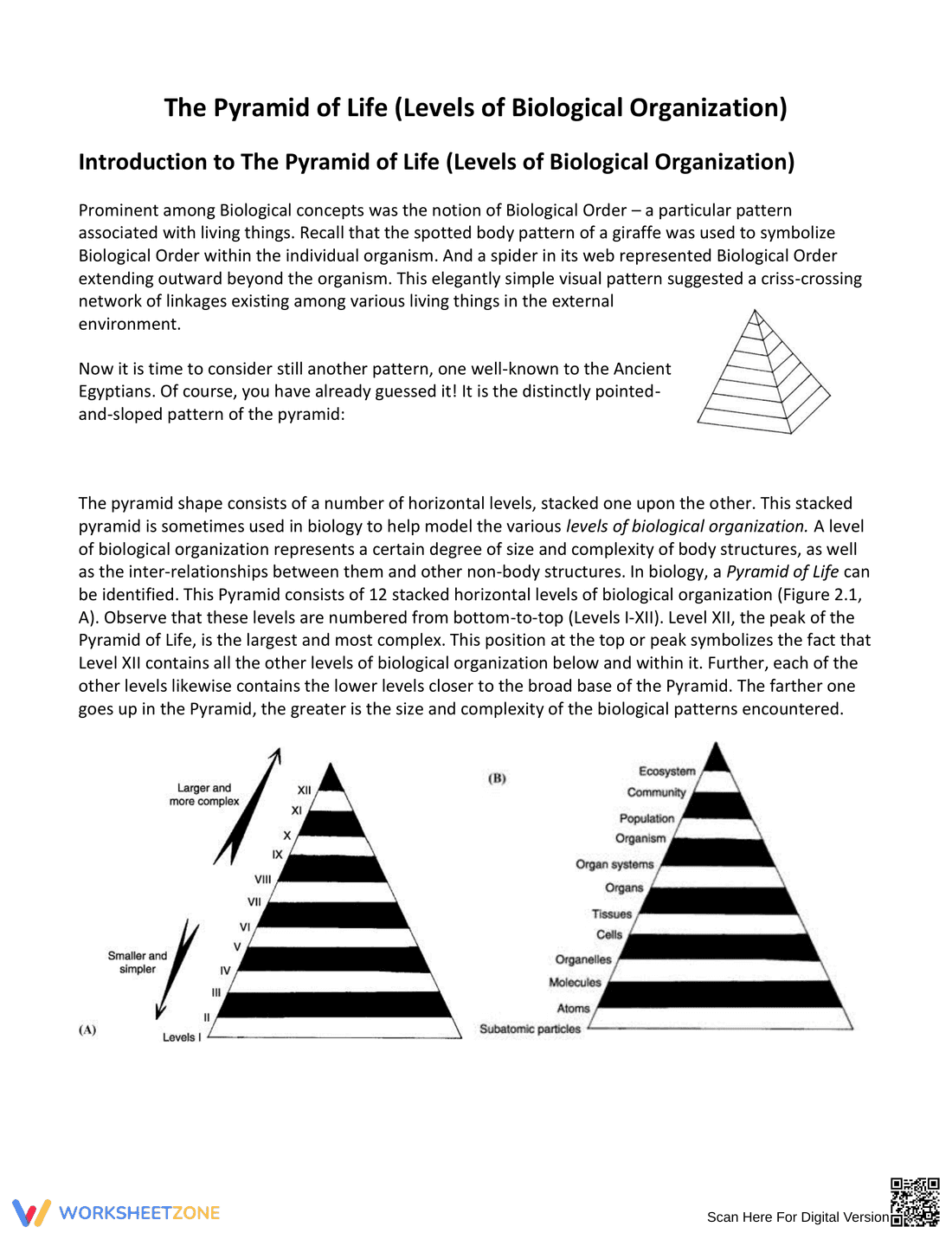
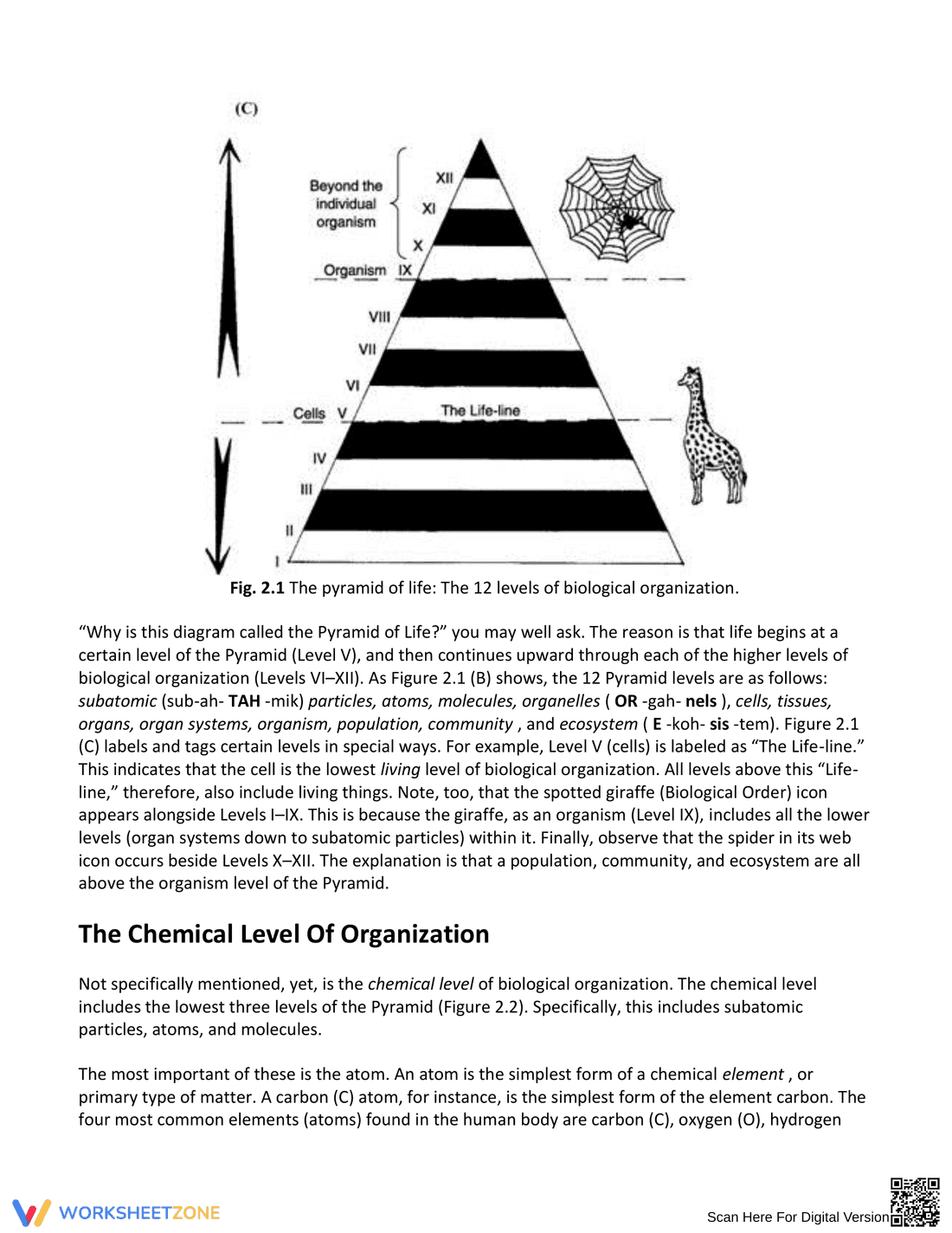
This comprehensive biology packet provides a structured exploration of the biological hierarchy, often referred to as the Pyramid of Life. Students will progress through the 12 distinct levels of organization, starting from subatomic particles and moving upward to complex ecosystems. By the end of this lesson, learners will be able to identify how smaller components integrate to form larger, more complex living systems.
At a Glance
- Grade: 6-9 · Subject: Biology
- Standard:
MS-LS1-1— Provide evidence that living things are made of cells and organized systems- Skill Focus: Biological hierarchy and systems thinking
- Format: 6 pages · 10 problems · Answer key included · PDF
- Best For: Comprehensive sub plans or unit introduction
- Time: 45–60 minutes
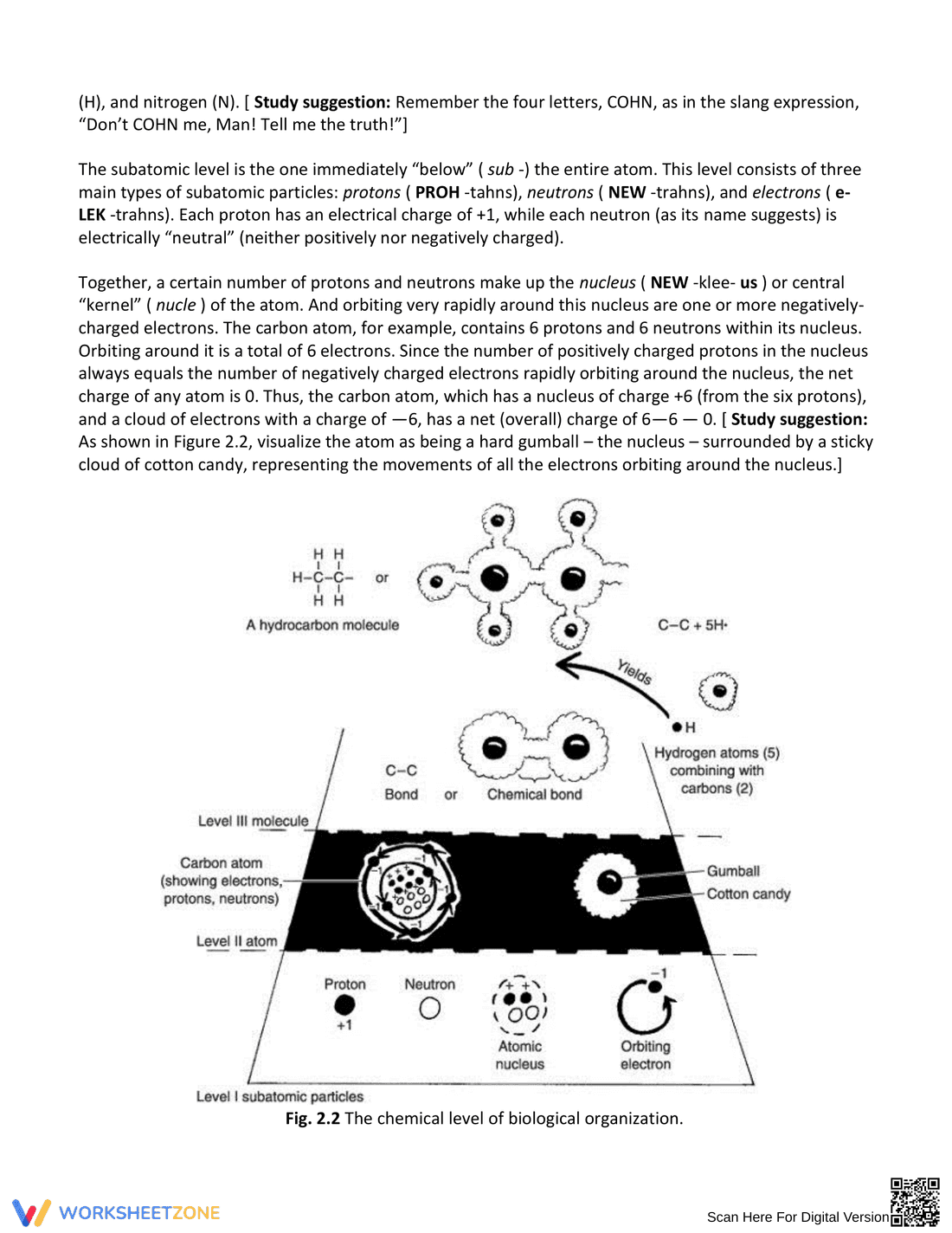
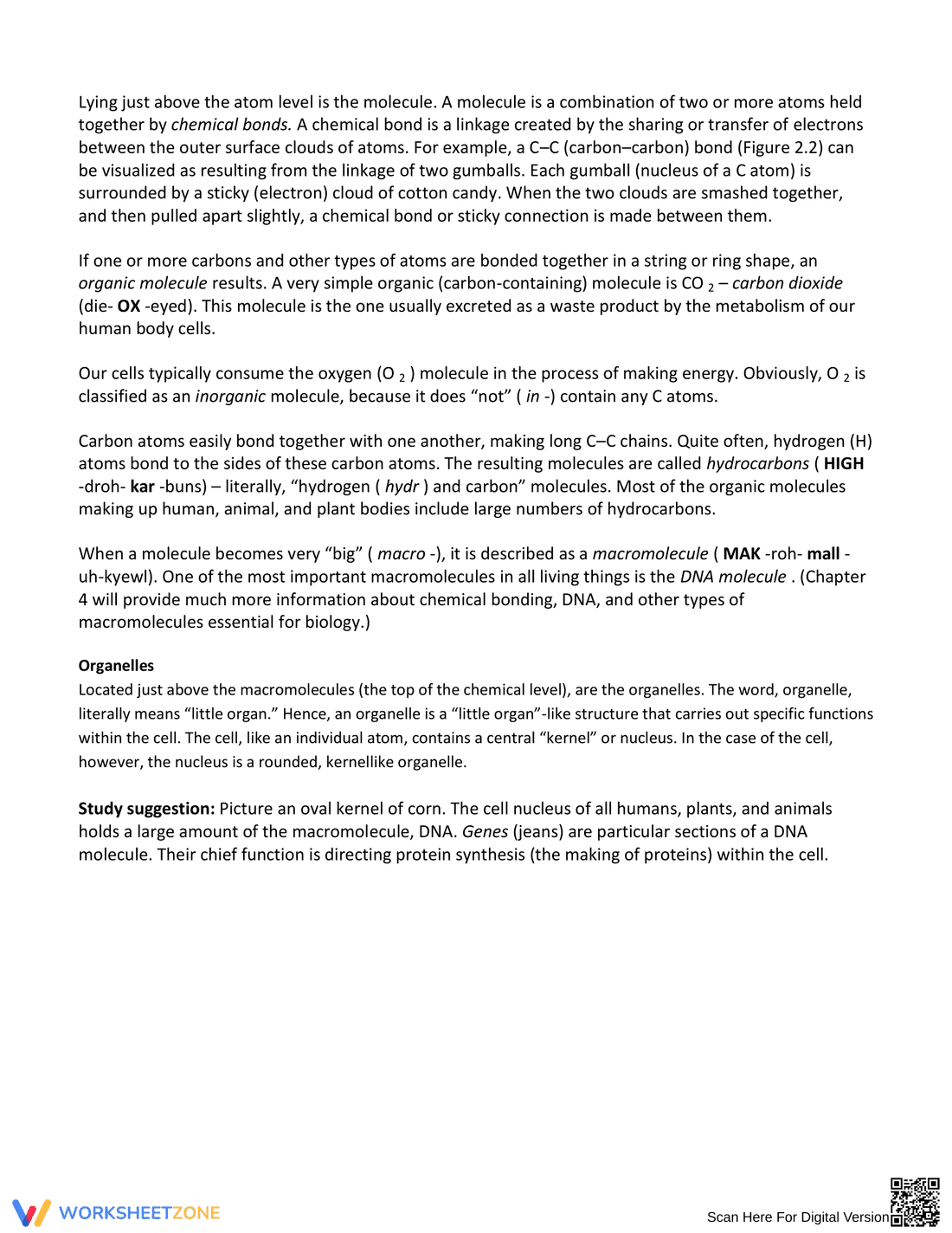
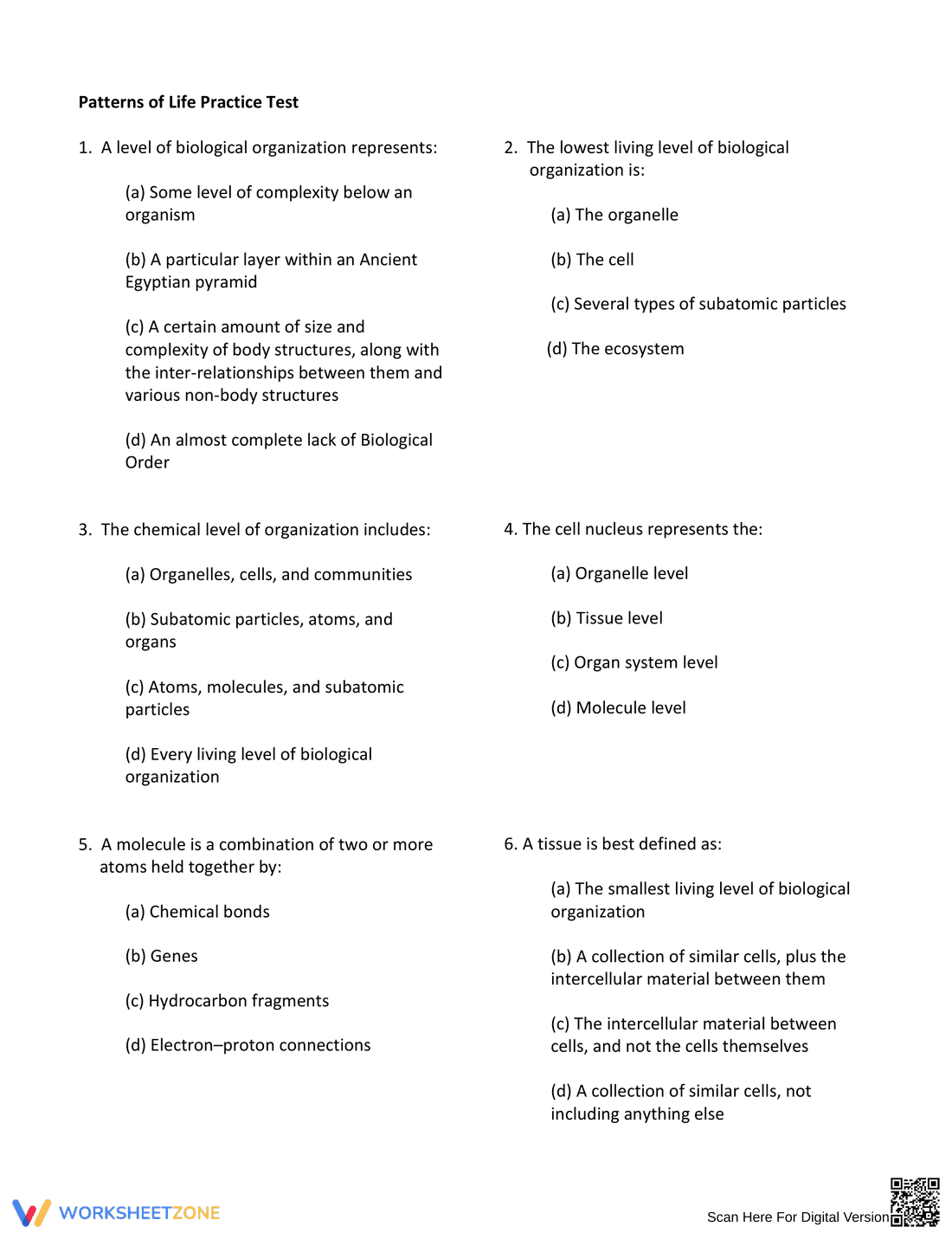
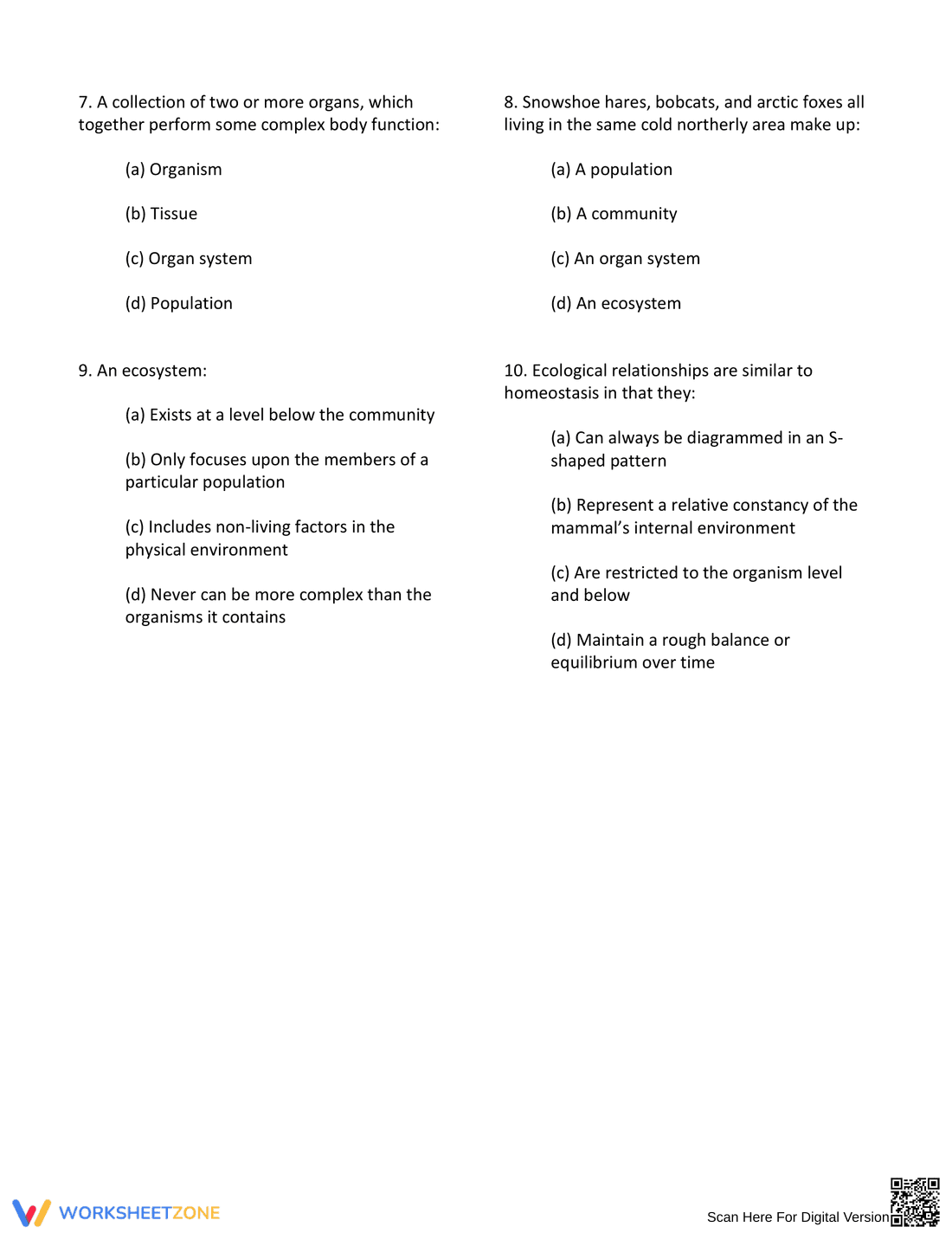
What's Inside: This 6-page instructional resource features four pages of detailed informational text paired with illustrative diagrams of atoms, molecules, and the organizational pyramid. The packet concludes with a 10-question multiple-choice practice test designed to evaluate reading comprehension and conceptual mastery. The text includes phonetic pronunciations for complex terms like organelles and macromolecules to support literacy development.
Zero-Prep Workflow
- Print (1 minute): Select the 6-page PDF and print enough copies for your class. The high-contrast diagrams ensure clarity even on standard school copiers.
- Distribute (1 minute): Hand out the packets as a self-contained lesson. The text is written to be self-explanatory, requiring no additional lecture.
- Review (5 minutes): Use the included answer key to quickly grade the 10-question practice test or facilitate a peer-review session.
Standards Alignment: This resource is primarily aligned to `MS-LS1-1`, which requires students to understand that all living things are made of cells and have specific levels of organization. It also supports `MS-LS2-3` by extending the hierarchy into populations, communities, and ecosystems. Both standard codes can be copied directly into lesson plans, IEP goals, or district curriculum mapping tools.
How to Use It: This worksheet is ideal for the "Explain" phase of a 5E lesson cycle. Assign the reading portion as a silent individual activity, then have students complete the practice test to demonstrate their understanding. It also serves as an excellent formative assessment tool; observe student responses to question 6 regarding tissues to gauge if they understand the transition from cellular to multicellular organization. Expect a completion time of 50 minutes.
Who It's For: This resource is designed for middle school life science students and early high school biology learners. It is particularly effective for students who benefit from visual models and scaffolded reading. Pair this worksheet with a microscope lab or a cell-part anchor chart to reinforce the transition from the chemical level to the biological level of life.
According to research by Fisher & Frey (2014), the use of complex informational texts paired with tiered diagrams significantly improves the retention of abstract scientific concepts in middle school learners. This worksheet utilizes a gradual-release approach, moving from the microscopic subatomic level to the macroscopic ecosystem level, which aligns with the NAEP framework for science literacy. By providing 10 targeted multiple-choice questions, the resource allows educators to collect immediate data on student mastery of standard MS-LS1-1. The inclusion of phonetic aids and clear visual hierarchies ensures that the content remains accessible to a wide range of reading abilities while maintaining the rigor required for high school biology preparation. This structured approach to biological organization helps students build a mental framework for future studies in anatomy, physiology, and environmental science, ensuring they understand the fundamental linkages between matter and life.


