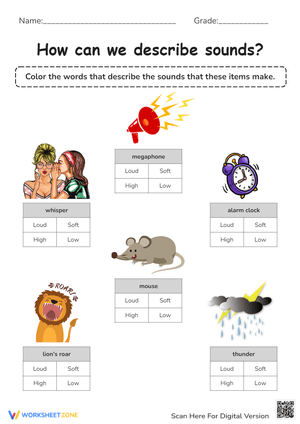
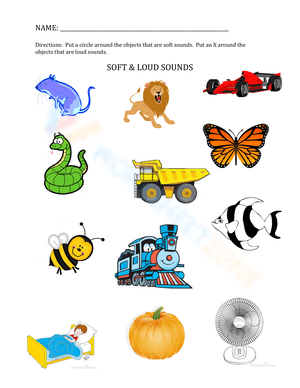
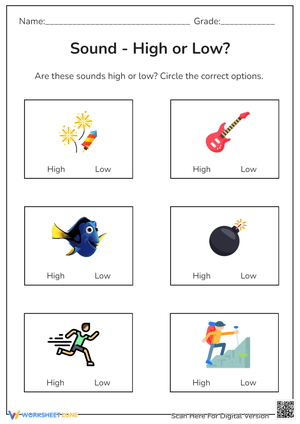
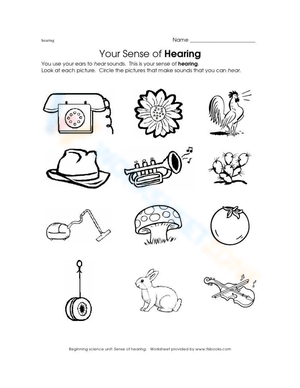
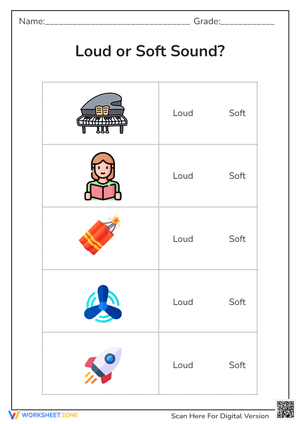
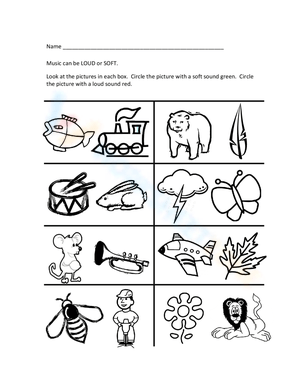
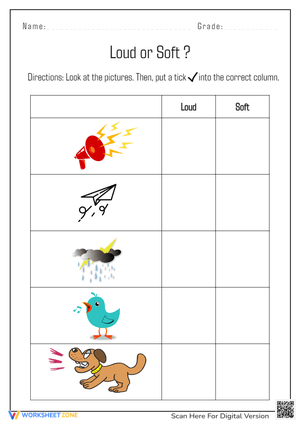
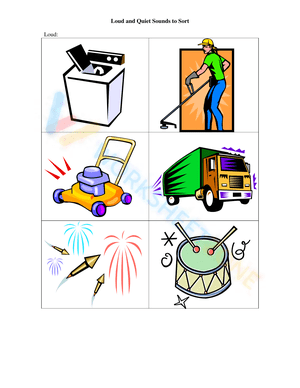
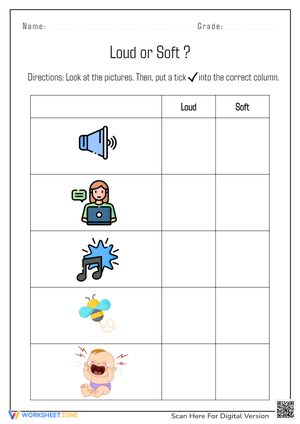
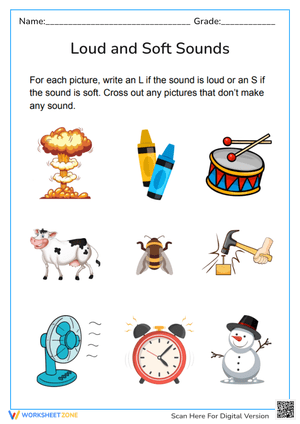
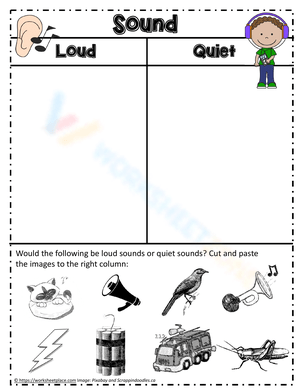
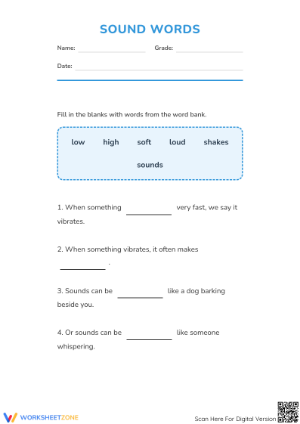
Every first grade classroom hits that tricky stretch between a finished lesson and the next activity, when a few minutes of empty time can quickly turn into rising noise. A teacher needs a reliable resource that pulls students back into focused work without lengthy directions. Our loud and soft sounds worksheets for grade 1 give educators a steady, ready-to-use option for those transition windows, helping students settle into purposeful listening tasks while the room calms down.
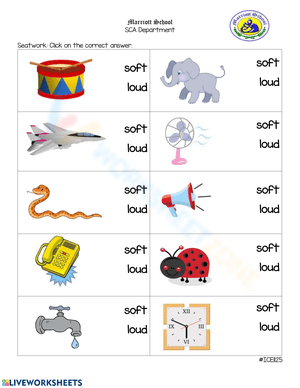
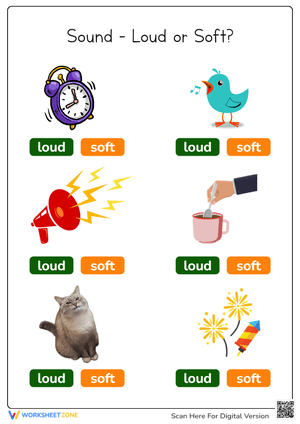
These printable pages work beautifully as a station rotation activity inside a science learning center. Pair the worksheet with simple objects like a bell, a paper rustle, or a tapping pencil so small groups can listen, decide, and mark their answers independently. Because each worksheet is self-guided, the lesson plan keeps moving even when you are guiding another group, and students build vocabulary around volume, pitch, and everyday classroom audio without needing constant teacher input.
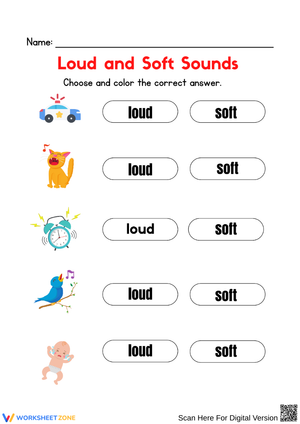
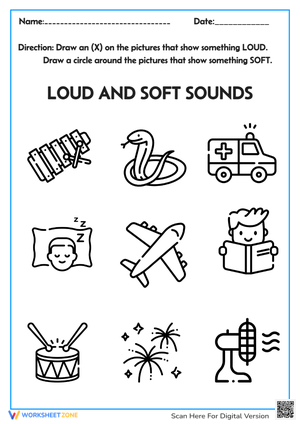
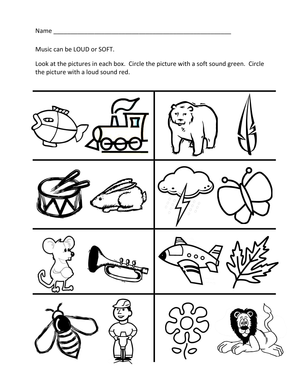
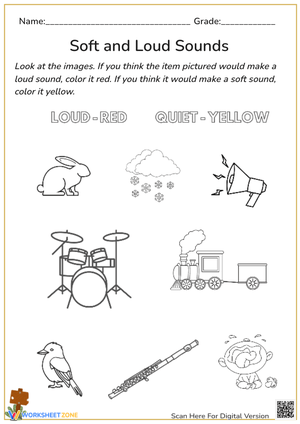
The same pages double as bell-ringers that set a calm tone the moment students walk through the door. Place a worksheet on each desk before arrival, and your young learners begin the morning by circling loud and soft items, drawing pictures of quiet sounds, or matching words to images. This predictable routine signals that science thinking starts immediately, and parents often appreciate seeing this consistent structure during open-house visits as part of a clear weekly listening and phonics routine.
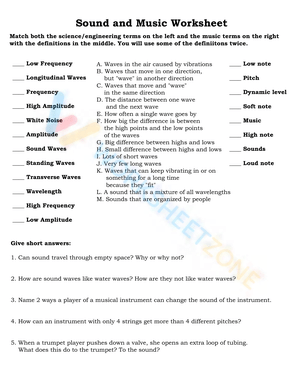
Predictable routines built around dependable printable materials also support stronger behavior management across the week. When students know they can count on a familiar worksheet format, they spend less energy guessing what comes next and more energy listening, sorting, and recording observations. Teachers who pair these pages with broader science units, such as exploring how sound waves travel, often see calmer transitions and richer classroom discussions about everyday loud and soft sounds.
Bring these grade 1 sound pages into your weekly plans and keep your classroom running on smooth, organized rhythms that put listening first.
Frequently Asked Questions
Question 1: How do these worksheets fit into a grade 1 science lesson plan?
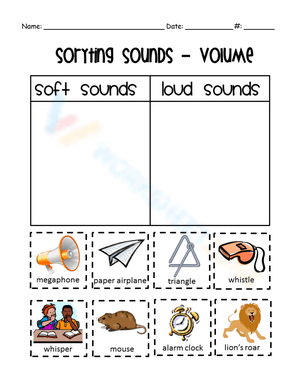
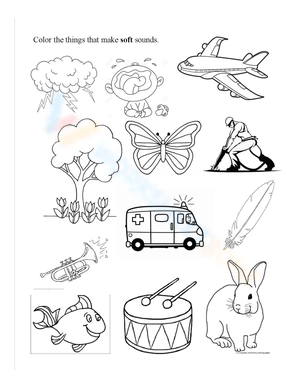
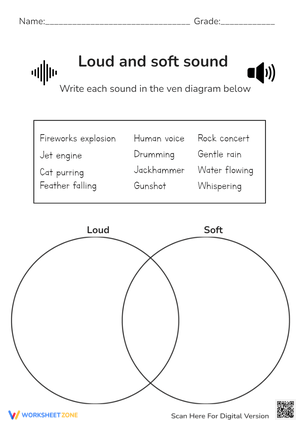
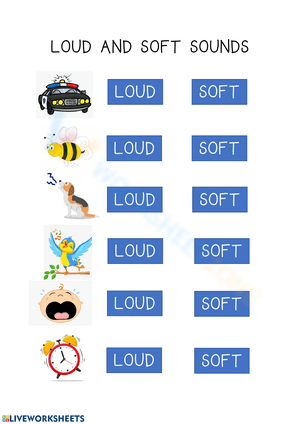
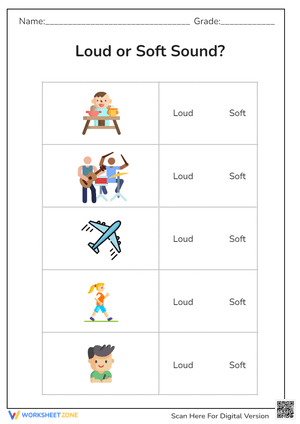
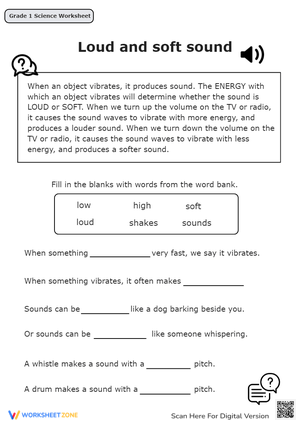
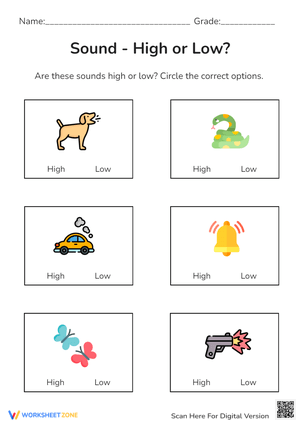
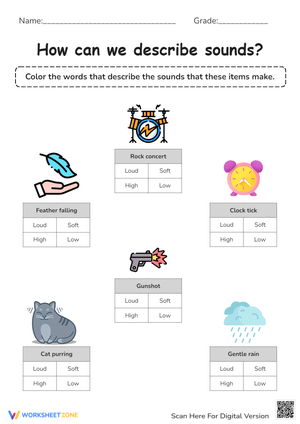
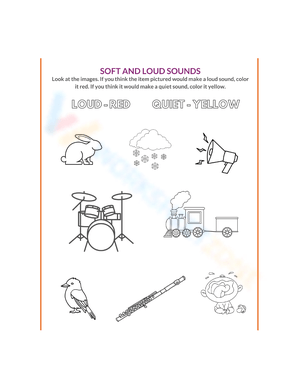
Teachers can place these worksheets inside a sound and energy unit as guided practice or independent review. Students sort pictures of loud and soft sources, label classroom items by volume, and connect new vocabulary to real situations. The pages support direct instruction, small-group work, and quick formative checks, making them flexible enough to match nearly any first grade science schedule throughout the school year.
Question 2: What listening skills do students practice with these printables?
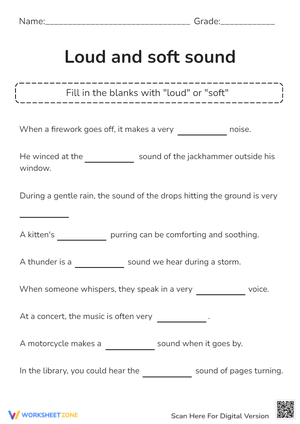
Children practice careful attention, sound discrimination, and clear classification. They learn to compare two sounds, decide which is louder, and explain their reasoning using simple sentence frames. Worksheets also build vocabulary such as quiet, noisy, whisper, and shout, so students can describe their environment with greater precision. These skills strengthen reading comprehension, science observation, and everyday communication across many subjects.
Question 3: Are these pages suitable for both classroom and home learning?
Yes, the worksheets work well in school and at home. Teachers use them for stations, morning warm-ups, and small-group rotations, while parents print them for weekend practice or quiet afternoon learning. The simple layout means students can work independently after a brief introduction, and family members can extend the activity by pointing out loud and soft sounds during cooking, walking, or playing together.
Question 4: How can teachers extend the worksheets into hands-on activities?
After completing the printable, invite students to walk around the classroom and record sounds they notice on a sticky note. They can also build simple sound makers using rubber bands, rice in a cup, or paper tubes, then sort each one as loud or soft. Pairing worksheets with movement, music, and outdoor listening walks turns each lesson into a memorable, multi-sensory science experience for young learners.