


























Views
Downloads
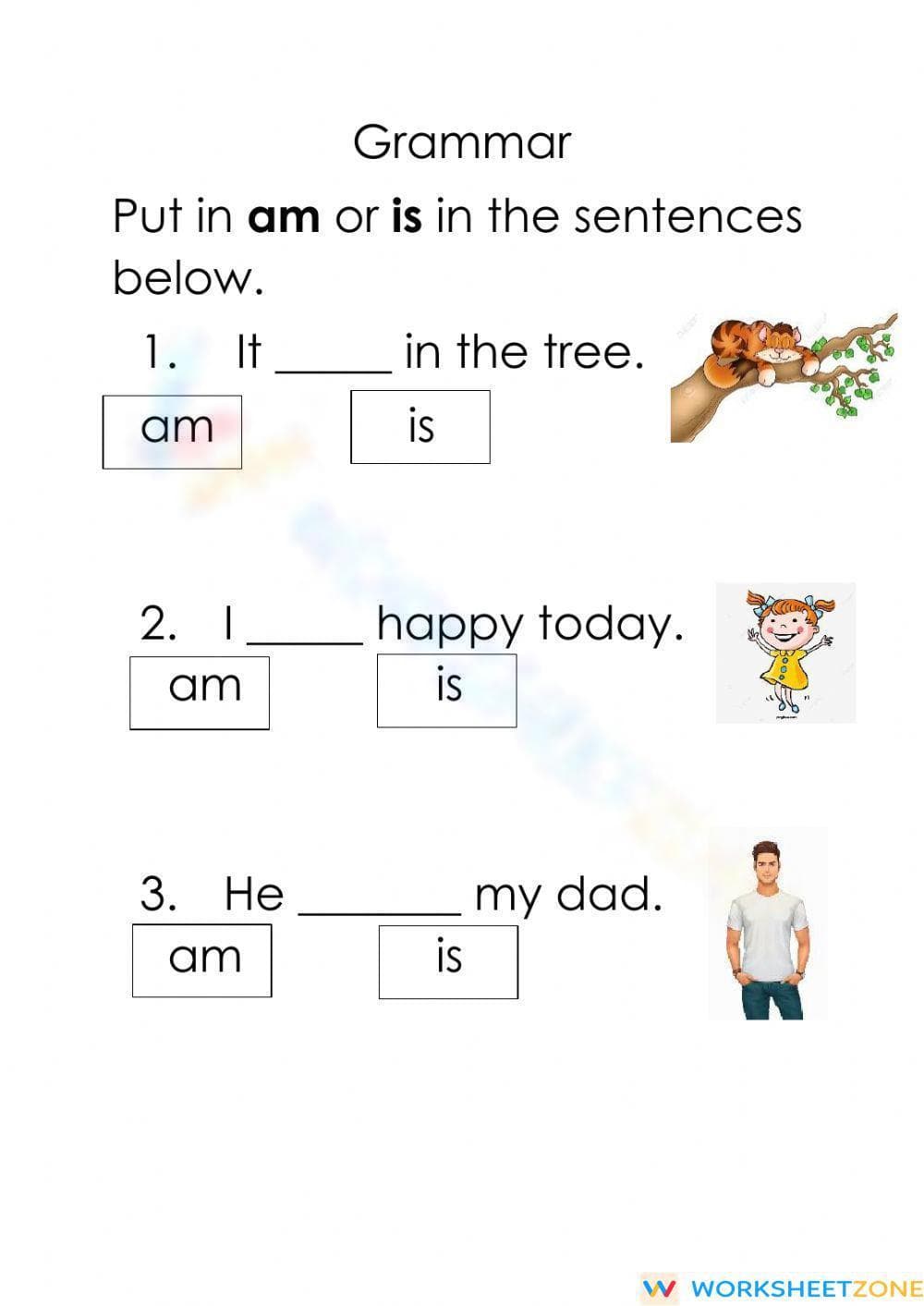



Printable Foundational ELA Skills Worksheet | Grade 3
Paste this activity's link or code into your existing LMS (Google Classroom, Canvas, Teams, Schoology, Moodle, etc.).
Students can open and work on the activity right away, with no student login required.
You'll still be able to track student progress and results from your teacher account.
This worksheet packet gives Grade 3 students focused practice across essential ELA domains. Learners will engage with targeted exercises in grammar, vocabulary, spelling, and reading comprehension, strengthening their command of foundational literacy skills through a variety of engaging tasks designed to build confidence.
At a Glance
- Grade: 3 · Subject: ELA
- Standard:
CCSS.ELA-LITERACY.L.3.1— Use standard English grammar when writing or speaking.- Skill Focus: Foundational ELA (Grammar, Spelling, Vocab, Reading)
- Format: 8 pages · 22 problems · Answer key included · PDF
- Best For: Independent practice or station work
- Time: 25–40 minutes
What's Inside
This eight-page PDF contains diverse activities to reinforce core ELA concepts. Students will complete grammar sentences, identify vocabulary from audio cues, match words to pictures, spell CVC words, complete phonetic patterns, and sequence narrative images. An answer key is included for easy grading, providing immediate feedback for learners.
Skill Progression
The packet follows a gradual-release model.
- Guided practice: Initial tasks, like the grammar section with only two verb choices, provide heavy scaffolding to introduce a concept with a high chance of success.
- Supported practice: Activities like spelling from a picture or matching synonyms offer moderate support, requiring students to retrieve information with a clear visual aid.
- Independent practice: Comprehension tasks, such as sequencing a story, challenge students to apply their understanding of narrative structure independently.
This "I Do, We Do, You Do" approach ensures students build mastery.
Standards Alignment
The exercises are aligned with Common Core standard CCSS.ELA-LITERACY.L.3.1, which requires students to "Demonstrate command of the conventions of standard English grammar and usage when writing or speaking." The activities also support foundational reading standards. These codes can be copied directly into lesson plans or curriculum maps.
How to Use It
Use this as independent practice after a lesson on verbs or spelling, or as a 25-40 minute learning station activity. For formative assessment, observe which sections students find challenging. For instance, difficulty with sequencing may signal a need for more instruction on narrative structure. It is a very flexible tool for teachers.
Who It's For
Designed for third-grade students solidifying foundational ELA skills. Clear instructions and visuals make it accessible for most learners, including English Language Learners. It pairs well with a classroom anchor chart displaying verb conjugation rules.
This resource provides structured practice aligned to CCSS.ELA-LITERACY.L.3.1, focusing on applying standard English grammar. By integrating tasks for spelling, vocabulary, and grammar, it addresses the interconnectedness of language skills. The `RAND AIRS 2024` report emphasizes that effective literacy instruction involves integrating reading, writing, and language components. This worksheet embodies that approach, giving students multiple opportunities to practice foundational conventions. The inclusion of 22 distinct problems across 8 pages ensures sufficient repetition for skill retention, moving students from guided to independent application.


