




















Water activities for kids are not just about splashing around—they are powerful tools for hands-on learning! From building STEM skills to boosting creativity and coordination, these engaging activities help students learn while having fun. Incorporating water play into lessons can make learning more interactive, whether in the classroom, outdoor spaces, or on field trips. Therefore, this post dives into 10+ exciting water activities designed to maximize engagement, plus tips to ensure safety and meaningful learning experiences. Scroll down for more!
How can Water Activities Help Kids to Develop?
Water activities can help kids to develop in many ways, specifically:
- Sensory Exploration: Helps children understand different textures, temperatures, and water resistance.
- Motor Skills Development: Pouring, squeezing, and splashing build fine and gross motor skills.
- Cognitive Growth: Encourages problem-solving, scientific inquiry, and cause-and-effect reasoning.
- Social Skills: Promotes teamwork, sharing, and communication during group water activities.
- Creativity & Imagination: Open-ended play allows kids to experiment and create unique water games.
Some considerations for safe and age-appropriate water play:
- Supervision: Always have an adult present during water activities.
- Age Suitability: Modify activities based on age to ensure safety and engagement.
- Non-Slip Surface: Prevent accidents by using non-slip mats for indoor water play.
- Water Conservation: Encourage eco-friendly play by reusing water and keeping activities short.
10+ Fun Water Activities for Kids
1. Sponge Relay Race
A sponge relay race is a fantastic way to promote teamwork, coordination, and active movement. This game is perfect for hot days and requires minimal materials.

How to Do:
- Divide kids into two teams and provide each team with a large sponge.
- Place two buckets at the start and two empty buckets at the finish line.
- Players take turns soaking the sponge in water and running to squeeze it into the empty bucket.
- The first team to fill their bucket wins!
2. Water Balloon Math Toss
This activity blends math practice with an exciting water balloon toss. It’s great for reinforcing number recognition and simple arithmetic.

How to Do:
- Write numbers on water balloons with a marker.
- Call out math problems (e.g., 5+3), and students must find and toss the correct numbered balloon into a target.
- Adjust difficulty based on grade level!
3. Ice Cube Painting
Art meets science in this cool painting activity! Kids explore color mixing and melting processes while creating beautiful artwork.
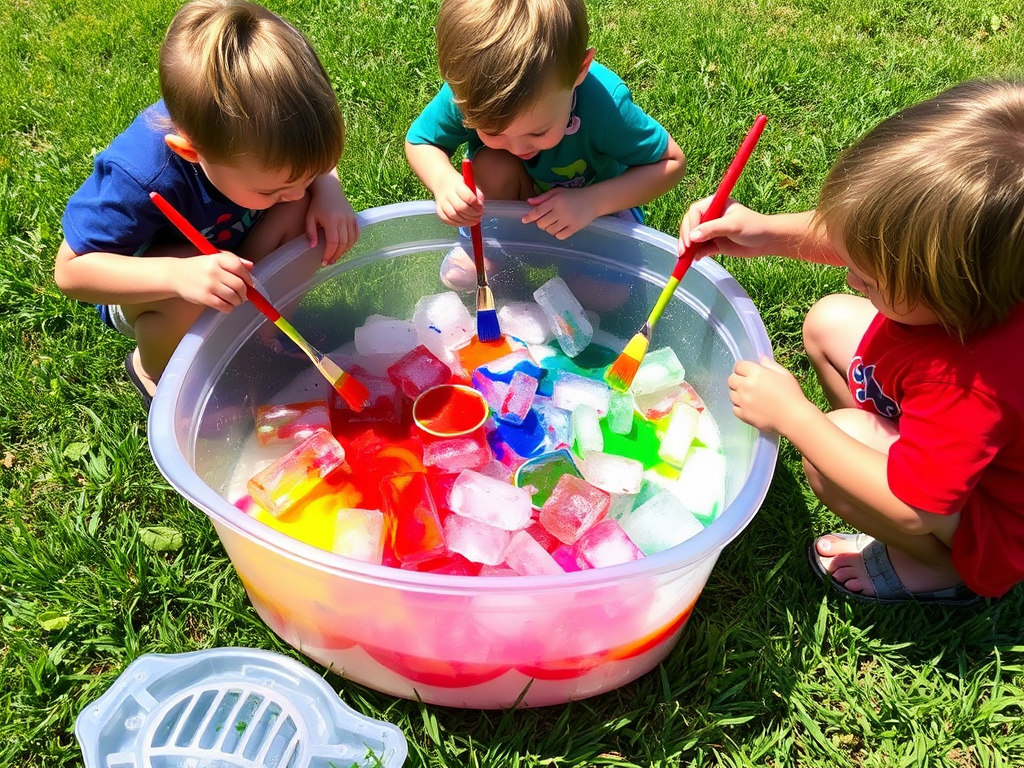
How to Do:
- Freeze colored water in ice cube trays with popsicle sticks as handles.
- Once frozen, let kids paint on paper using the melting ice.
- Discuss how temperature affects melting speed.
4. Sink or Float Experiment
A classic science experiment that helps kids understand buoyancy and density.
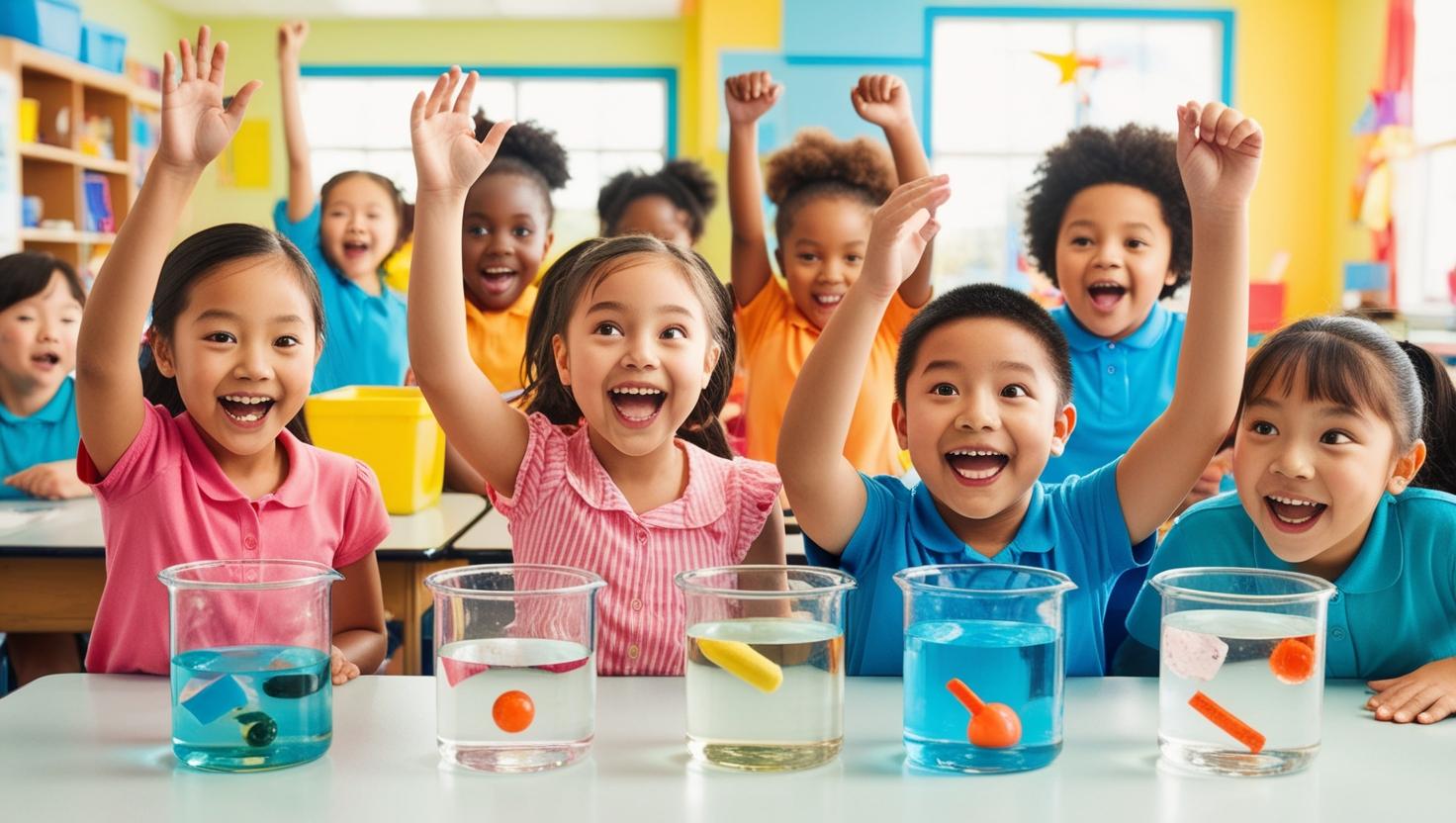
How to Do:
- Fill a large container with water.
- Provide a variety of objects (toy cars, plastic cups, coins, etc.).
- Have students predict which items will sink or float before testing them.
- Have students complete the Sink or Float Sorting worksheet after the experiment.
5. DIY Water Wall
A DIY water wall is a fantastic way to introduce kids to the principles of gravity, motion, and water flow. This hands-on activity encourages creativity, problem-solving, and engineering skills while keeping children engaged with water play. Teachers can incorporate this into STEM lessons or outdoor playtime.
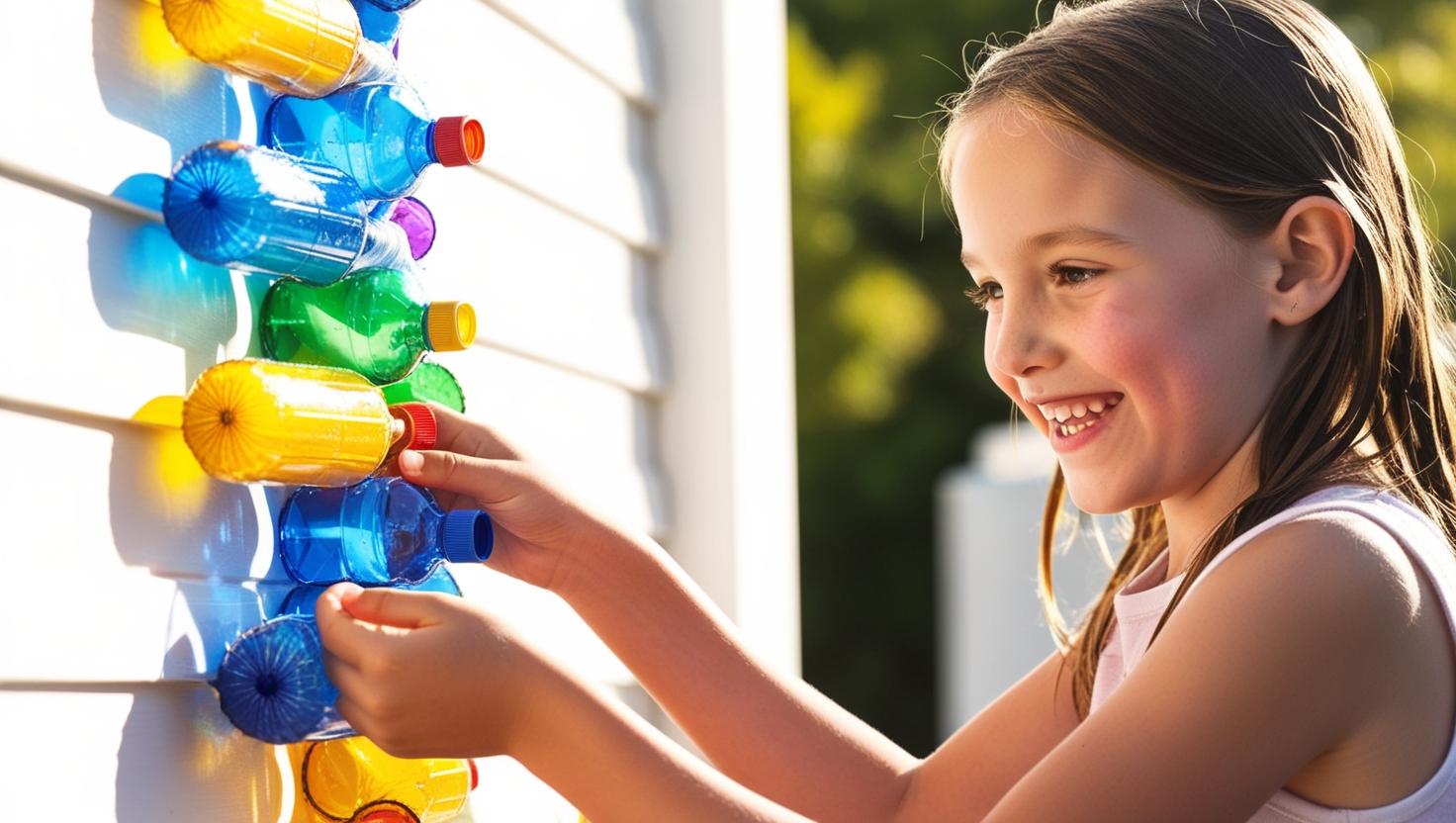
How to do:
- Use a large pegboard, fence, or cardboard as the base.
- Attach various recycled materials such as plastic bottles, funnels, and tubes to create a cascading water pathway.
- Give kids small cups or watering cans to pour water through the system and observe how it flows.
- Let them rearrange the pieces to experiment with different pathways.
6. Fishing for Letters
Fishing for Letters is an educational water activity that helps children develop literacy skills while enjoying interactive play. It’s a great way to practice letter recognition, spelling, and fine motor coordination.

How to do:
- Write letters on foam pieces or bottle caps and place them in a kiddie pool or large container filled with water.
- Provide kids with small nets or magnetic fishing rods to “catch” letters.
- Ask them to form words with the letters they collect.
- Modify for different age levels by focusing on letter sounds or sight words.
7. Drip, Drip, Splash! (Duck Duck Goose Variation)
This wet twist on the classic game “Duck Duck Goose” is an exciting way to cool off while promoting social interaction and movement. Kids stay engaged as they anticipate when the splash will come!
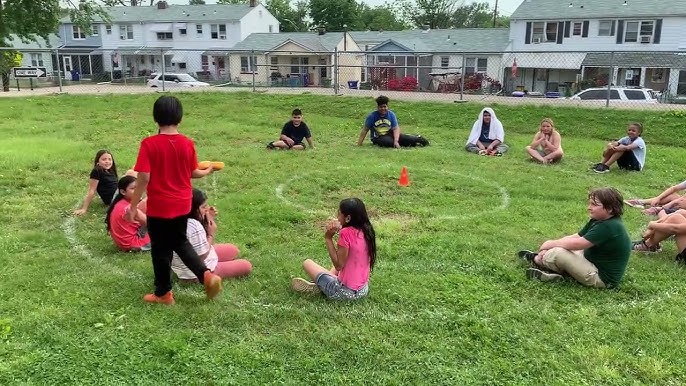
How to Do:
- Have kids sit in a circle outdoors.
- The chosen “it” player walks around the circle, dripping small amounts of water onto others’ heads using a sponge or small cup.
- Instead of saying “goose,” the player yells “splash!” while pouring the remaining water on one child.
- The “splash” player then chases the first player around the circle to take their spot.
8. Water Xylophone
This simple science and music activity allows kids to explore sound waves, vibrations, and pitch using water-filled glasses. It’s a perfect combination of creativity and sensory learning.

How to Do:
- Fill several glass jars or bottles with varying levels of water.
- Have kids gently tap them with a spoon to hear different pitches.
- Encourage them to arrange the glasses in order from low to high pitch.
- Let kids create their own simple songs and experiment with different water levels.Explore the magic of sound with this hands-on water xylophone experiment!
9. Bubble Wrap Stomp Painting
Bubble wrap stomp painting combines water play with creative expression. This activity engages kids in sensory exploration, fine motor skills, and artistic expression in a unique and fun way.

How to Do:
- Tape large sheets of bubble wrap to the ground outside.
- Fill shallow trays with water-based paint and let kids dip their feet in the colors.
- Have them walk, dance, or stomp across the bubble wrap to create unique patterns.
- Discuss how textures and pressure affect the painting outcome.
10. Magic Water Writing
Magic Water Writing is a mess-free and reusable activity that lets kids explore writing, drawing, and water evaporation. It’s perfect for practicing letters, numbers, or creative storytelling.

How to Do:
- Give kids paintbrushes or water pens and let them “write” on dark-colored construction paper, chalkboards, or concrete.
- Watch as their drawings disappear as the water dries.
- Discuss the science behind evaporation and encourage kids to predict how long their artwork will last.
- Try different surfaces and materials to see how water interacts with them.
FAQs
1. How to make water activities fun for kids?
Add the following interactive elements to make water activities for kids more exciting:
- Add challenges or friendly competitions to keep them engaged.
- Incorporate storytelling elements—turn a simple water game into an exciting pirate adventure or underwater exploration.
- Use music, themed props, or colorful accessories to create an immersive experience that sparks their imagination.
2. How to make homemade water activities for kids?
You don’t need expensive toys to set up engaging water activities—simple household items can do the trick:
- Repurpose common household items like sponges, cups, and balloons to design fun and inexpensive water games.
- Use food coloring or natural dyes to make water play more visually stimulating and exciting.
- Opt for eco-friendly options by collecting rainwater or using recycled materials for play, teaching kids sustainability while having fun.
Final Thoughts
Water activities for kids provide endless opportunities for interactive learning, making lessons more dynamic and engaging. Whether you are using them for STEM exploration, sensory play, or teamwork challenges, these activities can spark curiosity and enhance student participation. With the right planning and safety measures, water play becomes a valuable teaching tool that supports both fun and educational growth. Try these activities today and bring hands-on learning to life in your classroom!


