




















Finding the right teaching tips for teachers is a career-long journey that evolves with every new class of students we meet. After decades in the classroom, I’ve learned that success isn’t just about the curriculum; it’s about the atmosphere you cultivate. These tips for teachers are practical instructional strategies that help educators build a structured, respectful, and high-engagement learning environment. The tips refer to establishing clear routines, modeling positive behavior, and using interactive tools designed for students.
35+ teaching tips for teachers
In a classroom setting, these strategies work best when they focus on building trust. According to the National Education Association (NEA), meaningful connections with students are the foundation of all successful learning.
In this section, I have compiled over 35 actionable strategies that range from subtle behavioral shifts to high-energy instructional techniques. These teaching tips are designed to be implemented immediately, helping you foster a more dynamic, respectful, and efficient learning environment for every student.
1. The two-minute rule

Spend two minutes for ten consecutive days talking to your most “difficult” student about anything except school. Research shared by Edutopia suggests that a simple positive greeting can increase student engagement by up to 20% throughout the lesson.
This small investment of time builds a bridge of trust that makes academic redirection much easier later on. You’ll be surprised how quickly their classroom behavior improves when they feel seen as a person.
2. Greet at the door

Stand at the entrance of your classroom and greet every student by name as they walk in. This simple act allows you to “scan” their emotional state before the lesson even begins. It sets a welcoming tone and establishes your presence as a supportive leader from the very first second.
Learning names fast demonstrates respect and value for every individual in the room. A common mistake teachers make is mispronouncing names—address this by taking advantages of Worksheetzone’s Name Tracing Generator for Naming Practice.
3. Use interest surveys

At the start of every semester, ask students about their hobbies, favorite music, and career goals. I use this data to tailor my analogies and word problems so the content feels personally relevant to them. When students see their interests reflected in the curriculum, their engagement levels skyrocket.
4. Learn names fast
Use seating charts or name tags for the first week until you have every name memorized. Calling a student by their name is the quickest way to establish rapport and maintain accountability. It signals that they are an essential, recognized member of your learning community.
5. Celebrate mistakes
Intentionally make a small mistake on the board and let the students catch you. Model how to react with grace and curiosity rather than frustration or shame. This builds a “growth mindset” culture where students feel safe taking the academic risks necessary for true learning.
6. Share your human side

Tell your students appropriate stories about your own hobbies or your struggles when you were their age. When they see you as a real person rather than a grading machine, they are more likely to respect your boundaries. Vulnerability, when used strategically, is a powerful tool for classroom cohesion.
7. Consistency over intensity
It is far better to be calmly consistent with your rules than to be sporadically strict. Students thrive when they know exactly where the boundaries are and what the consequences will be. Predictability reduces student anxiety and prevents many power struggles before they start.
8. The power of proximity
If a student is off-task, simply walk over and stand near their desk while continuing your lesson. Most of the time, your physical presence is enough to redirect them without you having to say a word. This keeps the flow of the lesson intact and avoids embarrassing the student.
9. Use non-verbal cues
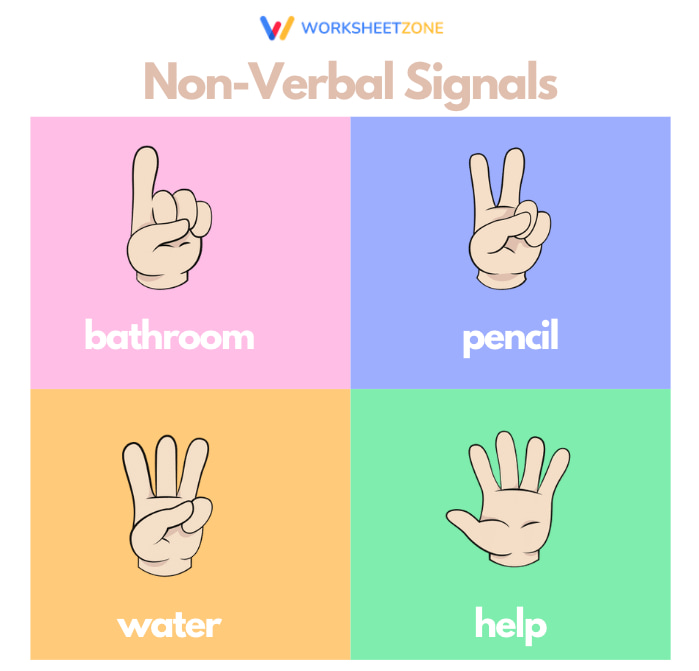
Develop a library of hand signals for common needs like going to the restroom or sharpening a pencil. This prevents the “hand-raising” interruptions that can derail a deep class discussion. It allows you to give a simple nod or shake of the head while you keep teaching.
10. Co-create community agreements
Instead of handing out a list of “Rules,” spend time during the first week letting students propose how the class should function. When they have a hand in creating the expectations, they feel a sense of ownership. They are much more likely to hold themselves and each other accountable.
11. Use positive phrasing
Instead of saying “Don’t talk,” try saying “Please save your thoughts for the breakout session.” Focusing on what you want them to do, rather than what you want them to stop, creates a more constructive atmosphere. It shifts the energy from policing to guiding.
12. Establish transitional routines

Create a specific “bell-ringer” activity that students start the moment they sit down. This gives you five minutes to take attendance and handle administrative tasks while the students are immediately engaged in work. A smooth start usually leads to a smooth middle and end.
13. The “wait time” strategy
After asking a question, wait at least 5 to 7 seconds before calling on anyone. This gives the “internal processors” in your room a chance to formulate an answer. You will find that the quality and diversity of responses increase significantly when you stop the “first to raise their hand” race.
14. Scaffold complex tasks
Never hand out a massive project without breaking it into “bite-sized” checkpoints. I provide templates and rubrics for each stage so students don’t feel overwhelmed by the end goal. Scaffolding ensures that all students, regardless of their starting point, have a path to success.
15. Utilize Bloom’s Taxonomy
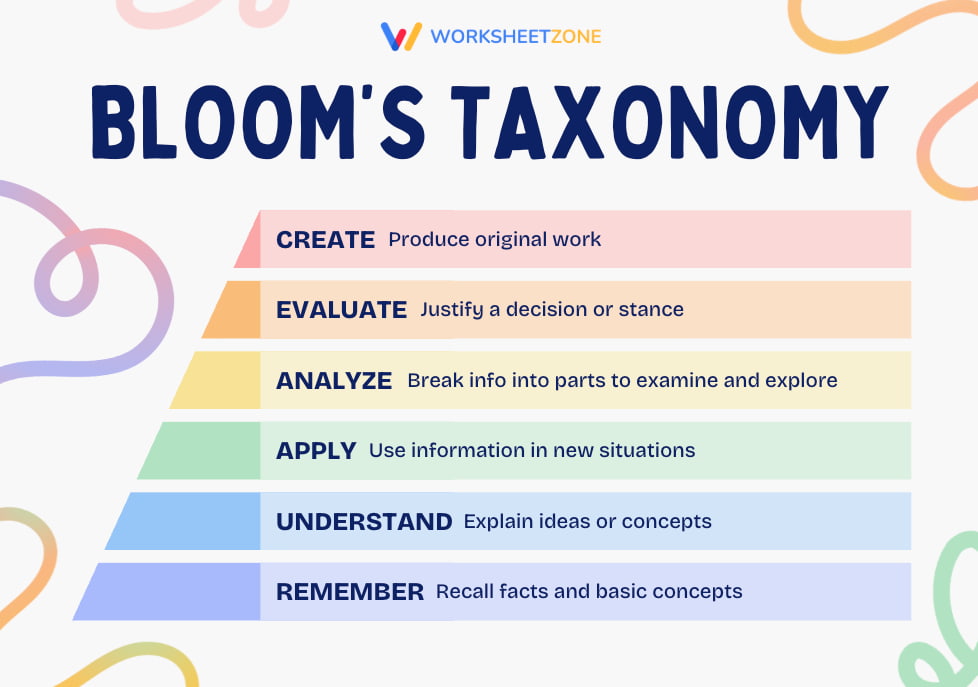
Move beyond simple rote memorization by challenging students to analyze, evaluate, and create. I often ask “Why?” or “What if?” to push them toward higher-order thinking skills. This helps students internalize the material rather than just memorizing it for a Friday test.
16. Implement choice boards
Give students three or four different ways to demonstrate their understanding of a topic. One student might write an essay, while another creates a podcast or a visual infographic. Autonomy is a massive motivator that allows students to play to their individual strengths.
17. Try think-pair-share
Before asking for a whole-class response, give students 30 seconds to talk to their neighbor. This “low-stakes” practice allows them to test their ideas in a safe environment. It significantly increases the confidence of your quieter students during the final discussion.
18. Gamify the review

Use tools like Kahoot or Worksheetzone to turn test prep into a friendly competition. Gamification taps into the brain’s dopamine system and makes repetitive practice feel like play. Just ensure the focus remains on the learning objectives rather than just the leaderboard.
I personally love using the Live Game feature on Worksheetzone. It turns static worksheets into a hilarious, high-energy interactive experience where students compete in real-time to solve problems. It’s an effective way to keep everyone involved while reinforcing the learning objectives.
19. Use graphic organizers

Provide visual frameworks like Venn diagrams or mind maps to help students organize their thoughts. These tools are lifesavers for visual learners and help clarify the relationship between complex concepts. They serve as excellent study guides once the lesson is over.
20. End with exit tickets
Spend the last three minutes of class asking students to write down one thing they learned and one question they still have. This provides you with instant formative assessment data to plan tomorrow’s lesson. It also forces students to reflect on their own learning progress.
21. Make real-world connections
Always answer the “When am I ever going to use this?” question before it is even asked. Link your lessons to current events, future careers, or daily life skills. Purpose is the greatest antidote to student apathy and disengagement.
22. Incorporate movement

If the energy in the room feels stagnant, have students stand up for a “brain break” or a “gallery walk.” Physical movement increases blood flow to the brain and helps reset focus. Even a sixty-second stretch can revive a tired classroom during a long block period.
23. Leverage AI for prep
Use generative AI tools to draft rubrics, email templates, or different reading levels of the same text. This saves you hours of administrative labor that can be redirected toward actual student interaction. It is about working smarter, not harder, in the modern era.
24. Teach digital literacy
In an age of deepfakes and misinformation, teach your students how to vet sources and verify data. We are no longer the gatekeepers of information; we are the guides who show them how to navigate it. This is perhaps the most vital skill they will take into their adult lives.
25. Flipped classroom elements

Record your direct instruction lectures so students can watch them at home at their own pace. This frees up your available in-class time for hands-on activities, labs, and personalized support. It allows you to act more as a coach than a lecturer.
26. Use interactive whiteboards
Don’t just project slides; use your digital board to annotate, drag-and-drop, and interact with the content. Active visuals help maintain student attention and make abstract concepts more tangible. Whenever possible, let the students come up and manipulate the digital elements themselves.
27. Virtual field trips

Use technology to “visit” the Louvre or the Great Barrier Reef without leaving the classroom. These immersive experiences provide context that a textbook simply cannot match. It levels the playing field for students who may not have the means to travel.
28. Set hard boundaries
Decide on a “shut-off” time every evening when you stop checking emails and grading papers. To be a sustainable educator, you must have a life outside of the four walls of your school. Your students deserve a teacher who is well-rested and mentally present.
29. Find your tribe
Connect with a few positive, like-minded colleagues who focus on solutions rather than just complaining in the breakroom. Having a professional support system is essential for surviving the inevitable “tough days.” Surround yourself with people who remind you why you started teaching.
30. Reflective journaling

Take five minutes every Friday to write down what went well and what you want to improve next week. This practice turns experience into expertise by forcing you to analyze your own pedagogy. It also creates a wonderful record of your professional growth over the years.
31. Use a worksheet generator to work smarter, not longer
Not every worksheet needs to be created from scratch. A worksheet generator can help you quickly prepare practice activities that align with your lesson goals and student levels. It’s especially useful when you need to differentiate instruction without adding extra planning time.
32. The “good enough” lesson
Accept that not every single lesson plan has to be a creative masterpiece. Some days, a simple, direct lesson is exactly what the students need to master a foundational skill. Give yourself permission to be human and prioritize your peace of mind.
33. Observe your peers

If you have a free period, ask to sit in the back of a colleague’s classroom for about 20 minutes. You can learn so much by watching how other teachers handle transitions, questioning, or behavior. It is the cheapest and most effective professional development available.
34. Prioritize self-care
Whether it’s exercise, reading, or a hobby, make time for the things that recharge your soul. Teaching is an emotionally taxing job that requires constant output; you must intentionally refill your own tank. A happy teacher is almost always a more effective teacher.
35. Limit the “extra” responsibilities
It’s okay to say no to committee assignments or extra clubs if your play is already full. Focus on being excellent in your classroom first before trying to “save” the entire school. Your primary duty is to the students sitting in front of you right now.
36. Keep a “joy folder”

Save every thank-you note, drawing, or appreciative email you receive from students and parents. On the days when you feel like you aren’t making a difference, pull that folder out and read through it. It serves as a powerful reminder of the impact you truly have.
37. Stay a lifelong learner
Attend workshops, read new educational research, and stay curious about your subject matter. When you are genuinely excited about learning, that enthusiasm is contagious. Your students will pick up on your passion and mirror it in their own work.
Frequently Asked Questions (FAQs)
How do I handle a “difficult” class?
For challenging cohorts, I recommend focusing on the “relationship-first” approach. Spend the first 10 minutes of every day on a non-academic check-in. Building a sense of community is the only way to create a lasting shift in classroom behavior.
Can these tips be used for remote teaching?
Absolutely. All these strategies—especially “Positive Phrasing” and “Active Involvement”—are essential for virtual classrooms. Use the online teaching tools to maintain high engagement even through a screen. Consistency in your digital routines is just as important as in-person consistency.
What is the most common teaching mistake?
A common mistake is being too reactive. Instead of waiting for things to go wrong, focus on “Proactive Management” by planning for potential friction points in your lesson. Using Worksheetzone Lesson Planning Tool and structured routines helps you visualize your day and identify where students might need extra support.
Final thoughts
Implementing these teaching tips for teachers won’t change your classroom overnight, but consistent application creates a foundation of trust and efficiency. Teaching is an exhausting yet exhilarating marathon, and the most successful educators are those who prioritize their own growth alongside their students’. As you move forward into the next school year, remember that your presence and passion are the most valuable tools in your arsenal. Stay patient with yourself, remain curious about your craft, and keep building those life-changing connections with your kids.


