Math isn’t just about numbers—it’s about discovery and wonder! These math activities for kindergarteners transform essential concepts like counting, sorting, shapes, and patterns into joyful learning adventures. Perfect for classroom or home use, each activity is designed with teachers in mind—blending purposeful play, hands-on exploration, and age-appropriate challenges to nurture curiosity, build confidence, and lay a strong foundation in early math skills. Let’s dive in!
10 Engaging Math Activities for Kindergarteners
Incorporating a variety of math activities can cater to different learning styles and keep students engaged. Below is a curated list of 10+ activities, each designed to reinforce key math concepts in an enjoyable manner.
1. Number Hide and Seek

If your students love moving around, they’ll be thrilled by this energetic twist on a classic game. Number Hide and Seek turns the classroom into a math adventure as kids search high and low for hidden numbers. It sharpens number recognition and ordering skills while keeping little ones active.
Materials:
- Number cards (1–20)
- Tape
How to Do:
- Hide number cards around the classroom.
- Have students find and identify each number.
- Encourage them to place the numbers in order on a board or wall.
2. Shape Scavenger Hunt

Download this printable Shape Scavenger Hunt worksheet for your kids!
Kids love scavenger hunts—and this one helps them explore shapes in their environment. From classroom furniture to everyday objects, students identify and classify shapes, improving their spatial reasoning and geometry vocabulary.
Materials:
- Shape checklist
- Clipboards and pencils
How to Do:
- Provide students with a checklist of shapes.
- Have them find and record objects matching each shape around the classroom or school.
3. Pattern Party
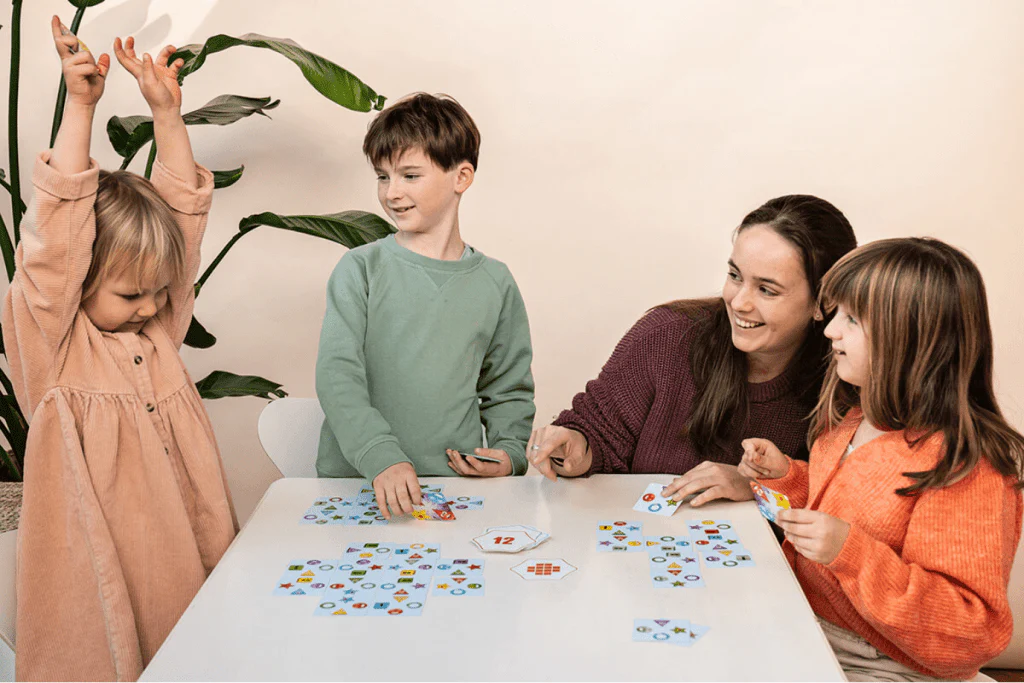
Invite your class to a colorful celebration of patterns! With beads, blocks, or even stickers, kids will explore the world of sequencing, developing essential logic and math reasoning in a festive, hands-on way.
Materials:
- Colored beads or blocks
- String or mats
How to Do:
- Demonstrate simple patterns (e.g., red-blue-red-blue).
- Encourage students to replicate and create their own patterns.
4. Measurement Walk

Turn a simple walk into a math lesson! In a Measurement Walk, kids explore length and comparison by measuring objects inside or outside the classroom. It’s a great way to teach units of measurement and estimation.
Materials:
- Measuring tapes or rulers
- Recording sheets
How to Do:
- Take a walk around the school or playground.
- Have students measure various objects and record their lengths.
5. Counting on Fingers
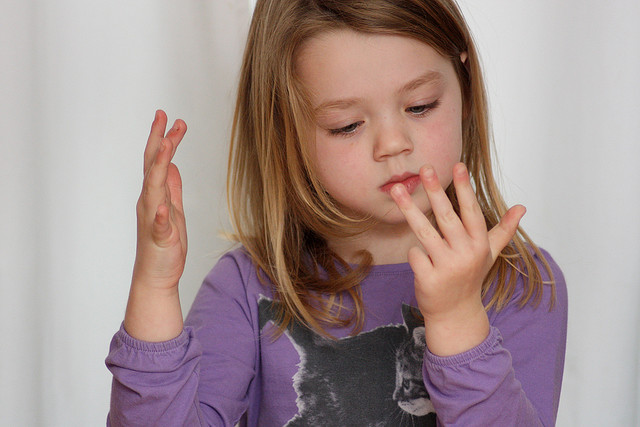
Fingers are the original counting tool! This activity helps reinforce one-to-one correspondence and number sense as kids use their fingers to visualize and perform simple addition problems.
How to Do:
- Practice counting from 1 to 10 using fingers.
- Introduce simple addition by combining fingers from both hands.
6. Roll and Color

Use this Roll and Color worksheet to help your kids practice numbers!
Make number recognition and coloring extra fun with this Roll and Color game! Perfect for practicing counting, turn-taking, and fine motor skills.
Materials:
- Dice
- Coloring sheets
- Crayons or markers
How to Do:
- Roll the dice!
- Look at the number and find the matching row.
- Color one picture in that row.
- Keep rolling and coloring until all the doodles are bright and beautiful!
7. Build 3D Shapes

Let your students become little architects! Building 3D shapes with toothpicks and marshmallows gives children a tactile understanding of geometric solids and their properties.
Materials:
- Toothpicks
- Marshmallows or clay
How to Do:
- Demonstrate building simple 3D shapes like cubes and pyramids.
- Guide students to create their own shapes using the materials.
8. Number Line Hop

Get kids hopping and counting at the same time! This kinesthetic activity supports number sequencing and basic arithmetic as students physically jump along a number line.
Materials:
- Number line mat or taped numbers on the floor
How to Do:
- Call out a number; students hop to it.
- Pose simple math problems, and students hop to the answer.
Image Title Suggestion: number-line-hop
9. Math Story Time

Books can bring math to life! Math Story Time uses stories with built-in counting or problem-solving themes to reinforce concepts like sequencing, counting, and shapes.
Materials:
- Books that incorporate math concepts
How to Do:
- Read stories that involve counting, shapes, or patterns.
- Discuss the math elements within the story.
10. Number Bingo

Download this Number Bingo worksheet to make math fun and engaging!
A lively game to reinforce number recognition 1–20. Encourages listening skills, quick thinking, and peer interaction.
Materials:
- Bingo cards
- Counters
- Caller cards.
How to Do:
- Call out numbers or show dot cards.
- Students cover matches on their boards.
- Celebrate “Bingo!” wins with high-fives.
Why is Math Important for Kindergarteners?
Early math skills lay the groundwork for logical thinking, problem-solving, and academic success. Kindergarten math helps students:
- Develop number sense (counting, quantity recognition).
- Understand shapes and patterns to improve spatial awareness.
- Build confidence through hands-on exploration.
- Connect math to real life (measuring ingredients, sharing toys).
FAQs
1. How to teach basic math to kindergarteners?
At this stage, teaching math should be less about memorization and more about exploration and understanding.
Try these approaches to build strong math foundations:
- Use manipulatives: Tools like counting bears, number blocks, or beads help young children visualize math concepts like counting, adding, and comparing.
- Incorporate movement: Turn math into an active experience with counting songs, hopscotch number games, or jumping to the correct answer.
- Relate math to real life: Talk about numbers during snack time (e.g., “You have 3 crackers, if I give you 2 more, how many?”) or while setting the table.
- Repeat through routine: Reinforce concepts during daily routines like lining up, calendar time, or even during clean-up.
- Use visuals and storybooks: Picture books that include number concepts or patterns help reinforce math vocabulary and ideas.
2. How to make math fun in kindergarten?
Kindergarteners thrive on play, discovery, and creativity—so the key to making math fun is blending learning with joy. Here’s how to spark excitement for math:
- Turn lessons into games: Use board games, card games, or digital apps that reinforce math skills while keeping kids engaged.
- Get artsy: Combine math and art with activities like shape collages, pattern bracelets, or number mosaics.
- Include themed activities: Align math with seasons, holidays, or classroom themes (e.g., counting pumpkins in fall or measuring hearts for Valentine’s Day).
- Add friendly competition: Use team-based math challenges, scavenger hunts, or “math relay” races to build excitement.
- Celebrate progress: Use sticker charts, math journals, or shout-outs to highlight milestones and build confidence.
Final thoughts
Math activities for kindergartners lay the foundation for a lifetime of learning by making numbers fun, engaging, and hands-on. Whether it’s counting with blocks, exploring shapes, or playing interactive games, these early experiences help children build confidence and curiosity in math. To keep the learning going at home or in the classroom, check out the free kindergarten math worksheets at Worksheetzone. With a wide range of playful and educational printables, you’ll find the perfect tools to reinforce key math skills in a fun and meaningful way. Start exploring today and make math time a favorite part of the day!