




















Martin Luther King’s activities help students easily understand important values such as equality, justice, and nonviolence from the Civil Rights Movement. Through creative projects and hands-on learning, students actively explore Dr. King’s life, speeches, and lasting impact. In this article, let’s discover 30+ creative Martin Luther King activities for all ages, complete with clear instructions on materials needed and step-by-step guidance.
30+ Martin Luther King activities
1. Create poems of peace

Materials needed:
- Paper or poster board
- Pencils for drafting poems
- Markers, crayons, or watercolor paints for illustration
How to do:
Students write an acrostic poem using the name “Martin Luther King Jr.”, with each line reflecting his values and impact. They then choose a meaningful quote from him and create a painting or drawing that visually expresses ideas of peace and justice.
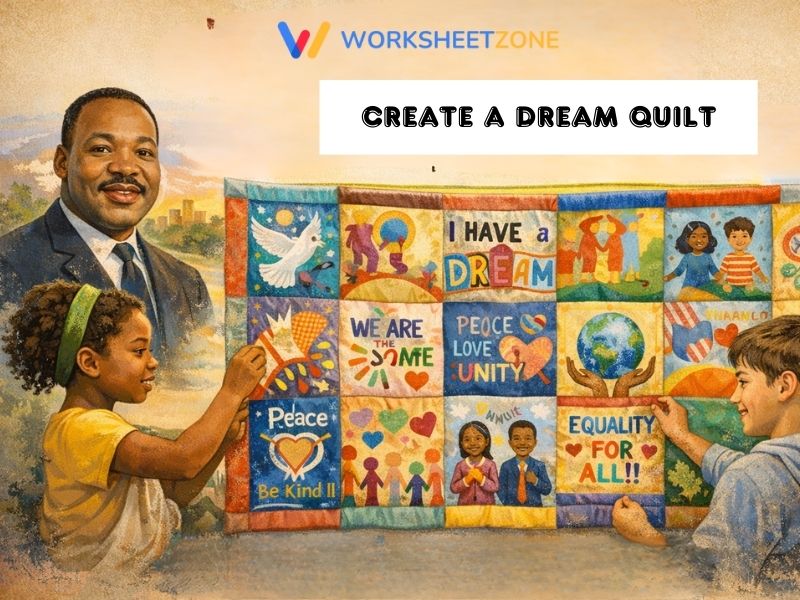
2. Create a dream quilt
Materials needed:
- Fabric squares, paper, or felt
- Markers, crayons, or fabric pens
- Scissors and glue or tape
How to do:
Each student designs a square inspired by Martin Luther King Jr.’s “I Have a Dream” speech, illustrating their own dreams, hopes, or messages of equality. Once completed, the class works together to assemble all the squares into one large quilt, creating a shared artwork that represents unity, diversity, and collective dreams.
3. Write a letter to Dr King

Materials needed:
- Writing paper or stationery
- Pens or pencils
- Envelopes
How to do:
Begin by reflecting on the life, values, and impact of Dr Martin Luther King Jr. They then write letters addressed to him, expressing appreciation for his sacrifices, asking questions about justice and equality, or sharing their own dreams. After completing the letters, students may revise their writing, read their letters aloud, or display them in the classroom to encourage discussion.
4. Sketch a creative idea
Materials needed:
- Paper or invention worksheet templates
- Pencils and erasers
- Markers or colored pencils for design sketches
How to do:
Students work together to brainstorm and design an original invention that could help Dr Martin Luther King Jr. spread his message of civil rights, equality, and peace. Imagine creative ideas such as a peace-spreading machine, an equality robot, or a mobile unity truck, then sketch their invention and describe how it works and why it supports justice.
5. Collect quotes
Materials needed:
- Paper or cardstock
- Markers, crayons, or colored pencils
- Printed or written quotes by Martin Luther King Jr.
- Scissors and glue or tape
How to do:
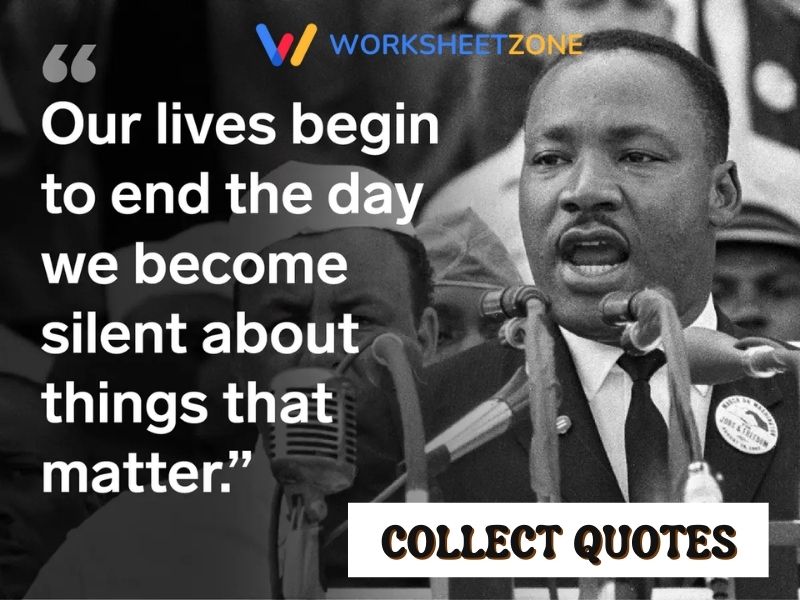
Students select a meaningful quote by Dr Martin Luther King Jr. and create an illustration that visually represents its message. Once the artwork is complete, the class pieces all the individual drawings together to form a large mosaic of Dr King’s face, symbolizing how many voices and ideas come together to create unity, justice, and lasting impact.
6. Create an MLK timeline parade
Materials needed:
- Cardboard, paper, or recycled materials
- Craft sticks, string, or small boxes for building parade floats
- Markers, paint, or decorative supplies
- Tape or glue
How to do:
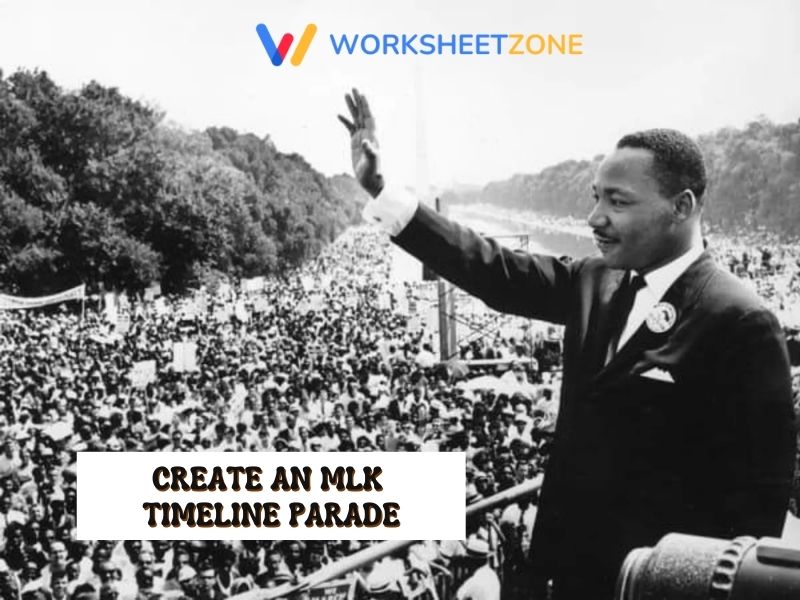
Students create small parade floats or mobile models that represent key events in the life of Dr Martin Luther King Jr., such as important speeches, marches, or milestones in the civil rights movement. Once finished, the class either parades the floats around the school or displays them in a designated area while students walk through and explain each event.
7. Create a diamante dream poem
Materials needed:
- Paper or poetry worksheets
- Pens or pencils
- Reference notes about Dr Martin Luther King Jr. (optional)
How to do:
Students write a diamante poem about Dr Martin Luther King Jr., using carefully chosen words to capture the essence of his life, values, and dreams. By following the diamond-shaped poem structure, students express powerful ideas about justice, hope, and equality in a concise and creative way.
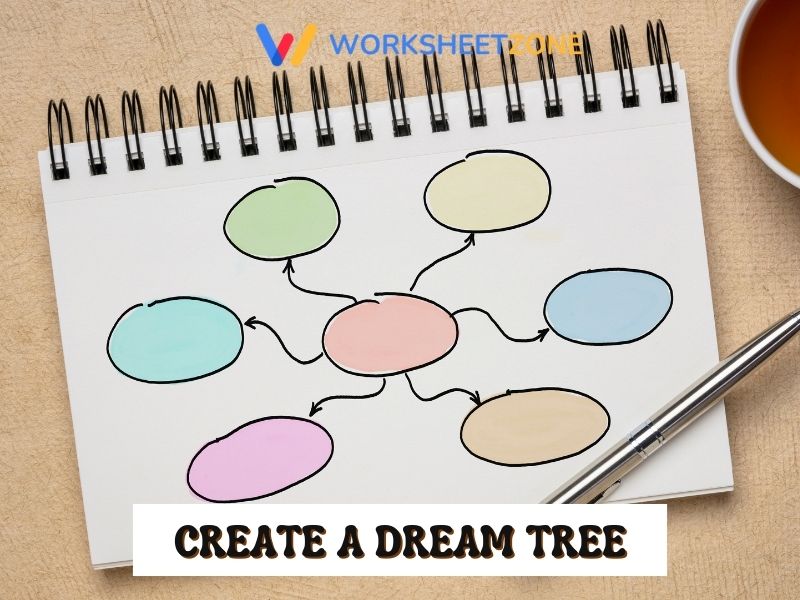
8. Create a dream tree
Materials needed:
- Construction paper or cardstock
- Scissors and markers
- A large poster board or wall space for the tree display
- Tape or glue
How to do:
The class creates a large tree displayed in the classroom, and each student designs a paper leaf that represents their dream for a better world, inspired by Dr King’s vision. Students write or draw their dreams on the leaves and attach them to the tree, creating a shared symbol of hope, unity, and positive change.
9. Explore MLK: then and now

Materials needed:
- Paper or drawing sheets
- Pens, pencils, or coloring supplies
How to do:
Students write or illustrate how a day in the life of Dr Martin Luther King Jr. might look different today, considering modern technology, transportation, communication, and social activism. This activity encourages students to compare past and present while reflecting on how Dr King’s mission would continue in the modern world.
10. Create a peace promise and class Nobel prize

Materials needed:
- Research materials about the Nobel Peace Prize
- Paper or worksheets
- Pens or markers
How to do:
Students research Dr Martin Luther King Jr.’s 1964 Nobel Peace Prize and learn about other Nobel Peace Prize winners. As a class, they create a shared peace promise that reflects Dr King’s values. Students then nominate classmates who demonstrate kindness, leadership, or fairness to receive a class-created peace award.
11. Build MLK’s family tree
Materials needed:
- Poster paper or chart paper
- Markers or colored pencils
- Research notes or biographies about Dr King’s family
How to do:
Students create a family tree for Dr Martin Luther King Jr. and research key family members who influenced his life and work. They organize the information visually and explain how these individuals helped shape Dr King’s values, leadership, and commitment to justice.
12. Create an MLK puzzle challenge
Materials needed:
- Cardboard or thick paper
- Printed images, quotes, or key events from Dr Martin Luther King Jr.’s life
- Scissors and markers
- Chalk (optional, for outdoor puzzles)
How to do:
Students create or solve a puzzle that features important events and meaningful quotes from the life of Dr Martin Luther King Jr. For added excitement, teachers may allow students to design a large outdoor puzzle using chalk, encouraging collaboration and active learning while reinforcing key ideas about Dr King’s legacy.
13. Design an “I Have a Dream” t-shirt

Materials needed:
- Blue paper or cardstock
- Paper T-shirt templates
- Markers, crayons, or colored pencils
How to do:
Students design a paper T-shirt inspired by the phrase “I Have a Dream”, decorating it with images or quotes that honor Dr Martin Luther King Jr. and reflect his message of hope, equality, and justice. Finished designs can be displayed to celebrate creativity and shared values.
14. Make a “Dream Friendship” bracelet
Materials needed:
- String or elastic cord
- Beads and letter beads
- Scissors
How to do:
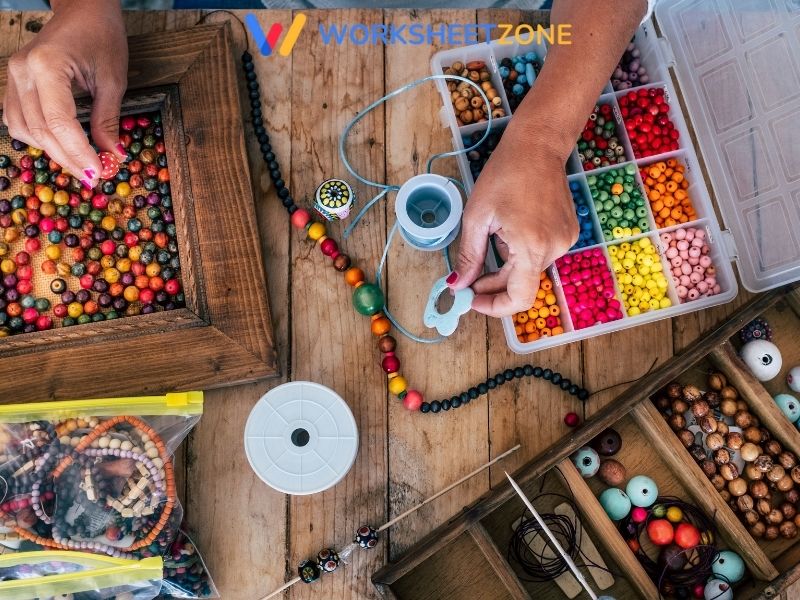
Students create bracelets using beads and letter charms to spell out their own dreams or positive, encouraging words. They may keep the bracelet as a personal reminder or give it to a friend or classmate as a symbol of kindness, friendship, and unity inspired by Dr King’s vision.
15. Host a “King’s Table” interview
Materials needed:
- Research materials about key figures in Dr King’s life
- Paper or note cards
- Pens or pencils
How to do:
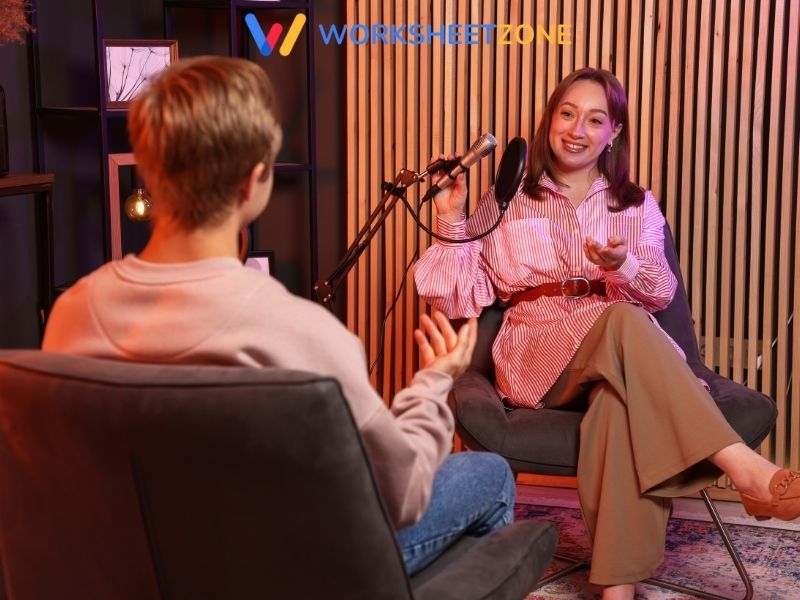
Students research important people in Dr King’s life (such as his parents, teachers, wife Coretta Scott King, and fellow activists), then role-play a dinner table conversation. During the activity, they share personal stories, ideas, and quotes, bringing historical perspectives to life through dialogue and collaboration.
16. Create an MLK comic strip
Materials needed:
- Blank comic strip templates or paper
- Pencils, markers, or colored pencils
How to do:
Students illustrate a comic strip that tells a real moment from Dr Martin Luther King Jr.’s life or imagines a conversation between Dr King and a modern-day child. Through visual storytelling, students explore his values, voice, and lasting influence in a creative and accessible way.
17. Design “The Road to Peace” board game

Materials needed:
- Poster board or cardboard
- Markers, pens, or colored pencils
- Game pieces, dice, or small objects
- Question cards or trivia prompts
How to do:
Students design a board game in which players move forward by answering trivia questions or making peaceful, ethical choices inspired by Dr Martin Luther King Jr.’s values. As they play, students reinforce their understanding of justice, nonviolence, and leadership through interactive decision-making.
18. Perform a “Voice of Justice” song or rap

Materials needed:
- Paper or notebooks for writing lyrics
- Pens or pencils
- Music or rhythm instruments (optional)
How to do:
Students write original song lyrics or rap verses about the life and legacy of Dr Martin Luther King Jr. They then perform their pieces for the class, using music and rhythm to express ideas about equality, courage, and social change.
18. Compare “The Cost of Justice”: then and now

Materials needed:
- Research materials or data sources
- Paper or worksheets
- Calculators (optional)
How to do:
Students research the cost of everyday necessities and transportation during the 1950s-1960s and compare them with present-day prices. By analyzing these differences, students gain insight into the historical and economic context of the civil rights era.
19. Plan an MLK civil rights tour
Materials needed:
- Maps or digital mapping tools
- Research materials about MLK-related historical sites
- Paper or presentation tools
How to do:
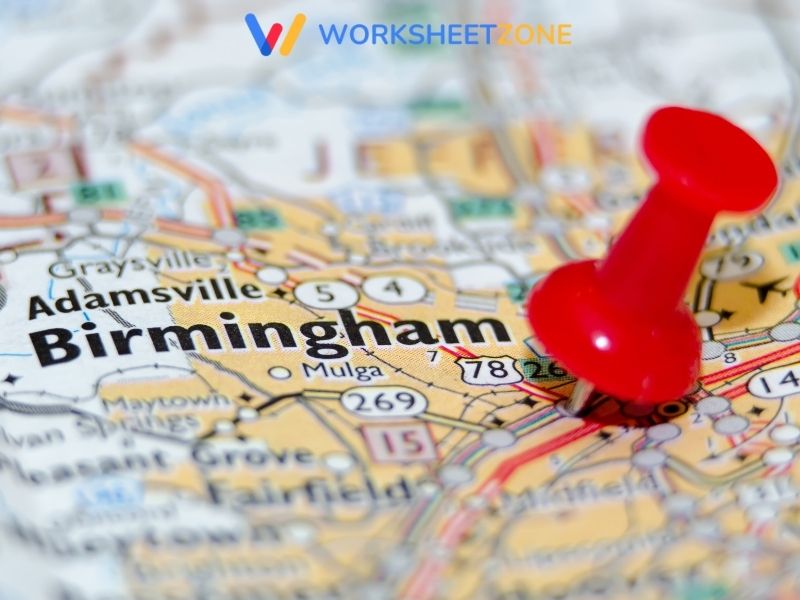
Students plan a virtual or imagined tour of important locations in Dr Martin Luther King Jr.’s life, such as Ebenezer Baptist Church, Selma, and the Birmingham Jail. They research each site and explain its significance, creating an educational journey through the civil rights movement.
Recommendation: To provide a well-rounded view of the era, teachers can pair lessons on MLK with materials focusing on Jackie Robinson’s impact on Civil Rights in the world of professional sports.
20. Create “Breaking News!” MLK headlines

Materials needed:
- Copies of real news articles about Dr Martin Luther King Jr.
- Paper or worksheets
- Pens or pencils
How to do:
Students read and summarize real articles about Dr Martin Luther King Jr. by using the 5W method: who, what, when, where, and why. They then create clear and engaging news-style headlines that capture the key message and historical importance of each event.
21. Explore the meaning behind a name

Materials needed:
- Paper or presentation tools
- Pens or pencils
How to do:
Students research why Dr Martin Luther King Jr.’s name was changed and explore the story and meaning behind it. They then reflect on or present the meaning, origin, or story behind their own names, helping them make personal connections to identity and history.
22. Reflect on the “I Have a Dream” video

Materials needed:
- Video of Dr Martin Luther King Jr.’s “I Have a Dream” speech
- Reflection worksheets or notebooks
- Pens or pencils
How to do:
Students watch the “I Have a Dream” speech and complete a reflection activity that focuses on its meaning, emotional impact, and historical significance. Through written responses and discussion, students deepen their understanding of Dr King’s message and its lasting influence.
23. Analyze words that changed the world
Materials needed:
- Copies of “I Have a Dream” and “Letter from Birmingham Jail”
- Highlighters or annotation tools
- Paper or comparison worksheets
How to do:
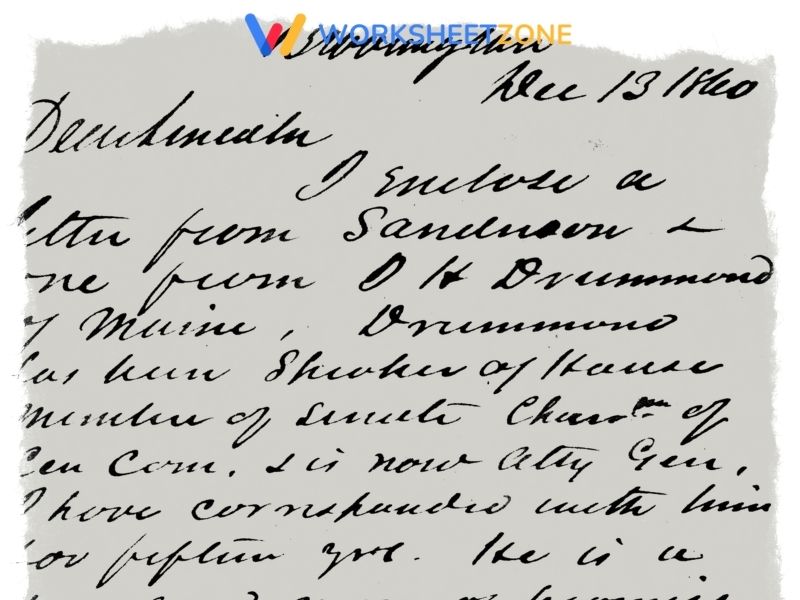
Students analyze and compare Dr Martin Luther King Jr.’s “I Have a Dream” speech and “Letter from Birmingham Jail.” They examine tone, purpose, audience, and historical impact, then discuss how each text helped shape the Civil Rights Movement in different yet powerful ways.
24. Produce an MLK radio program

Materials needed:
- Paper for scriptwriting
- Recording devices or audio apps
- Background music or sound effects (optional)
How to do:
Students write scripts and record a fictional 1960s-style radio broadcast reporting on a march, award, or recent speech by Dr Martin Luther King Jr. They include interviews, news updates, and period-style advertisements to bring the historical moment to life.
25. Create an MLK soundtrack
Materials needed:
- Access to music from the Civil Rights era
- Devices for listening to music
- Paper or digital tools for playlists
How to do:
Students explore music from the Civil Rights Movement and create themed playlists that reflect Dr King’s message of freedom and justice. They may also include modern songs or create their own song titles, explaining how each selection connects to MLK’s ideals.
26. Write an MLK children’s storybook

Materials needed:
- Paper or blank booklets
- Art supplies for illustrations
- Pens, pencils, or markers
How to do:
Older students create illustrated children’s books about the life of Dr Martin Luther King Jr., using simple language and visuals. They then read their books aloud to younger students, helping make Dr King’s story accessible, meaningful, and inspiring for all ages.
27. Deliver “My Dream” speeches

Materials needed:
- Paper or speech-writing templates
- Pens or pencils
- Optional presentation tools (microphone, podium, slides)
How to do:
Students write and deliver their own “dream speeches,” inspired by Dr Martin Luther King Jr.’s vision, structure, and powerful speaking style. They focus on a cause they care about and use persuasive language to express hopes for a better future.
28. Compare leaders in light and shadow

Materials needed:
- Research materials about civil rights leaders
- Venn diagrams, charts, or presentation tools
- Paper, pens, or digital tools
How to do:
Students research Dr Martin Luther King Jr. alongside other civil rights leaders or opponents and compare their beliefs, strategies, and impact. Using visual organizers or presentations, students analyze similarities and differences to better understand leadership during the Civil Rights Movement.
29. Explore MLK around the world

Materials needed:
- Foreign language worksheets (Spanish, French, or Mandarin)
- Vocabulary lists and reading materials about MLK’s global influence
- Pens, pencils, or digital tools
How to do:
Students complete foreign language activities using vocabulary and short texts about Dr Martin Luther King Jr.’s global impact. Through reading, writing, or simple translations, students learn how Dr King’s message of justice and equality reached audiences beyond the United States.
30. Plan a “March for Change” event

Materials needed:
- Planning worksheets or notebooks
- Budget templates
- Research materials on permits and event logistics
How to do:
Students plan a peaceful community march inspired by Dr King’s principles. They consider budgeting, logistics, permits, routes, and messaging, learning how nonviolent activism requires careful organization and clear communication.
31. Debate for the dream

Materials needed:
- Debate prompts or guiding questions
- Research materials about the Civil Rights Movement
- Note cards or debate organizers
How to do:
Students participate in a structured debate discussing whether Dr King’s nonviolent movement was the most effective approach or whether he was the most influential leader of the Civil Rights era. Students support their arguments with evidence and respectful dialogue.
32. Map Martin’s legacy

Materials needed:
- Maps or digital mapping tools
- Research materials about MLK-related locations
- Paper or presentation tools
How to do:
Students create physical or digital maps highlighting historical places Dr Martin Luther King Jr. visited, as well as sites that honor his legacy today. By mapping these locations, students visualize the geographic reach of his life and lasting influence.
FAQs
1. What activities did Martin Luther King Jr. do?
Martin Luther King Jr. led and participated in peaceful protests, marches, and boycotts to fight racial injustice and segregation. He delivered powerful speeches such as “I Have a Dream,” organized nonviolent campaigns like the Montgomery Bus Boycott, and worked closely with civil rights leaders to promote equality, justice, and voting rights through nonviolent action.
2. What can I do for Martin Luther King Day?
You can honor Martin Luther King Day by taking part in community service, volunteering, or supporting causes that promote equality and social justice. Many people also read or watch Dr King’s speeches, reflect on his message, donate to local charities, or participate in peaceful events that encourage kindness and unity.
3. How to celebrate MLK Day at school?
Schools can celebrate MLK Day by organizing classroom discussions, creative art and writing activities, service-learning projects, and student presentations about Dr King’s life and legacy. Activities such as speeches, role-playing, debates, or community service projects help students understand the importance of equality, respect, and nonviolence.
4. Why are Martin Luther King activities important for students?
These activities are essential because they transform abstract historical concepts like justice and equality into tangible, hands-on lessons. By engaging in creative projects, students move beyond memorizing dates to understanding the emotional and ethical weight of the Civil Rights Movement. This interactive approach fosters empathy, encourages critical thinking, and helps children apply Dr. King’s principles of nonviolence to their modern social interactions.
Conclusion
The 30+ Martin Luther King’s activities above offer a wide range of meaningful and engaging ways for students of all ages to explore the life, values, and legacy of Dr Martin Luther King Jr. By participating in these Martin Luther King activities, students not only learn history but also develop empathy, critical thinking, and a sense of responsibility to create positive change in their own communities. We hope these activities will be widely used so that more students can learn about and appreciate this important legacy.
To keep your students engaged during the lesson, you can download our free Martin Luther King Jr. coloring worksheets here to combine creativity with history.


