




















Leadership isn’t just for CEOs—it starts in the classroom! Incorporating leadership skills activities for students in the classroom is a great way to transform abstract concepts into hands-on learning, empowering teachers to foster resilience, teamwork, and decision-making. That’s why we have gathered this big list of engaging activities to teach leadership for students. Designed for educators, these ideas blend creativity with real-world application to prepare students for success beyond school. Check now!
What are leadership skills?
Leadership skills refer to the abilities and qualities that help an individual guide, influence, and inspire others. These skills include communication, empathy, decision-making, problem-solving, and teamwork. For students, developing leadership helps shape their behavior both inside and outside the classroom.

Some core leadership skills for students include:
- Effective communication
- Active listening
- Responsibility and accountability
- Conflict resolution
- Critical thinking
- Collaboration
10 leadership skills activities for students
Looking for leadership activities that actually make an impact? These carefully selected exercises span different formats—from games to group projects—designed to help students practice real leadership in a hands-on way.
1. Silent Line-Up Challenge
Silence can speak volumes—especially in this team-based challenge! The Silent Line-Up activity is a fun and surprisingly effective way to help students develop leadership through creative problem-solving and non-verbal communication. It requires collaboration, patience, and strategy, all without saying a word.

Materials:
- None
How to do it:
- Assign a category (e.g., birthdays).
- Students must line up in order without talking.
- Debrief afterward on what strategies they used.
2. Marshmallow Tower
Looking for a leadership challenge that also taps into engineering and innovation? The Marshmallow Tower challenge does just that. It’s a fantastic way to teach students how to delegate, communicate under pressure, and manage time—plus, it’s hands-on and super fun!

Materials:
- Spaghetti sticks
- Tape
- String
- Marshmallows
How to do it:
- Set a time limit (10-15 minutes).
- Groups build a tower with a marshmallow on top.
- Reflect on team roles and communication.
3. Class Council Simulation
Give your students a taste of real-world leadership through this structured simulation. The Class Council activity encourages students to step into leadership roles, debate ideas respectfully, and make decisions that affect the whole group, just like real leaders do.

Materials:
- Agenda template
- Whiteboard or digital board
How to do it:
- Assign roles: chair, secretary, members.
- Present a topic or issue to discuss.
- Facilitate a structured debate and vote.
4. Survival Scenario Challenge
Students work in teams to prioritize survival items (e.g., matches, compass) in hypothetical scenarios like a desert stranding. This activity sharpens critical thinking, consensus-building, and ethical decision-making under pressure.

Materials:
- Scenario cards, item lists, and timers.
How to do it:
- Divide students into groups of 4–5.
- Provide a survival scenario and 10–15 item options.
- Teams debate and rank items by importance.
- Present justifications and compare strategies.
5. Blindfold Obstacle Course
Trust, patience, and clear communication are the keys to success in this lively activity. The Blindfold Obstacle Course places students in a situation where they must rely on each other, giving and receiving instructions without sight. It’s a memorable way to build trust and leadership under pressure.

Materials:
- Blindfolds
- Classroom-safe obstacles
How to do it:
- Set up a course with chairs, cones, etc.
- Students pair up; one leads verbally, and one is blindfolded.
- Rotate roles.
6. Community Service Projects
What better way to lead than by making a difference? A Service Learning Project helps students identify real issues in their community and take action. Through brainstorming, planning, and teamwork, students experience the impact of leadership in the real world.

Download this Community Service Project Planning sheet for your students!
Materials:
- Planning sheets
- Community contact info
How to do it:
- Brainstorm local issues.
- Plan an outreach or service project.
- Execute and present results.
7. Team Puzzles
Puzzles are more than just games—they’re leadership tests in disguise! Team Puzzles require communication, critical thinking, and a clear team strategy. It’s a great way to see how students naturally step into leadership roles while working under a time crunch.

Materials:
- Jigsaw puzzles or logic challenges
How to do it:
- Divide into small teams.
- Assign a time limit.
- Debrief about what strategies worked.
8. One-Minute Speeches
Speaking up can be tough, but it’s a powerful leadership skill. One-Minute Speeches help students find their voice, organize their thoughts quickly, and speak with confidence. With just 60 seconds, they’ll learn how to make every word count.

Materials:
- Topic cards
- Timer
How to do it:
- Pick a card.
- Give a 60-second speech.
- Encourage peer feedback.
9. “If I Were President…”
Unleash imagination and spark civic thinking with this creative leadership prompt. In “If I Were President…”, students get to dream big, express their ideas, and envision themselves in powerful roles. It’s a fun way to build empathy and explore big-picture thinking.

Use this “If I Were President” worksheet to promote civic engagement and creative leadership visioning.
Materials:
- Paper, crayons, or digital slides
How to do it:
- Prompt students to imagine being a leader.
- They write or present their vision.
- Discuss as a group.
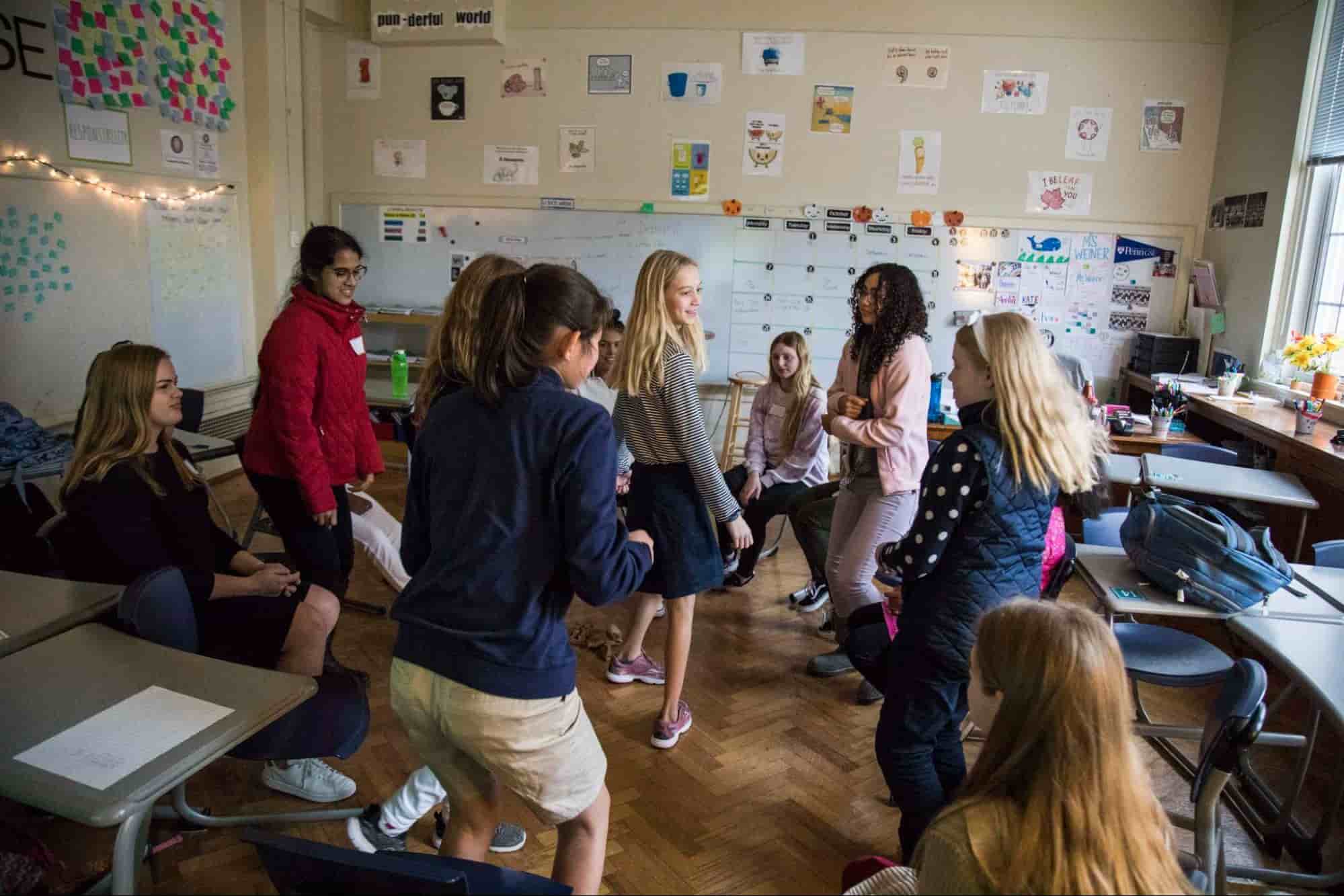
10. Peer Mentoring Circles
Students often learn best from each other. Peer Mentoring Circles give older or more experienced students the opportunity to lead, support, and connect with younger peers. It builds confidence in both mentors and mentees, while fostering a leadership culture in your classroom.
Materials:
- Meeting guidelines
- Space to gather
How to do it:
- Match mentors and mentees.
- Create structured meetings.
- Reflect after sessions.
FAQs
1. How do you teach leadership to students?
Here’s how you can effectively build leadership skills in a classroom setting:
- Incorporate leadership into daily routines: Assign classroom jobs and rotate roles to give every student a chance to lead.
- Use project-based learning: Encourage students to take initiative, make decisions, and collaborate on group tasks.
- Model leadership behaviors: Demonstrate active listening, empathy, and clear communication so students can mirror those traits.
- Reflect and discuss: Use journals or group discussions to help students process leadership experiences and challenges.
- Provide leadership opportunities: From student council roles to leading warm-up exercises, allow students to take the lead in age-appropriate ways.
2. What are the three main team leadership activities?
Some activities are especially effective at developing leadership within teams. The outstanding includes:
- Marshmallow Tower: Engineering + leadership in one.
- Blindfold Obstacle Course: Trust and verbal communication.
- Team Puzzle Challenge: Strategic collaboration under pressure.
3. Are leadership skills important for students?
Absolutely. Building leadership skills early prepares students for academic success, extracurricular involvement, and real-world challenges.
Here’s why leadership skills are essential:
- Boosts confidence: Students learn to express their ideas and take initiative.
- Enhances collaboration: Team activities foster cooperation and respect.
- Foster critical thinking through problem-solving scenarios and ethical dilemmas
- Prepares for the future: These skills are transferable to college, work, and community roles.
Final thoughts
Integrating leadership skills activities for students into your lesson plans isn’t just a bonus—it’s a game-changer. These hands-on experiences empower kids to take initiative, collaborate effectively, and build the confidence they’ll carry for life. Start small, stay consistent, and you’ll be amazed at how quickly your students step into leadership roles—both inside and outside the classroom.
Great leaders never stop learning! Encourage your students to embrace challenges and stay motivated with our Growth Mindset Activities for Students.


