




















All about me activities for preschoolers help young children explore who they are while building confidence and meaningful classroom connections. Through simple, hands-on experiences, preschoolers learn about their identity, feelings, family, and interests in a safe and engaging way. This collection of 20+ activities is designed to support social-emotional development and create an inclusive learning environment for both classroom and home use.
What are all about me activities for preschoolers?

All about me activities for preschoolers are early childhood learning experiences that help young children explore their identity in a fun and age-appropriate way. Through simple, hands-on activities, preschoolers begin to understand who they are and how they connect with the world around them.
These activities often focus on:
- Self-identity and personal characteristics
- Family and home life
- Feelings and emotional expression
- Interests, preferences, and abilities
- Physical traits such as body parts and movement
Commonly used at the beginning of the school year, all about me activities support social-emotional development and help build a positive classroom community. They can also be used throughout the year whenever children need opportunities to express themselves and build confidence.
At the preschool level, these activities are intentionally simple, visual, and interactive. Drawing, role play, movement games, crafts, and storytelling allow children to share about themselves without pressure, making learning joyful and inclusive.
20+ all about me activities for preschoolers
Below is a carefully selected collection of all about me activities for preschoolers that support identity development, emotional awareness, early literacy, math skills, and creativity. Each activity is flexible and can be adapted for classroom or home use.
1. Body tracing art
This classic activity helps children become aware of their bodies and celebrate physical differences in a positive way. It also encourages conversation about what makes each person unique.

Materials
- Large sheets of paper
- Pencils or markers
- Crayons or coloring tools
How to do
- Pair children and have one child lie on the paper while the other traces their outline.
- Let children decorate their body outline with hair, clothes, and facial features.
- Encourage simple discussion about similarities and differences.
2. Name practice and name play
Name practice helps preschoolers recognize their own name and feel a sense of ownership and identity. It supports early literacy in a familiar and meaningful way.

Materials
- Name tracing worksheets or blank paper
- Markers, crayons, or pencils
- Letter tiles or magnetic letters (optional)
How to do
- Show children their written name and say it together.
- Let them trace, copy, or build their name using letters.
- Allow extra decoration to make the name feel personal.
3. Me bags (sharing bags)
Me bags give children a chance to share personal interests with classmates. This activity builds connection and helps children practice speaking in front of a group.

Materials
- Small bags or paper bags
- Personal items from home (toys, photos, books)
How to do
- Ask children to bring a few favorite items from home.
- Sit in a circle and let each child share their bag.
- Encourage classmates to listen and ask simple questions.
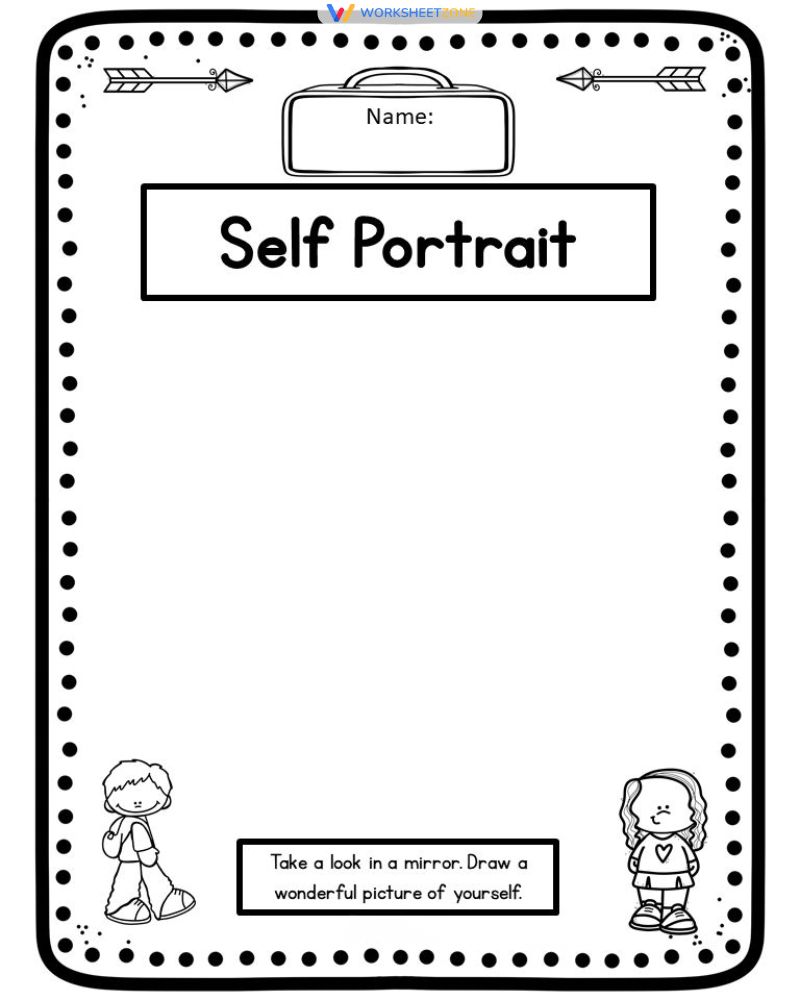
4. Self-portrait drawing
Drawing self-portraits helps children observe themselves and express identity through art. It also supports confidence and creativity.
Materials
- Paper
- Crayons, markers, or colored pencils
- Mirrors
How to do
- Invite children to look at themselves in a mirror.
- Ask them to notice features like eyes, hair, and expressions.
- Let them draw their self-portrait freely.
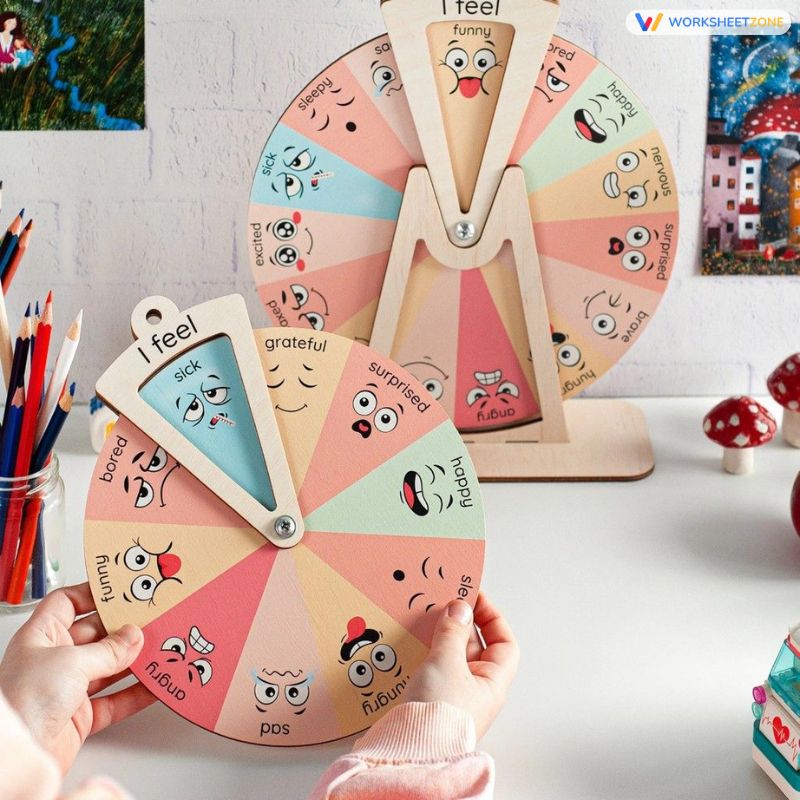
5. Feelings wheel or emotion chart
This activity helps preschoolers recognize and talk about emotions. It introduces emotional language in a simple, visual way.
Materials
- Paper plates
- Crayons or markers
- Emotion labels or pictures (optional)
How to do
- Divide a paper plate into sections.
- Assign each section an emotion and color it.
- Let children point to how they feel and talk about it.
6. My family drawing
Family drawings help children share about the people important in their lives. This activity supports understanding of different family structures.

Materials
- Paper
- Crayons or markers
How to do
- Ask children to think about their family members and pets.
- Let them draw their family on paper.
- Invite children to explain who is in their picture.
7. All about me themed books
Reading themed books reinforces positive messages about identity and belonging. Stories help children see themselves reflected and valued.

Materials: All about me themed picture books
How to do
- Read books aloud during circle time.
- Pause to ask questions and make connections to children’s lives.
- Encourage children to share thoughts or feelings about the story.
8. Handprint and footprint crafts
This craft helps children learn about their bodies while creating a keepsake. It also encourages discussion about what our bodies can do.

Materials
- Washable paint
- Paper
- Baby wipes or towels
How to do
- Help children dip their hand or foot in paint.
- Press onto paper to make prints.
- Talk about activities they can do with their hands or feet.
9. All about me math race
This movement-based game connects numbers to personal information. It makes math active, meaningful, and fun.

Materials
- Foam numbers or number cards
- Open space
How to do
- Place numbers around the room.
- Ask questions like “How old are you?”
- Children race to find the matching number.
10. All about me poster
This activity brings together many aspects of a child’s identity in one project. Posters help children feel proud of who they are.

Materials
- Poster paper or worksheets
- Crayons or markers
How to do
- Provide sections such as name, age, favorites, and a self-portrait.
- Let children complete the poster at their own pace.
- Display posters in the classroom.
11. My favorite things collage
This activity allows preschoolers to express their interests by creating a collage of things they love. It helps children feel seen and gives teachers insight into each child’s personality in a relaxed, creative way.

Materials
- Magazines or printed pictures
- Child-safe scissors
- Glue
- Construction paper
How to do
- Ask children to think about their favorite foods, toys, colors, or activities.
- Let them cut out pictures or draw their own and glue them onto paper.
- Invite children to share their collage with the class if they feel comfortable.
Recommendation: Encouraging children to talk about what they love is a fundamental part of early social development. This My Favorite Things worksheet is a perfect tool for this purpose.
12. All about me puzzle
This activity shows children that everyone is an important piece of the classroom community. Putting the puzzle together reinforces the idea of belonging and cooperation.

Materials
- Blank cardboard puzzles or paper cut into puzzle pieces
- Crayons or markers
- Photos (optional)
How to do
- Give each child a puzzle template.
- Children decorate each piece with drawings, names, or symbols about themselves.
- Mix the pieces and help children reassemble their puzzles.
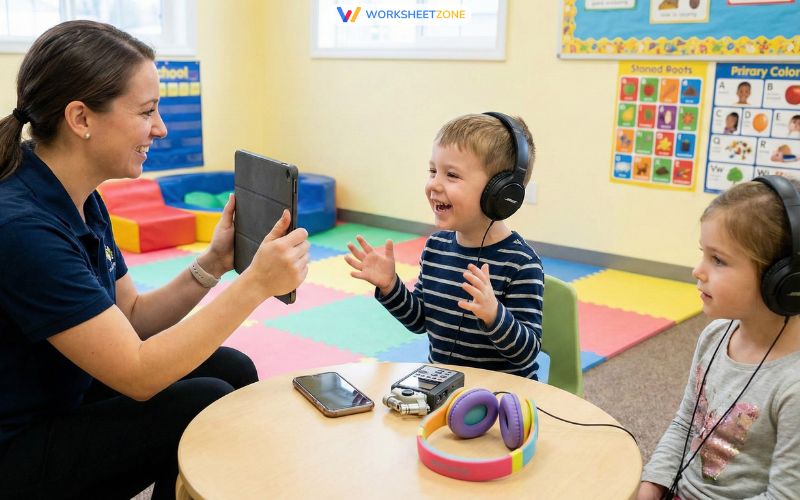
13. My voice recording activity
This activity helps preschoolers become aware of their own voice and feel confident expressing themselves. It is especially helpful for children who are shy or learning to communicate.
Materials
- Tablet, phone, or recording device
- Quiet space
- Headphones (optional)
How to do
- Ask children to record their name, age, or favorite thing.
- Play the recording back so they can listen.
- Encourage light discussion about what they hear.
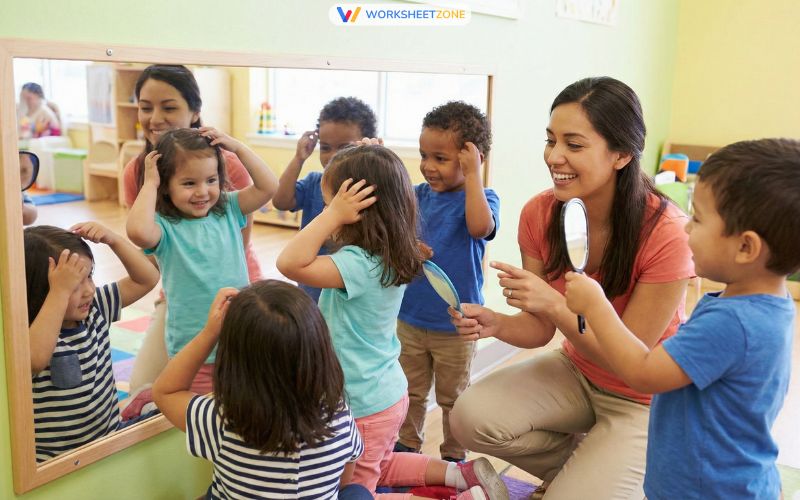
14. All about me mirror talk
Mirror talk encourages children to notice and describe their own features in a positive way. This activity gently supports self-awareness and respectful language.
Materials: Handheld or wall mirror
How to do
- Invite children to look into the mirror.
- Ask simple questions about what they see, such as hair, eyes, or expressions.
- Model positive descriptions and affirm each child.
15. My favorite song or dance
This activity allows children to express themselves through music and movement. It gives every child a chance to share something they enjoy without needing many words.

Materials
- Music player
- Open space for movement
How to do
- Ask children to choose a favorite song or movement.
- Let them dance or demonstrate simple actions.
- Celebrate each child’s performance with encouragement.
16. My daily routine chart
Creating a routine chart helps children talk about their everyday life and understand daily structure. It also supports meaningful conversations about similarities and differences between children.

Materials
- Paper
- Crayons or markers
- Picture cards (optional)
How to do
- Talk with children about parts of their day, such as morning, playtime, and bedtime.
- Have them draw or arrange pictures in order.
- Invite children to explain their routine.
17. All about me sensory bottle
This calming activity gives children a tool to relax while expressing personal preferences. Sensory bottles can also be used during quiet moments or transitions.

Materials
- Clear plastic bottles
- Water, glitter, beads, or small objects
- Food coloring (optional)
How to do
- Let children choose colors and small items they like.
- Fill the bottle with water and materials, then seal tightly.
- Show children how to shake and watch the bottle calmly.
18. My favorite place drawing
This activity helps children express emotions by drawing places where they feel happy or safe. It opens gentle conversations about feelings and personal experiences (As children grow and move into 2nd grade, they can start writing about cause and effect in their daily lives to improve their narrative logic.).

Materials
- Drawing paper
- Crayons or colored pencils
How to do
- Ask children to think of a place they love.
- Let them draw the place freely.
- Invite sharing through simple storytelling.
19. All about me classroom book
Creating a classroom book helps children feel valued as part of a group. Re-reading the book strengthens connections and builds a sense of community.

Materials
- Blank pages
- Crayons or markers
- Stapler or binder
How to do
- Each child creates one page about themselves.
- Combine all pages into a book.
- Read the book together during circle time.
20. My superpower activity
This activity encourages children to recognize their strengths in a fun, positive way. Framing abilities as “superpowers” builds confidence and self-worth.

Materials
- Paper
- Crayons or markers
How to do
- Ask children what they are good at or enjoy doing.
- Help them draw or describe their “superpower.”
- Praise each child’s unique strength.
21. All about me name necklace
Creating a name necklace helps children feel proud of their name and identity. It also encourages name recognition in a playful, hands-on format.

Materials
- Paper strips or cardstock
- Markers
- String or yarn
- Hole punch
How to do
- Help children write or decorate their name on paper pieces.
- Punch holes and thread the pieces onto string.
- Let children wear and show their name necklace.
Looking for ready-to-use materials for these activities? Browse our full collection of All About Me Worksheets to save time on prep!
FAQs
1. When should I use all about me activities for preschoolers?
All about me activities for preschoolers are most commonly used at the beginning of the school year to help children adjust, build relationships, and feel comfortable in a new environment. However, they can also be used anytime children need emotional support, community building, or opportunities for self-expression.
2. Are all about me activities for preschoolers important?
Yes. All about me activities for preschoolers are important because they support self-awareness, confidence, communication skills, and emotional development. These activities help children feel recognized and respected, which is essential for a positive learning experience in early childhood.
3. What are the best materials for these preschool activities?
The most effective materials are those that are tactile and highly visual, such as washable paints, large-scale paper, mirrors, and safety-scissors. Using “real-world” items like personal photos or favorite toys in “Me Bags” also adds a layer of concrete connection for young learners. Always ensure materials are non-toxic and age-appropriate to maintain a safe learning environment.
Wrap up
All about me activities for preschoolers are a meaningful way to help young children explore their identity, express emotions, and build confidence in a supportive environment. Through simple, play-based activities, preschoolers learn to understand themselves while developing connections with teachers and peers. When used thoughtfully throughout the year, these activities create an inclusive classroom culture where every child feels seen, valued, and encouraged to grow.


