Worksheets
Lesson Plans
Coloring Pages
Home
Activity:
Topic:
CCSS:
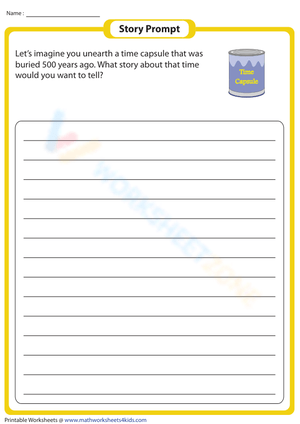
Spark creativity with our Imaginative Story Prompt! Craft original and imaginative stories to develop your narrative skills effectively. Start writing now!
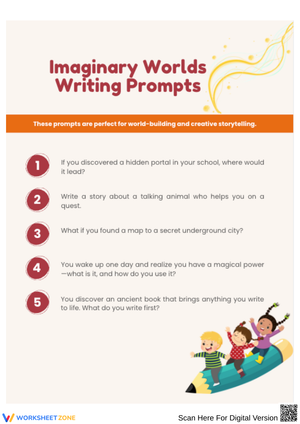
Inspire your middle school students with creative writing prompts that spark imagination and storytelling skills. Perfect for world-building exercises!
What is fiction: Writing that comes from the author's imagination. Historical Fiction: Sets characters against historical events. The purpose of Fiction is to:: Entertain. Biographical Fiction is :: About a real person, but events are made up. The three elements of fiction are :: Characters, setting, and plot. If the story is factual, about real events, subjects, or ideas, it is most likely:: . What are two genres of Fiction: Fables and Legends
A narrative essay: is a fictional story.. A person, an animal, or object that takes part in the action of a narrative is a ________: character. The time and location in which a story takes place is the _____: setting. True or False. Descriptive words are important because they add detail to the story: True. Marsha wanted to play baseball. Rachel taught Marsha the game after school. She taught her how to hold a bat. She also taught her how to catch the ball. Now Marsha plays the game well. What did Rachel teach Marsha first in the game of baseball: She taught her how to hold a bat. . Jennifer built a toy airplane. Her father helped her. First, they painted the parts. Then, they glued the parts together. They were pleased with their airplane even though it could not fly. What happened right after they painted the parts: They glued the parts together. . The Jones family went to the beach. First they found a spot to put their towels and beach bags. Then they all went for a swim in the ocean. After drying off they ate a delicious picnic lunch. Then the kids built a giant sand castle. Finally they went for a walk and collected shells to bring home.What happened just before they went for a walk: They built a sand castle.. Which one should come last: Tie the ribbon.. When you're getting dressed, what do you put on last: shoes. Mr. Kemphaus has beautiful hair. He wanted to get it cut. His students screamed "NO! please don't cut you hair." After that he promised never to cut his hair. What happened at the end of the story? : Mr. Kemphaus promised never to cut his hair
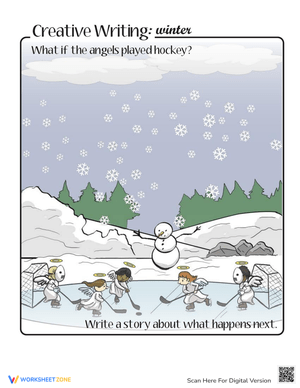
Unleash your creativity with our winter writing prompt! This worksheet sparks imagination and enhances writing skills. Download now and start your story!
Ignite your creativity! This fictional narrative writing prompt helps enhance storytelling skills. Start crafting engaging stories today! #NarrativeWriting
Get inspired with this Christmas writing prompt! Encourage imaginative and festive storytelling. Perfect for elementary students to write better!
Unleash creativity with our Write a Story worksheet! Prompts to inspire storytelling. Download now and help students develop their writing skills.
Spark imagination with these 'Kids Writing Prompts'! Perfect for young learners to enhance their creative writing skills. Try Writing Prompts worksheet now!
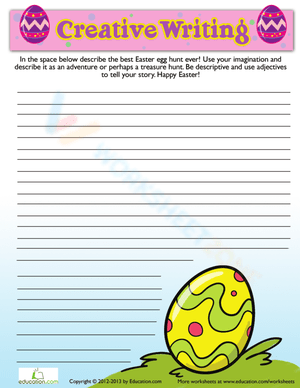
Spark creativity with our Easter Writing Prompt worksheet! Develop storytelling skills in a fun way. Download this educational tool now!
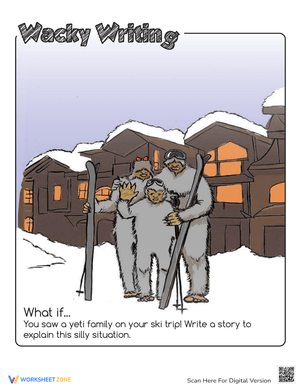
Unleash your creative storytelling with this Yeti Writing Prompt worksheet! Perfect for developing narrative skills. Download now and start writing your own story!
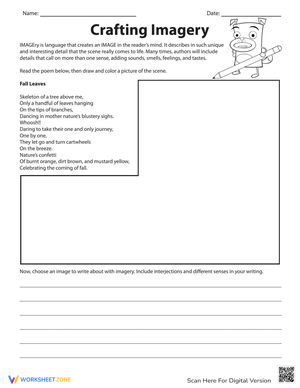
Enhance your Descriptive Writing skills with this Crafting Imagery worksheet! Learn to create vivid images. Download now and start crafting!
Unleash your imagination! Use this fictional narrative writing prompt to enhance storytelling skills. Get creative and start writing today! #NarrativeWriting
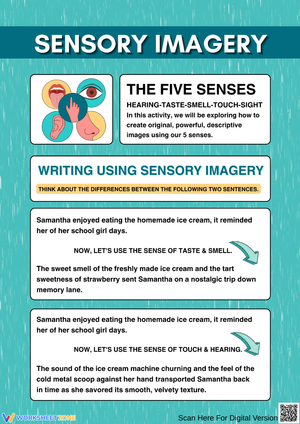
Build descriptive writing skills with this sensory imagery worksheet. Students learn to use the five senses and rewrite sentences to create vivid, powerful imagery.
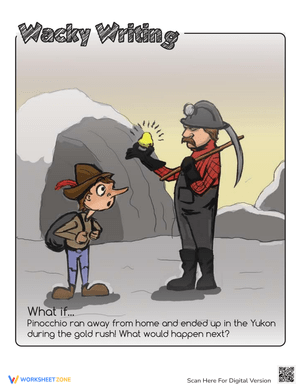
Unleash your creativity and engage in writing prompts about Pinocchio to enhance writing skills today! #pinoccio #writing
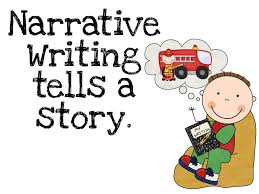
What is a narrative: A story. True or False. Descriptive words are important because they add detail to the story: True. Dialogue is : The conversation between characters. True or False. It is a good idea to "hook" reader at the beginning of the story: True. An example of a sensory detail is: Rattling thunder and lightening flashes. True or False. A narrative must have characters: True. The person telling the story: Narrator. The author describes how the problem is solved: Falling Action. The end of the story; brings the story to a satisfactory close: Resolution. _________________ means the time and place in which the events happen in a story: Setting. The turning point of the story where the main conflict is decided one way or another: Climax. The author describes the conflict or problem the characters must face; tensions rise: Rising Action. The time and place in which a story happens: Setting. Opening of the story; author describes the setting, gives background info & intros characters: Exposition. The struggle between opposing forces; the problem handled by the main character: Conflict
What is a narrative: A story . True of False. Descriptive words are important because they add detail to the story. : True . In this element of plot the author introduces the characters and setting..: Orientation . Climax is..: The most intense, exciting, or important point of a story. The time and place in which a story happens: Setting. What is a rising action: A series of events that build suspense . Which are examples of narratives: All of the above . What is the purpose of a narrative: To tell a story. The falling action occurs..: After the climax. True or False. Simple sentences CANNOT be used to create emphasis in a story. : False
What is a narrative: A story. _________________ means the time and place in which the events happen in a story: Setting. True or False. Descriptive words are important because they add detail to the story: True. Dialogue is : The conversation between characters. The part of the story that ties up all the loose ends and takes care of the conflict: the resolution. What is the purpose of a narrative: To tell a story. Why should we use descriptive words in our narrative essays: They "paint a picture" for our readers. What is narrative writing: Fictional story with a problem, events, and a solution. What is the first step of the writing process: . Why do we need to brainstorm before writing a narrative essay: It helps us organize our thoughts and ideas before writing.. When a main character's problem is resolved authors call that the _______________ of the story: Solution. Select the word that correctly defines each story element. The characters of a story are.: who is in the story.. Select the word that correctly defines each story element. The plot of a story includes..: . Select the word that correctly defines each story element. The conflict of a story is the..: problem the character faces.. Select the word that correctly defines each story element. The protagonist of a story is..: the main character. . Select the word that correctly defines each story element. The introduction, or exposition, of a short story is also its..: beginning.. All of the following are elements of narrative writing except: Teaches the reader something new. A strong, meaningful story title and introduction serves the purpose of making the reader ..: want to keep reading. Narrative writing tells a story to ........... the reader: entertain. All narratives have.......Choose all correct answers: point of view and plot
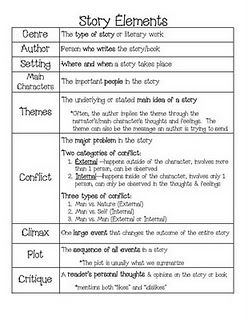
The time and place or the "when and where" of a story are called the..: setting. the first step of the writing process is called: prewriting. The person, animals, and things participating in a story: characters. The feeling that the author tries to convey throughout the story: mood. events that occur as result of central conflict : rising action. highest point of interest or suspense of a story: climax. Tension eases; events show the results of how the main character begins to resolve the conflict: falling action. Loose ends are tied up; the conflict is solved: resolution
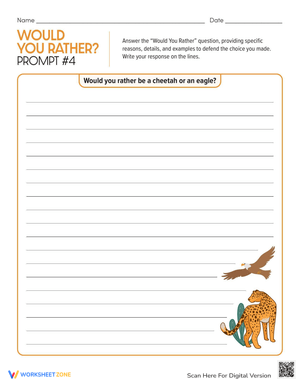
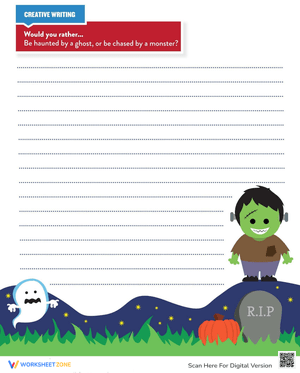
Spark creativity with our 'Would You Rather' Writing Prompt! Encourage imaginative thinking. Perfect for expressive writing. Start creating today!
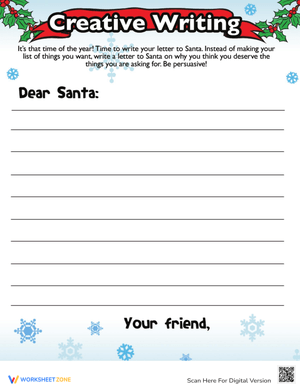
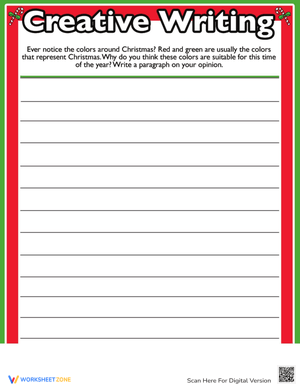
Inspire creativity with our Christmas Writing Prompt! Perfect for storytelling and festive fun. Get creative and start writing your holiday tales today!
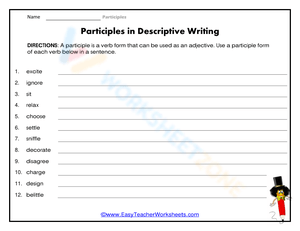
Master participles with this Grade 4 ELA worksheet. 12 tasks focus on using verb forms as adjectives in writing. Aligned to CCSS.ELA-LITERACY.L.4.1. Print.
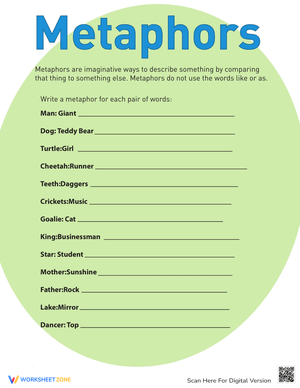
Enhance creative writing skills by learning to write with metaphors. This worksheet provides practice and examples. Get yours now!
Spark your imagination with this creative writing worksheet! Use prompts to develop storytelling skills and express your unique ideas. Start writing today!
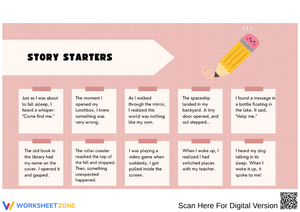
Jumpstart your imagination with these story starters! Perfect for inspiring creative writing and helping kids craft exciting and unique stories.
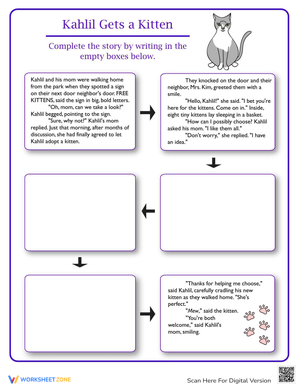
Boost creative writing skills with our 'Finish the Story' worksheet! Develop narrative abilities in an engaging way. Get started now!
Unleash creativity with this Scary Story Writing worksheet! Perfect for imaginative storytelling. Download now to develop writing skills!
Inspire holiday creativity with this Christmas writing prompt worksheet! Encourage storytelling and festive expression. Click here to start writing now!
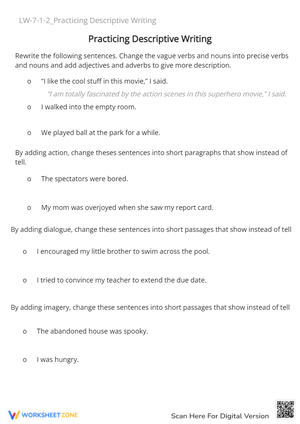
Improve your descriptive writing skills with this practice worksheet! Learn to write detailed and engaging descriptions. Start today!
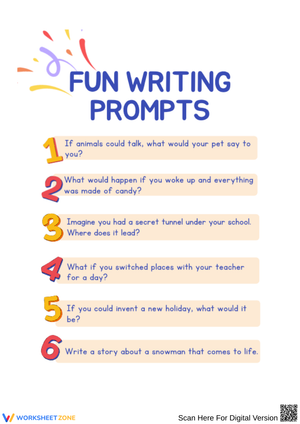
Spark your 4th graders' creativity with these fun and imaginative writing prompts. Perfect for exploring playful and out-of-the-box ideas.<br></br><br></br>
Find perfect worksheets
Grade + Topic search
Select your Grade level, Topic and Subject to find worksheets instantly or you can use keyword below to search what you need.
Make your own worksheets