Worksheets
Lesson Plans
Coloring Pages
Home
Activity:
Topic:
CCSS:
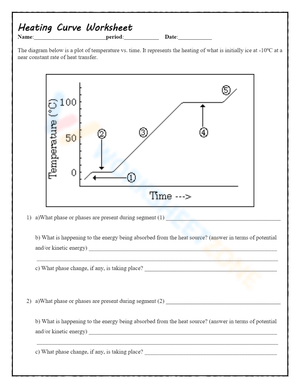
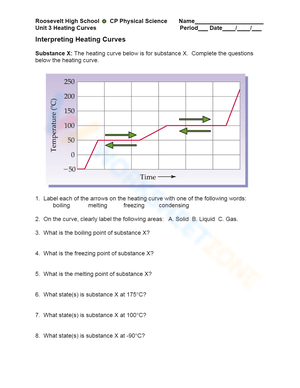
Learn about heating and cooling curves with this worksheet! Understand phase transitions and energy changes effectively. Download the Heating and Cooling Curves worksheet!
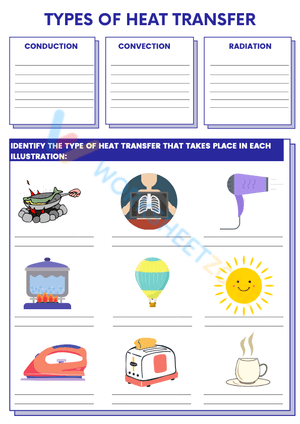
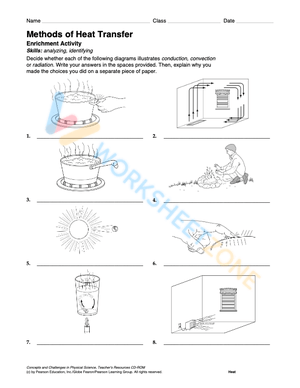
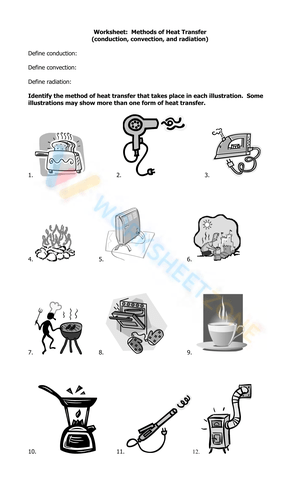
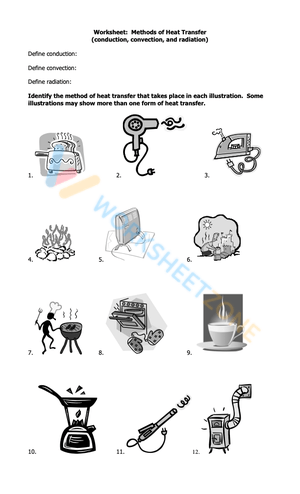
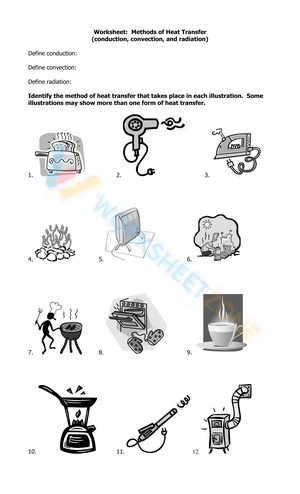
This heat transfer worksheet helps students identify conduction, convection, and radiation with engaging visuals. Great for science lessons!
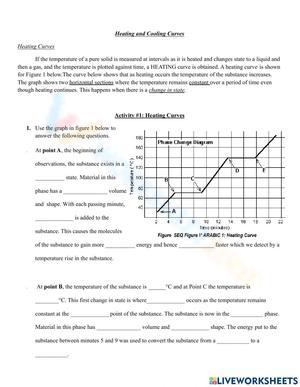
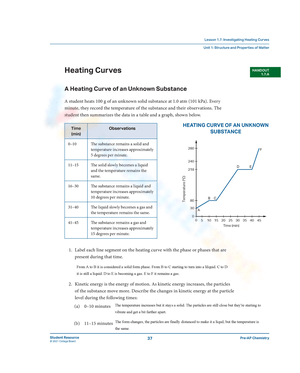
Learn and understand heating curves with this worksheet! Study phase transitions and energy transfer. Get your Heating Curves study guide today!
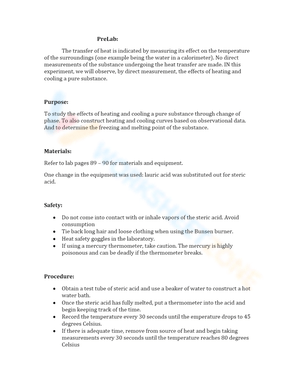
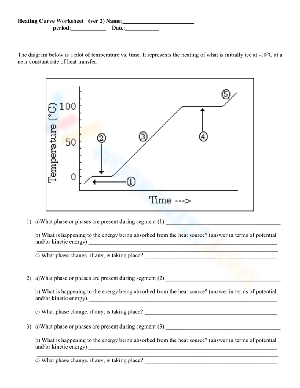
Analyze heating and cooling curves with this detailed worksheet! Perfect for chemistry students studying phase transitions and thermal energy changes. Start now!
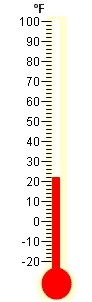
The biggest heat source for our planet is the ______________________. : Sun. What is temperature: The measure of how cold or hot something is.. What tool can be used to measure how hot or cold something is: thermometer. What are two temperature scales used to measure temperature: Fahrenheit and Celsius. Which example creates heat through electricity: a microwave. If you live in a cold climate it is important to stay warm. What is one way you could stay warm: Wear a heavy coat. You are sitting next to a campfire and it is too hot. How can you cool down: Move away from the fire. When two objects are rubbed together they produce heat. This is called ____________________: friction. What will happen to a temperature on the thermometer when a light bulb is turned on? : The temperature will increase.. What temperature does the thermometer show: 22° F
Understand heating curves with this worksheet! Learn to interpret graphs showing phase transitions. Enhance your science skills by studying Heating Curves today!
Explore heating curves with this engaging worksheet! Perfect for science students studying phase changes and energy transfer. Start learning now!
Understand heating curves with this comprehensive worksheet! Explore phase transitions of matter. Learn about Heating Curves and thermodynamics today!
Explore the world of heating curves with our full version worksheet. Perfect for science students. Enhance your knowledge with us!
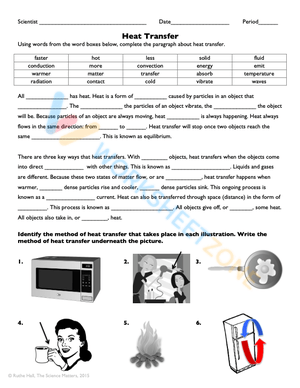
What is heat transfer? What is its function? Let's find out the answers!
Decide whether each of the following diagrams illustrates conduction, convection or radiation
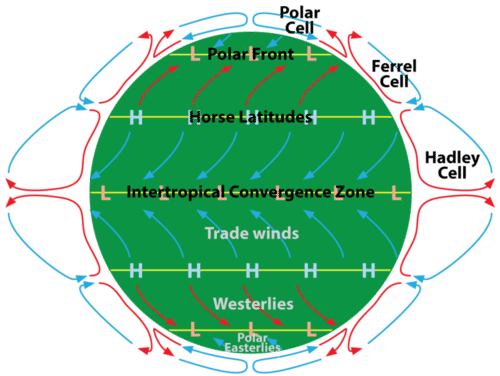
Gain a deeper understanding of unequal heating topics. Let's check your students' results through an interactive worksheet.
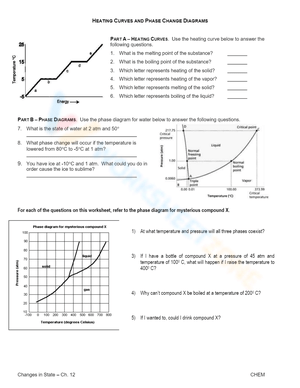
Explore heating curves and phase change diagrams in this detailed worksheet. Understand how substances change states with temperature. Download and learn now!
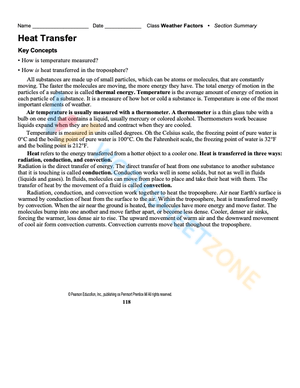
This worksheet is about the key concept of heat transfer. Grab it now!
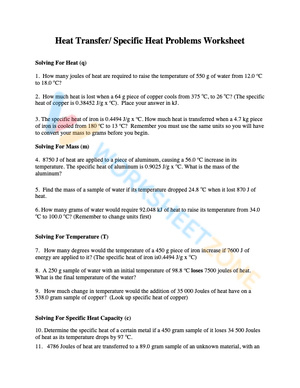
Specific Heat Problems are significant! Let's learn about it through this worksheet.
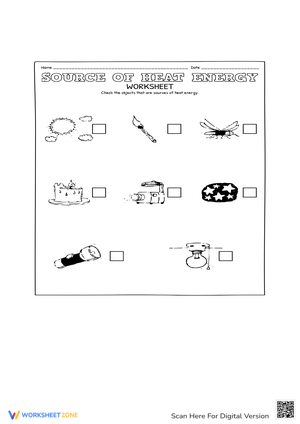
Identify sources of heat energy with this worksheet. Learn how heat is produced and used. Perfect for science education. Download now! #HeatEnergy
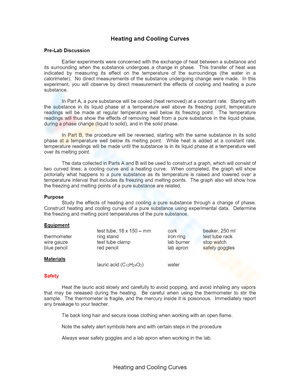
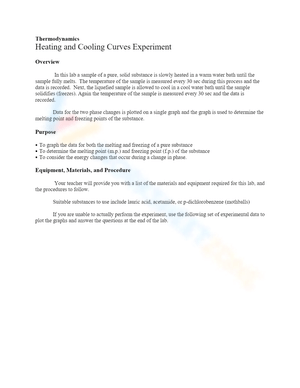
Explore heating and cooling curves with this lab activity. Graph and analyze phase transitions to reinforce thermodynamics concepts. Download now and experiment!
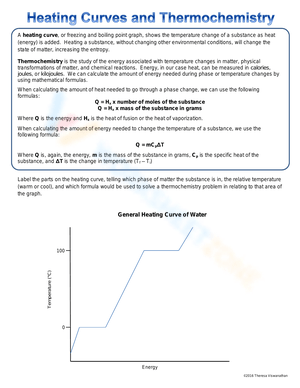
Explore heating curves and thermochemistry with this comprehensive worksheet! Ideal for chemistry students. Study phase changes and energy calculations today!
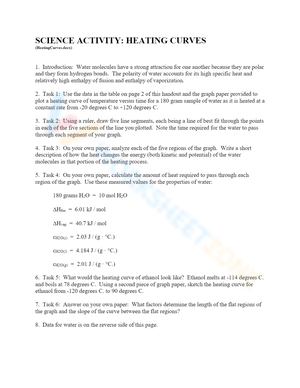
Explore heating curves with this engaging activity worksheet! Perfect for science students studying phase changes and energy transfer. Start learning now!
Learn to interpret heating curves with this detailed worksheet! Ideal for chemistry students studying phase changes and thermal energy. Start now!
Explore Heat Transfer methods! Understand conduction, convection, and radiation with this insightful science worksheet. Enhance your knowledge today!
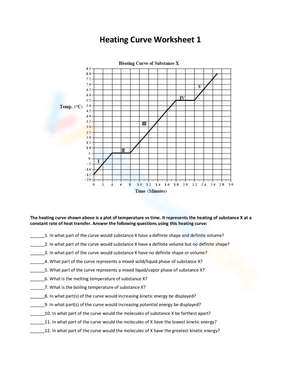
Understand heating curves and phase transitions with this worksheet. Explore melting and boiling points in thermodynamics. Perfect for chemistry students! Learn more!
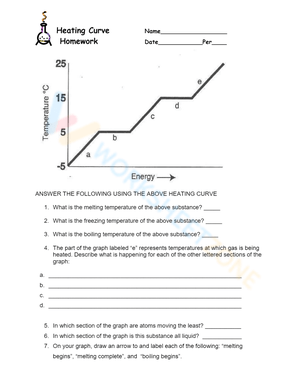
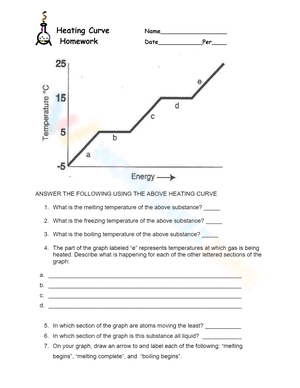
Explore phase changes with this Heating Curve Worksheet. Students analyze melting, freezing, and boiling points while interpreting energy and temperature changes.
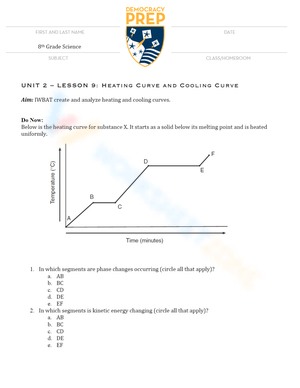
Understand phase transitions and energy transfer processes with this heating and cooling curve worksheet. Perfect for Unit 2 Lesson 9. Explore now!